Hong Kong's anti-extradition bill protests erupted in June 2019 and stretched into 2020. By the time Beijing imposed the National Security Law on June 30, 2020, the city's largest banks had already picked sides. HSBC and Standard Chartered publicly endorsed the law, locking in their licenses to operate in the territory while drawing condemnation from UK and US lawmakers. No major bank lost its Hong Kong charter as a direct result of the unrest, though several pro-democracy activists saw their accounts frozen or closed. Hong Kong's standing as an international financial hub held in the short term, but capital flight and talent emigration quickened after 2020.
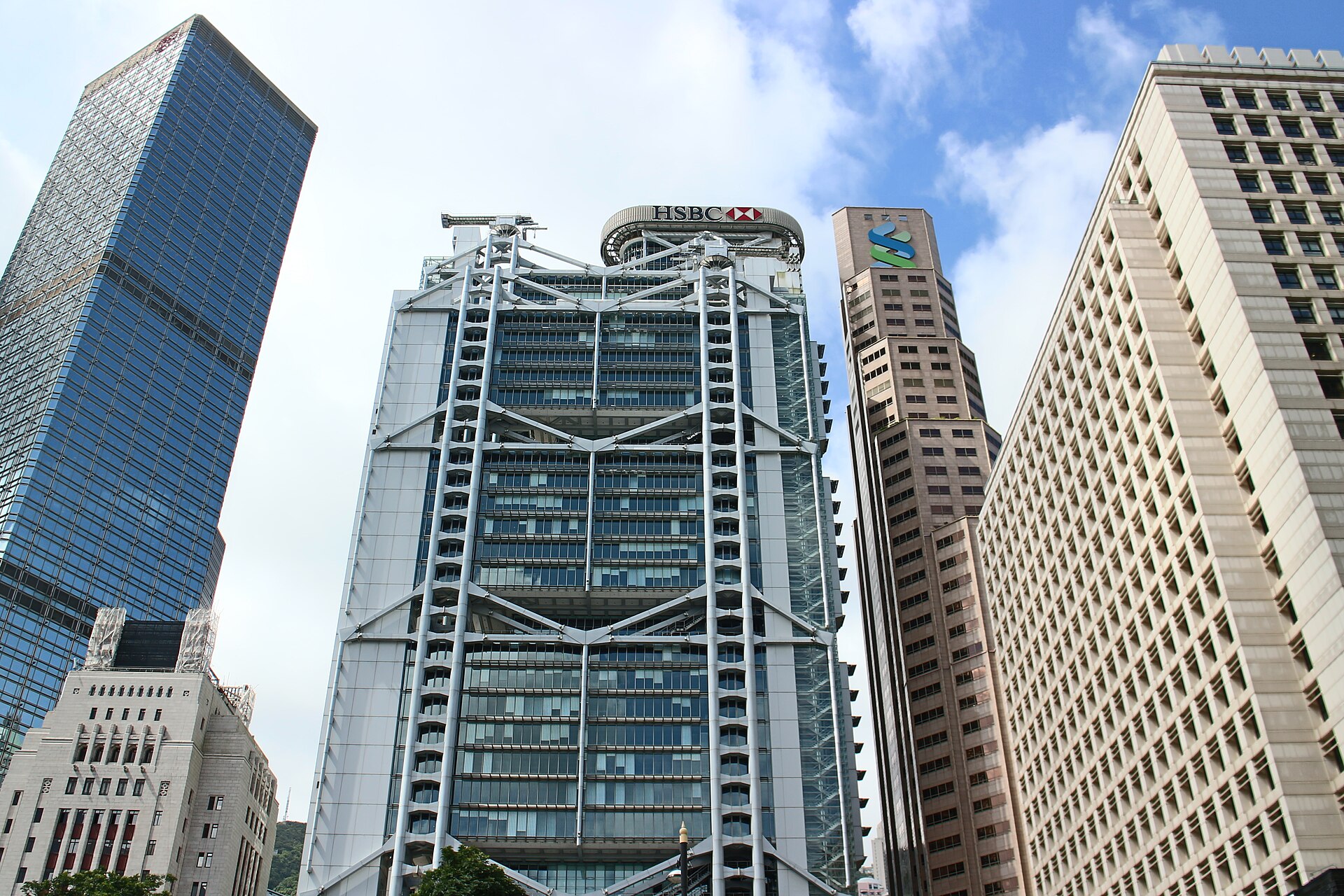
HSBC, Europe's largest bank, earns an outsized share of its profits from Hong Kong. Standard Chartered is headquartered in London yet woven deeply into the city's banking fabric. Bank of East Asia remains one of Hong Kong's last family-run local lenders. All three confronted the same dilemma: how to balance business interests in China against pressure from Western stakeholders. Their answers diverged in timing and tone, but the direction was identical.

HSBC and Standard Chartered Endorsed the National Security Law
In June 2020, HSBC publicly backed the National Security Law. Standard Chartered followed with a parallel statement. Both argued the law would restore stability to Hong Kong, a position that mirrored Beijing's messaging and aligned with the preferences of the Hong Kong Monetary Authority, the city's de facto central bank and banking supervisor. The HKMA issued no public directive ordering banks to endorse the law, but its stance was unmistakable: institutions were expected to support measures that preserved order.
The endorsements carried a price. UK lawmakers, including members of Parliament, rebuked HSBC and Standard Chartered for championing a law that eroded civil liberties. US politicians threatened sanctions. The banks responded by underscoring their long-term commitment to Hong Kong and their duty to comply with local law. Neither reversed its position.
Account freezes and closures
During and after the protests, several pro-democracy activists reported that their accounts had been frozen or closed. HSBC and Standard Chartered were among the institutions named. The banks pointed to anti-money laundering rules and internal risk assessments. They did not disclose whether the HKMA or other authorities had prompted the actions. The exact number of accounts affected has never been confirmed by any bank or regulator.
Bank of East Asia Took a Quieter Path
Bank of East Asia, a family-run local lender, issued no public endorsement of the National Security Law. It also offered no public opposition. The bank's strategy was to avoid the partisan spotlight entirely. It kept serving retail and corporate clients without issuing statements that might alienate Beijing or Hong Kong's pro-democracy camp. This approach preserved business ties on both sides but left the bank open to accusations of silence from activists who expected solidarity.
The contrast with HSBC and Standard Chartered was deliberate. Bank of East Asia faced less exposure to Western regulatory pressure and had less need to signal fealty to Beijing. Its customer base was more local, and its calculus was different. The bank drew no public condemnation from Western lawmakers, but it also received no public endorsement from Chinese state media.
No senior executives resigned over the protests
None of the three banks saw senior executives resign or be replaced as a direct result of partisan pressure during the protest period. HSBC group chief executive Noel Quinn stayed in post throughout. Standard Chartered's leadership also remained intact. That stability signaled that boards and shareholders accepted the trade-offs the banks had made.
The Hong Kong Monetary Authority's Role
The HKMA served as the primary conduit between Beijing and the banking sector. It issued no public directive ordering banks to freeze accounts or endorse the National Security Law. Instead, it conveyed expectations through private meetings and regulatory guidance. Banks understood that compliance with the law, including the National Security Law, was non-negotiable. The HKMA also tracked capital flows and intervened in the foreign exchange market to maintain the Hong Kong dollar's peg to the US dollar, signaling that systemic stability was its overriding priority.
No specific fines were levied against banks by the HKMA for protest-related compliance failures during the period. The regulator concentrated on systemic stability rather than individual account decisions. That gave banks operational discretion but left them to manage the partisan risk of their choices alone.
Market Impact and Investor Response
The Hang Seng Index, Hong Kong's main stock benchmark, slumped during the peak of the protests in 2019 but recovered partially in 2020 before the National Security Law took effect. Capital outflows quickened after June 2020, though disentangling the impact of the unrest from the COVID-19 pandemic, which rattled global markets simultaneously, remains difficult. No precise dollar figure for outflows attributable solely to the political turmoil has been established.
Credit rating agencies monitored the situation closely. Moody's and S&P did not downgrade Hong Kong's sovereign rating immediately after the National Security Law was imposed, but both flagged governance risks as a factor that could erode the city's long-term competitiveness. International investors grew more guarded. Some trimmed exposure to Hong Kong-listed equities and bonds, while others held firm, wagering that Beijing would not let the financial center collapse.
As of March 2024, Hong Kong remains an international financial center, but the trajectory has shifted. Talent emigration and capital outflows have persisted, and the banking sector now operates under a legal framework that includes the National Security Law. The banks that endorsed the law kept their licenses. The cost has been measured in reputational damage and a narrower operating environment.