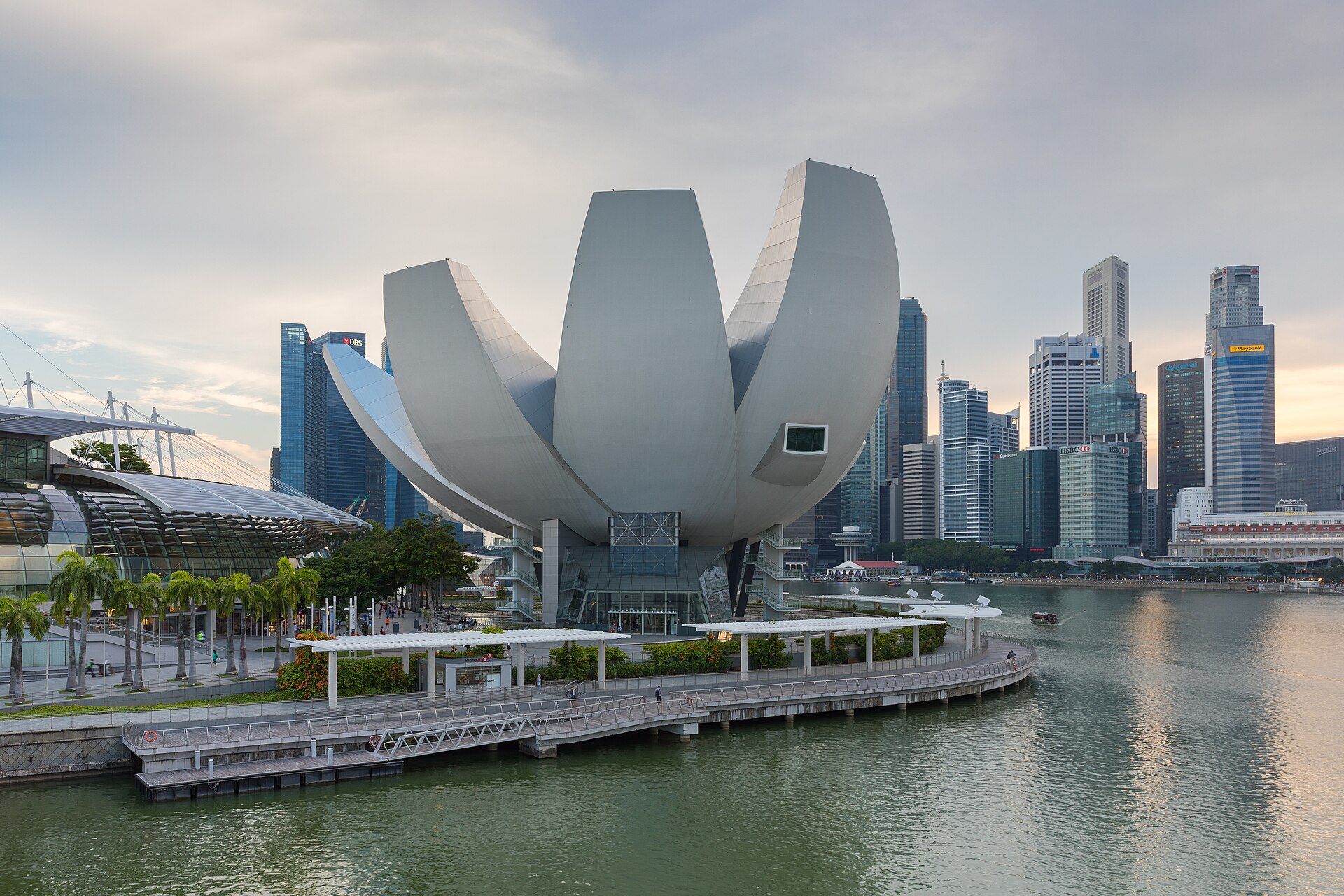
Singapore has been ranked the world's smartest city in the IMD Smart City Index for 2021 and 2023, a biennial assessment produced by the International Institute for Management Development in Switzerland. The index evaluates cities on how well they use tools and systems to improve quality of life across five pillars: health and safety, mobility, activities, opportunities, and governance. Singapore's top placement reflects sustained investment in its Smart Nation initiative, a decade-old program that embeds sensors, data platforms, and digital identity systems into everyday urban operations. But the ranking also draws attention to what the methodology does not weigh heavily: personal data protection, surveillance, and the gap between official capability and the lived experience of the people who call the city home.
Zurich has regularly placed second or third in the same index, representing a European model that prioritises environmental sustainability and civic participation over centralised data collection. The contrast between Singapore and Zurich is not just geographic. It is a difference in how each city defines 'smart' in practice. Singapore leans on top-down digital infrastructure managed by state agencies. Zurich relies more on civic engagement, green building standards, and direct resident feedback. Both score well, but for different reasons.

How the rankings work and what they count
The IMD Smart City Index is one of several widely cited global assessments, alongside reports from Juniper Research and the Eden Strategy Institute. IMD's version combines hard data with survey responses from residents in each city, asking about their experience with digital tools in areas such as traffic, public safety, and access to services. The 2023 edition covered 141 cities. Singapore scored highest overall, followed by Zurich, Oslo, Beijing, and Seoul in the top five.
The methodology gives equal weight to structural indicators and resident perception. That means a city with advanced systems can still rank lower if locals report dissatisfaction with their use. Critics argue the survey sample is too small to be representative: a city of five million is judged on the views of a tiny cohort. The index also does not directly measure cost of living, affordability, or the distribution of benefits across income groups. A city that deploys smart traffic lights but neglects public housing internet access may still score well on mobility.
Singapore's Smart Nation: projects and policies
The sensor network and digital identity
Singapore's Smart Nation initiative, launched in 2014, bundles dozens of programs under a single state directive. The city-state deployed a national sensor network that monitors everything from waste bin fill levels to crowd density in public spaces. It introduced a digital identity system called SingPass that lets citizens and permanent residents access government services, tax filings, and healthcare records from a single login. A national payments platform, PayNow, links bank accounts to mobile numbers, and autonomous buses have been trialled in the western part of the island.
The legal framework and pandemic surveillance
These projects are enabled by a legal environment that gives the state broad access to data. The same infrastructure that powers efficiency also supports what some researchers describe as a surveillance apparatus. Singapore's location tracking during the COVID-19 pandemic, through the TraceTogether app and SafeEntry check-in system, was mandatory for entry to many public venues. The data was used for contact tracing but also raised questions about retention periods and whether it could be repurposed. Authorities have said the data is deleted after 25 days, but independent audits are not routine.
The corporate role and the cautionary tale of Sidewalk Labs
Songdo: a wired city with few occupants
Technology companies have been central to smart city projects. Cisco was a foundational partner for the Songdo International Business District in South Korea, a purpose-built smart city on reclaimed land near Incheon International Airport. Songdo was conceived as a fully wired city with sensors embedded in buildings, roads, and utilities. Cisco supplied the networking infrastructure and the city management platform. Yet Songdo's population has remained far below projections, and the city has been criticised as a tech demonstration with limited organic growth.
Quayside and the backlash against corporate data control
A more dramatic failure came in Toronto. Sidewalk Labs, a subsidiary of Alphabet Inc., abandoned its Quayside smart city project in May 2020 after years of public opposition over data stewardship and personal privacy. The project would have installed sensors on public benches, tracked pedestrian movement, and used that data to adjust building systems. Critics objected to the lack of clarity about who owned the data and how it would be monetised. The collapse of Quayside became a case study in the limits of corporate-led urban development. It also shifted the conversation at events such as the Smart City Expo World Congress in Barcelona, where panels on ethics and data protection now regularly outnumber technology demonstrations.
What the rankings still do not capture
The privacy blind spot
The most visible gap in smart city rankings is the treatment of personal data protection and surveillance. IMD's index includes a governance pillar that asks locals whether they trust the authorities to use data responsibly, but it does not audit actual data practices. A city that collects extensive biometric information may still score high if respondents report feeling safe. The index also does not account for social credit systems, which have been piloted in parts of China and generate significant debate about civil liberties.
Pandemic-era shifts and the cost of sophistication
The COVID-19 pandemic reshaped smart city priorities. Contact tracing apps, vaccine passport systems, and crowd monitoring tools became standard in many ranked cities. That shift may have improved scores on health and safety pillars while worsening personal data outcomes. As of May 2024, no major ranking had adjusted its methodology to penalise cities for weak data protection frameworks. The result is a set of league tables that reward technological sophistication without fully accounting for its costs. Singapore remains at the top of those tables, but the definition of 'smart' is increasingly contested.
Key facts
- Top-ranked city (IMD 2021, 2023): Singapore
- Publishing organisation: International Institute for Management Development (IMD)
- IMD ranking pillars: Health and safety, mobility, activities, opportunities, governance
- Singapore's smart city program: Smart Nation initiative (launched 2014)
- Major smart city event: Smart City Expo World Congress, Barcelona
- Abandoned corporate project: Sidewalk Labs Quayside, Toronto (May 2020)
- Purpose-built smart city: Songdo International Business District, South Korea
Smart city models compared
| City | Model | Key technology | Primary criticism |
|---|---|---|---|
| Singapore | Top-down, government-led | National sensor network, SingPass, TraceTogether | Surveillance, data privacy |
| Zurich | Participatory, sustainability-focused | Green building standards, citizen feedback platforms | Slower deployment, higher cost |
| Songdo (South Korea) | Corporate-partnered, greenfield | Cisco city management platform, ubiquitous sensors | Low population, limited organic growth |
| Toronto (Quayside, abandoned) | Corporate-led, data-intensive | Pedestrian tracking, adaptive infrastructure | Data ownership, public opposition |
Frequently asked questions
Which city is currently ranked the world's smartest?
Singapore was ranked first in the IMD Smart City Index in 2021 and 2023. The next edition may change the order, but Singapore has held the top spot in the most recent published rankings.
What methodology does the IMD Smart City Index use?
It combines structural indicators with a survey of residents per city, asking about their experience with digital tools in health, mobility, activities, opportunities, and governance.
Why do critics say the rankings are misleading?
Critics argue the survey sample is too small, the index does not audit data privacy practices, and it does not account for social credit systems or surveillance infrastructure.
What happened to the Sidewalk Labs project in Toronto?
Sidewalk Labs, a subsidiary of Alphabet, abandoned its Quayside smart city project in May 2020 after public opposition over data governance and privacy.
Is Songdo a successful smart city?
Songdo was built with Cisco technology on reclaimed land near Incheon, but its population has remained far below projections. Its status as a functioning community is still debated.