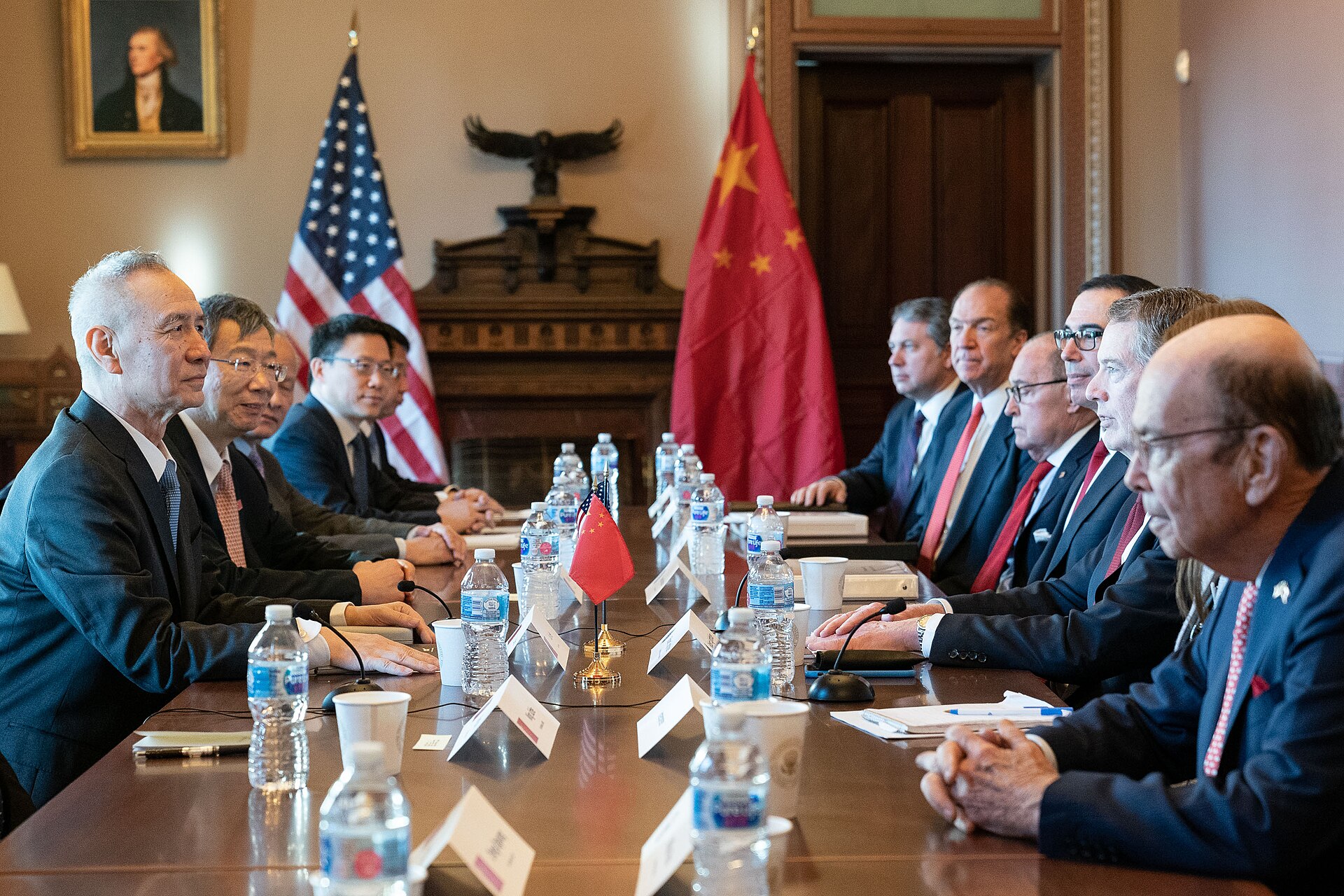
Between 2018 and 2020, the US-China trade war under President Donald Trump threatened Apple's cost structure directly. The company faced levies on its most important devices: Apple Watch, AirPods, iPhone, iPad, and MacBook. Apple did not raise US retail prices on those devices during the period. Instead, it lobbied for exemptions, absorbed costs, and began moving production out of China to Vietnam and India. The broad 15% duty on iPhones, iPads, and MacBooks was suspended in late 2019 as part of the Phase One trade deal and was never imposed. Apple obtained temporary relief for the Apple Watch and AirPods, which the US Trade Representative (USTR) later extended multiple times. The supply chain diversification that began in 2020 continued through 2023.
The tariffs arrived in stages. In September 2018, the US imposed a 10% duty on List 3 goods, which included the Apple Watch and AirPods. That rate rose to 25% in May 2019. In August 2019, the Trump administration announced a 15% tariff on List 4A goods, covering iPhones, iPads, and MacBooks, scheduled to take effect on September 1 and in mid-December 2019. Apple faced the prospect of absorbing or passing on hundreds of millions of dollars in additional costs on its highest-margin lines.

Apple's Lobbying and the Tariff Exclusions
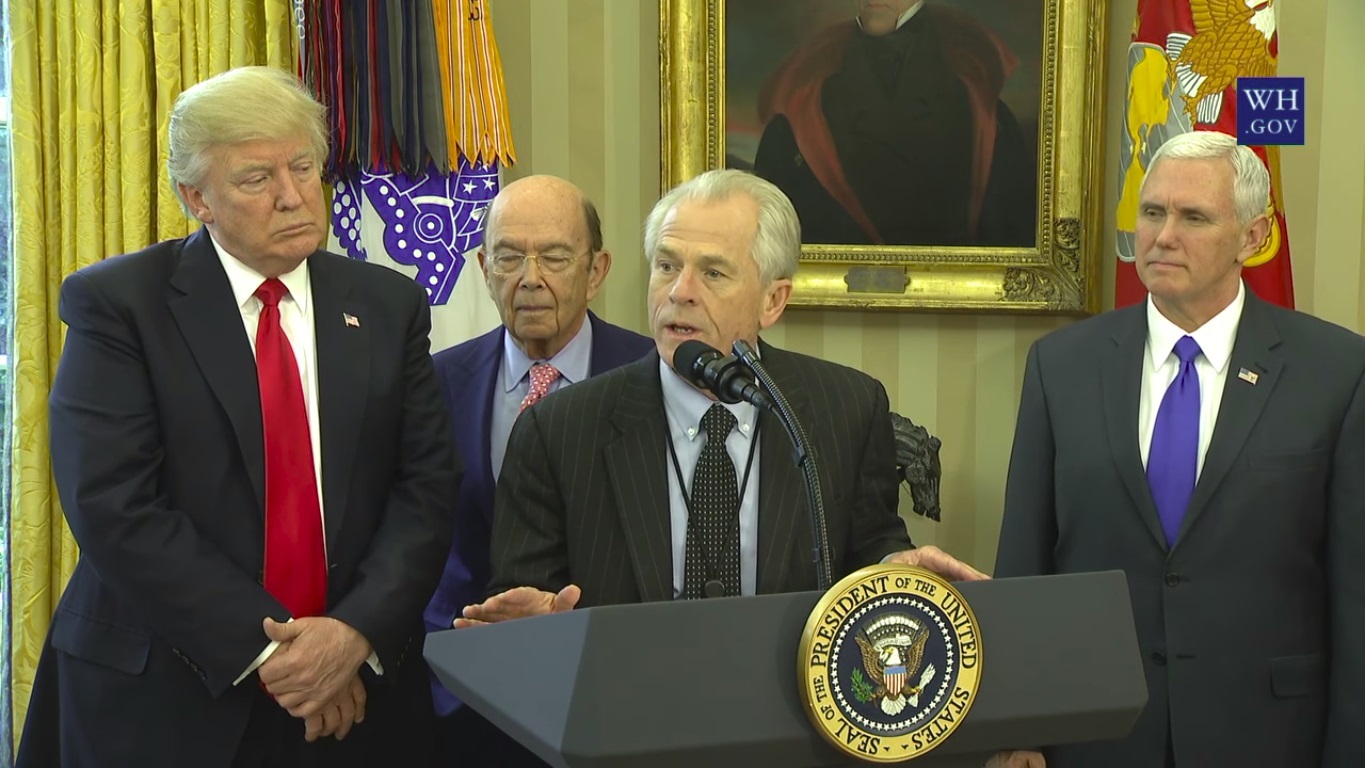
Apple CEO Tim Cook personally lobbied President Donald Trump on multiple occasions. Cook argued that tariffs would harm Apple's ability to compete with Samsung, which manufactures many of its devices in South Korea and Vietnam. Apple also submitted formal exclusion requests to the USTR. In September 2019, the USTR granted temporary tariff exemptions for the Apple Watch and AirPods, among other goods. The 15% levy on the iPhone, originally set for late 2019, was suspended as part of the US-China Phase One trade deal announced two days earlier. The deal was signed on January 15, 2020, suspending further escalations but leaving many existing tariffs in place. Apple's lobbying efforts were not entirely successful: duties on certain accessories and Mac components remained in place, though the precise dollar amount Apple paid on those items is not publicly established.
The Financial Impact and Pricing Decision
If the full 15% tariff on iPhones, iPads, and MacBooks had been imposed, analysts estimated the annual cost to Apple would have been in the billions of dollars. Apple's decision not to raise the US launch price of the iPhone 11 in September 2019, compared to the iPhone XR, was a clear signal. The company chose to absorb the potential tariff costs rather than pass them to consumers. Apple did not raise US retail prices on any of its core hardware during the 2018-2020 tariff escalation period. That outcome was made possible by the suspensions and exclusions, but also by internal cost management and supply chain adjustments that the company had already begun.
Shifting Assembly to Vietnam and India
AirPods Move First
Apple accelerated its supply chain diversification during the trade war. The first major product line to move was the AirPods. Apple began mass production of AirPods Pro in Vietnam in early 2020. That was a significant shift, as AirPods had been almost entirely assembled in China.
iPhone Production Expands in India
For iPhones, Apple turned to India. Foxconn and Pegatron expanded manufacturing operations there, with the iPhone SE (2020) and iPhone 11 being built in Indian factories. Wistron also operated an iPhone plant in India. The exact percentage of iPhone production capacity that had moved to India by a specific date in 2020 is not publicly established, but the trend was clear. By 2023, Apple had built significant manufacturing capacity in both countries, a shift that continued after the immediate tariff threat receded.
Outcome and Legacy
Prices Held Steady
The trade war did not force Apple to raise prices in the US, but it permanently altered the company's manufacturing footprint. The broad 15% tariff on iPhones, iPads, and MacBooks was never imposed. Apple's temporary exclusions for the Apple Watch and AirPods were extended multiple times by the USTR, though their current expiration status under the Biden administration is not established here.
A Lasting Footprint Shift
The supply chain diversification that began in 2020 continued through 2023. Apple's experience during the 2018-2020 period demonstrated that a company with sufficient margin, political access, and operational flexibility can absorb significant tariff threats without passing costs to consumers. It also showed that trade policy can reshape global supply chains even when the threatened duties are never fully applied.
Key Facts
- Goods subject to List 3 duties (10%, later 25%): Apple Watch, AirPods
- Goods subject to List 4A duties (15%, suspended): iPhone, iPad, MacBook
- Tariff on iPhone, iPad, MacBook outcome: Suspended indefinitely in late 2019, never imposed
- Apple Watch, AirPods tariff outcome: Temporary exclusions granted September 2019, later extended
- US iPhone 11 launch price vs iPhone XR: Unchanged (Apple absorbed costs)
- First major product line built outside China: AirPods Pro in Vietnam (early 2020)
- iPhone manufacturing outside China: iPhone SE (2020) and iPhone 11 in India via Foxconn, Pegatron, Wistron
Tariff Timeline and Apple's Response
| Date | Tariff Action | Goods Affected | Apple's Response |
|---|---|---|---|
| September 2018 | 10% tariff on List 3 goods | Apple Watch, AirPods | Lobbying begins |
| May 2019 | List 3 tariff raised to 25% | Apple Watch, AirPods | Continued lobbying |
| August 2019 | 15% tariff on List 4A announced | iPhone, iPad, MacBook | Cook meets Trump |
| September 2019 | USTR grants temporary exclusions | Apple Watch, AirPods | Exclusions obtained |
| September 2019 | iPhone 11 launched | N/A | Price unchanged from iPhone XR |
| December 13, 2019 | Phase One deal suspends iPhone tariff | iPhone, iPad, MacBook | Tariff never imposed |
| January 15, 2020 | Phase One deal signed | All | Supply chain diversification accelerates |
| Early 2020 | Mass production begins in Vietnam | AirPods Pro | First major product shift from China |
| 2020 | iPhone manufacturing in India expands | iPhone SE, iPhone 11 | Foxconn, Pegatron, Wistron involved |
Frequently Asked Questions
Did Apple raise US iPhone prices because of tariffs?
No. Apple did not raise US retail prices on any core hardware during the 2018-2020 tariff escalation period. The iPhone 11 launched in September 2019 at the same price as the iPhone XR.
Which Apple goods were most affected by the tariffs?
The Apple Watch and AirPods were subject to a 10% duty that rose to 25%. The iPhone, iPad, and MacBook were threatened with a 15% levy that was suspended before taking effect.
Did Apple move production out of China?
Yes. Apple began mass production of AirPods Pro in Vietnam in early 2020 and expanded iPhone manufacturing in India through Foxconn, Pegatron, and Wistron.
What was the outcome of the tariff threats?
The 15% duty on iPhones, iPads, and MacBooks was suspended indefinitely in late 2019 and never imposed. Apple obtained temporary exclusions for the Apple Watch and AirPods that were later extended.