By 2018, more than 250 privately held venture-backed companies worldwide had reached a valuation of $1 billion or more. The term unicorn, coined by venture capitalist Aileen Lee in 2013 for companies hitting that mark, now described a crowd. Their aggregate worth topped $1 trillion. But the 2018 list proved to be a historical peak. Many of the most valuable names on it soon went public at lower prices, watched their valuations collapse, or had their records voided by regulators. What follows is a snapshot of that moment, not a prediction of what came next.
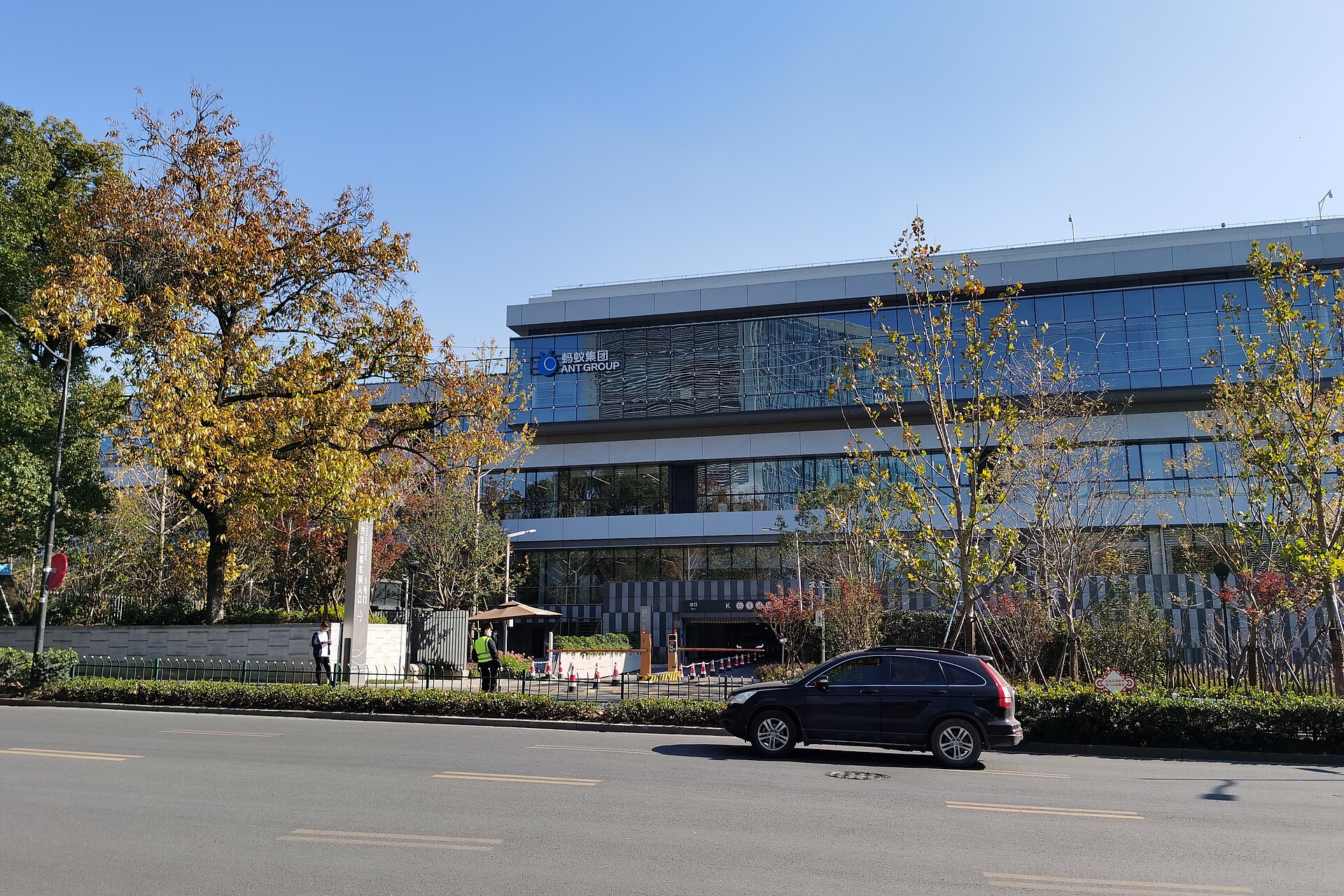
China's Ant Financial led all privately held firms with a value of roughly $150 billion after a $14 billion Series C round. ByteDance, the parent company of TikTok, was priced at $75 billion. Uber stood at $72 billion before its 2019 IPO. Didi Chuxing was worth $56 billion. WeWork, then valued at $20 billion, attempted an IPO in 2019 that failed, and SoftBank bailed it out at a fraction of that figure. JUUL Labs, valued at $15 billion in 2018, saw its worth plummet after FDA and FTC actions against youth vaping. Ant Financial's record price tag was effectively voided when Chinese regulators suspended its planned $34 billion dual IPO in November 2020.
This data covers the total number of billion-dollar startups in 2018, their combined worth, the top 10 by value, the geographic and sector breakdown, and the most active investors. It draws on the best available data from that year, before several high-profile IPOs and market corrections reshaped the landscape.

The Top 10 Most Valuable Private Companies in 2018
The most valuable billion-dollar startups in 2018 were concentrated in China and the United States. Ant Financial, the payments and financial services affiliate of Alibaba, was the largest at $150 billion. ByteDance, whose product TikTok was growing rapidly, followed at $75 billion. Uber, the ride-hailing giant, was valued at $72 billion. Didi Chuxing, China's ride-hailing leader, was at $56 billion. WeWork, the office-space company, was worth $20 billion. JUUL Labs, the e-cigarette maker, was valued at $15 billion. Other companies in the top 10 included SpaceX (roughly $21 billion), Airbnb (around $31 billion), and Palantir (around $20 billion), though exact figures for some depend on the funding round cited.
The top five alone accounted for more than $400 billion in combined worth. That concentration meant the fate of a handful of companies would determine the narrative around the entire startup class. As it turned out, most of them did not hold their peak private valuations.
Geography: The US and China Dominated
The Two-Headed Market
In 2018, the United States and China together hosted the vast majority of billion-dollar startups. The US had the most by count, with over 100 companies. China was second, with roughly 80 to 90. The remaining privately held giants were spread across Europe, India, Southeast Asia, and a handful of other markets. India had about 20, led by companies like Flipkart and Ola. Europe's count was around 40, with Britain, Germany, and Sweden each contributing several.
The SoftBank Factor
The geographic concentration mattered for investors. SoftBank's Vision Fund, a $100 billion vehicle, was the most aggressive backer of these companies in 2018 and invested heavily in both US and Chinese firms. The fund's strategy assumed that the largest markets would produce the biggest exits. That assumption held for some investments but failed for others, notably WeWork.
Sectors: Fintech, On-Demand, and AI Led the Way
Fintech Took the Largest Share
Fintech was the most represented sector among 2018's billion-dollar club, with companies like Ant Financial, Stripe, and Robinhood. On-demand services, including ride-hailing (Uber, Didi Chuxing), food delivery (DoorDash, Deliveroo), and office space (WeWork), formed the second-largest cluster. Artificial intelligence and machine learning companies, such as ByteDance and SenseTime, were a growing third group.
E-Commerce, Cybersecurity, and Health Tech
Other notable sectors included e-commerce (with companies like Wish and Coupang), cybersecurity (Palantir, CrowdStrike), and health tech. The diversity of sectors reflected a broad venture capital appetite for private companies that could scale quickly with technology. But the on-demand sector, in particular, was later revealed to have fragile unit economics at many of its largest names.
The Most Active Investors and the Growth Trend
SoftBank, Sequoia, and Tencent Led the Pack
SoftBank's Vision Fund was the most prolific backer of billion-dollar startups in 2018, with stakes in Uber, WeWork, ByteDance, and many others. Other active investors included Sequoia Capital, with investments in Airbnb, Stripe, and ByteDance, and Tencent, which held positions in Didi Chuxing, Snap, and a range of Chinese startups. These firms had portfolios that spanned geographies and sectors, and their willingness to write large checks helped drive valuations higher.
The Largest Single-Year Cohort to Date
The number of new companies crossing the $1 billion threshold in the 2017-2018 period was substantial. In 2017, about 80 companies joined the list. In 2018, that number was roughly 100, making it the largest single-year cohort to that date. By comparison, in 2013, the year Aileen Lee coined the term, there were only 39 such companies globally. The growth from 2013 to 2018 was driven by abundant venture capital, low interest rates, and a belief that private markets could sustain high valuations indefinitely. The subsequent years proved that belief was not always correct.
Key Facts
- Total unicorns globally in 2018: More than 250
- Most valuable unicorn: Ant Financial ($150 billion)
- Second most valuable: ByteDance ($75 billion)
- Most active investor: SoftBank Vision Fund ($100 billion fund)
- Top geography by count: United States (over 100)
- Top sector: Fintech
- New unicorns added in 2018: Approximately 100
Top 10 Most Valuable Unicorns in 2018
| Rank | Company | Valuation (approx.) | Country | Sector |
|---|---|---|---|---|
| 1 | Ant Financial | $150 billion | China | Fintech |
| 2 | ByteDance | $75 billion | China | AI / Media |
| 3 | Uber | $72 billion | United States | On-Demand |
| 4 | Didi Chuxing | $56 billion | China | On-Demand |
| 5 | Airbnb | $31 billion | United States | On-Demand |
| 6 | SpaceX | $21 billion | United States | Aerospace |
| 7 | WeWork | $20 billion | United States | On-Demand |
| 8 | Palantir | $20 billion | United States | Data Analytics |
| 9 | JUUL Labs | $15 billion | United States | Consumer |
| 10 | Stripe | $9 billion | United States | Fintech |
Frequently Asked Questions
What happened to the top unicorns from 2018?
Most went public or saw their valuations reset. Uber, Lyft, Pinterest, and Slack all IPO'd in 2019. WeWork's valuation collapsed from $47 billion to a bailout by SoftBank. JUUL Labs lost most of its value after regulatory crackdowns. Ant Financial's $150 billion valuation was voided when its IPO was suspended by Chinese regulators in November 2020.
How many unicorns were there in 2018?
More than 250 globally, with about 100 new entrants that year alone.
Which investor backed the most unicorns in 2018?
SoftBank's Vision Fund was the most aggressive, with major stakes in Uber, WeWork, ByteDance, and others.