In October 2018, Richard Branson stepped down as chairman of Virgin Hyperloop One, the startup he had backed less than a year earlier. The immediate trigger was a fatal Virgin Galactic spaceship accident that consumed Branson's attention and prompted the hyperloop board to ask him to step aside. Sultan Ahmed bin Sulayem of DP World, the Dubai ports operator that was the venture's largest investor, replaced him. Virgin Hyperloop One ultimately halted operations and dissolved in December 2023, having never launched a revenue service.
The exit marked the start of a wider unraveling. Branson's consumer-facing nameplate grew less relevant as the business pivoted from moving people to moving freight. Executives departed, and the business model never caught hold.

The Crash That Changed Everything
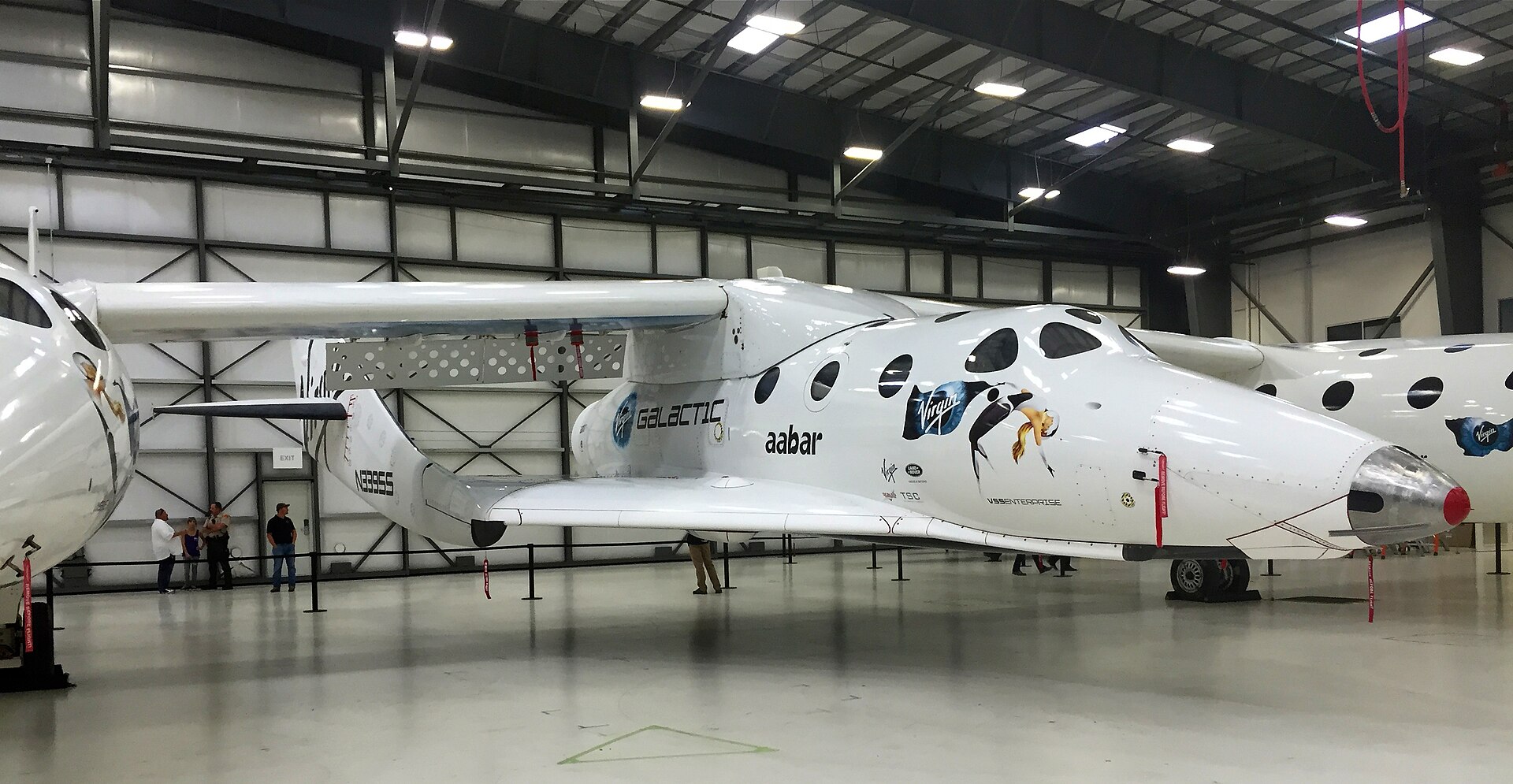
On October 31, 2014, Virgin Galactic's SpaceShipTwo VSS Enterprise disintegrated during a test flight over the Mojave Desert. Co-pilot Michael Alsbury died. The pilot survived with severe injuries. The accident triggered a protracted National Transportation Safety Board investigation and dominated Branson's focus for years.
Branson had backed Hyperloop One in October 2017 and became non-executive chairman that December. But by mid-2018, the board concluded that his absorption in the Virgin Galactic crash probe and the subsequent rebuilding of that program left him unable to give the hyperloop venture the attention it demanded. They asked him to leave the role. The decision was not hostile; it was practical. A chairman who cannot attend meetings or advocate effectively becomes a drag.
From Passenger Dreams to Cargo Reality
At the same moment, Virgin Hyperloop One was recasting its core strategy. The business had launched in 2014 as Hyperloop Technologies, later renamed Hyperloop One, and then Virgin Hyperloop One after Branson's investment. Its founding pitch: a pod carrying travelers through low-pressure tubes at airline speeds. In November 2020, the operation ran its first full-scale crewed test at its DevLoop track in Nevada, shuttling two employees in a pod for roughly 15 seconds.
DP World Takes Control
DP World had been a heavyweight backer from early days. The Dubai ports group led an $85 million funding round in 2016 and committed more capital in 2018. When Branson departed, DP World's chairman, Sultan Ahmed bin Sulayem, assumed the chairmanship. The signal was unmistakable: a logistics operator, not a consumer brand, would now steer the enterprise.
The Passenger Test That Came Too Late
Despite the pivot, Virgin Hyperloop One did eventually trial a crewed pod. In November 2020, the firm ran a demonstration at its DevLoop track in Nevada. The pod carried two occupants, both staff, over a short stretch at a restrained pace. The press hailed it as a milestone, but it also exposed the distance still to travel. The test track spanned less than a third of a mile. A revenue route would need to stretch hundreds.

Executive Departures and the Final Shutdown
In early 2022, Virgin Hyperloop One shed more than 100 staff and announced it was abandoning passenger transport entirely to focus on cargo. The cuts represented a large slice of the workforce. Several senior leaders exited around the same period. The venture had raised hundreds of millions of dollars over its lifetime but had never produced revenue from a paying operation.
What the Branson Episode Says About the Industry
Branson's exit did not cause the failure, but it was an early tremor. A business that must ask its chairman to leave because his other ventures distract him is a business without clear direction. The pivot from passengers to freight acknowledged that the original vision was not economically sound, and that pivot in turn eroded the Virgin nameplate's value.
The wider lesson: hype around a technology does not replace a business model. Hyperloop drew capital from Branson, DP World, and others, but it never solved the fundamental problems of cost, regulation, and demand. The story ended not with a breakthrough but with a quiet dissolution in 2023.
Key Facts
- Branson invested in Hyperloop One: October 2017
- Branson named non-executive chairman: December 2017
- Branson stepped down as chairman: October 2018
- VSS Enterprise crash: October 31, 2014 (killed co-pilot Michael Alsbury)
- New chairman: Sultan Ahmed bin Sulayem (DP World)
- Full-scale passenger test: November 2020 at DevLoop, Nevada
- Company laid off over 100 employees: Early 2022
- Company ceased operations: December 2023
Frequently Asked Questions
Why did Richard Branson step down as chairman of Virgin Hyperloop One?
The immediate catalyst was the fatal crash of Virgin Galactic's VSS Enterprise in 2014, which consumed Branson's attention. The board of Virgin Hyperloop One asked him to step aside because he could not devote sufficient time to the business. The strategic pivot from passenger transport to cargo also made his consumer-facing brand less relevant.
Who replaced Richard Branson as chairman of Virgin Hyperloop One?
Sultan Ahmed bin Sulayem, the chairman of DP World, replaced Branson as chairman in October 2018. DP World was the venture's largest investor.
Did Virgin Hyperloop One ever carry passengers?
Yes, the operation conducted its first full-scale crewed test in November 2020 at its DevLoop test track in Nevada. The test carried two employees for a short distance. The firm never launched a revenue passenger service.
What happened to Virgin Hyperloop One?
The business laid off over 100 employees in early 2022 and shifted its focus entirely to cargo. It ceased operations and shut down in December 2023.