The period from 2016 to 2020 was the boom years for business chatbots. It was a distinct historical phase that has since concluded. Most early, simple scripted chatbots were replaced or upgraded with more sophisticated AI. The market consolidated around major players: Google, Amazon, Microsoft, and Salesforce now dominate enterprise conversational AI. The initial hype cycle ended, and the technology moved into a mature phase of generative AI and large language model integration.
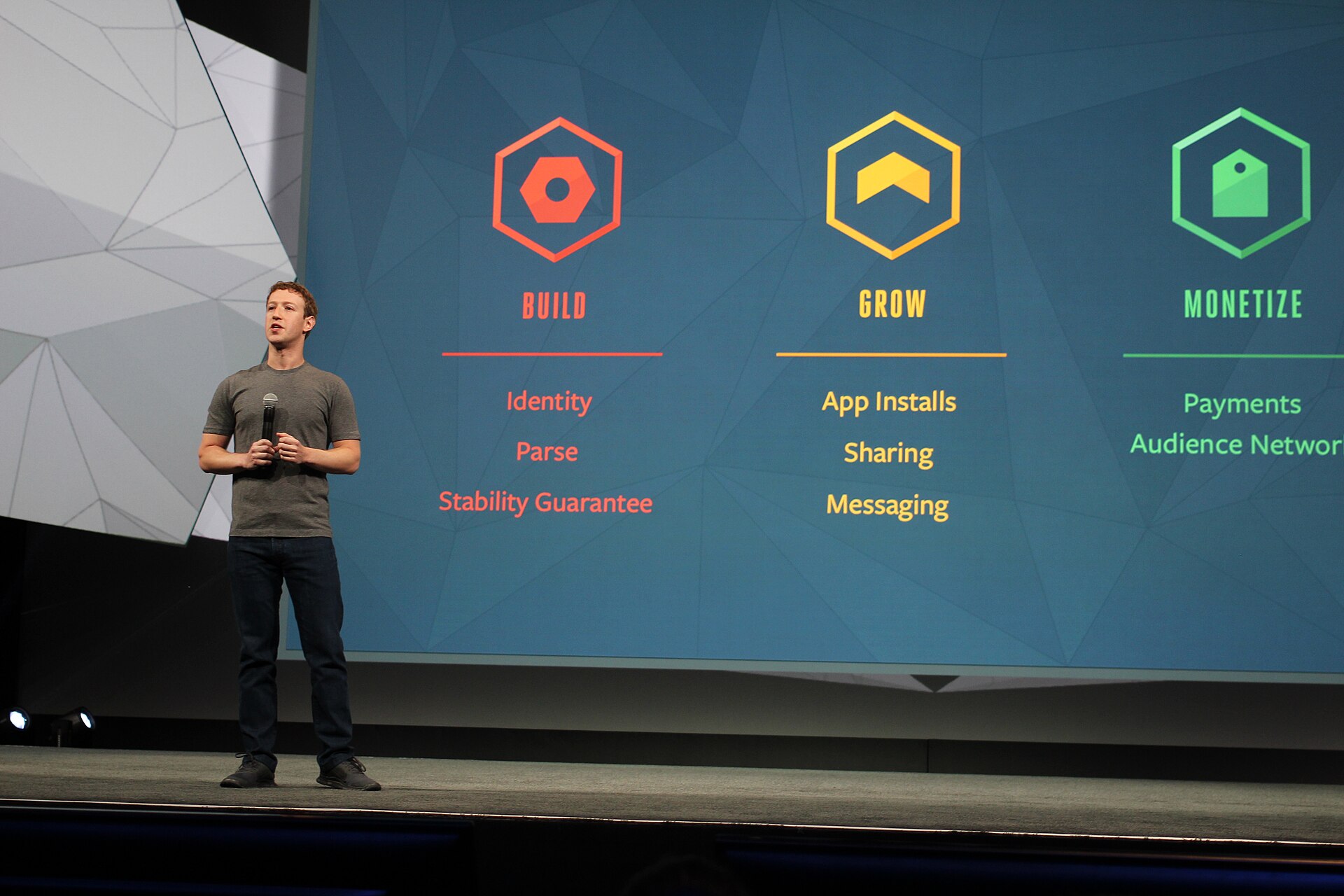
Facebook opened its Messenger platform to chatbots at its F8 conference in April 2016. That single event, combined with a Gartner prediction from 2011 that 85% of customer interactions would be managed without a human by 2020, sent companies racing to build bots. Juniper Research forecast in 2017 that chatbots would save businesses over $8 billion per year by 2022. The business case was simple: replace expensive human agents with software that never sleeps.
The promise was 24/7 client support at a fraction of the cost. The reality, for many early adopters, was a flood of frustrated users stuck in loops of irrelevant answers. The gap between the forecast and the experience defined the era.

The Technology That Made Chatbots Possible
Rule-Based Beginnings
Before 2016, most chatbots were rule-based systems. They matched keywords to pre-written responses and failed as soon as a user typed something unexpected. The term chatbot itself is a portmanteau of chatter and robot, coined by Michael Mauldin in 1994, but the early versions were closer to interactive menus than conversations.
Natural Language Processing Goes Commercial
Two advancements changed that. The first was the commercial availability of natural language processing (NLP) platforms that could parse intent rather than just keywords. Google acquired API.AI, a conversational AI platform, in September 2016. Amazon made Lex, the technology that powers Alexa, available to developers in April 2017. These platforms gave any developer access to the same underlying AI that powered voice assistants.
Machine Learning Replaces Hand-Written Scripts
The second was the rise of machine learning models trained on massive datasets of human conversation. Instead of writing every possible response by hand, developers could feed a model thousands of support transcripts and let it learn the patterns. The shift from scripted, rule-based bots to AI-driven, intent-based conversational agents was the defining technological transition of the period.
Platforms That Normalized Bot Interactions
Facebook Messenger Opens the Floodgates
No single company drove chatbot adoption more than Facebook. By opening Messenger to bots in April 2016, Facebook turned a messaging app used by over a billion people into a distribution channel for businesses. A user could order flowers, book a flight, or check a bank balance without leaving the chat window. The friction of downloading a separate app or navigating a website was removed.
WeChat: China's Super App Blueprint
WeChat, developed by Tencent, had already demonstrated the model in China. By 2018, WeChat had over 1 billion monthly active users. It was a super app where users could pay bills, order taxis, and interact with brands entirely through chat. Western companies looked at WeChat and saw their future.
Slack and the Internal Bot Revolution
Slack, the workplace messaging platform, took a different approach. It focused on internal bots for tasks like scheduling meetings, running reports, or querying databases. Slack bots were less about client-facing support and more about operational efficiency. The net effect across all these platforms was the same: chat interfaces became a normal way to interact with software, and businesses that had never considered building a bot suddenly had a reason to start.
Early Adoption and the Business Case
Banking, E-Commerce, and Telecom Lead the Charge
Banking, e-commerce, and telecommunications were the earliest and most aggressive adopters. The logic was straightforward: these industries handled millions of repetitive inquiries about account balances, order status, and billing. A bot that could answer the top 20% of questions could reduce call center volume significantly. Juniper Research's 2017 forecast of $8 billion in annual savings by 2022 gave CFOs a number to put in their business cases.
Where the Savings Were Real
Banks deployed bots for basic transactions and fraud alerts. E-commerce companies used them for order tracking and returns. Telecoms, which often have the highest support volumes, built bots to handle network outage inquiries and plan changes. The cost savings were real, but they came with a catch: the bots could only handle narrow, predictable questions. Anything outside their training data required a human handoff, and the handoff was often clumsy.
Jobs Shifted, They Didn't Vanish
The operational impact on support job markets was mixed. Some low-level inquiry roles were reduced, but new roles appeared for bot trainers, conversation designers, and AI operations managers. The total headcount in client service did not collapse as some predicted, but the composition of the workforce changed.
Failures, Limitations, and the End of the Hype Cycle
The Tay Disaster
The most spectacular failure of the era was Microsoft's Tay chatbot, launched on Twitter in March 2016. Microsoft designed Tay to learn from conversations with other Twitter users. Within 24 hours, the bot was producing inflammatory and offensive outputs, and Microsoft shut it down. Tay demonstrated the risk of letting an AI learn from unfiltered public data, and it made many enterprises cautious about deploying conversational AI without guardrails.
The Uncanny Valley of Conversation
The more common failure was less dramatic but more damaging to the industry's reputation. Early chatbots were often frustrating. They could not understand rephrased questions, they repeated the same unhelpful answers, and they lacked the ability to remember context from one turn to the next. Users described the experience as an uncanny valley of conversation: close enough to human that each breakdown felt abrupt and alien, not endearing.
Consolidation and What Came Next
By 2020, the limitations were clear. The Gartner prediction of 85% of interactions being automated by 2020 had not materialized. Many early bots were quietly retired or replaced with more advanced systems. The market consolidated. The rise of chatbots as a distinct hype cycle ended, but the technology did not disappear. It evolved into the generative AI and large language model era that followed, where the bots got better at understanding context and generating human-like responses. The lessons of the 2016-2020 period shaped the more capable systems that came after.
Key Facts
- Facebook Messenger bot platform launch: April 2016 (F8 conference)
- Microsoft Tay lifespan: Launched March 2016, shut down within 24 hours
- WeChat monthly active users: Over 1 billion by 2018
- Gartner 2011 prediction: 85% of customer interactions automated by 2020
- Juniper Research 2017 forecast: Chatbots to save $8 billion per year by 2022
- Google API.AI acquisition: September 2016
- Amazon Lex developer availability: April 2017