AirHelp is a for-profit claims agency that takes a cut of compensation European air travellers are owed when their trips are delayed, cancelled, or overbooked. Since 2013, the Berlin-based operation has processed millions of claims under EU Regulation EC 261/2004, a law that entitles passengers to fixed payouts set by the European Commission: €250, €400, or €600, depending on flight distance. Current rates are published on the Commission's transport site. AirHelp operates on a no win, no fee basis and typically keeps 35% to 50% of whatever it recovers.
The business exists because most people do not know they are entitled to compensation. Those who do often find the process of filing a claim against a carrier cumbersome. AirHelp automates the paperwork, handles legal escalation, and takes its fee only if it succeeds. In March 2016, the company raised $12 million in Series A funding from Khosla Ventures to expand its technology and geographic reach.

What EU Regulation EC 261/2004 Actually Grants Passengers
EU Regulation EC 261/2004 sets out a clear compensation scale. Travellers whose trips are cancelled, delayed by more than three hours upon arrival, or who are denied boarding are entitled to fixed amounts: €250 for flights of 1,500 kilometres or less, €400 for flights between 1,500 and 3,500 kilometres, and €600 for flights over 3,500 kilometres. These amounts are per passenger, not per booking. Carriers must also provide care such as meals and accommodation during the disruption.
The regulation applies to all flights departing from an EU airport, plus flights arriving in the EU on an EU carrier. It does not apply to flights operated by non-EU airlines arriving from outside the EU. Claimants must file within national limitation periods, which vary by country but are typically between two and six years.
Airlines can avoid paying if the disruption was caused by extraordinary circumstances, such as severe weather, air traffic control strikes, or security threats. What counts as extraordinary has been tested repeatedly in court. Technical faults with an aircraft have generally not been accepted as extraordinary by European courts, meaning airlines are liable for most mechanical issues.
Key Facts on AirHelp and EC 261
- Founded: 2013
- Founders: Henrik Zillmer, Nicolas Michaelsen, Greg Roodt
- Headquarters: Berlin, Germany
- Funding: $12 million Series A from Khosla Ventures (March 2016)
- Fee structure: No win, no fee; commission of 35% to 50% of recovered compensation
- Compensation amounts: €250, €400, or €600 per passenger depending on flight distance
- Legal basis: CJEU has ruled assignment of passenger claims to third parties is valid
How AirHelp Makes Money on Other People's Delays
AirHelp's business model is straightforward. A traveller enters their flight details on the AirHelp website or app. The company checks the flight against its database of airline performance and regulatory rules to assess whether a claim is likely to succeed. If it is, AirHelp handles the entire claims process: drafting legal letters, communicating with the carrier, and if necessary, taking the case to court or a national enforcement body.
The company charges a commission on whatever it recovers. Reported commission rates have ranged from 35% to 50% of the payout, depending on the complexity of the claim and the market. In some jurisdictions, AirHelp charges a fixed fee for simpler claims. The no win, no fee structure reduces the financial risk for travellers, who would otherwise have to navigate a process that airlines do not make easy.
Why Travellers Use AirHelp Instead of Filing Directly
Most people do not file claims directly. The process is time-consuming and airlines often reject valid claims in the hope that travellers will give up. AirHelp's automation and legal expertise improve the odds of recovery. The company says it has handled millions of claims, though it does not publish an audited total of compensation secured, as that figure changes frequently.
The Legal Basis: Why Airlines Cannot Ignore Third Party Claims
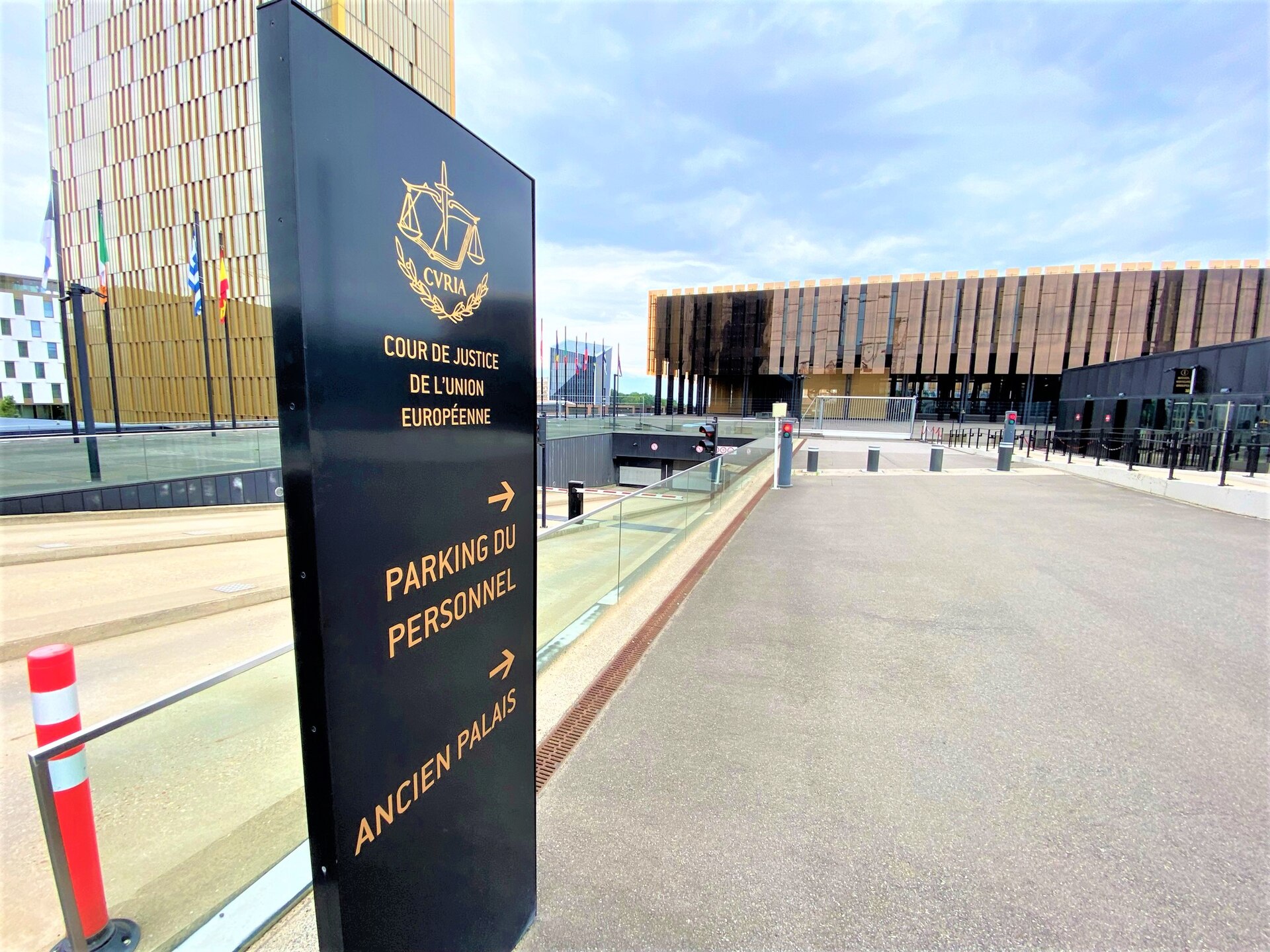
Airlines initially resisted paying compensation to third party agencies, arguing that the right to compensation was personal to the passenger and could not be transferred. The Court of Justice of the European Union rejected that argument. In multiple rulings, the CJEU held that the assignment of claims under EC 261 is legally valid. A passenger can sell or assign their claim to a company like AirHelp, and that company has the same legal standing to pursue the airline as the passenger would.
This legal clarity was essential for AirHelp's business model. Without it, airlines could refuse to deal with claims agencies and force passengers to pursue claims individually, which most would not do. The CJEU rulings effectively created a secondary market in passenger rights.
The rulings did not settle every detail. National courts in EU member states have discretion on procedural matters, such as limitation periods and the burden of proof. AirHelp must navigate different national implementations of the regulation.

Airline Opposition and Accusations of Speculative Claims
Ryanair and Lufthansa have been among the most vocal critics of claim agencies. Both have argued that companies like AirHelp encourage travellers to file claims for minor disruptions that would not have been pursued otherwise, burdening airline customer service teams and national courts with what they describe as speculative or even fraudulent claims.
Ryanair in particular has taken a confrontational approach. The airline has challenged claims in court and publicly accused claim agencies of inflating the number of valid claims by encouraging travellers to submit claims for situations where compensation is not legally due, such as delays caused by extraordinary circumstances. Lufthansa has similarly argued that the assignment of claims encourages a litigation culture around air travel.
These arguments have had limited success in court. The CJEU has not accepted the argument that the mere assignment of a claim is abusive, even if the assignee is a commercial entity. However, individual airlines have won cases where they proved a claim was fraudulent or where the passenger did not have a valid entitlement under the regulation.
Scale, Funding, and Geographic Expansion Beyond Europe
AirHelp was founded in 2013 by Henrik Zillmer, Nicolas Michaelsen, and Greg Roodt. The company is headquartered in Berlin. Its most notable funding round was a $12 million Series A in March 2016 led by Khosla Ventures, a prominent Silicon Valley venture firm known for early bets on technology companies. That investment allowed AirHelp to build its technology platform and expand into new markets.
The company has extended its services beyond EU Regulation EC 261. It now processes claims under Turkey's passenger rights regulations, which apply to flights within and from Turkey. It also handles claims under the Montreal Convention, an international treaty that governs compensation for lost baggage and, in some cases, delays on international flights outside the EU framework. This expansion allows AirHelp to serve travellers on routes where EC 261 does not apply.
As of January 2024, AirHelp's exact current revenue, profitability, and employee count were not publicly available. The company has not disclosed whether it has reached profitability. What is clear is that the agency model for passenger compensation has become a normal part of air travel in Europe, with multiple competitors operating alongside AirHelp and airlines grudgingly accepting that they must pay valid claims even when pursued by third parties.
Frequently Asked Questions
What is EU Regulation EC 261/2004?
It is a European Union regulation that establishes minimum compensation for air passengers whose flights are delayed by more than three hours, cancelled without sufficient notice, or who are denied boarding. Compensation ranges from €250 to €600 per passenger depending on flight distance.
How much does AirHelp charge?
AirHelp operates on a no win, no fee basis. It typically charges a commission of 35% to 50% of the compensation recovered. The exact percentage can vary by market and claim complexity.
Is it legal for AirHelp to file a claim on my behalf?
Yes. The Court of Justice of the European Union has ruled in multiple cases that the assignment of passenger claims to third parties is legally valid. Airlines must deal with assigned claims the same way they would deal with claims from the passenger directly.
Do airlines fight these claims?
Yes. Airlines including Ryanair and Lufthansa have been publicly critical of claim agencies. They have challenged claims in court and argued that such agencies encourage speculative or fraudulent claims. However, courts have largely upheld the validity of assigned claims.
Does AirHelp only handle EU claims?
No. AirHelp also processes claims under Turkey's passenger rights regulations and under the Montreal Convention for international flights. These cover routes where EU Regulation EC 261 does not apply.
\nRelated reading: EU GDPR: 8 Core Principles for Business.