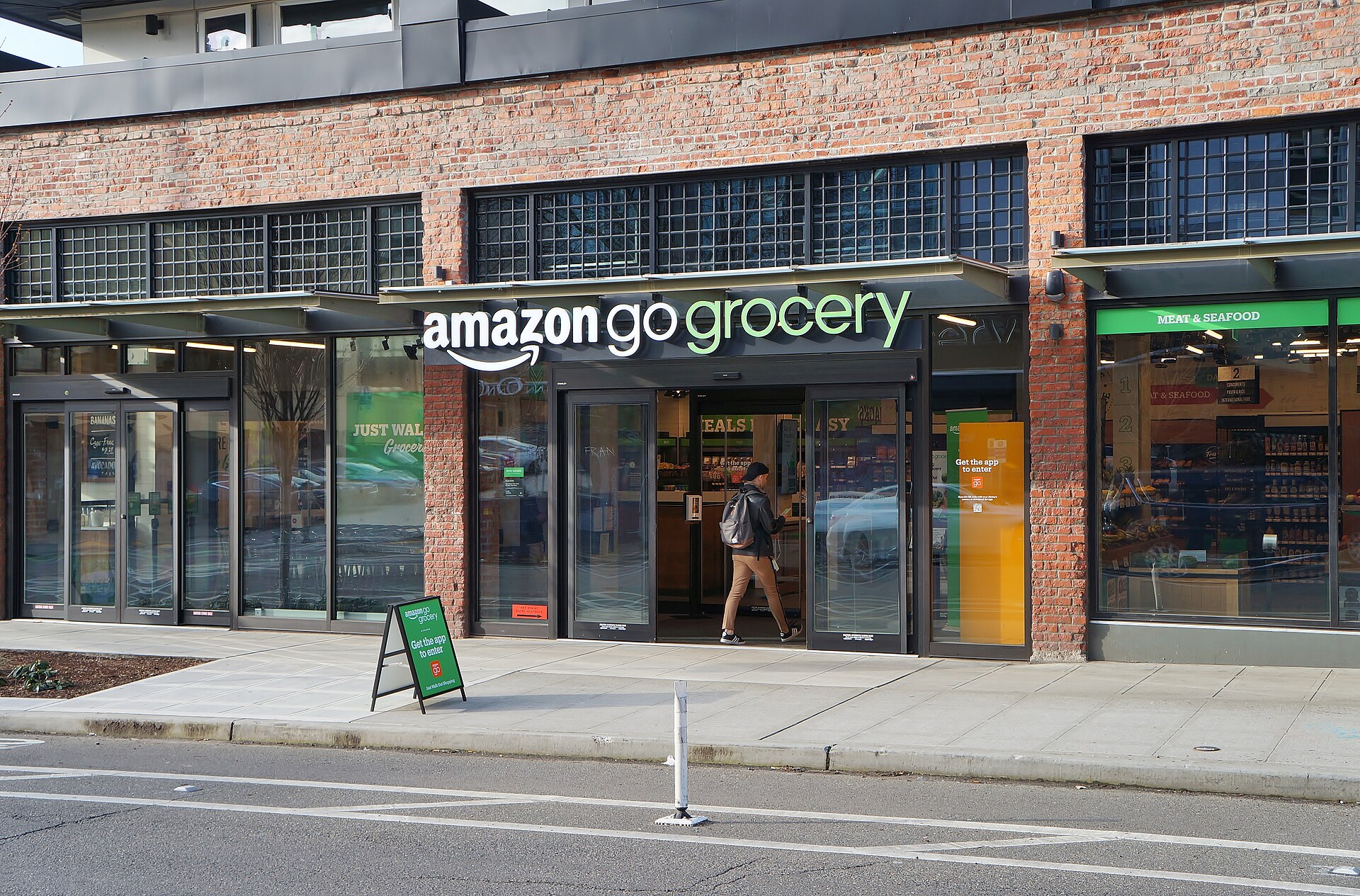
Amazon removed its Just Walk Out cashierless technology from Amazon Fresh grocery stores in the US in 2024, replacing it with smart shopping carts. The technology remains in use at Amazon Go convenience stores and some third-party locations in the UK. No major regulatory fines specifically targeting cashierless technology under GDPR were publicly issued as of mid-2024. Broader guidance on physical-characteristic data in retail has, however, tightened.
Amazon launched its first Amazon Go store to the public in Seattle in January 2018. The store used overhead cameras, weight sensors, and deep learning algorithms to track shoppers and the items they picked up. Customers walked out without queuing or scanning goods; their accounts were charged automatically. The system collected data on every movement a shopper made inside the store: which aisles they visited, how long they held a product, if they put it back. Privacy advocates and regulators immediately asked if that data amounted to biometric surveillance and if the collection was lawful under data protection rules that had just taken effect in Europe.
The GDPR came into force across the EU on 25 May 2018, four months after Amazon Go opened. The regulation treats biometric data as a special category requiring explicit permission. A narrow exemption apart, the rule is consent. Cashierless systems that use cameras to identify individuals or infer their characteristics could fall under that definition. The open question was whether tracking a shopper's body movements and location inside a store counted as physical-trait processing, or was simply anonymous behavior logging that could not be tied back to a specific person.

How cashierless systems collect personal data
The sensor stack
Amazon's Just Walk Out technology relies on ceiling-mounted cameras, shelf weight sensors, and computer vision models. The cameras track shoppers as they move through the store, associating each person with a virtual cart. When a shopper removes an item from a shelf, the weight sensor detects the change, and the camera system confirms which product was taken. Deep learning algorithms match the visual data to the store inventory and add the item to the cart. The system does not require a checkout because it knows who left with what.
What the system records
The data collected includes a shopper's path through the store, the time spent in each section, the order in which items were picked up, and whether any items were returned to the shelf. Amazon has stated that the system uses a temporary identifier rather than a permanent biometric template. The company also says it does not perform facial recognition. Privacy researchers have questioned that claim. They note that tracking a person across a store using body shape, gait, and clothing over multiple visits could still produce a behavioral profile functionally similar to biometric identification.
The identity anchor
For the system to work, the data must be linked to a payment method. Shoppers scan their Amazon app or a credit card at the entry gate. That link means the movement data is personally identifiable from the moment the shopper enters the store. Amazon has said it retains the data for a limited period and does not share it with third parties for marketing. Still, the technical architecture means a complete record of each visit exists. That record could be subpoenaed or breached.
Regulatory concerns and the biometric question
The CNIL signal
In 2020, the French data protection authority CNIL published an analysis on the data protection implications of cashierless stores. CNIL examined whether the technology could operate in a way that respected the GDPR's principles of data minimization and purpose limitation. The authority did not issue a formal ban. It did not levy a fine. But its analysis signaled that cashierless systems faced a high bar under European law if they handled physical-characteristic data without explicit permission.
The definition that matters
The core legal question is whether the camera data constitutes biometric data under Article 4(14) of the GDPR. That article defines biometric data as personal data resulting from specific technical processing relating to the physical, physiological, or behavioral characteristics of a natural person. The key phrase: "which allows or confirms the unique identification of that person." Amazon has argued that its system does not identify individuals by their face or fingerprint. Critics argue that tracking a shopper's height, gait, and silhouette over multiple visits creates a unique identifier even without facial recognition. The distinction matters. Processing physical-identifier data requires explicit consent or a specific legal exemption. Behavioral observation can sometimes rely on legitimate interest as a legal basis.
No definitive ruling
No European data protection authority has issued a definitive ruling on whether Just Walk Out style monitoring is biometric processing. The absence of a ruling has left retailers and technology providers in a zone of legal uncertainty. Some operators have chosen to deploy the technology only in jurisdictions where enforcement risk is lower. Others designed their systems to delete visual data immediately after the transaction is completed, keeping only aggregated statistics.
The legal basis for data processing
Legitimate interest, not consent
Companies deploying cashierless technology have generally claimed legitimate interest as the legal basis for handling customer movement data, rather than relying on consent. The legitimate interest argument holds that the processing is necessary to provide the checkout-free service that the customer has requested. Under the GDPR, a controller can use legitimate interest only if the processing is necessary for a purpose the data subject would reasonably expect. The data subject's rights must not override the controller's interest. The argument is stronger for one-time visitors than for repeat shoppers, because the system builds a history of behavior over time.
The consent trap
Consent would be a cleaner legal basis but is difficult to implement in practice. It must be freely given, specific, informed, and revocable. A shopper told they cannot enter the store unless they agree to camera monitoring may not be giving free consent. The problem sharpens in areas where cashierless stores are the only convenient option. The CNIL analysis noted that permission obtained through a "take it or leave it" gate mechanism is unlikely to meet the GDPR standard.
Retention and security
Data retention periods for Just Walk Out data have not been publicly specified by Amazon. The company has stated that it deletes camera data shortly after the transaction is complete. The precise retention window remains undisclosed. Security measures include encryption in transit, encryption at rest, and access controls that limit which employees can view the footage. The data is stored on Amazon Web Services infrastructure, which means it is subject to the same security controls and potential vulnerabilities as any cloud system.
Industry response and the retreat from cashierless
The April 2024 pullback
Amazon announced in April 2024 that it would remove Just Walk Out technology from its Amazon Fresh grocery stores in the US and replace it with Dash Carts, smart shopping carts that track items as they are placed inside. The company said the change was driven by customer feedback and operational complexity, not privacy concerns. The retreat undercut much of the surveillance commerce debate. If the largest operator of cashierless technology decided the system was not worth the cost, the privacy question became less urgent for regulators.
Go store closures
Amazon closed several Amazon Go stores in 2023: two in Seattle, two in New York City. The company had expanded the format aggressively after the 2018 launch. It found that the technology was expensive to install and maintain, and that customer adoption was lower than expected in larger store formats. The technology remains in use at Amazon Go convenience stores, which are smaller, have higher foot traffic per square foot, and at a handful of third-party locations in the UK. Those include some airports and stadiums.
Privacy engineering without legislation
Technology providers and retailers have responded to privacy criticisms by emphasizing that their systems do not use facial recognition. They stress that data is anonymized or deleted quickly. Some have adopted privacy-by-design principles. Examples include processing video on-device rather than sending it to the cloud, and using depth sensors that capture only the shape of a person's body, not their face. These measures reduce but do not eliminate the privacy risk. Any system that links a person to their movements inside a store creates a record that could be misused or breached. No legislation specifically banning cashierless retail technology has been enacted in any EU member state as of October 2024. The broader trend toward tighter regulation of physical-characteristic data in commercial settings continues.
Key facts
- First Amazon Go store opened: Seattle, January 2018
- GDPR in force: 25 May 2018
- CNIL analysis published: 2020
- Amazon Go store closures (2023): Two in Seattle, two in New York City
- Just Walk Out removed from Amazon Fresh (US): April 2024
- Replacement technology: Dash Carts (smart shopping carts)
- Major GDPR fines for cashierless tech: None publicly issued as of mid-2024
- Technology still in use: Amazon Go stores and some third-party UK locations
Cashierless technology: data collection and legal basis
| System component | Data collected | Potential legal basis under GDPR | Privacy risk level |
|---|---|---|---|
| Overhead cameras | Shopper movement, path through store, time in aisles | Legitimate interest (disputed) | High if linked to identity |
| Weight sensors | Items removed from and returned to shelves | Legitimate interest | Low when not combined with camera data |
| Deep learning algorithms | Behavioral patterns, purchase history over visits | Legitimate interest or consent | High for repeat shoppers |
| Entry gate scanner (app or card) | Payment method, account link to visit | Contractual necessity | Medium; enables full identification |
Frequently asked questions
Does Just Walk Out technology use facial recognition?
Amazon has stated that the system does not perform facial recognition. It uses overhead cameras and computer vision to track shoppers' movements, but the company says it does not create a biometric template of shoppers' faces.
Is cashierless technology banned in Europe?
No EU member state has enacted legislation specifically banning cashierless retail technology as of October 2024. However, the CNIL analysis in 2020 signaled that the technology faces a high bar under GDPR if it processes biometric data without explicit consent.
What data does a cashierless store collect about me?
The systems typically collect your path through the store, the time spent in each section, which items you pick up and put back, and your payment method. The data is linked to your identity through the account or card you use to enter.
Can I shop at a cashierless store without being tracked?
No. The system requires tracking to function. If you do not consent to the data collection, you cannot use the store. Privacy regulators have questioned whether this constitutes freely given consent under GDPR.
What happened to Amazon's cashierless stores?
Amazon removed Just Walk Out technology from its Amazon Fresh grocery stores in the US in April 2024, replacing it with Dash Carts. The company also closed several Amazon Go stores in 2023. The technology remains in use at remaining Amazon Go locations and some third-party sites in the UK.