Precision viticulture replaces thumb-in-the-soil judgment with real-time data from sensor networks. In practice, that means soil water probes, sap-flow sensors, weather stations, and multispectral cameras on drones or satellites. Adoption has been uneven, with the strongest uptake where water is regulated and labor is scarce. The outcome is not yet an industry transformation, but a set of measurable improvements in watering efficiency and harvest timing for growers who can afford the upfront cost.
California's Sustainable Groundwater Management Act (SGMA), passed in 2014, and the European Union's Water Framework Directive have pushed growers toward precise irrigation monitoring. LoRaWAN, a low-power wide-area networking protocol, has become the dominant connectivity solution because it can transmit small data packets over distances of up to 15 kilometers in rural areas without requiring cellular coverage. The European Space Agency and several national governments have funded satellite-based IoT connectivity trials for remote monitoring where even LoRaWAN does not reach.
Major companies including Cisco, Bosch, and Libelium have developed sensor platforms specifically for viticulture. The global precision agriculture market, which includes these tools, was valued at roughly 7 to 9 billion dollars in the early 2020s and was projected to grow at a compound annual rate above 10 percent.

What Sensors Measure and How the Data Flows
The Sensor Suite Below and Above Ground
Standard soil water sensors in vineyards include tensiometers, time-domain reflectometry (TDR) probes, and capacitance probes. These measure volumetric water content at different root-zone depths. Sap-flow sensors track how much water a vine is actually moving, which can differ from soil readings when disease or root damage is present. On-site weather stations record temperature, humidity, wind speed, and solar radiation. Multispectral cameras, carried by drones or satellites, generate Normalized Difference Vegetation Index (NDVI) imagery that maps vine vigor, identifies disease, and delineates management zones within a single vineyard block.
From Sensor to Dashboard
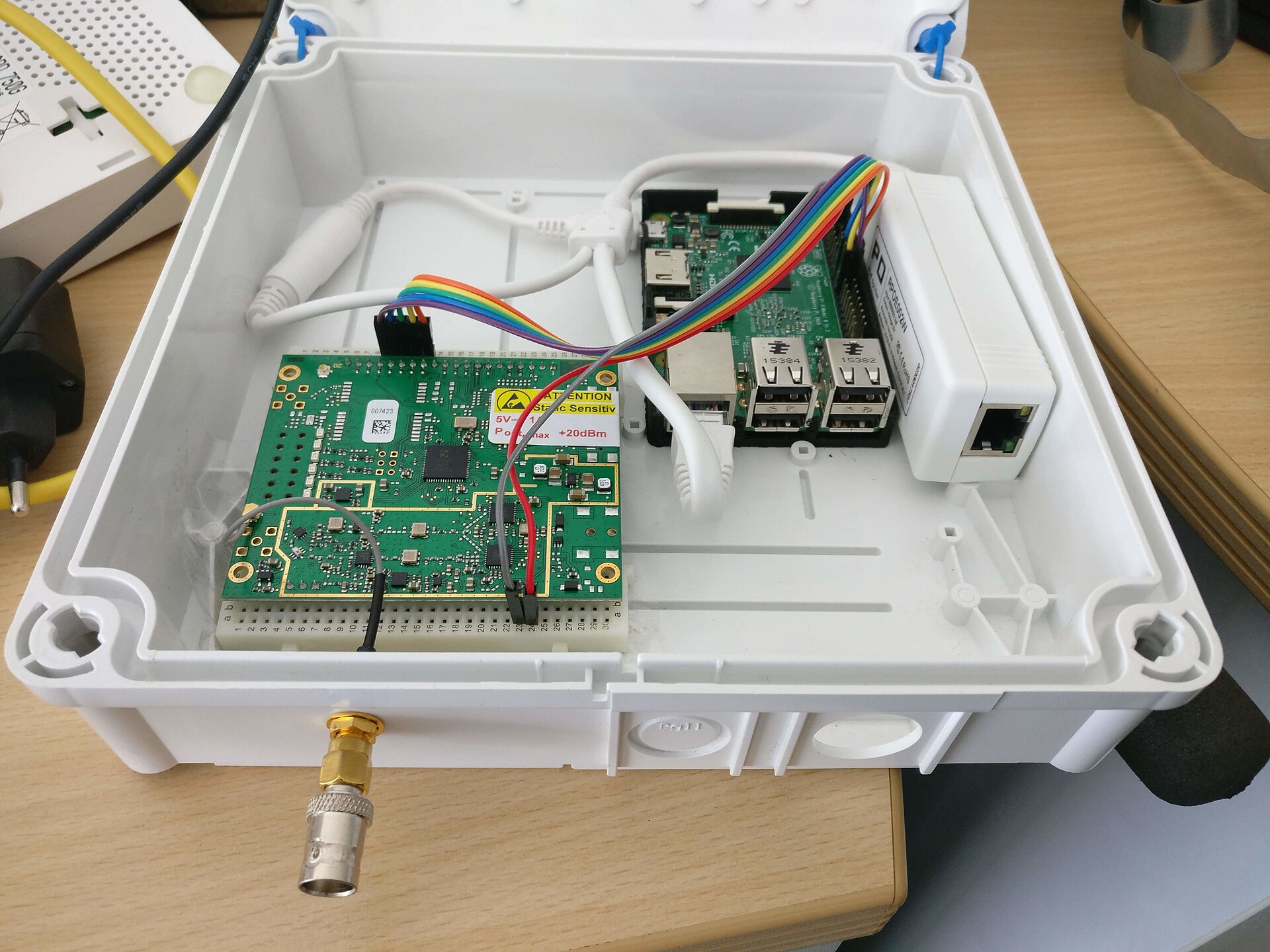
All of this data flows through a connectivity layer. In most commercial deployments, sensors transmit via the low-power wide-area protocol to a local gateway, which forwards the data to a cloud platform. Some estates in areas with no internet backhaul at all rely on satellite IoT links, though these remain more expensive and less common. Private 5G networks are not yet a standard solution; LoRaWAN and satellite remain more prevalent because of cost and power requirements.
The Software That Surfaces Actionable Alerts
The software layer that aggregates and visualizes the data includes general platforms like John Deere's MyJohnDeere Operations Center and Climate FieldView from The Climate Corporation, alongside dedicated viticulture platforms such as Deep Planet and Tule Technologies. These dashboards show a viticulturist which blocks are drying out faster, which zones are under stress, and when a vine's sap flow suggests it is time to irrigate or hold off.
Case Study: Symington Family Estates in the Douro Valley
Mapping Variability on Schist Slopes
Symington Family Estates, a Port wine producer in Portugal's Douro Valley, has published research on its use of precision viticulture technologies. The Douro is a steep, schist-soil region where water retention varies dramatically over short distances. Symington deployed soil water sensors and weather stations across its quintas, integrating the data into a vineyard management platform. The company has reported that the system allowed it to reduce irrigation water use by identifying which rows actually needed water, rather than irrigating entire blocks uniformly. The specific percentage of water savings has not been disclosed publicly, but the company has stated that the data changed both irrigation timing and the decision to irrigate at all during certain phenological stages.
Differential Canopy Management from NDVI
Symington also used NDVI imagery from drones to map vine vigor and adjust canopy management. The imagery revealed that some blocks previously treated as uniform management zones actually contained two or three distinct vigor levels. That insight led to differential pruning and leaf removal within the same block, which the company says improved the uniformity of grape ripening. The outcome was a more consistent berry size and sugar accumulation at harvest, factors that directly affect Port wine quality.
Compounding Adjustments Over Multiple Seasons
The case illustrates a common pattern in precision viticulture adoption: the technology rarely delivers a single dramatic saving, but it accumulates small, repeated adjustments that compound over multiple seasons.
Water Reporting, Certification, and the Cost of Entry
Regulatory Compliance and Voluntary Certification
IoT data is increasingly used for regulatory water-use reporting. In California, SGMA requires groundwater sustainability agencies to track extractions. Vineyards that deploy IoT-based monitoring can submit precise records rather than estimates, which reduces compliance risk. No government has yet mandated IoT-based reporting, but several agencies offer it as a voluntary compliance pathway that can simplify audits. For sustainability certifications, IoT data provides auditable proof of water-use efficiency and carbon-footprint reductions, though no certification body currently requires it.
The Upfront Investment and Payback Timeline
The cost structure for a mid-to-large estate is significant. A single soil water monitoring node with a LoRaWAN radio costs several hundred dollars, and a vineyard spanning dozens of hectares might need 20 to 40 nodes plus gateways, installation, and a software subscription. Total upfront cost for a comprehensive system can run into the tens of thousands of dollars. Return on investment depends on water pricing, labor savings from reduced manual scouting, and yield quality improvements. Growers who have published on their experience generally report a payback period of two to four seasons, though this is highly variable and depends on local water costs and the value of the grape crop.
A Small Slice of a Broad Market
One limitation is that the precision agriculture market valuation of 7 to 9 billion dollars includes all crops, not just grapes. Viticulture is a small slice, and the vendors who build dedicated wine-industry tools are still finding their footing.
Where IoT Still Falls Short in the Vineyard
Calibration Drift and Data Overload
The barriers to adoption are not just about cost. Sensor calibration drift is a recurring problem. A capacitance probe that reads soil water accurately in clay-loam may read differently in sandy soil, and the calibration curves shift as the sensor ages. Viticulturists who trust the numbers without periodic field validation can make irrigation decisions that harm the vine. Data overload is another issue. A vineyard with 40 sensors reporting every 15 minutes generates thousands of data points per day. Without a platform that surfaces only the actionable alerts, the information becomes noise. Interoperability standards are weak. A grower who buys Tule Technologies sap-flow sensors and a separate weather station from Davis Instruments may find that the two systems do not share data without custom integration work.
Connectivity Gaps in Remote Terrain
Connectivity remains a problem in the most remote growing regions. Even LoRaWAN requires a gateway within 15 kilometers, and some valleys in Portugal, California, and Australia have no line of sight to any gateway. Satellite IoT links exist but are more expensive and consume more power, which shortens battery life in the field. The European Space Agency has funded trials, but commercial satellite IoT service is not yet ubiquitous.
The Gap Between Data and Grape Quality
Finally, the link between IoT data and grape quality is not as direct as vendors claim. Brix, pH, and phenolic ripeness are influenced by many variables that sensors do not measure, including microbial activity in the soil and the vine's own hormonal signals. IoT can guide harvest timing, but it cannot replace the sensory judgment of an experienced winemaker. The technology is a tool, not a replacement.
Key Facts
- Primary connectivity protocol: LoRaWAN (Long Range Wide Area Network), range up to 10-15 km in rural areas
- Common soil sensors: Tensiometers, time-domain reflectometry (TDR) probes, capacitance probes
- Remote sensing tool: NDVI imagery from drones or satellites to map vine vigor
- Regulatory drivers: California SGMA (2014) and EU Water Framework Directive
- Market size (precision agriculture, early 2020s): USD 7-9 billion, CAGR >10%
- Named adopters: E. & J. Gallo Winery (CA), Treasury Wine Estates (Australia), Symington Family Estates (Portugal)
- Technology vendors with viticulture platforms: Cisco, Bosch, Libelium, Deep Planet, Tule Technologies
- Connectivity alternatives: Satellite IoT (ESA-funded trials), private 5G (not yet dominant)
IoT Sensor Types and Their Use in Vineyards
| Sensor Type | What It Measures | Decision It Supports |
|---|---|---|
| Tensiometer / TDR / Capacitance probe | Volumetric soil water content at root depth | Irrigation timing and amount per block |
| Sap-flow sensor | Water movement through vine trunk | Detect root stress, disease, or over-irrigation |
| Weather station | Temperature, humidity, wind, solar radiation | Frost alerts, evapotranspiration calculation, spray timing |
| Multispectral camera (drone/satellite) | NDVI, vine vigor, disease indicators | Canopy management, zone delineation, disease scouting |
Frequently Asked Questions
Do I need cellular coverage to use IoT in my vineyard?
No. Most vineyard IoT systems use LoRaWAN, which can transmit data over 10 to 15 kilometers without cellular service. In very remote areas, satellite IoT links are available but more expensive.
How much does a vineyard IoT system cost?
A comprehensive system for a mid-to-large vineyard can cost tens of thousands of dollars upfront, including sensors, gateways, installation, and software subscriptions. Payback is typically two to four seasons, depending on water costs and crop value.
Can IoT data replace a winemaker's judgment?
No. IoT data can guide irrigation, canopy management, and harvest timing, but grape quality depends on factors sensors do not measure, such as microbial activity and vine hormonal signals. The technology is a decision-support tool, not a replacement for sensory evaluation.
Which wineries are using this technology?
E. & J. Gallo Winery in California, Treasury Wine Estates in Australia, and Symington Family Estates in Portugal have all publicly discussed their precision viticulture deployments.
\nRelated reading: Cashierless stores: what happened to the privacy risk?.