Google Stadia launched on November 19, 2019 with the promise of a console-free future. It shut down on January 18, 2023, after Google refunded every hardware and software purchase. The cloud gaming market did not disappear. It consolidated around three survivors: Microsoft Xbox Cloud Gaming, Nvidia GeForce Now, and Amazon Luna.
The early hype collapsed. The pitch was simple: stream triple-A titles on a cheap laptop or phone. Infrastructure costs, latency physics, and business models that ignored how people actually buy and play games made that pitch unsustainable. Google spent heavily, building internal studios under Jade Raymond, then closed them on February 1, 2021. The platform pivoted to third-party titles only and went dark 18 months later. The refund program covered every controller, every game, and every subscription fee. A clean exit. It left one question hanging: could cloud gaming ever stand on its own?

Google Stadia: The Launch and the Shutdown
Stadia opened to the public on November 19, 2019. Players could stream Destiny 2 and Red Dead Redemption 2 without a console or a high-end PC. Google marketed it as a Netflix for games. The economics disagreed.
Streaming a single hour cost Google more in bandwidth than a subscription could recoup. Players needed a stable, low-latency connection. Many households lacked one. On February 1, 2021, Google closed its first-party studio network, Stadia Games and Entertainment. That erased the main reason to choose Stadia over a console: exclusive titles. Without them, Stadia became a storefront that demanded full-price purchases for streamed games. Players could not keep those games offline, nor if the platform shut down. The shutdown announcement landed on September 29, 2022. The lights went out on January 18, 2023.
The Stadia Controller: Hardware That Lost Its Purpose
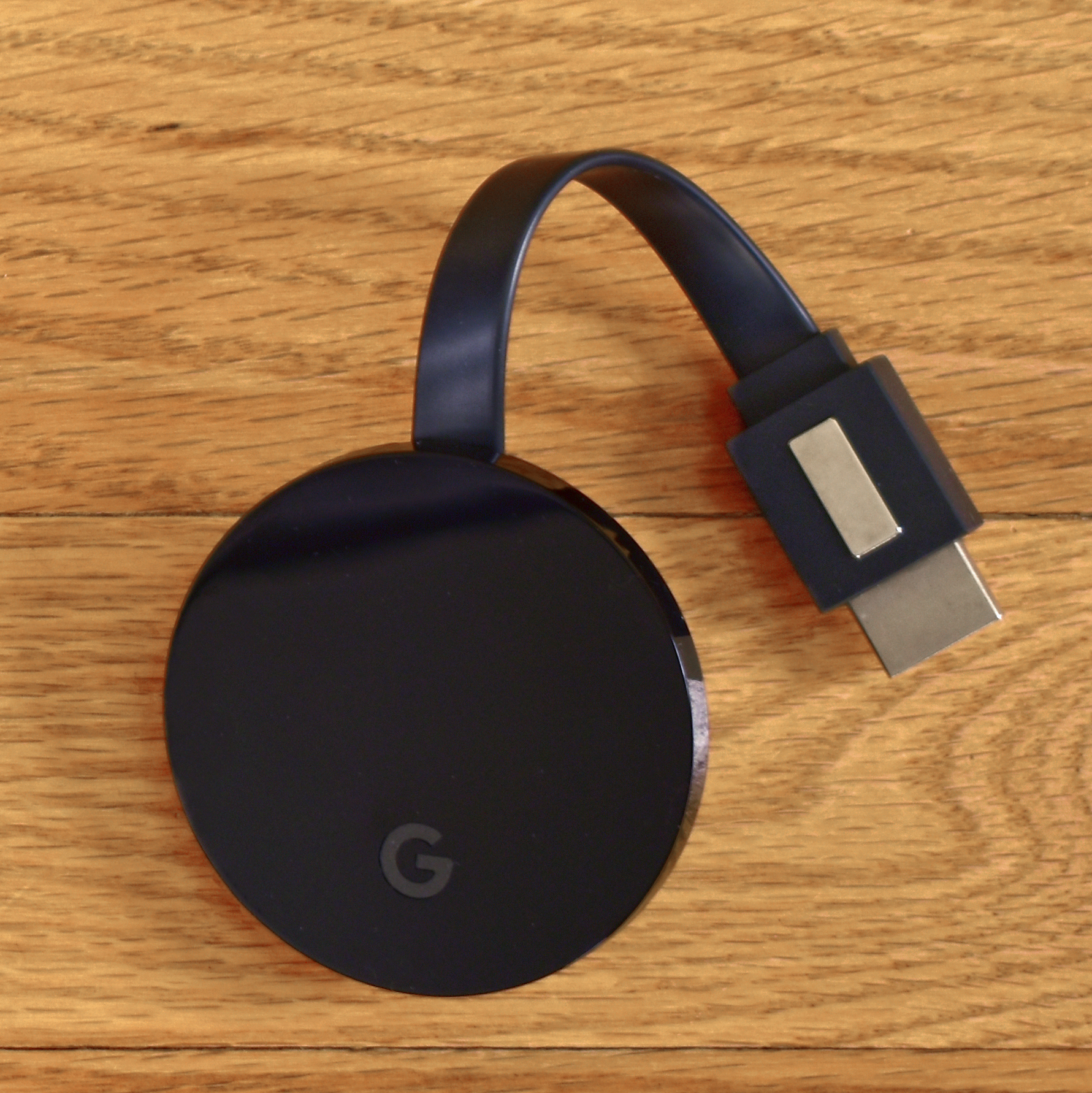
The Stadia controller was purpose-built cloud gear. It connected directly to Google's servers over Wi-Fi, bypassing the local device to cut input lag. Google sold it in multiple colors, often bundled with a Chromecast Ultra. After the shutdown, Google refunded every purchase. The device became a paperweight, though some users later repurposed it as a standard Bluetooth gamepad.
A warning no one else ignored
The controller's fate exposed a structural flaw. Cloud gaming asked players to buy equipment locked to one platform. When that platform vanished, the equipment lost its reason to exist. No competitor repeated the mistake. Nvidia GeForce Now and Microsoft Xbox Cloud Gaming let players use existing Xbox or PlayStation pads, or a keyboard and mouse. Amazon Luna shipped a Luna Controller with similar direct-to-cloud technology, but it also functioned as a standard Bluetooth gamepad after a firmware update. Amazon learned the lesson Stadia taught.
Amazon Luna: Late to Market, Cautious in Scope
Amazon Luna launched in the US on March 1, 2022, after an early-access period that began in October 2020. Amazon took a different path.
Channels, not a single subscription
Instead of one subscription, Luna offered channels: a Luna Plus channel for a monthly fee, plus separate channels for Ubisoft titles, family-friendly games, and retro content. Players could subscribe to one or several. The model spread content costs across publishers, shielding Amazon from bearing the full licensing burden alone.
Infrastructure as advantage
Luna ran on Amazon Web Services, giving it cost advantages Stadia never had. Amazon disclosed no subscriber figures, and the platform remained US-only as of January 2024. Luna survived where Stadia failed, but it never became a mass-market product. It settled into life as a modest add-on for Prime subscribers, not a console replacement.

Nvidia GeForce Now: The Hybrid Survivor
Nvidia GeForce Now exited beta and opened to the public on February 4, 2020. It did not sell games.
Stream the library you already own
Unlike Stadia and Luna, GeForce Now let players stream titles they already owned on Steam, Epic Games Store, or other PC storefronts. That removed the biggest adoption barrier: building a new library from scratch. If a player owned Cyberpunk 2077 on Steam, they could stream it without paying twice.
Publisher friction and premium performance
The model carried its own risk. Publishers could pull their catalogs at any time, and Activision Blizzard and others did exactly that shortly after launch. Nvidia had to renegotiate licensing agreements. But the core value proposition, stream the PC you already own, proved durable. Nvidia also invested in its RTX server hardware, delivering ray tracing and high frame rates that justified a premium tier. As of January 2024, GeForce Now remained the most technically capable cloud gaming option, though it demanded the strongest internet connection.
Microsoft Xbox Cloud Gaming: The Subscription Anchor
Microsoft launched Xbox Cloud Gaming, formerly Project xCloud, on September 15, 2020. It was not a standalone product.
Bundled, not separate
Microsoft folded it into Xbox Game Pass Ultimate, its existing subscription. That bundling solved two problems at once. Cloud streaming made Game Pass more valuable, giving Microsoft a reason to keep investing in the infrastructure. And players already paying for Game Pass had a reason to try streaming.
A feature, not a product
Microsoft never needed cloud gaming to turn a profit on its own. It needed it to keep people inside the Xbox ecosystem. Players could start a game on a console, continue on a phone, and finish on a PC. The cloud was a feature. That approach insulated Xbox Cloud Gaming from the unit economics that killed Stadia. As of January 2024, it was the most widely available cloud gaming platform, running on phones, tablets, browsers, and select Samsung smart TVs.
Latency, Bandwidth, and the Physics of Streaming
The technical challenge no company solved was latency.
The millisecond problem
Cloud gaming requires sending a player's input to a data center, rendering a frame, compressing it, sending it back, and displaying it. Every step adds milliseconds. For a turn-based game, the delay is invisible. For a competitive shooter or fighting game, it breaks the experience. Google claimed Stadia could deliver 60 frames per second with under 30 milliseconds of latency. That required fiber-optic internet and a data center within a few hundred miles.
The data cap ceiling
Bandwidth was the second constraint. Streaming at 1080p consumed roughly 15 to 20 gigabytes per hour. At 4K, closer to 25 gigabytes. Many home connections carried data caps. Streaming 40 hours a week could blow past a terabyte, triggering overage fees or throttling. These constraints never disappeared. They confined cloud gaming to a narrow slice of players with fast, uncapped connections. That slice was too small to sustain a standalone business at the scale Google attempted.