Patent filings for blockchain computing infrastructure cluster among a handful of firms that treated the technology as a platform, not a currency. Alibaba Group ranked as the single largest filer globally from 2017 through at least 2020, according to annual reports by patent analytics firms. IBM was a top filer for enterprise blockchain computing, concentrating on supply chain, cross-border payments, and secure data sharing. Bank of America holds hundreds of blockchain-related filings, primarily for financial services applications built on distributed ledger technology.
These portfolios matter because they cover the layers that make blockchains usable at scale: consensus algorithms, cryptographic security, off-chain computation, and hardware optimization. A patent for a Device and Method for Bitcoin Mining optimized with a hardware accelerator was assigned to Intel Corporation in November 2018. Intel held a significant portfolio of over 100 filings related to blockchain computing, including a key grant for energy-efficient Bitcoin mining awarded in 2018, which it later sold to a third party. The buyer and the financial terms are not public.
The most aggressive filer is nChain, a blockchain technology firm that has lodged thousands of applications globally. nChain has been involved in multiple high-profile litigations over those rights. The story of who holds the power in blockchain is not about who filed the most. It is about who can enforce them.

The technological categories seeing the most patent activity
Consensus mechanisms and off-chain scaling
Consensus mechanisms dominate because they determine how a blockchain secures itself absent a central authority. IBM and Alibaba filed heavily on Byzantine fault tolerance variants and proof-of-stake optimizations. Off-chain computation, including sharding and state channels, is the second large category, because scaling a blockchain without slowing it down requires splitting work across nodes while preserving security guarantees.
Cryptographic security and privacy
Cryptographic security forms a third cluster: zero-knowledge proofs, multi-party computation, and threshold signatures. These are not blockchain-specific technologies, but they became essential to privacy-preserving smart contracts and cross-chain bridges.
The physical computing layer
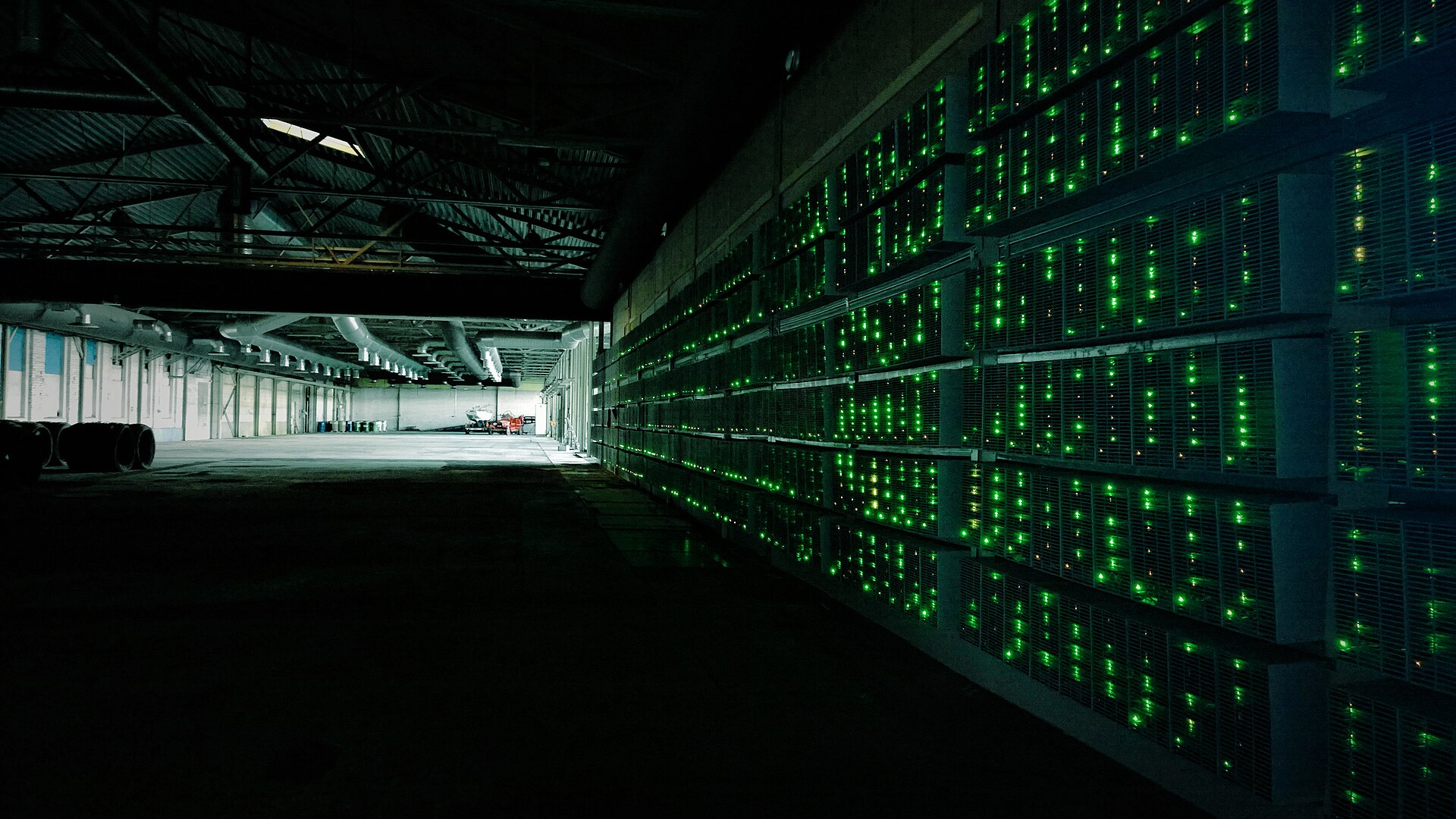
Intel's hardware accelerator patent sits in a fourth category that gets less attention: the physical computing layer. Mining rigs, specialized chips, and energy optimization filings are infrastructure rights that apply to any proof-of-work blockchain. Intel sold its portfolio after deciding not to compete directly in the mining chip market, but the rights still exist in the hands of an undisclosed third party. That buyer could be a non-practicing entity or a competitor. The market does not know.
The COPA model and the Craig Wright case
How the defensive pool works
In September 2020, Square (now Block, Inc.) launched the Cryptocurrency Open Patent Alliance, or COPA. COPA is a defensive pool. Participants agree not to assert their blockchain filings against one another, and they contribute to a shared library that can be used to countersue any entity that attacks a participant. The alliance was created specifically to prevent patent aggression from slowing down open-source blockchain development.
The UK courtroom test
The most significant test of the COPA model came in a UK courtroom. In February 2024, the UK High Court of Justice ruled that Craig Wright is not Satoshi Nakamoto. The trial was brought by COPA to stop Wright from enforcing database rights and patents on Bitcoin-related technology. Wright had claimed to be the inventor of Bitcoin and had used that claim to pursue copyright and patent assertions against developers and exchanges. The court's ruling stripped him of that authority. The filings Wright had lodged or acquired became much harder to enforce absent the claim of authorship behind them.
Non-practicing entities and the patent assertion threat
The NPE business model in blockchain
Non-practicing entities, or NPEs, hold rights but produce no products or services. They earn revenue by licensing intellectual property or by suing firms that allegedly infringe. In blockchain, the threat is real. nChain has thousands of filings and a history of litigation. It does not operate a blockchain network or a consumer product. It is a research and IP firm. Its business model depends on licensing and enforcement.
Chilling effects on startups and funding
The impact of NPEs on blockchain innovation is measurable. Startups building on open-source protocols cannot afford to defend themselves against a lawsuit that costs millions of dollars. Venture capitalists have cited patent risk as a reason to avoid investing in blockchain infrastructure firms. COPA was created specifically to address this. It gives participants a collective defense. But COPA only protects participants, and participation is voluntary. Entities like nChain are not part of it. The result is a two-tier system: firms inside the defensive pool can build free of litigation risk from each other, while those outside it face the full exposure.
Cloud providers and blockchain-as-a-service
Patents as a moat for managed services
Major cloud providers have used intellectual property to dominate the blockchain-as-a-service market. IBM, Alibaba, and Amazon all offer managed blockchain services that let enterprises deploy distributed ledgers without running their own nodes. The rights these providers hold cover the integration of blockchain with cloud infrastructure: how to sync nodes across data centers, how to manage identity and access, and how to encrypt data at rest and in transit on a ledger.
The strategic lock-in
The strategic value is clear. A company that wants to use blockchain for supply chain tracking can either build its own infrastructure and risk infringement, or it can buy a service from a provider that already holds the rights and licenses them as part of the service. The provider captures the value of the IP without needing to sue anyone. The customer gets a product that is legally safe to use. The barrier to entry for a new blockchain-as-a-service provider is that they would need to either license the same filings or design around them, which is expensive and slow.

The tension between open-source licensing and proprietary patents
When a license is not enough
Open-source blockchain protocols like Bitcoin and Ethereum were designed to be free to use, modify, and build on. Their licenses, such as the MIT License or the GNU General Public License, explicitly grant permission to copy and distribute the code. But a patent on the underlying technology can override that permission. A patent gives its owner the right to exclude others from making, using, or selling the patented invention, regardless of what the software license says.
Developer exposure and contributor pledges
This creates a fundamental tension. Developers building on Ethereum may be using patented consensus mechanisms unknowingly. If a rights holder decides to enforce, the developer cannot rely on the open-source license as a defense. The result is chilling. Some projects now include patent grants in their contributor agreements, promising not to assert claims against anyone who uses the project's code. But those grants only cover IP held by the project's contributors. They do not cover filings held by third parties like nChain or by firms that lodged applications before the project existed.
What the patent landscape means for the next decade
The race continues
The race in blockchain computing is not over. Alibaba and IBM continue to file. nChain continues to litigate. The COPA model provides a defensive option, but it is not comprehensive. The UK court ruling against Craig Wright removed one source of risk, but it did not invalidate the rights nChain holds. The outcome of the COPA trial was a legal victory for the alliance, but the underlying filings still exist.
The unknown buyer and the shadow over the industry
The most important development going forward may be the sale of Intel's portfolio. A portfolio of over 100 blockchain patents, including one for energy-efficient mining, is now in unknown hands. If the buyer is a patent assertion entity, the blockchain industry will face a new wave of litigation. If the buyer is a cloud provider or a consortium, the rights will be used defensively. As of May 2024, the buyer's identity and intent are not public. That uncertainty is itself a cost. It makes it harder for startups to raise money, harder for developers to build, and harder for the industry to grow with a legal shadow hanging over it.
Key facts
- COPA founded: September 2020 by Square (now Block, Inc.)
- UK court ruling on Craig Wright: February 2024, ruled Wright is not Satoshi Nakamoto
- Intel blockchain patent portfolio: Over 100 patents, including key mining patent awarded 2018, sold to third party
- Largest filer 2017-2020: Alibaba Group, according to patent analytics firms
- Key Intel patent: Device and Method for Bitcoin Mining with hardware accelerator, assigned November 2018
Major blockchain patent filers
| Company | Focus area | Notable patent category |
|---|---|---|
| Alibaba Group | Enterprise blockchain, supply chain | Consensus algorithms, off-chain computation |
| IBM | Enterprise blockchain, cross-border payments | Secure data sharing, Byzantine fault tolerance |
| Bank of America | Financial services on DLT | Distributed ledger applications |
| Intel | Hardware optimization, mining | Energy-efficient Bitcoin mining, hardware accelerators |
| nChain | Blockchain infrastructure, litigation | Cryptographic security, consensus mechanisms |
FAQ
What is COPA?
The Cryptocurrency Open Patent Alliance, launched by Square (now Block) in September 2020. It is a defensive pool whose participants agree not to assert blockchain filings against each other and contribute to a shared library for countersuits.
Why did the UK court ruling on Craig Wright matter for patents?
Wright had claimed to be Satoshi Nakamoto and used that claim to enforce database rights and patents on Bitcoin technology. The February 2024 ruling that he is not Satoshi removed his legal standing to enforce those rights.
Who holds the most blockchain patents?
Alibaba Group was the single largest filer from 2017 through at least 2020. nChain has lodged thousands globally. IBM and Bank of America hold hundreds. Exact current counts are not established here.