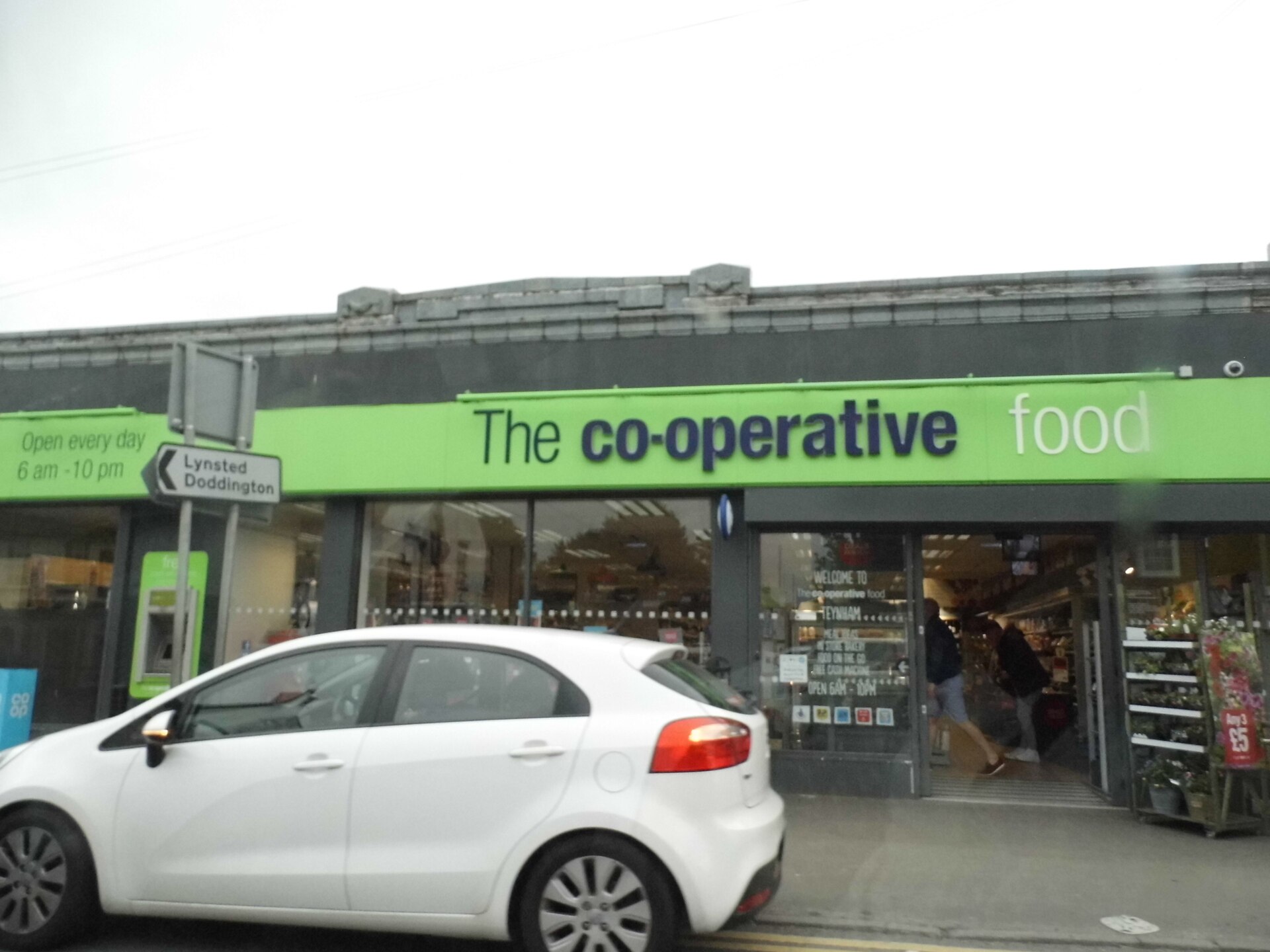
Co-op, the British grocer owned by millions of members rather than shareholders, is rolling out Microsoft Azure, Power BI and artificial intelligence tools across its 2,500 UK locations. The partnership is not about flashy in-store gadgets. It is about making a member-owned cooperative compete on data with publicly listed rivals.
In early 2024, Co-op began moving core operations to Microsoft's cloud platform. The goal is to solve two problems that have long plagued grocers: holding too much stock of items that do not sell and too little of items that do. Co-op also wants to give shop staff and head-office planners the same real-time view of what is happening on shelves.
The stack includes Azure for computing and storage, Power BI for dashboards and analytics, and AI models that forecast demand. Co-op is not the first grocer to use these tools, but it may be the first to deploy them at this scale while keeping a cooperative governance model intact. The outcome, as of mid-2024, is a partial rollout across several hundred sites, with plans to reach the full estate by 2026.

The Business Problems Co-op Is Solving
Co-op operates a dense network of convenience outlets, many in urban locations where space is tight and customer expectations are high. A shop that stocks 3,000 SKUs has no room for slow movers. Yet for years, Co-op's supply chain relied on periodic manual orders and historical averages. Store managers would guess what to reorder, and head office would push promotions that did not account for local demand.
Waste and Missed Sales
The result was predictable. Perishable goods were thrown away. Best sellers ran out on Friday evenings. Co-op's own data showed that a typical location lost a few thousand pounds a year in wasted stock and another few thousand in missed sales. The margin on a basket of groceries is thin enough that these losses mattered.
Microsoft's stack is designed to replace guesswork with prediction. Azure hosts a data lake that ingests point-of-sale data, weather forecasts, local events and historical patterns. Power BI surfaces that data to store managers on tablets. AI models suggest order quantities for each product in each location, updated daily.
The Specific Technologies Co-op Is Deploying
Co-op is using three Microsoft platforms as the foundation of its transformation.
Microsoft Azure
Azure provides the cloud infrastructure. Co-op moved its core data warehouse and transactional systems to Azure in phases. The shift allows the grocer to scale computing power up and down with demand, which matters during seasonal peaks. Azure also hosts the machine learning models that power demand forecasting.
Microsoft Power BI
Power BI is the front end for store and supply chain staff. Dashboards show each location's sales, waste and stock levels in near real time. A manager can see that a particular sandwich line is selling 40 percent faster than forecast and adjust the next delivery order from a tablet. Before Power BI, that manager would have waited for a weekly report emailed from head office.
AI and Machine Learning
The AI layer sits on top of Azure and Power BI. Co-op trained models on years of transaction data to predict demand for every product in every outlet. The models incorporate external factors such as weather, school holidays and local events. The system generates order suggestions that store managers can accept or override. Over time, the models learn from those overrides.
How the Technology Changes Store Operations
The most visible change for shop staff is the tablet dashboard. Each location receives a Microsoft Surface device loaded with Power BI reports tailored to that site. The dashboard shows which items are selling faster than expected and which are at risk of expiring. Staff can mark items for markdown directly from the tablet.
Behind the scenes, the AI models are changing how Co-op's supply chain works. Instead of a single national forecast, Co-op now generates a forecast for each outlet. A shop in a student area near a university gets more instant noodles and less premium cheese than one in a suburban residential area. The system also adjusts for day of week. A site near a train station sees higher demand for sandwiches on weekdays and lower demand on Sundays.
The tools also affect the back of house. Delivery trucks are loaded based on the AI's predictions. Co-op has reduced the number of items that arrive at a store and immediately go to waste. Shop staff spend less time checking in deliveries and more time on the shop floor.
Data and Analytics as a Competitive Tool
Co-op's member-owned model gives it a data advantage that the platform is built to activate. The grocer knows who its members are, where they live, what they buy and how often they visit. That data is not available to publicly traded competitors in the same depth, because Co-op's members are also its owners.
Power BI and Azure allow Co-op to analyse this data at scale. The analytics team can segment members by shopping behaviour and tailor promotions. A member who buys baby formula and nappies receives offers on baby wipes and snacks. A member who buys only meal deals gets a different set of offers. The system runs these campaigns automatically, without requiring manual effort from shop staff.
Co-op also uses the data to improve store layouts. Sales data from Power BI shows which products are frequently bought together. The merchandising team can place those items near each other. In a small convenience shop, every inch of shelf space matters, and better adjacency can lift basket size by a few percent.
How the Partnership Fits Co-op's Long-Term Strategy
Co-op has positioned itself as a community retailer, not a discounter. Its strategy depends on being the most convenient option for a quick top-up shop, not the cheapest place for a weekly trolley load. That strategy works only if the right products are on the shelf when a customer walks in.
The Microsoft partnership is a bet that digital tools can deliver that reliability without sacrificing the cooperative's values. Co-op is not using the platforms to cut staff or automate jobs. It is using them to give staff better information so they can make faster decisions. The cooperative model means that any efficiency gains flow back to members in the form of better prices or higher dividends.
Co-op has also invested in training. Store managers attend workshops on using Power BI. Supply chain planners learn how to interpret the AI forecasts. The company has created a small data science team that works directly with store operations, not in a separate office. The goal is to embed data thinking into every level of the business.
Timeline, Scale and What Comes Next
Co-op began the rollout in early 2024 with a pilot across a small cluster of shops. By mid-2024, the system had expanded to several hundred locations. The company plans to reach all 2,500 sites by 2026. Each one gets the same core setup: a tablet, Power BI dashboards and AI-generated order suggestions.
The early results, as reported by Co-op in mid-2024, include a reduction in food waste and fewer stockouts on high-demand items. Co-op has not published exact percentages, but the company has described the improvements as meaningful enough to justify expanding the rollout. The next phase will add more AI capabilities, including dynamic pricing for items close to their sell-by date.
The partnership with Microsoft is not exclusive. Co-op uses other vendors for in-store systems and logistics. But the cloud and analytics backbone is now Microsoft. For other grocers considering a similar move, Co-op's experience suggests that the tools work, but the real challenge is changing how shop staff and planners think about data.