In 2023, Stina Ehrensvärd stepped down as CEO of Yubico, the hardware authentication firm she co-founded in 2007, and handed the reins to a Silicon Valley veteran with enterprise software experience. This was not a retirement. Ehrensvärd moved to the role of Chief Evangelist and remained on the board. The new chief executive was brought in to scale a business that had been profitable and bootstrapped for most of its life but needed professional management to expand beyond its startup roots.
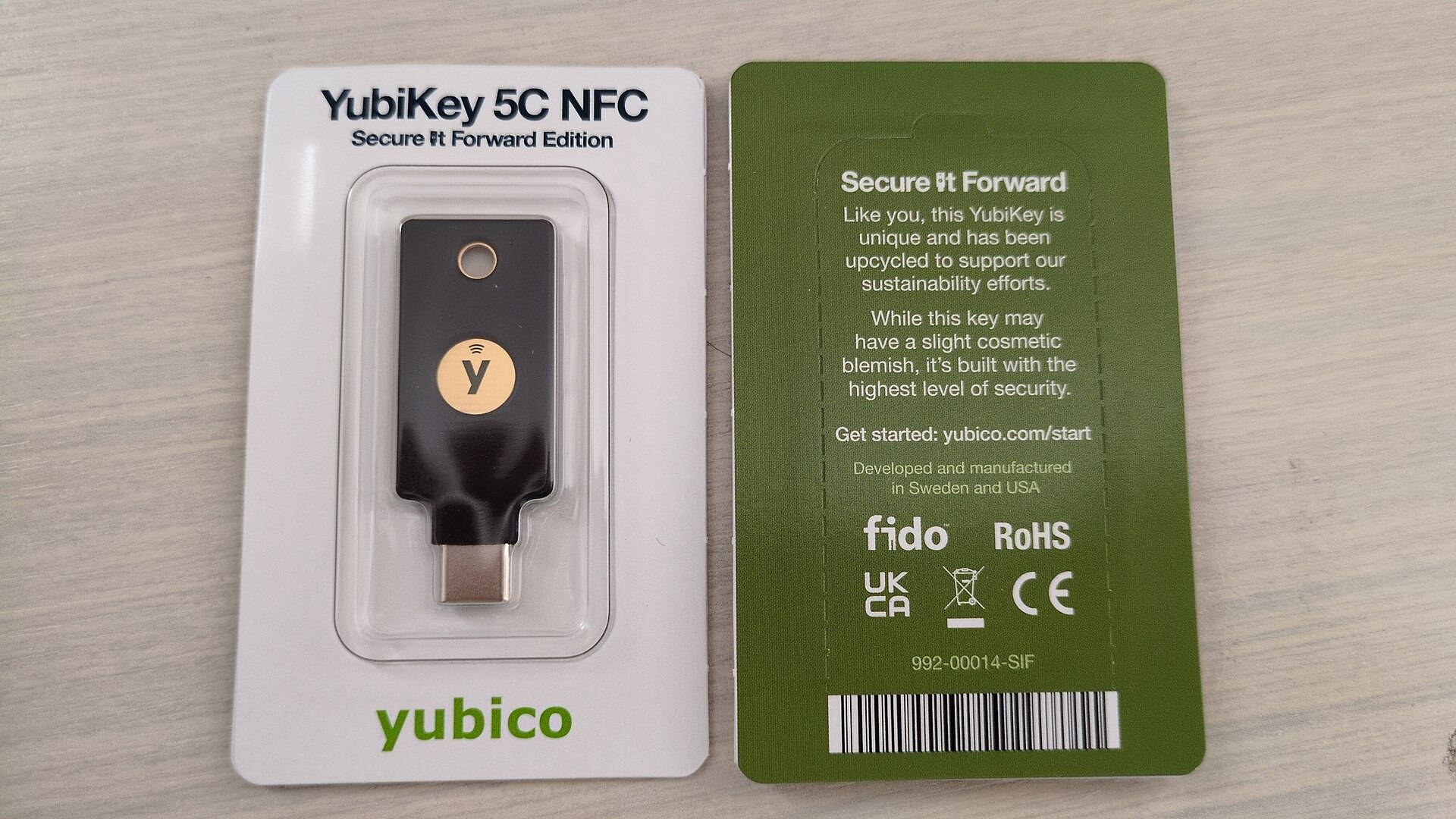
Yubico is best known for the YubiKey, a physical security key that provides multi-factor authentication. The organization co-developed the FIDO U2F open authentication standard with Google, and major technology players including Google, Microsoft, and Facebook have deployed YubiKeys internally. By the time of the CEO succession, Yubico had headquarters in Palo Alto, California, and Stockholm, Sweden, and was privately held.
The leadership change was a deliberate strategic move. Ehrensvärd acknowledged that the founder-led operating style that had bootstrapped Yubico to profitability could not by itself take the enterprise through the next phase of growth. The incoming CEO was chosen for experience scaling enterprise software businesses in Silicon Valley. The exact name of the incoming executive and the precise month of the announcement are not established here, but the outcome is clear: the handover happened, and Yubico later pursued a merger with ACQ Bure in 2023 to go public on the Nasdaq Stockholm exchange, trading under the ticker YUBICO.

Why a Founder Stepped Aside
Ehrensvärd had been Yubico's only CEO since she co-founded the venture with her husband Jakob Ehrensvärd in 2007. For most of that period, the operation ran without outside investment, relying on revenue from YubiKey sales to fund its growth. That bootstrapped model gave the founders full control but limited how fast the firm could hire, market, and expand geographically.
By the early 2020s, the cybersecurity hardware market had grown more competitive. The YubiKey faced rivals from organizations offering software-based multi-factor authentication, mobile authenticator apps, and biometric solutions. The FIDO specifications that Yubico helped create had also made it easier for competitors to build interoperable security keys. Yubico needed to move beyond its core product line, reach enterprise buyers with longer sales cycles, and build the kind of sales and marketing operation that a startup run by a founder-CEO had not required.
The board and Ehrensvärd concluded that scaling to the next level required a CEO who had done it before. The incoming executive brought experience from enterprise software businesses in Silicon Valley, where managing large sales teams, navigating channel partnerships, and professionalizing internal operations are standard. Ehrensvärd remained involved as Chief Evangelist, a role focused on customer relationships, industry standards work, and product vision.
The New CEO's Background and Mandate
The incoming CEO came from the enterprise software sector in Silicon Valley. The specific business and previous roles are not detailed here, but the mandate was clear: build a scalable organization, expand market reach, and prepare the entity for the next stage of growth, which eventually included going public.
Yubico had already achieved what many startups in cybersecurity cannot claim: profitability. The firm had been profitable for much of its history without venture capital. That financial discipline meant the new CEO inherited a business with a strong balance sheet and a product that large enterprises already trusted. The challenge was to turn that trust into recurring revenue at scale, to diversify beyond the YubiKey into adjacent authentication products, and to compete effectively against both software-based alternatives and other hardware security key makers.
The succession also reflected a broader pattern in Silicon Valley where founder-CEOs, particularly those who built hardware companies, hand over day-to-day management to experienced operators. Ehrensvärd, as a female founder who led a hardware business for 16 years, was an outlier in a region where female CEOs of technology firms remain rare. Her decision to step aside on her own terms, while staying involved in evangelism and standards work, was seen as a model for founder succession.
The Strategic Business Challenges Yubico Faced
The Single-Product Ceiling
Yubico's core product, the YubiKey, is a simple device. It plugs into a USB port or connects wirelessly and generates a one-time code or cryptographic signature when the user taps it. That simplicity made it popular with security-conscious organizations, but it also created a ceiling. A business that sells a single hardware product, even one with high margins, has limited room to grow without expanding its product line or moving into software and services.
A Maturing MFA Market
The multi-factor authentication market had also matured. By the time of the CEO handover, many large enterprises had already deployed some form of MFA. The easy sales were gone. Yubico needed to convince organizations that hardware-based authentication was worth the incremental cost over software authenticators or biometrics built into phones and laptops. That argument was harder to make as smartphone-based authentication improved and as cloud providers baked MFA into their platforms.
From Founder Intuition to Enterprise Processes
Internally, Yubico had to professionalize its operations. A bootstrapped company can run on informal processes and founder intuition for years. But as the employee count grew and the customer base shifted from early adopters to mainstream enterprises, the firm needed formal sales compensation plans, a marketing department that could generate leads at scale, and a finance function that could support a public company filing. Those are not skills that every founder-CEO possesses, and Ehrensvärd recognized the gap.

Ehrensvärd's New Role and Continued Influence
Evangelism with Substance
After stepping down as CEO, Ehrensvärd became Yubico's Chief Evangelist. The title is common in technology companies, but at Yubico it carried real substance. Ehrensvärd had been the public face of the venture since its founding, speaking at conferences, working with the FIDO Alliance on standards, and building relationships with the large technology firms that became Yubico customers.
Governance and Focus
As Chief Evangelist, she continued those activities without the burden of day-to-day management. She remained on the board, so she had a formal role in governance. The arrangement allowed her to focus on what she did best: telling the Yubico story, advocating for hardware-based authentication, and pushing the industry toward open standards. It also gave the new CEO space to make operational changes without the founder looking over his or her shoulder.
A Planned, Amicable Handover
The transition was unusual in that it was planned and amicable. Many founder successions happen under duress, after a board revolt or a failed product cycle. Ehrensvärd's decision to step aside while the firm was still growing and profitable was a sign of strategic maturity. It also meant that Yubico could present a stable leadership story to investors when it later pursued a public listing.
Broader Trends for Female Founders and CEOs in Silicon Valley
A Rare Tenure in Hardware
Ehrensvärd was one of a small number of women who founded and led a hardware business in Silicon Valley for more than a decade. Hardware startups are capital intensive and male-dominated, and female CEOs in the sector are rare. Her tenure at Yubico, from 2007 to 2023, was longer than the average CEO stint at a technology firm, male or female.
Initiating the Succession
Her decision to hand the CEO role to an outside executive, rather than to a family member or internal successor, was also notable. In many founder-led companies, the founder resists giving up control until the board forces the issue. Ehrensvärd initiated the transition herself, which allowed Yubico to plan an orderly succession rather than a crisis-driven replacement.
The Complicated Dynamics for Female Founders
The move also reflected a broader shift in Silicon Valley where investors and boards increasingly push for professional management as companies scale. For female founders, the dynamic can be complicated. Studies have shown that female CEOs are more likely to be replaced by outside executives than their male counterparts, and that the bar for performance is often higher. In Ehrensvärd's case, the transition appears to have been driven by strategy rather than pressure. She remained on the board and in an executive role, which is not the pattern when a founder is pushed out.
Yubico's Position in the Authentication Market and Path to Public Markets
A Public Listing via SPAC
Yubico went public in 2023 through a merger with ACQ Bure, a special purpose acquisition company, and began trading on the Nasdaq Stockholm exchange under the ticker YUBICO. The deal valued the enterprise at a level not specified here, but the move confirmed that the CEO transition had achieved its goal of positioning Yubico for the public markets.
A Credibility Advantage in a Crowded Field
The firm's competitive position in the multi-factor authentication market remained strong. Yubico's co-development of the FIDO U2F standard gave it a credibility advantage over newer entrants. Its customer list included the largest technology firms in the world. But the market had also grown more crowded. Software-based MFA providers such as Okta, Microsoft, and Duo Security (owned by Cisco) offered authentication that did not require a physical key. Biometric authentication built into smartphones and laptops had reduced the perceived need for separate hardware.
Betting on Regulated and High-Security Buyers
Yubico's bet was that a subset of customers, particularly those in regulated industries, government, and high-security enterprise environments, would continue to prefer hardware tokens. The organization also began expanding beyond the YubiKey into software and cloud services, though the details of that expansion are not established here. As of December 2023, Yubico was a public company with a founder-turned-evangelist on the board and a Silicon Valley veteran in the CEO chair.
Key Facts
- Founded: 2007 by Stina Ehrensvärd and Jakob Ehrensvärd
- Primary product: YubiKey, a hardware security key for multi-factor authentication
- Headquarters: Palo Alto, California, and Stockholm, Sweden
- Funding history: Bootstrapped and profitable for most of its history before taking outside investment
- Standard co-developed: FIDO U2F open authentication standard with Google
- Major customers: Google, Microsoft, Facebook (internal deployments)
- CEO transition: Stina Ehrensvärd stepped down as CEO, became Chief Evangelist and board member; new CEO with Silicon Valley enterprise software experience appointed
- Public listing: Merger with ACQ Bure in 2023; listed on Nasdaq Stockholm under ticker YUBICO