A security habit is an action performed consistently without conscious deliberation. A one-off act, like finishing an annual training module or changing a credential after a breach, does not reduce risk over time. The distinction matters because human-layer risk is cumulative: a single click on a malicious lure can undo months of investment in technical controls.
The strongest evidence for workforce risk reduction clusters around three practices. Multi-factor authentication adoption blocks roughly 99.9% of automated account takeover attacks, according to Microsoft's Azure AD identity protection data. Credential manager use combined with passkey adoption nearly eliminates reuse, which the Verizon DBIR cites as a top initial access vector year after year. And phishing simulation click rates typically fall by 50-65% after firms move from annual training to repeated, in-the-moment feedback loops over 6-12 months, per pooled studies from SANS and NIST.
These figures matter because they are large and they are measured. The same cannot be said for the overall risk reduction attributable to a bundle of habits: published meta-analyses vary in methodology and metrics, and no single number is universally accepted.
Why awareness training alone does not change behaviour
The limits of information transfer
Security awareness training typically moves information from slides to people. It explains what phishing looks like, why passwords should be long, and what the policy says. Research in behavioural science, including studies outside security contexts, consistently finds that information transfer changes conduct in only a small fraction of recipients and the effect decays quickly.
The cognitive mismatch
The problem is not the content. It is the mechanism. Annual or quarterly sessions treat security as a cognitive exercise. But most security decisions happen under time pressure, distraction, or routine. A person who knows the rules about credential sharing will still share one if the ingrained reflex is stronger than the memory of the course.
Micro-learning with instant feedback
Repeated micro-learning with immediate feedback changes this. The same research pooled by SANS and NIST shows that habit retention rates increase by roughly 30-50 percentage points when companies replace one-shot events with short, frequent interventions that give people feedback on their actual actions. The feedback must be immediate. A simulation that tells a user two weeks later that they clicked is a report, not a learning event.
Environmental design and friction reduction
Making secure choices the easy choice
Habits form when the environment makes the desired practice easier than the alternative. Security teams that focus on instruction alone ignore the design of the systems their people use every day.
Removing the cognitive load
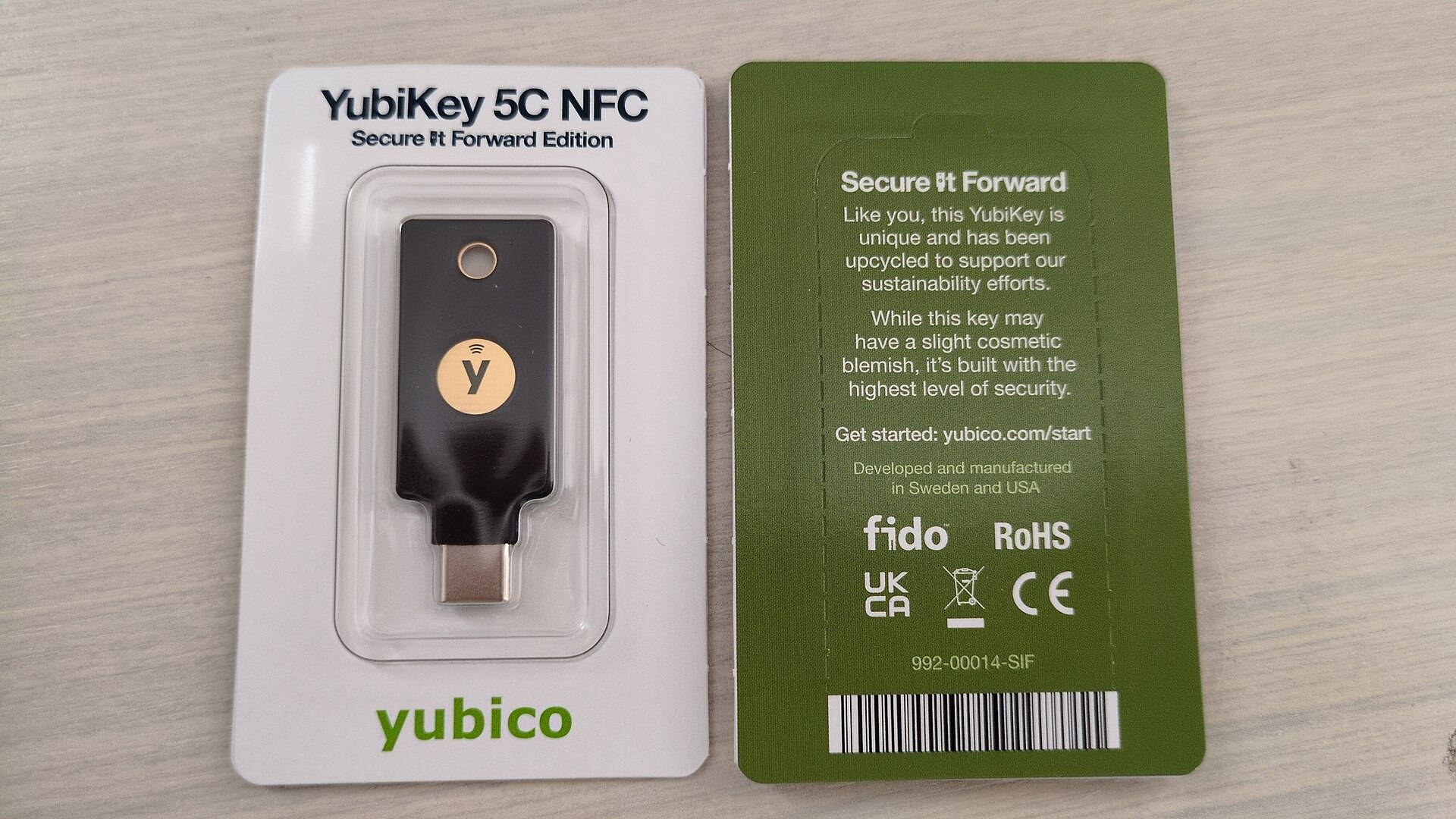
Friction reduction works. Google's Project Zero research after mandating physical security keys across more than 85,000 employees reported zero successful phishing-related account takeovers. The keys eliminated the mental work of evaluating a login prompt. The secure act became the only available act.
Enforcing habits through tools
Credential managers achieve a similar effect. When a vault is deployed and configured, reuse drops to near zero because the tool never offers to reuse a credential across sites. The user does not need to remember to pick a different password. The tool enforces the routine.
Reinforcement over punishment
Positive reinforcement matters more than penalty. Companies that celebrate reported phishing attempts rather than punishing clicks see higher reporting rates and lower repeat click numbers. Blame drives activity underground. Reinforcement builds the habit loop of cue, action, reward.
Measuring habits, not completions
Signals that track real behaviour
Completion percentages and quiz scores measure whether instruction was delivered. They do not measure whether practice changed. Security leaders who want to know if their workforce has secure habits need different metrics.
Detection and reporting habits
Phishing simulation click rates over time show whether detection routines are forming. A declining trend over 6-12 months, not a single pass rate, is the signal. Reporting rates for suspected phishing emails, measured against the volume of simulations sent, show whether the reflex to report is replacing the reflex to click.
Authentication and credential habits
Credential reuse levels, visible through password manager telemetry, show whether password practices have changed. MFA uptake and passkey enrolment rates, broken down by department and role, show whether authentication routines are universal or patchy.
Regulatory backing for behavioural evidence
These metrics share one property: they track what people do, not what they know. The UK Information Commissioner's Office guidance on security under GDPR Article 32 stresses that bodies must be able to show evidence of effective security behaviours, not just policy distribution. ISO 27002:2022 control 6.3 goes further, requiring that personnel demonstrate competence in security practices relevant to their role, not merely receive instruction.
Scaling habits across hybrid, remote and frontline settings
When physical cues disappear
Remote and hybrid work removes the physical cues that reinforce security routines. The office poster, the colleague reminder, the IT desk walk-by all vanish. Frontline workers in retail, manufacturing or healthcare often share devices or work in environments where security friction is genuinely dangerous, such as a nurse who cannot wait for a two-factor code during a resuscitation.
System-level defaults for remote staff
For remote workers, the solution is system-level defaults. MFA enforced at the identity provider, phishing simulations delivered to personal devices, and credential managers configured before deployment. The environment does the work.
Role-specific design for frontline roles
For frontline workers, the approach must be role-specific. NIST SP 800-53 Rev. 5 control family AT includes requirements for practical exercises and role-appropriate demonstration. A warehouse picker needs a different practice set than a finance director, and the measurement must match the role.
Building, not teaching
The common thread across all settings is that habits are not taught. They are built through repetition, feedback, and environment design. Enterprises that invest in the conditions for habit formation, rather than in annual training programmes, see the measurable risk reductions that the evidence supports. Those that do not will continue to rely on a workforce that knows the rules but does not follow them.
Key evidence on workforce security habits
- Phishing click rate reduction: 50-65% after 6-12 months of repeated feedback loops (SANS, NIST pooled studies)
- MFA effectiveness: Blocks 99.9% of automated account takeover attacks (Microsoft Azure AD)
- Credential reuse elimination: Near-zero with password manager and passkey adoption (Verizon DBIR)
- Physical security key results: Zero successful phishing account takeovers at Google (Project Zero, 85,000+ employees)
- Habit retention improvement: 30-50 percentage points higher with micro-learning vs annual training
- Regulatory requirements: ISO 27002:2022 control 6.3, GDPR Article 32 (ICO guidance), NIST SP 800-53 Rev. 5 AT family
Related reading: Yubico founder cedes CEO role to scale, Leading Federal IT: Tony Scott on the White House CIO Role, and Lithuanian tricked Google, Facebook out of $100M.