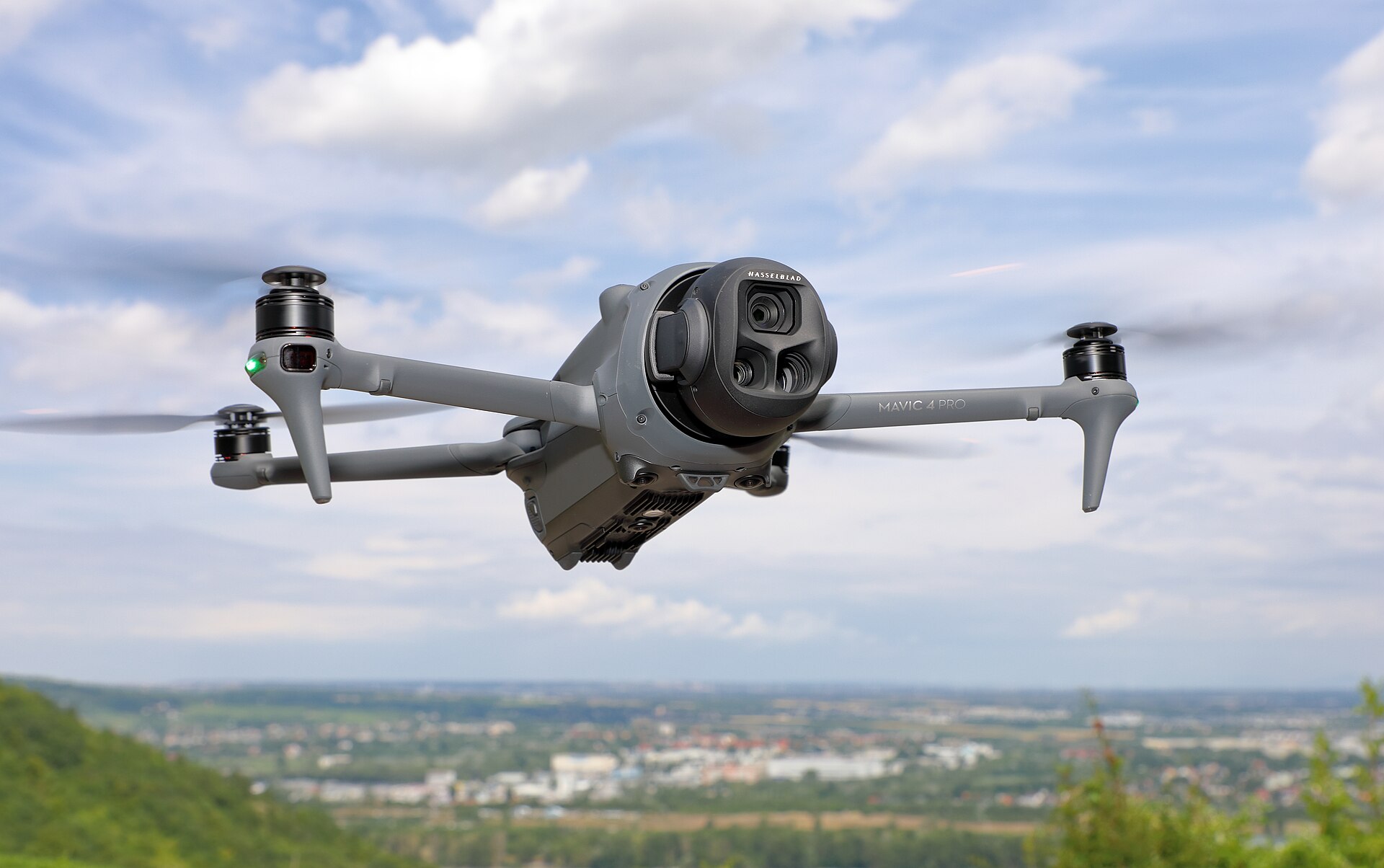
A flaw in DJI's cloud systems let unauthorized parties pull personal data and flight records from drone operators. The weakness laid bare flight logs, telemetry data, camera metadata, and user account details, intensifying questions about data protection at the world's largest consumer drone manufacturer. As of 2025, the total number of exposed accounts and any evidence of active exploitation remain undisclosed.
DJI runs a cloud backbone that synchronizes flight data and user profiles across its drone ecosystem. The weakness exposed four categories of information: flight logs recording where and when a drone flew, telemetry capturing performance metrics, camera metadata that can reveal imaging patterns, and account records including email addresses. For enterprise and government operators, leaked flight logs alone pose an operational risk, since they map out usage patterns that could pinpoint sensitive sites or surveillance activity.

The Affected System Component
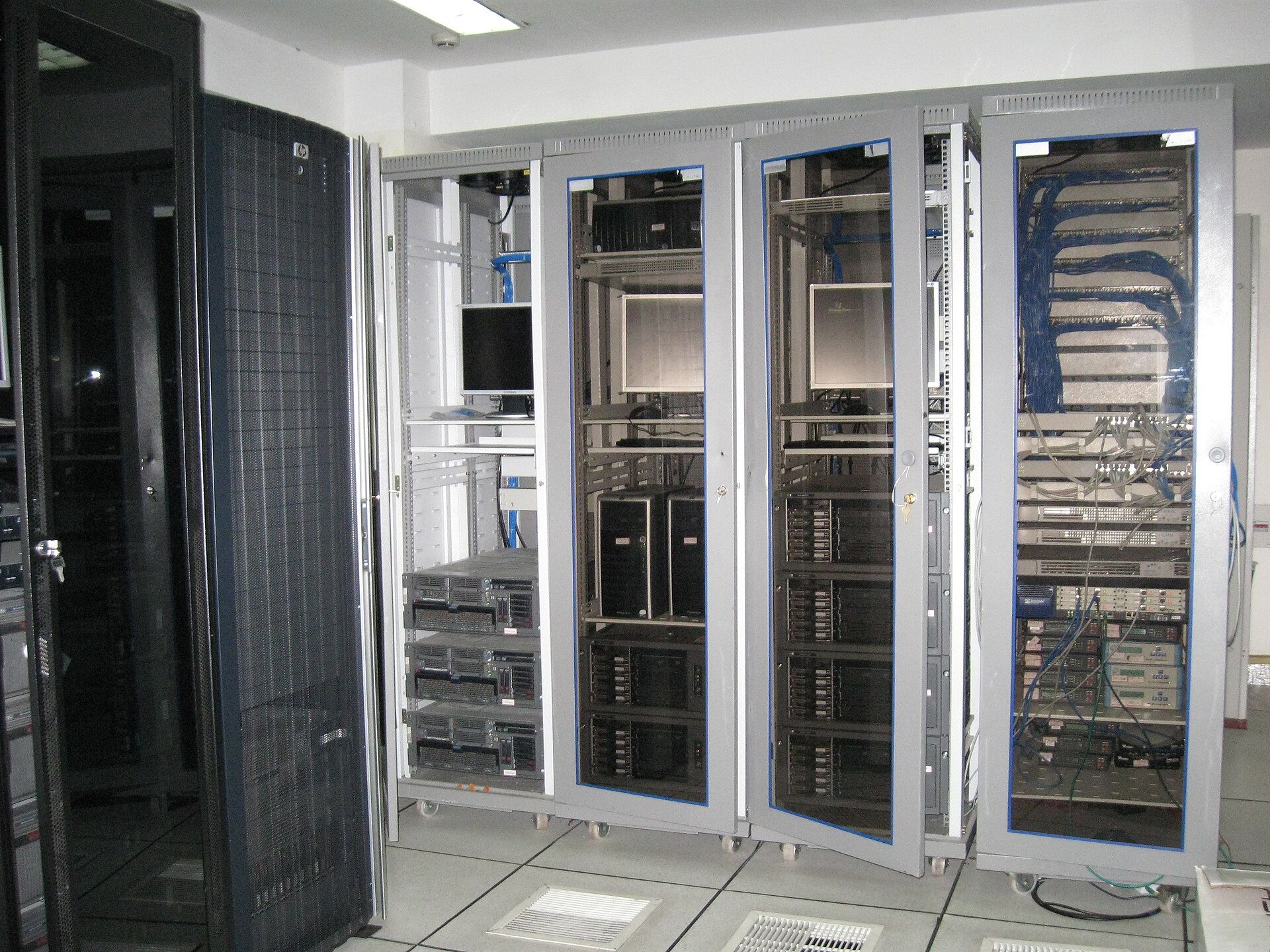
The weakness sat inside DJI's cloud backend, the infrastructure that lets drone pilots sync flight data and manage accounts. That same infrastructure powers DJI's mobile apps and web-based account tools. DJI has not publicly named the exact component that contained the flaw, but researchers who studied the incident point to the cloud synchronization service as the probable entry point.
How the cloud sync works
DJI's cloud processes data from millions of drones worldwide. Every flight generates logs that include GPS coordinates, altitude, speed, and duration. Those logs sit on the drone's internal storage and can be uploaded to DJI's servers through the DJI Fly app or compatible software. The flaw allowed unauthenticated parties to reach that synced data.
Discovery of the Vulnerability
Security researchers uncovered the flaw while examining how DJI's cloud handled authentication for data-access requests. The system failed to properly check whether the entity requesting flight logs or account data was authorized to see it. Researchers could retrieve other users' records simply by knowing or guessing the right identifiers.
Disclosure timeline
The exact disclosure date and the researcher or firm behind the discovery have not been publicly confirmed. The weakness was reported through responsible disclosure channels, and DJI moved to address it. A CVE identifier may or may not have been assigned; no confirmation exists as of the latest available information.
Types of Exposed Data
The breached data split into four categories. Flight logs held detailed mission records: GPS waypoints, flight paths, altitude shifts, and timestamps. For a commercial operator surveying a construction site or a government agency running surveillance, those logs expose operational rhythms and sensitive coordinates.
Telemetry and performance data
Telemetry covered battery levels, motor temperatures, and signal strength during flight. Less sensitive than flight logs, it can still help an adversary infer operational capabilities and fingerprint specific drone units.
Camera metadata
Camera metadata revealed imaging patterns, including when and where photos or video were captured. Combined with flight logs, this data paints a detailed picture of a drone's mission.
Account information
User account records included email addresses and other personal data provided at registration. This category is what most often triggers breach notifications under regulations such as GDPR and CCPA. The precise number of exposed accounts has not been released.
Scope of Affected Users
Neither DJI nor any third-party investigator has publicly confirmed how many users or records the flaw touched. DJI is the world's largest consumer drone maker, with millions of active pilots globally, so the potential footprint is large. Without an official disclosure, it is impossible to tell whether the exposure hit a narrow slice of users or the entire base.
Why the numbers matter
The absence of confirmed figures is itself a signal. In most data breaches, companies disclose the number of impacted accounts within weeks. DJI's silence as of the latest available data suggests the investigation may be incomplete, the number too small to trigger disclosure, or a deliberate choice not to publicize the full extent.

DJI's Response and Remediation
DJI addressed the flaw in its cloud environment and said it added extra safeguards. The company has not publicly confirmed whether it issued a formal software patch, forced password resets for exposed users, or took other remediation steps. The timeline from disclosure to fix also remains unclear.
A pattern of opacity
This lack of transparency fits DJI's broader approach to security incidents. US government agencies have scrutinized the company over data-protection worries for years, and its response to this flaw did little to quiet those concerns. For enterprise customers who depend on DJI drones for commercial work, the absence of detailed disclosure makes it hard to assess whether their own data was compromised and what steps they should take next.
Implications for Enterprise and Government Users
The breach carries heavy implications for DJI's enterprise and government customers, who had already flagged national-security risks before this incident. The US Department of the Interior grounded its entire DJI drone fleet in 2020 over cybersecurity worries, citing the possibility that data collected by the drones could reach servers in China. This exposure validates those fears by showing that DJI's cloud safeguards fell short against unauthorized access.
Renewed pressure on government adopters
For agencies that kept flying DJI drones despite the 2020 grounding order, this incident supplies further proof that DJI's data practices may not meet the bar for sensitive government missions. Enterprise customers in energy, agriculture, and construction, who use DJI drones for mapping and inspection, now face tough calls about sticking with DJI's cloud services or switching to alternatives that promise tighter data control and stronger protection guarantees.
Unanswered questions
No evidence has surfaced to confirm whether the weakness was actively exploited before discovery. As of 2025, the full fallout, including any regulatory fines or legal actions, has not been established.
Key Facts
- Manufacturer: DJI, world's largest consumer drone maker
- Affected system: Cloud infrastructure for syncing flight data and user accounts
- Data exposed: Flight logs, telemetry data, camera metadata, and user account information
- Prior government action: US Department of the Interior grounded DJI fleet in 2020
- Status as of: 2025: full scope and exploitation unknown
Frequently Asked Questions
What specific DJI software or system had the vulnerability?
The weakness was in DJI's cloud infrastructure, the backend system that syncs flight data and user accounts across devices.
Was a CVE identifier assigned to this vulnerability?
A CVE identifier may or may not have been assigned; no confirmation is available.
How many users were affected by the data exposure?
The precise number of exposed user accounts has not been disclosed.
Did DJI fix the vulnerability?
DJI addressed the flaw in its cloud infrastructure but has not confirmed whether it issued a formal patch or forced password resets.
Was the vulnerability exploited before it was discovered?
No evidence confirms whether the weakness was actively exploited before discovery.