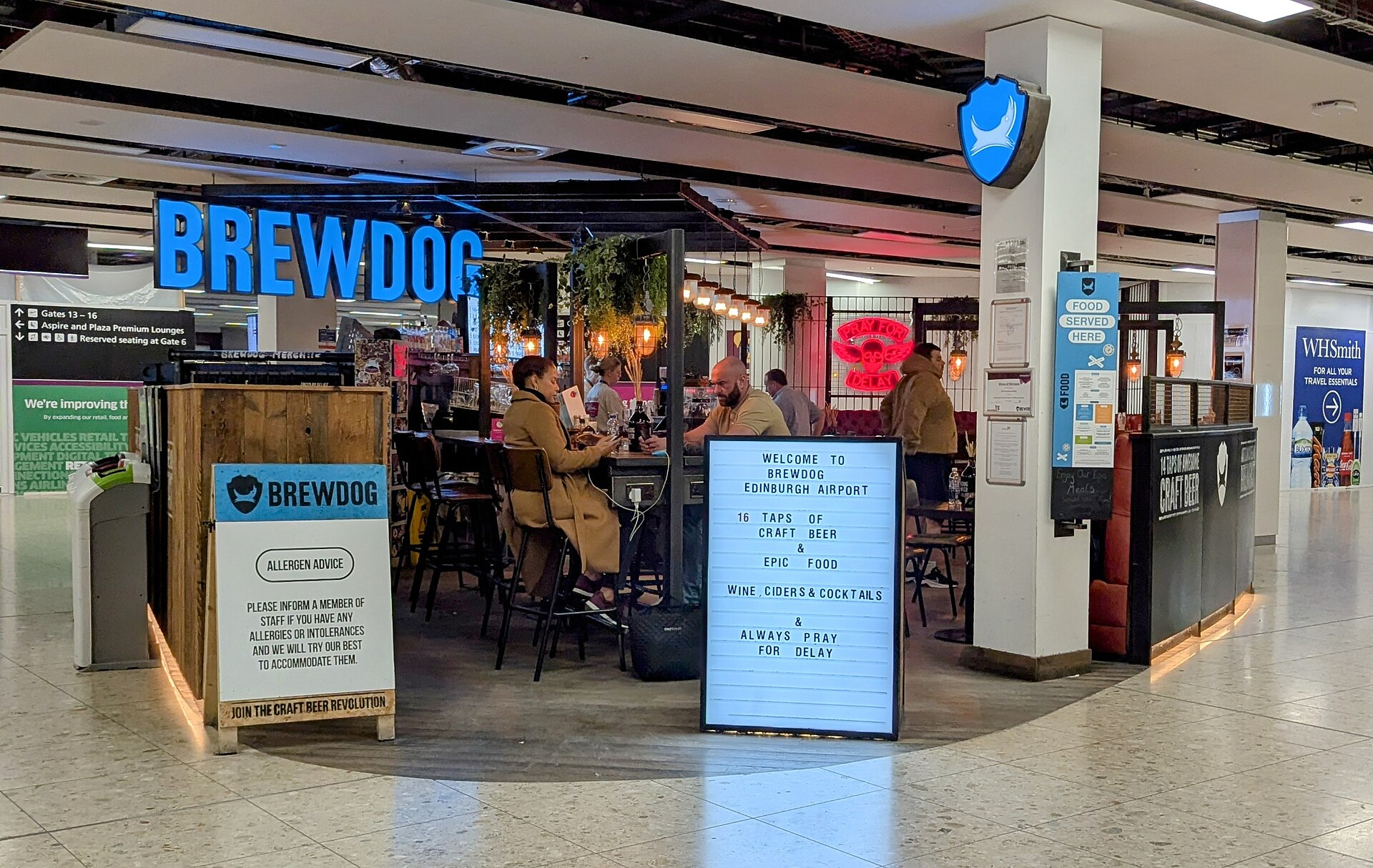
In April 2007, James Watt and Martin Dickie began brewing beer in a garage in Fraserburgh, a fishing town on the northeast coast of Scotland. Within a decade, their operation was valued at roughly 1 billion pounds. By 2023, it had lost its B Corp certification, its co-founder had stepped down as CEO, and more than 100 former employees had signed a letter alleging a culture of fear. The BrewDog story is not just a tale of explosive growth. It is a case study in what happens when a brand built on rebellion meets the expectations it created.
Watt and Dickie met at university and shared a frustration with the bland, mass-produced lagers that dominated British pubs. They brewed high-alcohol, aggressively hopped beers and sold them under a name that signaled their attitude. The business grew quickly by doing the opposite of what the big brewers did. It called its customers punks. It called its fundraising scheme Equity for Punks. It called its critics out of touch. That approach worked for a long time. Then it stopped working.

The Garage in Fraserburgh
BrewDog was founded in April 2007 in Fraserburgh, Aberdeenshire. Watt and Dickie began with a small brewing kit and a big ambition: to make craft beer that tasted like something. Their early beers, including Punk IPA, were stronger and more bitter than anything the major UK brewers offered. They sold the first batches to local pubs and bottle shops. The response was strong enough that within a year the founders were looking for a bigger space.
The business opened its first bar in Aberdeen in 2010. That bar became a template for dozens more. Each location was designed to feel like a punk clubhouse, with exposed pipes, dark paint, and beer names that were intentionally provocative. The bars served only BrewDog beer, which gave the firm control over its retail experience and margins. By the time the Aberdeen bar opened, the brand had already begun building a national following through stunts that the mainstream media could not ignore.
Equity for Punks and the Billion Pound Valuation
The Crowdfunding Engine
In 2009, BrewDog launched Equity for Punks, a crowdfunding scheme that let customers buy shares in the enterprise. The model was unusual. Most small brewers raised money from banks or wealthy individuals. BrewDog raised it from its own drinkers. The scheme ran multiple rounds over the next decade and raised tens of millions of pounds. Investors got discounts in bars, invitations to shareholder events, and the satisfaction of owning a piece of a brand they believed in. They did not get a liquid market for their shares.
The Billion-Pound Moment
The big financial moment came in 2017. Private equity firm TSG Consumer Partners acquired a 22 percent stake for approximately 213 million pounds. That deal valued BrewDog at around 1 billion pounds. It was a staggering number for a brewer that had launched in a garage ten years earlier. But the deal also created a tension. The institutional investor had a path to exit. The thousands of Equity for Punks shareholders did not. The crowdfunding model had built the enterprise, but it had not built an exit for the people who funded it.
Stunts, Hotels, and Global Expansion
Marketing as Provocation
BrewDog's marketing strategy was built on provocation. The outfit sent a tank through the streets of London to deliver beer. It brewed a 55 percent alcohol beer called The End of History and packaged it inside stuffed animals. It sued a brewery for using the word punk and then withdrew the lawsuit when the backlash arrived. Each stunt generated headlines. Each headline sold beer. The team understood that in a crowded market, being talked about was worth more than being liked.
From Scotland to the World
By 2018, BrewDog had opened the DogHouse hotel in Columbus, Ohio, a 32-room property with beer taps in every guest room. The hotel was part of a broader push into the United States, where the firm had built a brewery in Columbus. It also opened bars in cities across Europe and Asia. The brand that had begun in a Scottish garage was now a multinational operation with thousands of employees and a physical presence on three continents. But the culture that had driven that expansion was about to face its biggest test.
The Open Letter and the Culture of Fear
The Letter
In June 2021, an open letter signed by over 100 former employees was published. The letter alleged a culture of fear and toxic attitudes inside BrewDog. It described a workplace where bullying was common, where complaints were ignored, and where the punk image was used to excuse behavior that would not be tolerated elsewhere. The letter appeared on a website called Punks with Purpose, and it spread quickly through social media and the trade press.
The Aftermath
BrewDog initially pushed back. Watt published a response that acknowledged some of the concerns but rejected the broader characterization. Over time, the business made changes. It hired a new HR director. It commissioned an external review. But the damage to the brand was real. BrewDog had positioned itself as the anti-corporate alternative to big beer. The letter suggested that internally, it had become exactly what it claimed to oppose. The gap between the brand and the reality was now public.

B Corp, Greenwashing, and Lost Certification
BrewDog achieved B Corp certification in 2020. The designation is awarded to companies that meet high standards of social and environmental performance, accountability, and transparency. For BrewDog, it was a way to signal that its commitment to doing good was real. Critics immediately questioned whether the brewer deserved the label. They pointed to its use of plastic packaging, its carbon footprint from shipping beer globally, and the marketing of a carbon-negative claim that was later challenged.
In late 2022, BrewDog announced it would step away from the B Corp process. The firm lost the credential in 2023. The decision was presented as a strategic choice, not a failure. But for a brand that had built its identity partly around being different and better, the loss was a significant blow. It reinforced the narrative that BrewDog's commitment to sustainability was more about marketing than substance. The business has not since announced whether it will seek alternative credentials.
The End of the Watt Era
In May 2022, James Watt announced he would step down as CEO of BrewDog. He transitioned to a non-executive director role. James Arrow, a former executive at the brewery Carlsberg, was appointed as his successor. The change was presented as a natural evolution, but it came at a moment of intense scrutiny. Watt had been the face of the business since its founding. His departure marked the end of an era.
The question that remains unanswered as of December 2023 is what BrewDog becomes next. The operation still has a global network of bars, a strong brand, and a loyal customer base. But it no longer has its founding CEO, its B Corp status, or the unquestioning trust of its workforce. The punk act that worked so well for a decade and a half has limits. BrewDog is now a large enterprise with a private equity investor and a reputation that needs repair. The garage in Fraserburgh is a long way away.
Key Facts
- Founded: April 2007 in Fraserburgh, Aberdeenshire, Scotland
- Founders: James Watt and Martin Dickie
- First bar opened: 2010 in Aberdeen, Scotland
- TSG Consumer Partners investment: 22% stake for approximately £213 million in 2017, valuing the company at around £1 billion
- DogHouse hotel opened: 2018 in Columbus, Ohio
- Former employee allegations: Open letter published June 2021 signed by over 100 former employees alleging toxic culture
- B Corp certification: Achieved 2020, lost 2023 after company decided not to pursue recertification
- CEO transition: James Watt stepped down as CEO in May 2022, succeeded by James Arrow. Watt became a non-executive director.
BrewDog Timeline
| Year | Event |
|---|---|
| 2007 | BrewDog founded by James Watt and Martin Dickie in Fraserburgh, Scotland |
| 2009 | Equity for Punks crowdfunding scheme launched |
| 2010 | First BrewDog bar opens in Aberdeen |
| 2017 | TSG Consumer Partners acquires 22% stake, valuing BrewDog at ~£1 billion |
| 2018 | DogHouse hotel opens in Columbus, Ohio |
| 2020 | BrewDog achieves B Corp certification |
| 2021 | Open letter from over 100 former employees alleges toxic culture |
| 2022 | James Watt steps down as CEO, James Arrow appointed; company announces it will step away from B Corp process |
| 2023 | BrewDog loses B Corp certification |
FAQ
Did BrewDog lose its B Corp status?
Yes. BrewDog lost its B Corp certification in 2023 after the company announced in late 2022 that it would step away from the recertification process.
What happened to James Watt?
James Watt stepped down as CEO of BrewDog in May 2022. He transitioned to a non-executive director role. James Arrow, a former Carlsberg executive, became the new CEO.
What was Equity for Punks?
Equity for Punks was BrewDog's crowdfunding scheme launched in 2009. It allowed customers to buy shares in the company across multiple rounds, raising tens of millions of pounds. The scheme funded much of the company's expansion.
What were the allegations in the 2021 open letter?
Over 100 former employees signed an open letter in June 2021 alleging a culture of fear and toxic attitudes inside BrewDog. The letter described bullying, ignored complaints, and behavior that contradicted the company's punk image.