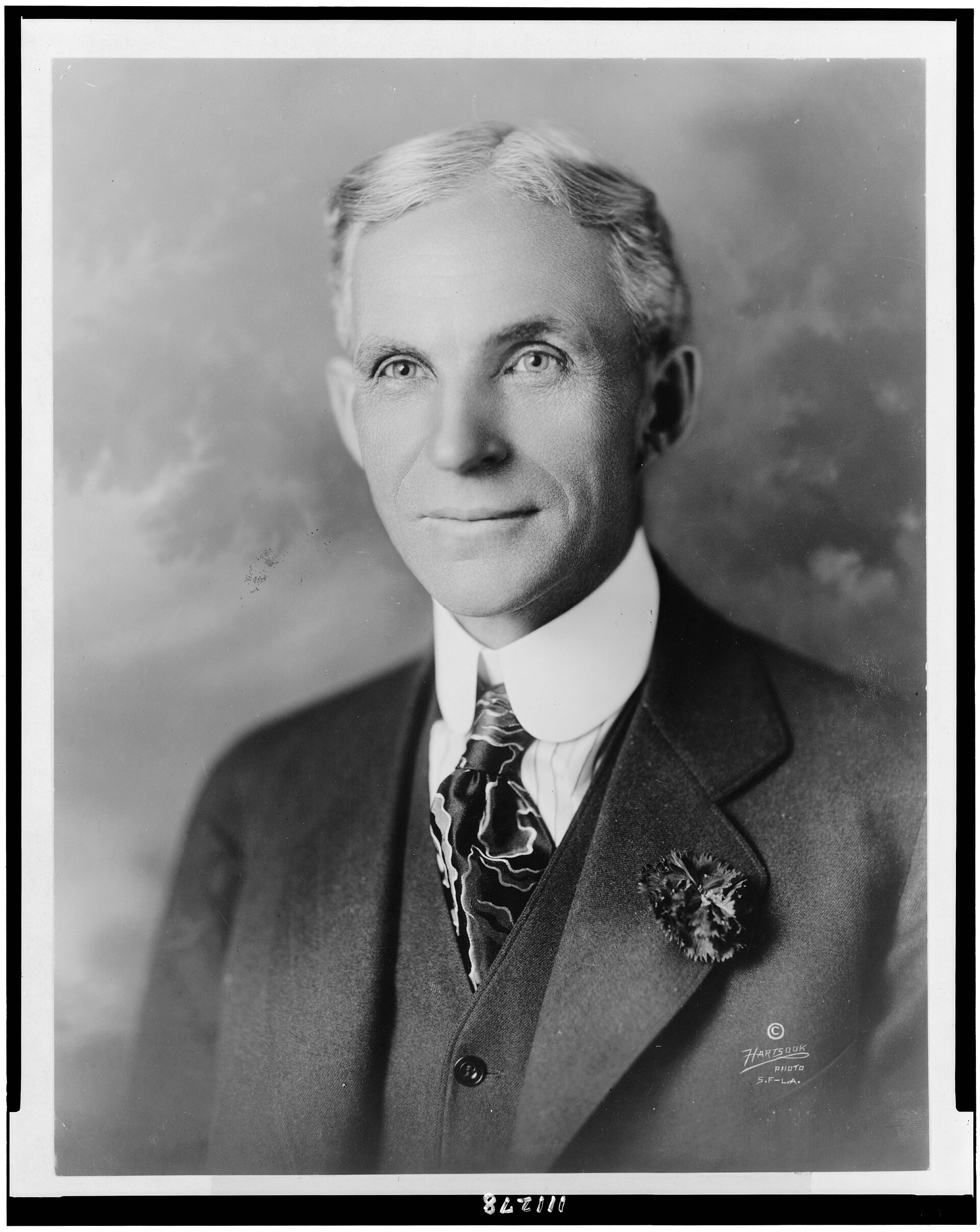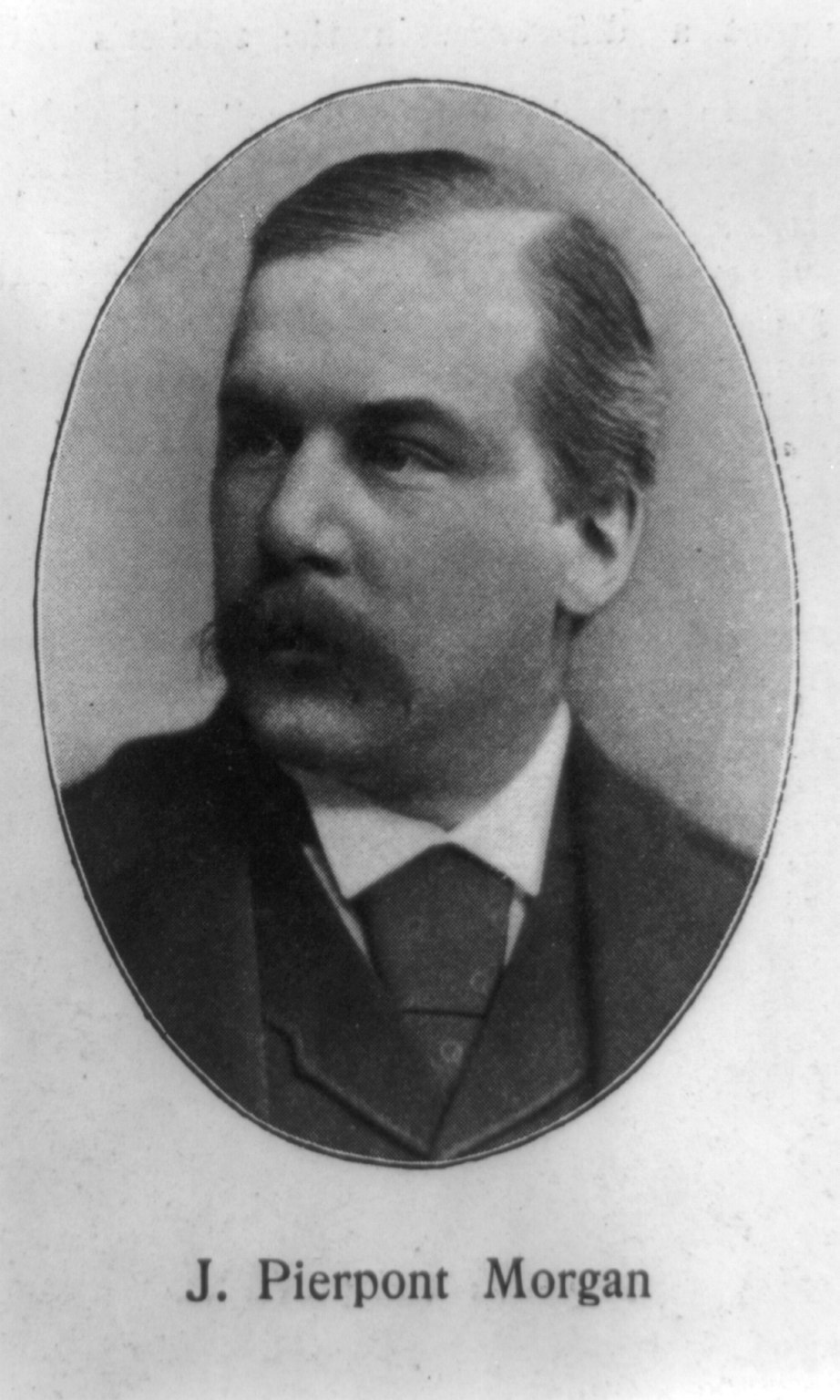
John Pierpont Morgan Sr. died on March 31, 1913, in Rome, Italy. His estate totaled roughly $80 million. That figure was far smaller than the public had imagined. The stock market rallied on the news, relieved that Morgan had not monopolized American capital.
When the estate cleared probate, the breakdown showed about $68.3 million in net assets excluding art, plus the holdings he had assembled across his homes and the Morgan Library. The art was assigned a band of $50 million to $60 million by appraisers working for the executors. In nominal terms, the sum represented a large fortune. But it was not the vault of a man who controlled the nation's money supply, as the 1913 Pujo Committee had alleged during its investigation into Wall Street concentration.
Converting 1913 dollars into modern equivalents produces a range. Using the Consumer Price Index, $80 million in 1913 would be worth roughly $2.5 billion in 2024. That measure understates the economic power the banker held. A more aggressive method, comparing his wealth as a share of U.S. GDP, yields estimates from $30 billion to $40 billion or more. Neither number is authoritative. What is clear is that his fortune was large but not outsized relative to other industrialists of his era.

What Made Up the Fortune
Banking and Industrial Consolidation
His wealth came primarily from his banking house, J.P. Morgan & Co., and from the fees and equity stakes generated by financing industrial mergers. He organized the formation of U.S. Steel in 1901, the first billion-dollar corporation. He restructured major railroads, including the Northern Pacific and the New York Central. These deals produced enormous commissions and left the financier with significant shareholdings.
The Art Collection and Library
The single largest component of his estate was the art. He filled his residences and library with manuscripts, paintings, prints, and decorative objects. Appraisers for the estate valued the assemblage at $50 million to $60 million, roughly as large as the rest of the probate assets combined. The Morgan Library & Museum in New York City now houses much of what he assembled.
He was famous for his response when asked how much his yacht, the Corsair, cost: "If you have to ask the price, you can't afford it." The remark captured his public persona as a man of unlimited means. The probate filing showed otherwise.
The Bank vs. The Man
A persistent confusion conflates J.P. Morgan's personal net worth with the modern bank JPMorgan Chase & Co. The two are entirely separate. JPMorgan Chase is a publicly traded financial institution with a market capitalization of over $500 billion as of 2024. That figure represents the value of the company's shares, not the personal wealth of its founder.
The financier died owning a stake in J.P. Morgan & Co., which later evolved through mergers into today's JPMorgan Chase. His personal holdings, however, were a fraction of the bank's market value. The modern institution's size reflects decades of growth, acquisitions, and public equity markets. The man himself never controlled anything approaching that half-trillion-dollar figure.
The distinction matters because it shapes how investors and policymakers think about financial concentration. His era ended with the Pujo Committee's findings and the creation of the Federal Reserve. The bank that carries the Morgan name today is a regulated public company, not a family trust.
Why the Estate Surprised Everyone
John D. Rockefeller reportedly said of the $80 million estate: "And to think he wasn't even a rich man." Whether the remark is apocryphal or verified is not established here, but it captures the public mood. Morgan had been portrayed as the central figure in a Wall Street conspiracy. The Pujo Committee hearings in 1913 painted him as the head of a "money trust" that controlled banks, railroads, and industrial companies. The probate filing revealed a different reality. The assets were substantial but not overwhelming. He had not hoarded American capital.
The relief among investors was immediate: the Dow Jones Industrial Average rose on the news.
The estate valuation also shaped how his successors managed his legacy. His son, J.P. Morgan Jr., inherited the business and the art. The library was later opened to the public. The family fortune, while still large, never approached the scale of the Rockefellers or the Carnegies.
What the Numbers Mean Today
For operators and investors, the lesson is that perceived wealth and actual wealth can diverge sharply. The financier's reputation as the most powerful figure of his age rested on influence, not on a personal balance sheet. The bank he built now has a market cap hundreds of times larger than his estate. That is the normal outcome of a century of compounding and public ownership.
Policy people might note the irony. The Pujo Committee feared that personal wealth gave Morgan too much control over the economy. The estate filing proved that the threat was not his fortune but his network. The same dynamic recurs in debates about concentration today: market power is not always visible in a net worth statement.
As of October 2024, the Morgan estate remains a historical curiosity rather than a living institution. The Morgan Library & Museum continues to display the holdings. JPMorgan Chase trades on the New York Stock Exchange. The two are related by name only.
Check the Bureau of Labor Statistics CPI calculator or Federal Reserve historical GDP data for current conversion rates; the library's website lists public viewing hours.
Key Facts
- Date of death: March 31, 1913
- Nominal estate value: Approximately $80 million
- Probate assets (excluding art): Approximately $68.3 million
- Art collection estimate: $50 million to $60 million
- Modern CPI equivalent (approx.): ~$2.5 billion
- Modern GDP share equivalent (approx.): $30, $40+ billion
- JPMorgan Chase market cap (2024): Over $500 billion
- Key investigation: 1913 Pujo Committee