In late 2023 or early 2024, Unbabel announced a product that removes the human translators from its own translation pipeline. The Lisbon and San Francisco based company, which reached a $1 billion valuation in 2021, built its reputation on a hybrid model: machine translation for speed, human post-editors for accuracy. Widn.AI, as the new product is called, is meant to do the whole job without a person in the loop.
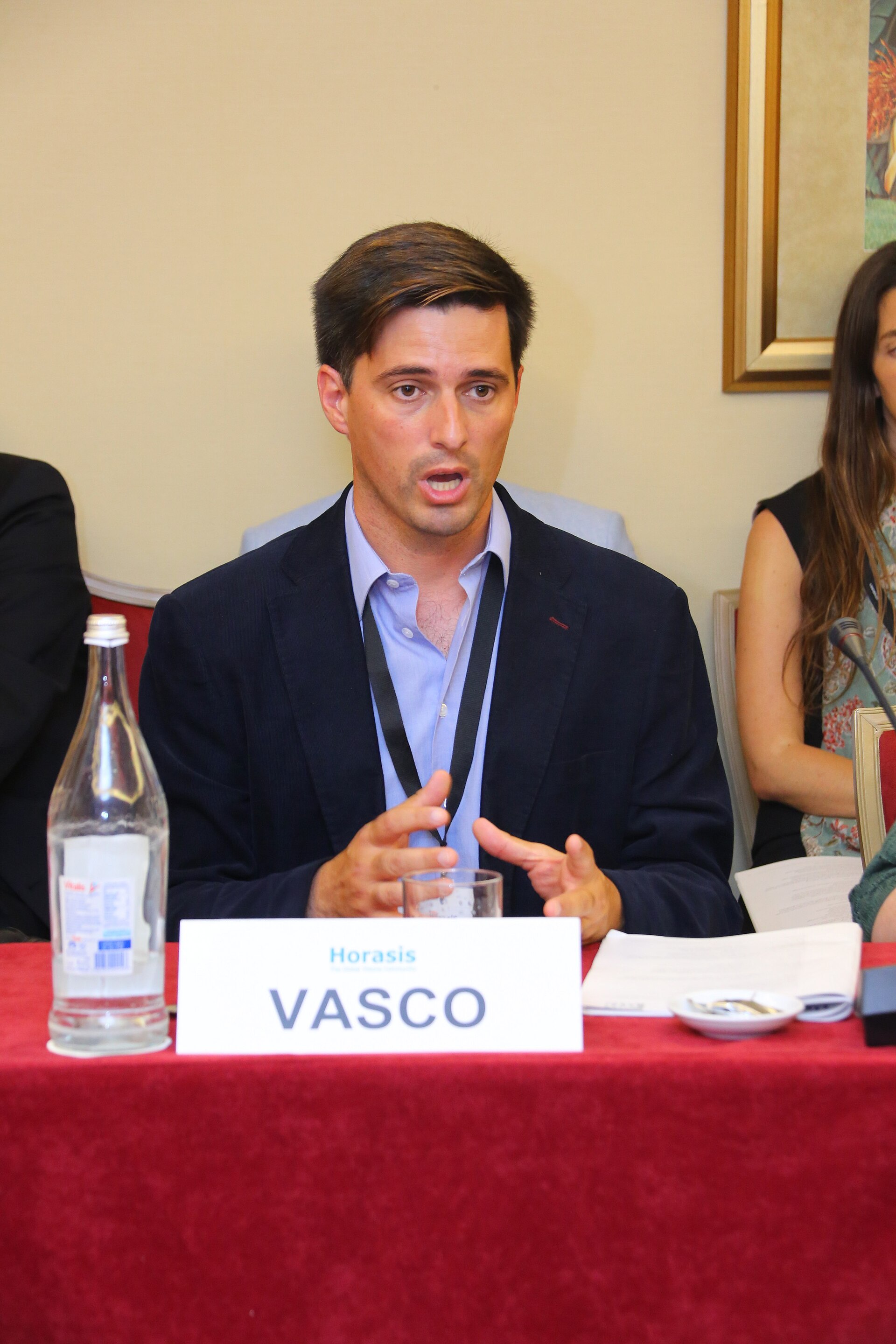
Unbabel's CEO Vasco Pedro said publicly that the company's goal is fully autonomous translation. He acknowledged that this means displacing the human translators who once corrected and polished the machine output. The announcement did not specify how many translators would be affected or give a precise launch date for general availability. What is clear is that Unbabel is betting its future on an AI only approach, competing directly with products like DeepL and Google Translate in the customer service market.
This article explains what Widn.AI does, how it compares to Unbabel's old model, the numbers the company is claiming, and what the shift means for the gig economy translators who powered Unbabel's growth.

From LangOps to Widn.AI: What the Product Actually Does
Unbabel had marketed its older platform under the term LangOps, a portmanteau of language and operations that framed translation as a business process rather than a purely linguistic one. The original system ran text through a machine translation engine, then sent it to a pool of human editors who fixed errors and adapted tone. Those editors were gig workers paid per task, and their availability let Unbabel claim higher accuracy than pure machine translation.
Widn.AI replaces that second step. The product uses large language models to generate translations that Unbabel says are accurate enough for customer service conversations without human review. The company has not disclosed which specific LLM or combination of models powers Widn.AI, but the architecture is built around generative AI rather than the statistical or neural machine translation models that underpin older tools.
Unbabel frames the product as an autonomous AI translation agent. The name Widn is an acronym the company has not publicly expanded. The product is designed to plug into existing customer service platforms, intercept messages in one language, and return them in another with no human touching the conversation.
The Numbers Unbabel Is Claiming for Widn.AI
Unbabel has not released audited third party benchmarks for Widn.AI. The company's own claims center on accuracy, speed, and cost. It says the system can handle multilingual customer service interactions in real time, which is faster than any human in the loop pipeline, because there is no queue time for an editor to pick up the task.
On cost, Unbabel has positioned Widn.AI as cheaper than its hybrid model. The old model required paying machine translation licensing fees plus per task payments to human editors. Removing the editors cuts the variable cost per translation significantly. Unbabel has not given specific percentage savings, but the logic of the product is that enterprise clients pay less for each translated conversation.
On accuracy, the company states that Widn.AI meets or exceeds the quality of its previous human augmented translations in customer service contexts. Independent verification of that claim is not available in public sources. The company has not published side by side comparisons or error rate data from a recognized evaluation body.
What Happens to the Translators
Unbabel's original business model depended on a network of human translators who worked as independent contractors. They reviewed machine generated translations, fixed mistakes, and adapted phrasing to match brand voice. The company recruited thousands of these workers globally, many of them in markets where English is not the first language.
Vasco Pedro did not deny that Widn.AI would reduce the need for those workers. He stated publicly that the company's goal is fully autonomous translation and acknowledged that this means displacement. The announcement did not include a timeline for reducing the translator network or a commitment to retraining or severance, because those workers are contractors, not employees.
Unbabel's position is that the shift is inevitable and that the company has a responsibility to build the technology that makes human intervention unnecessary. The company has not said whether it faces labor board complaints or legal challenges related to the change. As of March 2024, no formal legal action on this topic has been reported.
The Technology: How Widn.AI Differs from the Old Stack
Unbabel's original stack combined a machine translation engine with a routing system that sent sentences to human editors. The editors worked in a proprietary interface that showed them the source text, the machine translation, and a score indicating confidence. They could accept, edit, or reject the output. That system improved over time because editor corrections were fed back into the machine learning model.
Widn.AI removes the human feedback loop. Instead, it relies on large language models that have been fine tuned on customer service conversations. The company has not disclosed whether it uses a model from OpenAI, Anthropic, an open source base, or a custom trained model. What is clear is that the system is designed to generate translations directly, without a separate machine translation pass followed by human editing.
Unbabel calls this approach autonomous because the system decides when it is confident enough to send a translation to the customer without a person checking it. The company has not published the confidence thresholds or the fallback mechanism for low confidence cases, such as whether the system still routes difficult sentences to humans.

Market Reaction and Competitive Position
Industry analysts have noted that Unbabel's move is a bet on the maturity of large language models for translation. DeepL and Google Translate already offer machine translation that many businesses use without human review, but they do not market themselves as customer service specific platforms. Unbabel's advantage, if Widn.AI works as claimed, is that it understands the context of a support conversation rather than translating sentence by sentence in isolation.
Existing clients of Unbabel's hybrid platform face a choice: upgrade to Widn.AI and pay less per translation but lose the human quality assurance, or stick with the older product. Unbabel has not said whether it will maintain both products or phase out the human augmented version. The company has not named any enterprise clients that have adopted Widn.AI as of early 2024.
The translator community has reacted with concern. Online forums and social media posts from former and current Unbabel translators express frustration that the company built its brand on their work and is now replacing them. Unbabel has not issued a formal response beyond Pedro's public statements about the inevitability of autonomy.
Why Unbabel Is Doing This Now
Unbabel raised a $60 million Series C in September 2021 at a $1 billion valuation. That funding round gave it the capital to invest in LLM based translation. The timing aligns with the broader industry shift: large language models improved rapidly through 2022 and 2023, making fully automated translation more credible than it was when Unbabel started in 2013.
The competitive pressure is real. DeepL has gained traction with businesses that want high quality machine translation without human editing. Google Translate has improved its neural models and offers integration with Google Cloud Contact Center AI. Unbabel needs a product that competes on cost and speed, not on the promise of human polish.
Unbabel's bet is that enterprise customers will accept slightly lower accuracy in exchange for lower cost and real time speed, especially for routine customer service interactions where a mistranslation is annoying but not catastrophic. The company is betting that the human in the loop was a temporary necessity, not a permanent feature. Whether the market agrees will determine whether Unbabel keeps its unicorn status or becomes a cautionary tale about the companies that disrupted themselves before their customers demanded it.
Key Facts
- Company: Unbabel
- Headquarters: Lisbon, Portugal and San Francisco, California
- Founded: 2013 by Vasco Pedro, João Graça, Sofia Pessanha, Bruno Silva, and Hugo Silva
- Original model: Machine translation plus human post-editing
- New product: Widn.AI, fully autonomous translation without human intervention
- Latest funding: $60 million Series C in September 2021
- Valuation: $1 billion as of 2021
- CEO: Vasco Pedro
Comparison: Unbabel's Old Model vs. Widn.AI
| Feature | Old Hybrid Model | Widn.AI |
|---|---|---|
| Translation method | Machine translation + human editing | LLM generated, no human review |
| Human involvement | Required for every message | None |
| Speed | Minutes to hours, depending on editor availability | Real time |
| Cost per translation | Higher, includes editor payment | Lower, no editor cost |
| Quality assurance | Human checked | AI confidence scoring, no human fallback disclosed |
| Target use case | Customer service with high accuracy requirements | Routine customer service interactions |
Frequently Asked Questions
What is Widn.AI?
Widn.AI is Unbabel's new autonomous translation product that uses large language models to translate customer service messages without human intervention. It replaces Unbabel's earlier hybrid model that relied on human post-editors.
When was Widn.AI announced?
Unbabel announced Widn.AI in late 2023 or early 2024. The exact launch date and whether it is generally available or in limited beta have not been confirmed.
What happens to Unbabel's human translators?
Unbabel's CEO Vasco Pedro has acknowledged that the goal of fully autonomous translation means displacing human translators. The company has not specified how many translators will be affected or provided a timeline.
How does Widn.AI compare to DeepL or Google Translate?
DeepL and Google Translate offer general purpose machine translation. Unbabel positions Widn.AI specifically for customer service conversations, claiming it understands context better than sentence by sentence translation tools.