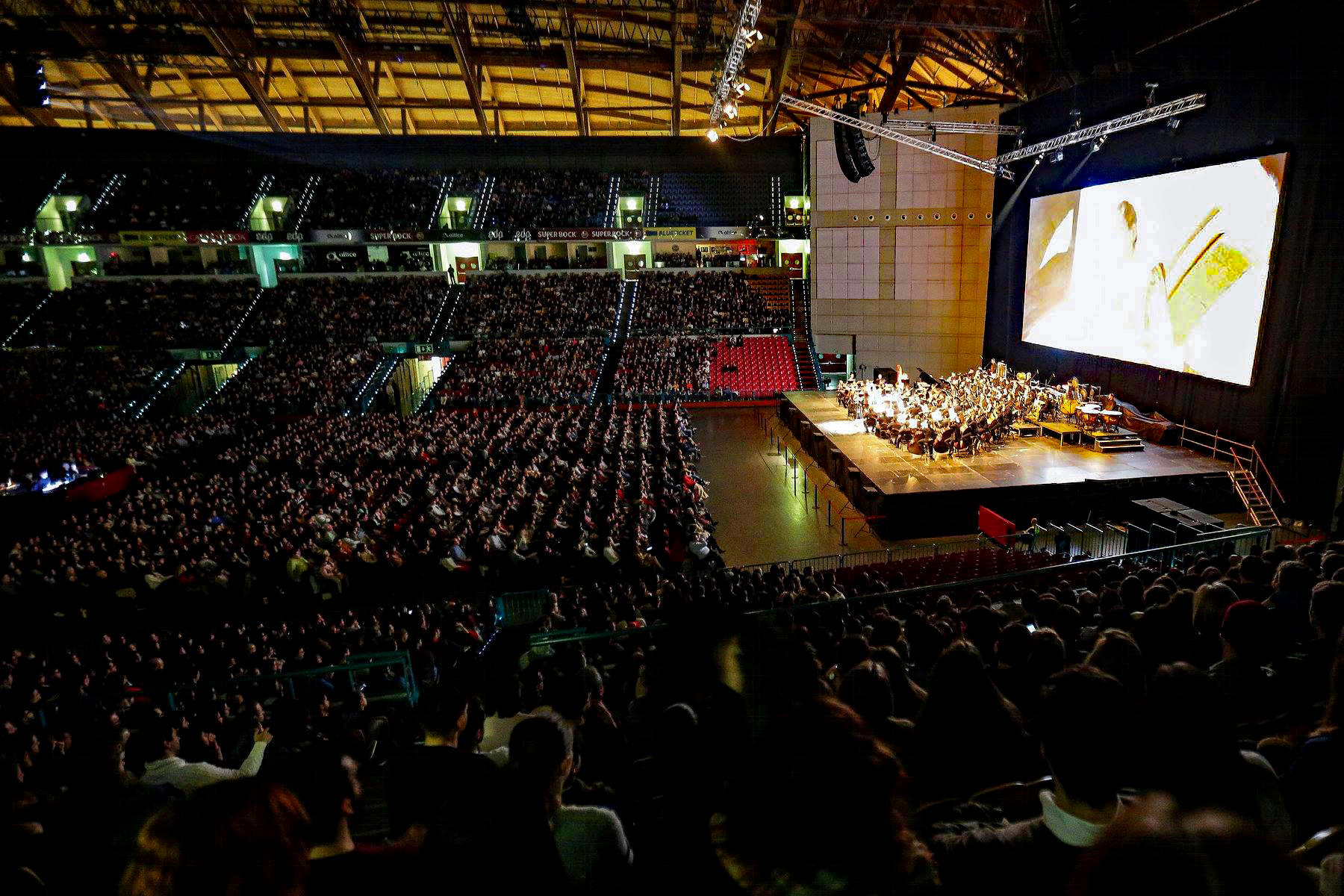
Web Summit, one of the largest technology gatherings on the calendar, cancelled its in-person Lisbon edition for November 2020 and moved entirely online. The event that had packed more than 70,000 people into the Altice Arena only a year earlier couldn’t operate safely during a pandemic, so Paddy Cosgrave, CEO and co-founder, scrapped the live show. International travel bans and venue capacity limits left no workable path. The digital-only gathering took place in December 2020 before the on-the-ground summit returned to Lisbon in November 2021.
The sudden shift emptied Lisbon’s hotels, restaurants and venues of the tens of thousands of visitors who normally flood the city each autumn. Mayor Fernando Medina acknowledged the blow but reaffirmed the city’s commitment to the partnership. A contract Web Summit and Lisbon struck in 2018 set the fee at €110 million, a sum that covers hosting rights through 2028. City and company officials have not said whether the deal was extended by a year to make up for the missed edition. Check the Câmara Municipal de Lisboa website for the current agreement.

The Digital Platform and Virtual Format
Web Summit built its own online venue to house the 2020 edition. The software tried to mirror the core functions of the live gathering: main-stage keynotes, breakout discussions, startup showcases, investor meetings and speed-networking.
Networking and Startup Exhibitions
The organisers worked hard to preserve the chance encounters that define an on-the-ground summit. Participants could explore digital startup booths, book one-on-one video calls with investors and drop into themed networking rooms. An algorithmic matching engine suggested connections based on profiles, interests and stated goals.
Schedule and Duration
The online event aired in December 2020, roughly a month later than the original November slot. That extra time let the team build and stress-test the digital setup. The remote edition was tighter than the multi-day live show, though Web Summit never published the exact running time.
Ticket Sales, Refunds, and Attendee Registration
Ticket sales for the live event stopped the moment cancellation was announced. Existing buyers could shift their registration to the online format, defer to the 2021 in-person summit in Lisbon, or request a refund. The company did not disclose the value of refunds it paid.
Registration for the remote edition opened wider than a physical venue would allow. Without walls, organisers could admit more participants. Web Summit never published a final attendee number for 2020.
Online passes were priced below the cost of a walk-in ticket, reflecting the lower expense of running a digital production. Specific price bands weren’t made public.
Headline Speakers and Partners
Major names from tech, business and politics still took the virtual stage, streamed live to audiences worldwide. Speakers appeared from their own offices and homes, which widened the pool of people who could say yes. Sessions were also available on demand, freeing viewers from a fixed schedule.
The ability to pull in marquee voices and retain key sponsors showed the Web Summit name carried weight even without a physical venue. Yet the hallway collisions and unscripted meetings that give the live gathering its texture proved much harder to reproduce on screen.
Economic Impact on Lisbon and the Contract
Lisbon’s tourism and hospitality businesses lost every euro of footfall the summit had delivered in 2019. No official damage estimate was released.
The €110 million contract Cosgrave and city leaders signed in 2018 locks Web Summit into Lisbon through 2028. Neither side has said whether the pact was automatically extended to account for 2020. Cosgrave expressed confidence in the long-term relationship, and the live event returned as promised in November 2021. The 2020 online edition remains the only fully remote version in the summit’s history, a direct product of a pandemic that halted global gatherings.