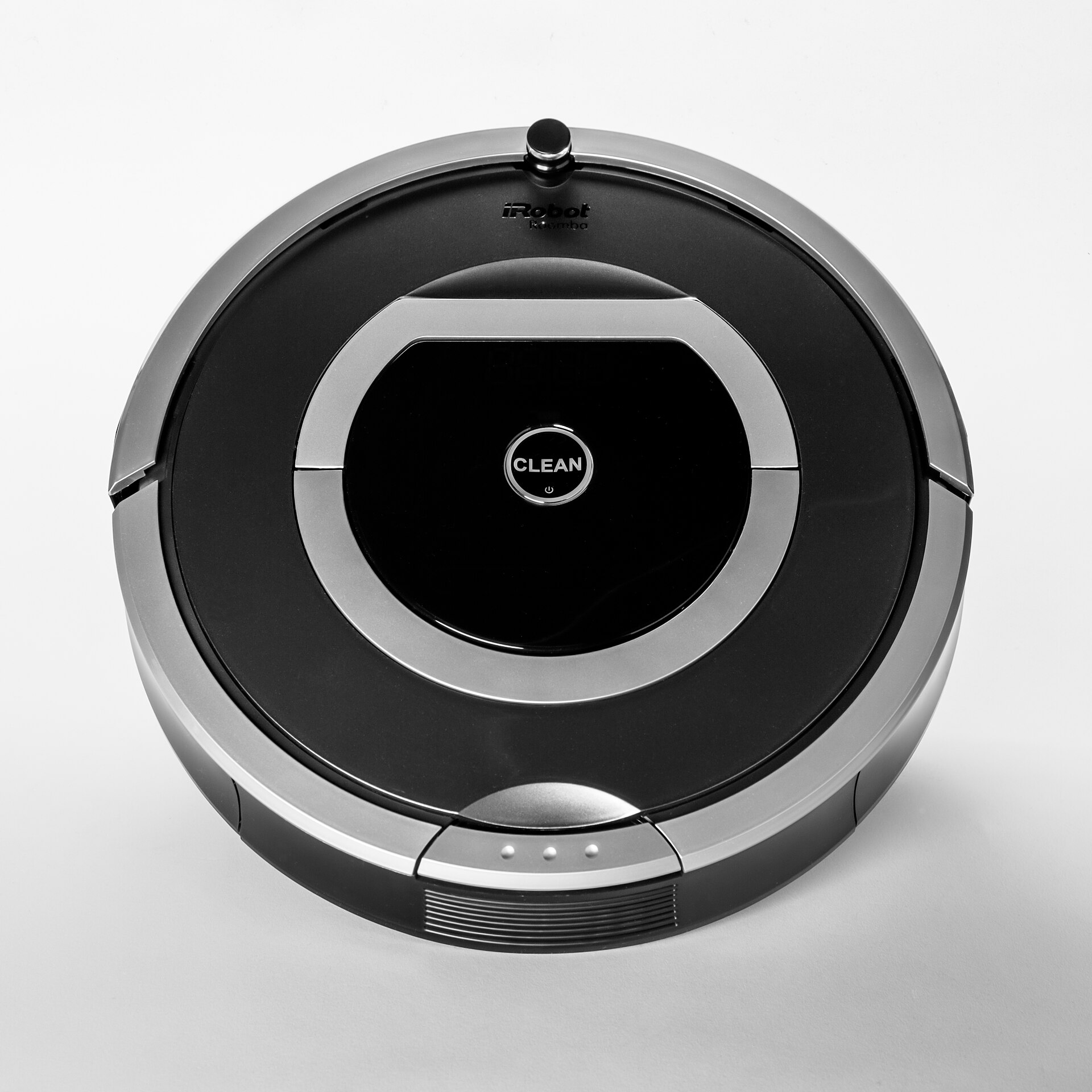
In September 2002, iRobot introduced the Roomba, a disc-shaped device that bumps into furniture and vacuums floors. More than two decades later, that remains the ceiling of consumer robotics. No firm has sold a machine that folds laundry, clears a table, loads a dishwasher, or performs any of the varied physical chores that constitute housework. The gap between what was promised and what exists is not a matter of patience. It is a matter of physics, cost, and the specific failure of manipulation technology in unstructured environments.
The fundamental challenge is that a home is not a factory. Every surface is a different material at a different angle under different lighting. Items arrive in infinite variety: a crumpled T-shirt, a wet sponge, a cereal box that is half empty and half full. A robot that can grasp one cannot grasp the other without entirely new sensing and actuation logic. The field calls this the 'last centimeter' obstacle, and it has resisted the advances in machine learning that transformed language and vision.
The commercial record is brutal. Mayfield Robotics, maker of the Kuri home robot, ceased operations in 2018 after parent company Bosch stopped funding. Anki, which sold the popular Vector and Cozmo devices, shut down in April 2019 after exhausting its capital. Jibo, a social home robot funded by a 2014 Indiegogo campaign, stopped supporting its devices in 2019. In 2022, Dyson discontinued its 360 Eye robot vacuum and shifted away from consumer robotics entirely. The single largest bet on the category, Amazon's $1.7 billion acquisition of iRobot announced in August 2022, collapsed in January 2024 after European Union antitrust regulators blocked it. Amazon paid a termination fee of roughly $94 million, as disclosed in regulatory filings, and iRobot laid off about 350 employees, or 31 percent of its workforce, the same day.

Manipulation Is the Hard Part
Why Vacuums Win by Avoiding the Real Job
Robot vacuums succeed because they avoid the hardest problems. They do not pick anything up. They do not identify items. They navigate by bumping or by simple lidar maps that treat everything as an obstacle to avoid. A general-purpose home robot must do the opposite: it must identify, classify, and manipulate articles that vary in shape, weight, texture, and deformability.
The Tyranny of the Towel and the Dishwasher
Clothing is a particularly punishing case. A towel on a bathroom floor is not a rigid body. It has no fixed geometry. It can be folded, bunched, draped over a hook, or wedged between a toilet and a wall. Grasping it requires the robot to compute a grasp point on a surface that changes shape the moment force is applied. The same difficulty applies to loading a dishwasher, where plates may be stacked, nested, or coated in residue. In research labs, these tasks are demonstrated under controlled lighting with known items at known positions. In a real home, the robot must handle a wet noodle, a crumpled receipt, and a wine glass that might tip if touched at the wrong angle.
Perception's Brittle Frontier
The perception puzzle is equally severe. A robot needs to distinguish a clean dish from a dirty one, a ripe avocado from a bruised one, a child's toy from a piece of trash. Computer vision has improved dramatically, but it remains brittle in the face of occlusion, poor lighting, and the sheer variety of household articles. A model trained on a library of coffee mugs fails when it encounters a mug with a novelty shape or one that is half full of liquid with a spoon sticking out.
The Cost Ceiling of General-Purpose Hardware
The Arithmetic of Arms and Sensors
A robot vacuum costs between roughly $200 and $1,000, depending on the manufacturer's suggested retail price and feature tier. A general-purpose robot requires arms, grippers, multiple cameras, force-torque sensors, and a compute module capable of running real-time perception and planning models. The hardware bill alone for a research platform like a Franka Emika Panda arm sits in the neighborhood of $20,000, per the manufacturer's list price. Adding a mobile base, a battery system that lasts more than an hour, and safety-rated sensors pushes the cost toward the $50,000 mark. Households do not pay that for a device that might drop their dishes.
The Volume Trap
Single-task devices amortize their engineering cost over millions of units. The Roomba has sold tens of millions of units since 2002. A general-purpose robot would sell far fewer units at far higher prices, creating a chicken-and-egg bind: without volume, component costs stay high, and without low costs, volume never arrives.
The Middle Ground That Isn't
Some outfits have attempted to split the difference. Matician, founded by a former Google Nest executive, was developing a home-cleaning robot as of 2023 that combines mopping and vacuuming with a different form factor. But even that is a narrow extension of the single-task model, not a general-purpose device. The venture's status as of March 2025 is not publicly known.
Simulation Breaks on the Way to the Real World
No Internet-Scale Data for Robots
Modern AI systems in language and vision train on internet-scale data. Robotics cannot. There is no corpus of labeled robot interactions in homes. Every grasp, every step, every collision must be generated by the robot itself, either in simulation or in the real world.
The Wet Towel Gap
Simulation offers a way to generate millions of training examples cheaply. But the gap between simulation and reality is large and poorly understood. A robot trained to fold towels in simulation assumes perfect knowledge of the towel's position, texture, and response to force. In a real home, the towel might be damp, which changes its friction and mass distribution. The lighting might cast shadows that confuse the perception model. The floor might be uneven, altering the robot's base pose. These are not edge cases. They are the normal operating conditions of a household.
Why the 'ChatGPT Moment' Is Not Imminent
Researchers have made progress on sim-to-real transfer for specific tasks like grasping rigid items from bins. But generalizing to deformable articles, clutter, and novel environments remains an open research question. No outfit has demonstrated a system that can reliably pick up any item from any surface in any home. Until that changes, the 'ChatGPT moment' for physical home automation is not imminent.

Safety Is a Constraint That Adds Cost and Complexity
Why the Cage Stays in the Factory
A factory robot operates inside a cage. If it malfunctions, it stops, and a human technician resets it. A home robot operates near children, pets, elderly adults, and people who may not understand its limitations. The consequences of a mistake are not a scratched car door but a broken finger, a knocked-over toddler, or a dog that swallows a grasped item.
Strength, Speed, and the Child's Hand
Safety requirements force trade-offs. The robot must be light enough not to cause injury if it falls, which limits its strength and battery life. It must have collision detection that stops motion within milliseconds, which adds sensor cost. It must be able to handle unexpected contact, like a child grabbing its arm, without applying force. These constraints make the robot slower, weaker, and more expensive than a commercial equivalent.
The Liability Chill
The liability landscape is equally unforgiving. A business that sells a robot that injures a child faces product liability lawsuits that could exceed the entire revenue of the consumer robotics division. This risk discourages investment and pushes firms toward commercial applications where environments are controlled and liability can be contractually allocated.
The Commercial Pivot Is Nearly Complete
Where the Money Went
As home robots have stalled, the robotics industry has redirected investment toward logistics, warehousing, and manufacturing. These environments are structured. The lighting is consistent. The items are known. The tasks are repetitive. The return on investment is measurable in labor savings per shift.
Amazon's Shelves, Not Your Laundry
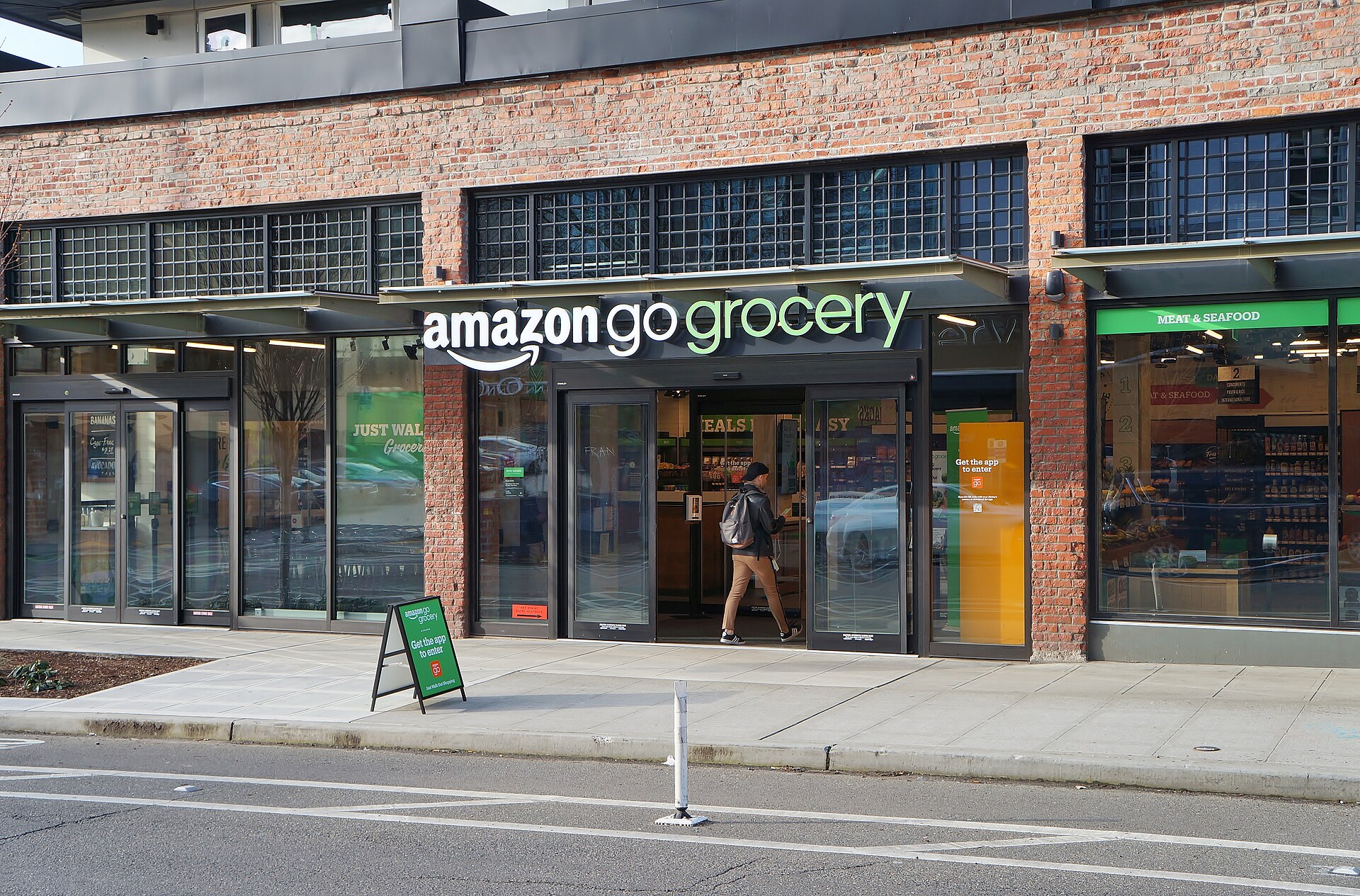
Amazon itself operates hundreds of thousands of mobile robots in its fulfillment centers. These machines do not fold laundry. They move shelves of known dimensions along marked paths. The technical problems are simpler, the safety constraints are more manageable, and the customers are willing to pay for reliability at scale.
Humanoids Are Heading to the Warehouse First
Humanoid robots from outfits like Tesla (Optimus) and Figure AI have attracted substantial investment and media attention. But as of March 2025, neither organization has announced a deployment in a home. Their stated roadmaps target factory and warehouse tasks first, for the same reason: structured environments are easier. The pivot away from homes is not a failure of ambition. It is a rational response to the difficulty of the challenge.
What the Graveyard of Consumer Robots Reveals
The Pattern in the Failures
The list of failed consumer robotics ventures is long and instructive. Mayfield Robotics, Anki, Jibo, and the consumer ambitions of Dyson all ended the same way: they ran out of money before the technology caught up to the promise. The iRobot-Amazon deal was the most expensive attempt to break the pattern, and it ended with a termination fee of roughly $94 million, as disclosed in regulatory filings, and a 31 percent workforce reduction.
The Roomba's Unrepeated Formula
These failures share a common feature. Each organization built a product that was either too limited to justify its price or too expensive to reach a mass market. The Roomba succeeded because it was cheap enough to be an impulse purchase and good enough at its single task to earn a place in the home. No general-purpose robot has cleared that bar.
The Incremental Road Forward
The path to a general-purpose home robot likely runs through incremental progress in manipulation, perception, and simulation, combined with falling hardware costs driven by volume in other sectors. But as of March 2025, no organization has demonstrated a system that works reliably enough, cheaply enough, and safely enough to sell. The stalled promise is not a puzzle. It is a reflection of how hard the predicament actually is.
\nRelated reading: Assistive Technology That Actually Works: A Practical Guide and The Hidden Economics of Video Game Telemetry Data.