Intel's planned semiconductor mega-factory in Magdeburg, Germany, is officially postponed for approximately two years as of September 2024. The decision effectively suspends the project indefinitely. It came as part of a broader restructuring that included a $10 billion cost-reduction program and 15,000 job cuts. Once a flagship of the European Chips Act, the scheme is now on hold pending a future review of market conditions and Intel's financial health.
Intel announced the Magdeburg venture on March 15, 2022, with an initial planned outlay of €17 billion. The German government pledged €6.8 billion in state support. The plan called for two semiconductor fabrication plants, with a groundbreaking ceremony targeted for the first half of 2023. By June 2023, Intel and Berlin had signed a revised letter of intent, lifting the total commitment to more than €30 billion and the state backing to €9.9 billion. Construction was then scheduled to begin in 2024.
That timeline did not hold. In September 2024, CEO Pat Gelsinger announced a two-year postponement, citing anticipated market demand. Intel's financial position had deteriorated. The site in Magdeburg had undergone preparatory work, but the fate of that work and the €9.9 billion budget reservation remain unclear as of November 2024.

The Initial Promise and the Subsidy Package
A landmark foreign investment
When Intel announced the Magdeburg scheme in March 2022, it ranked among the largest single foreign direct investments in German history. The initial €17 billion outlay was meant to build two advanced semiconductor fabrication plants. Berlin's €6.8 billion incentive package was central to attracting cutting-edge chip manufacturing to Europe.
The venture was a key test for the European Chips Act, which aimed to double Europe's share of global semiconductor production to 20% by 2030. Intel's Magdeburg plant was supposed to produce chips using its most advanced process nodes, though the specific node was never disclosed. Construction was slated to start in the first half of 2023, with output expected later in the decade.
Criticism of the incentives
The scale of the state backing drew fire from economists and rival chipmakers, who argued Berlin was overpaying to attract a single facility. The government framed it as a necessary investment in strategic autonomy, reducing dependence on Asian suppliers, particularly TSMC.
Delays and Cost Escalation
Why the first timeline broke
Construction did not begin in 2023. Intel cited rising energy and construction costs as the primary reasons. The war in Ukraine had driven up energy prices across Europe, and inflation had increased the cost of materials and labor. The original economics no longer held.
The renegotiated deal
In June 2023, Intel and Berlin renegotiated. The total commitment was revised upward to more than €30 billion, and the state package grew to €9.9 billion. The new timeline pushed construction start to 2024. The higher figure reflected the increased costs and Intel's demands for more favorable terms. The revised deal was seen as a win for Intel but raised questions about how much Germany was willing to pay for a single plant.
The delays also exposed a broader problem for the European Chips Act: attracting leading-edge manufacturing to Europe is expensive, and the business case can shift rapidly with changes in energy prices, demand, and corporate strategy.
The September 2024 Postponement
The announcement
In September 2024, Intel officially postponed Magdeburg for two years. CEO Pat Gelsinger stated the decision was based on anticipated market demand, not on conditions specific to Germany. The delay was part of a larger restructuring that included a $10 billion cost-reduction program and 15,000 job cuts.
Intel's financial position had deteriorated significantly. The company reported declining revenue and mounting losses in its foundry business, the core of the Magdeburg plant's intended output. The restructuring aimed to stem those losses and refocus on core product lines. A long-term, capital-intensive venture like Magdeburg was an obvious candidate for delay.
Indefinite suspension
The two-year postponement is not a cancellation, but it is effectively an indefinite suspension. Intel has not committed to a new start date. The scheme will only proceed if market conditions improve and Intel's financial health recovers. As of November 2024, no one knows when or if that will happen.

Reaction from German Officials and the Fate of Subsidies
Berlin's response
German officials expressed disappointment but stopped short of withdrawing the offer. The €9.9 billion package was approved by the European Commission under state aid rules, but its reservation in the federal budget is not guaranteed indefinitely. As of November 2024, the status of that reservation is unclear. It may be reallocated to other ventures or held in reserve.
The site work
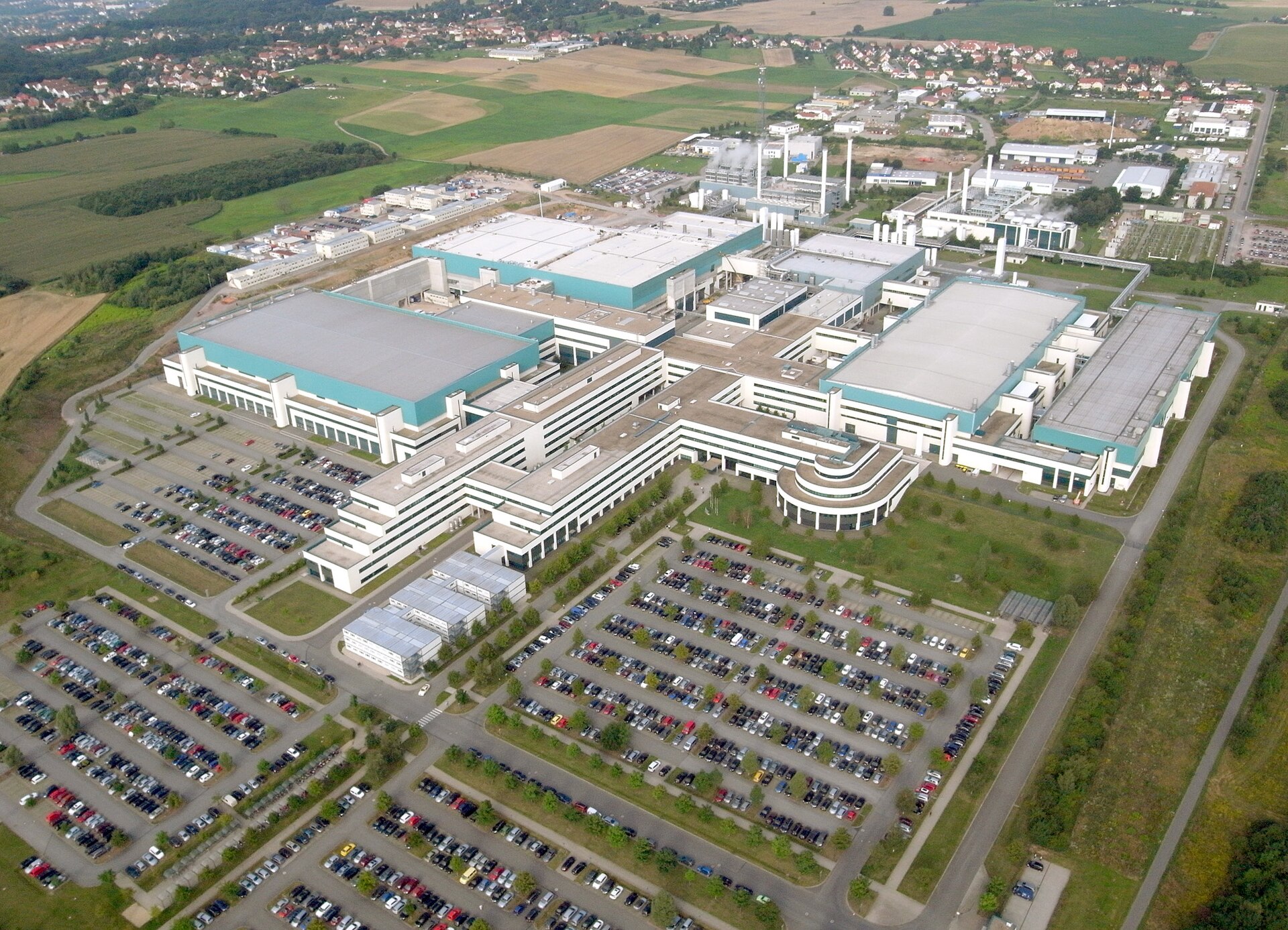
The government had already begun preparatory work on the site, including land clearance and infrastructure improvements. The cost of that work and whether it will be repurposed for another company are not publicly known. Some officials have suggested offering the site to other chipmakers, including TSMC, which is building a facility in Dresden. No such agreement has been announced.
The postponement was a political setback for Chancellor Olaf Scholz's government, which had promoted Magdeburg as a symbol of Germany's industrial future. It also raised questions about the effectiveness of the European Chips Act, which relies heavily on state aid to attract foreign capital.
Broader Implications for European Chip Sovereignty
A blow to self-sufficiency goals
The Magdeburg postponement is a significant blow to the European Chips Act's goal of semiconductor self-sufficiency. The act, adopted in 2023, aimed to mobilize more than €43 billion in public and private money to double Europe's share of global chip production to 20% by 2030. The Magdeburg plant was one of the largest individual efforts under that plan.
Without Magdeburg, Europe's capacity for leading-edge manufacturing will be limited. TSMC is building in Dresden, but it will use older process nodes. Intel's plant was supposed to produce chips at the most advanced nodes, critical for AI, high-performance computing, and advanced military systems. The delay means Europe will remain dependent on Asian and American suppliers for the most advanced chips for at least several more years.
The subsidy model in question
The postponement also raises questions about the viability of the incentive-driven model. If Intel, with €9.9 billion in state backing, cannot make the economics work, other companies may be reluctant to commit. The European Chips Act may need to be revised or supplemented with other policy tools, such as tax incentives, regulatory reform, and public-private partnerships.
What Comes Next for the Magdeburg Site
A cleared site, an empty future
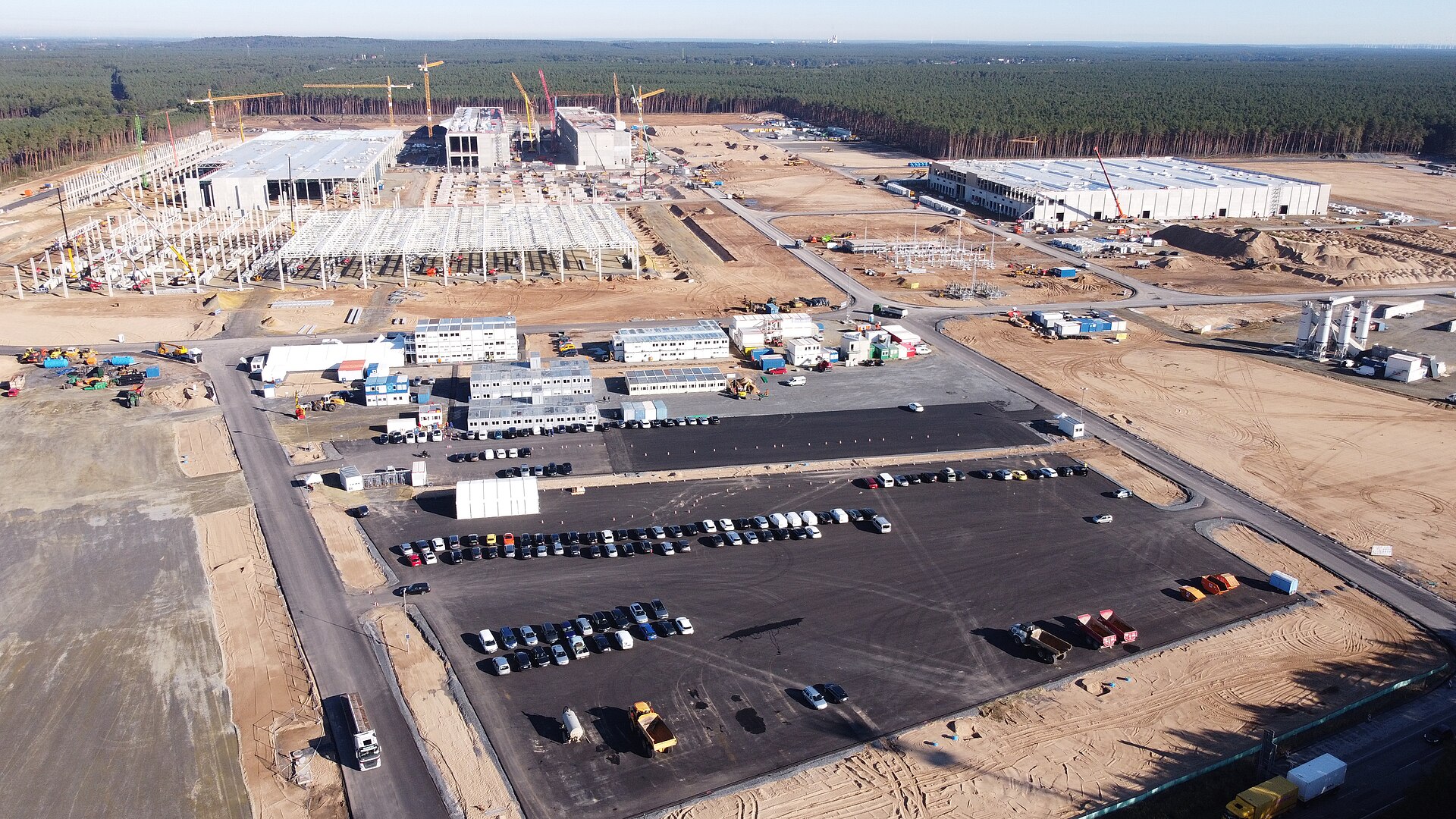
The Magdeburg site is now in limbo. Preparatory work has been completed, but no construction has begun. The land is cleared and ready. It will remain empty for at least two years. Intel has not said whether it will maintain the site or sell it. The company has also not disclosed how much it had already spent before the postponement.
The two-year timeline gives Intel room to reassess market conditions and its own finances. If demand for advanced chips recovers and the restructuring succeeds, the venture could be revived. If not, the site could be sold or repurposed. Berlin has not indicated whether it would support an alternative use, such as a facility by another company.
For now, the Magdeburg mega-factory is a project without a future. The money, the state backing, and the political capital spent on it have not produced a single chip. The story is a cautionary tale about the difficulty of building advanced semiconductor manufacturing capacity from scratch, even with massive government support.