Public-road testing of self-driving technology began in earnest in the mid 2010s, but the landscape shifted decisively on March 18, 2018. That night in Tempe, Arizona, a test car from Uber Advanced Technologies Group struck and killed a pedestrian. The crash was the first fatality involving a fully driverless test platform on a public road, and it forced regulators, firms and the public to confront questions that simulation and closed courses had not answered.
The aftermath was immediate. Uber suspended all testing across every city where it operated. Arizona Governor Doug Ducey revoked Uber's permit to test in the state. The National Transportation Safety Board opened an investigation. Other operators paused voluntarily, then restarted under tighter protocols. The crash did not end public-road testing, but it permanently split the industry into operators who could resume driverless operations and those who never could.
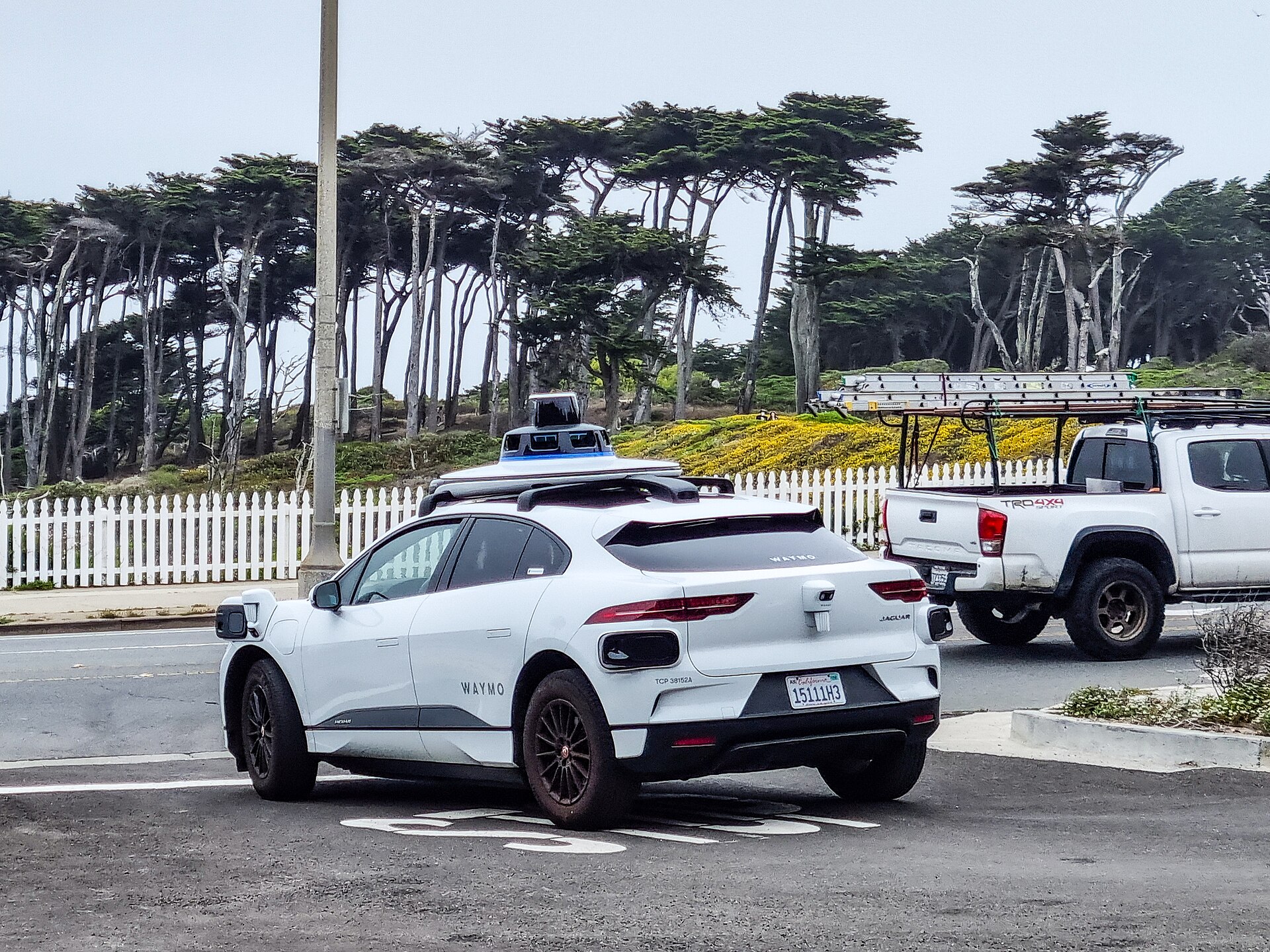
By April 2024, the sector had consolidated around a handful of players. Waymo and Cruise operated commercial services in limited geographies. Uber had exited its own development effort. Tesla continued to sell its Full Self-Driving package to consumers, a regulatory classification that remains contested. Washington had issued only voluntary guidance, leaving states to set the rules that mattered.

The State-Level Patchwork That Defined Where Testing Happened
No single national law governs public-road testing of self-driving cars. The National Highway Traffic Safety Administration (NHTSA) issues guidance, but states issue permits. That created a patchwork in which a handful of states attracted nearly all testing activity.
California was the most demanding. The California Department of Motor Vehicles required firms to submit annual disengagement reports documenting every instance in which a human safety driver had to take control. Those reports became the industry's most detailed public dataset on system failures, though operators argued they discouraged honest reporting. Arizona took the opposite approach. Under Governor Doug Ducey, the state imposed almost no requirements, inviting businesses to test freely. That openness drew Uber, Waymo and others to Phoenix and its suburbs. Nevada and Texas also developed permissive frameworks, with Texas attracting testing on highways and rural roads that California's urban environment could not provide.
The result was geographic specialization. Firms that wanted to test in dense, unpredictable urban settings went to San Francisco. Those that wanted to test in sprawling, grid-pattern suburbs went to Phoenix. Those that wanted highway testing went to Texas or Nevada. No single operator could test everywhere, and the regulatory choice of a single state shaped the data a company collected.
Safety Drivers: From Required to Optional
In the early years, every public-road test involved a safety driver behind the wheel, ready to take over if the system failed. The 2018 Tempe crash exposed the weakness of that model. The NTSB investigation found that the Uber vehicle's safety driver was looking down at a personal phone in the moments before the collision. The system had detected the pedestrian but classified her as a false positive and did not brake. The safety driver did not intervene.
After the crash, operators tightened monitoring. Some installed inward-facing cameras to ensure drivers remained attentive. Others required two safety operators per vehicle. But the longer-term trend was toward eliminating the safety driver entirely. Waymo began operating fully driverless rides in Phoenix in 2019, with no human in the car at all. Cruise followed in San Francisco in 2021, though its cars still operated within a geofenced area and under speed limits.
The transition to driverless operations shifted the risk profile. A car with no safety driver cannot be distracted, but it also cannot handle situations the code has not been trained for. Operators that removed the driver accepted that the platform must handle every scenario it encounters, without human backup. That constraint limited driverless operations to areas that had been mapped exhaustively and where weather was predictable.
The 2018 Tempe Crash and Its Aftermath
The March 18, 2018 crash in Tempe, Arizona, was not the first accident involving a self-driving car, but it was the first fatality. The Uber ATG test platform struck a pedestrian who was crossing a four-lane road outside a crosswalk at night. The NTSB investigation concluded that the car's perception stack had identified the pedestrian about six seconds before impact but did not classify her as a hazard requiring immediate braking. The system's emergency braking function had been disabled to reduce erratic behavior during testing.
The consequences were swift. Uber suspended all public-road testing in all cities. Arizona Governor Doug Ducey suspended Uber's ability to test in the state, ending what had been the company's primary testing location. The NTSB's final report, released in November 2019, cited multiple failures: Uber's safety culture, the vehicle's system design, and the safety driver's inattention. The crash did not lead to legislation from Washington, but it changed how operators approached risk. Several competitors paused testing temporarily and revised their safety protocols. The crash also hardened public skepticism, particularly in cities where testing had been underway without incident.
Uber never resumed its own development of self-driving technology. The company sold its ATG division in December 2020 to Aurora, a startup founded by former Google and Uber engineers. The crash effectively ended Uber's bid to become a developer of driverless platforms.
The Competitive Landscape: Waymo, Cruise, Uber, Tesla
By April 2024, the competitive field had narrowed to two operators running commercial driverless services: Waymo and Cruise. Waymo originated as the Google Self-Driving Car Project and began testing on public roads in 2009. It operated in Phoenix and San Francisco, with expansion plans constrained by the need to map and validate each new geography. Cruise, a subsidiary of General Motors, conducted extensive testing in San Francisco and launched a commercial service in the city in 2022. Both relied on lidar, radar and high-definition maps, and both operated only in good weather within geofenced areas.
Uber ATG had been a third contender before the 2018 crash. After the incident and the subsequent sale to Aurora, Uber no longer developed its own technology. Tesla took a fundamentally different approach. It sold a system called Full Self-Driving (FSD) to consumers and allowed them to use it on public roads. Tesla did not submit disengagement reports to California's DMV because it classified FSD as a driver-assistance feature, not a self-driving system. Regulators and safety advocates disputed that classification, but Tesla continued to sell the package as a consumer product rather than a testing program.
The methodological divide mattered. Waymo and Cruise designed systems that could not operate without safety drivers or remote monitoring. Tesla designed a system that relied on the driver to supervise at all times. The two approaches were not competing on the same metric.

Federal Guidance Without Federal Authority
NHTSA has never issued a binding regulation that governs public-road testing of self-driving cars. Instead, it has produced a series of voluntary guidance documents. In September 2017, NHTSA released 'A Vision for Safety,' which encouraged businesses to submit a voluntary safety self-assessment describing how they addressed 12 safety principles. The document replaced an earlier, more detailed framework from 2016 that had been criticized by industry as too prescriptive.
The voluntary approach meant that operators could choose whether to disclose their safety practices. Many did, but the documents varied widely in detail. Some ran to dozens of pages; others were brief summaries. NHTSA had no authority to require changes or to suspend testing based on a company's self-assessment. The agency could investigate crashes after they occurred, as it did with the 2018 Uber fatality, but it could not prevent them.
Industry advocates argued that binding national rules would create a single standard and prevent the state-level patchwork. Critics argued that any Washington rule would be outdated by the time it was published, given the pace of code development. As of April 2024, no congressional legislation on self-driving car testing had passed. NHTSA continued to issue guidance and to investigate incidents, but the states remained the primary regulators.
Technical Challenges That Limited Where and When Testing Could Occur
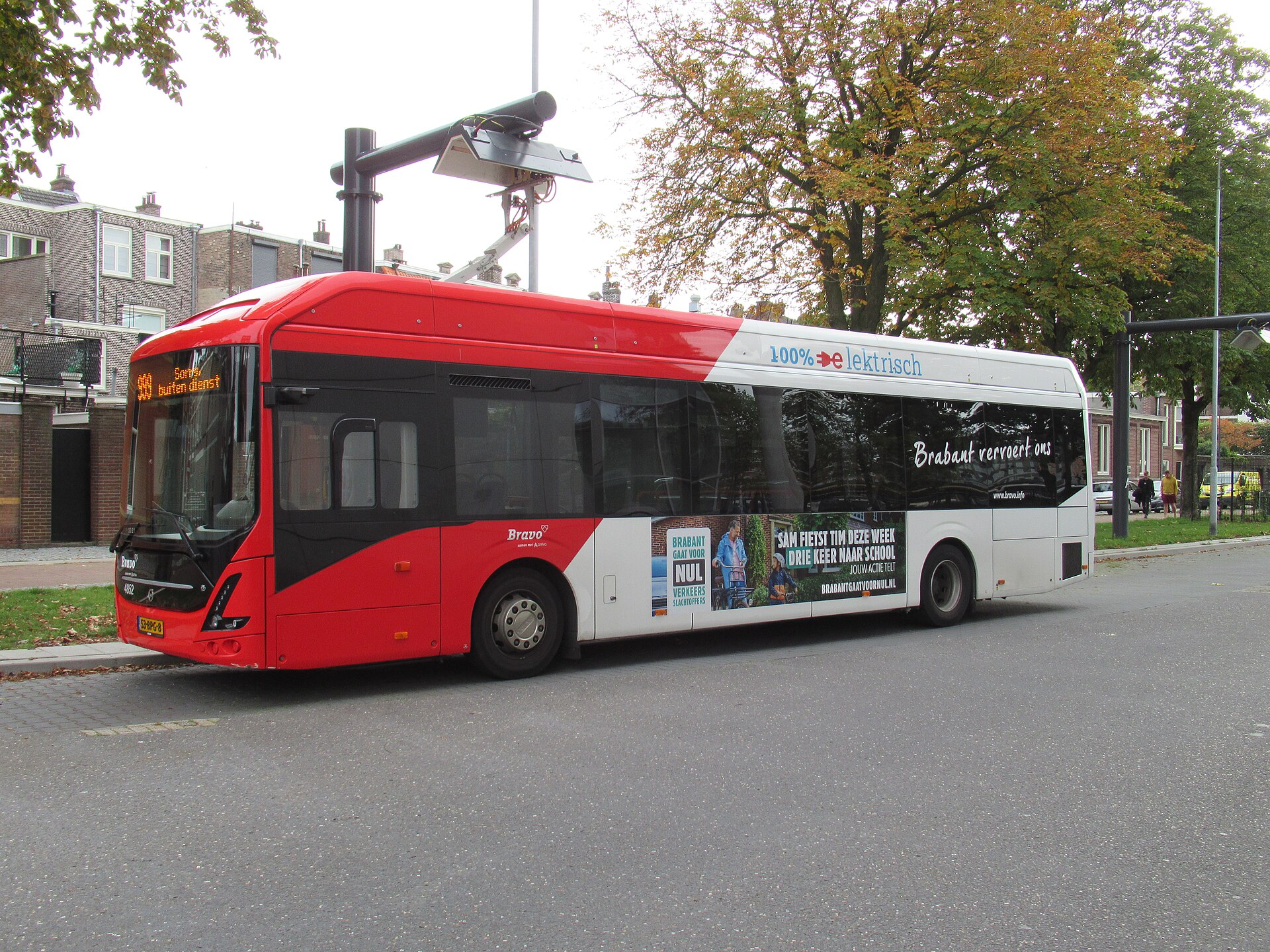
Public-road testing exposed self-driving systems to conditions that simulation could not replicate. Construction zones required cars to interpret temporary lane markings, cones, and hand signals from workers. Emergency vehicles forced systems to detect flashing lights and sirens and to yield in ways that human drivers handle intuitively. Adverse weather, particularly rain and snow, degraded lidar and camera performance, causing some operators to suspend testing on days with heavy precipitation.
Geofencing became the industry's primary solution. Businesses defined the boundaries within which their platforms could operate safely, and the car would not cross them. Waymo's service area in Phoenix covered a grid of suburban streets with wide lanes, clear signage, and predictable traffic patterns. Cruise's service area in San Francisco covered a dense urban core but excluded hills and tunnels that interfered with sensor coverage. Both expanded their geofences gradually, adding new roads only after the system had validated them through supervised testing.
The technical challenges meant that no operator ran a truly general-purpose driverless platform by April 2024. Every system was constrained by geography, weather and infrastructure. The businesses that acknowledged those constraints publicly, and designed their operations around them, were the ones that maintained regulatory permission and public tolerance. Those that overstated capability, or that treated public roads as a testing ground for unfinished code, faced suspension, lawsuits and reputational damage.
Key Facts
- First AV fatality on a public road: March 18, 2018, Tempe, Arizona. Uber ATG test vehicle struck and killed a pedestrian.
- Immediate regulatory response: Uber suspended all public-road testing. Arizona Governor Doug Ducey suspended Uber's state testing permit.
- Federal guidance (non-binding): NHTSA released 'A Vision for Safety' in September 2017, a voluntary self-assessment framework.
- State with most detailed reporting requirement: California. DMV requires annual disengagement reports from all companies testing autonomous vehicles.
- Origin of Waymo: Google Self-Driving Car Project.
- Cruise ownership: Subsidiary of General Motors.
State Regulatory Approaches to AV Testing (as of April 2024)
| State | Permit Required | Disengagement Reporting | Safety Driver Requirement | Notable Operator(s) |
|---|---|---|---|---|
| California | Yes | Annual reports required | Required for testing; driverless permits available | Waymo, Cruise |
| Arizona | No state permit required | Not required | Not mandated by state | Waymo (after Uber suspended) |
| Nevada | Yes | Not required | Required for testing | Aptiv, Lyft (historic) |
| Texas | No state permit required | Not required | Not mandated by state | Aurora, Waymo (highway testing) |
Frequently Asked Questions
Did any company resume testing after the 2018 Uber crash?
Yes. Waymo and Cruise resumed testing after internal reviews. Uber never resumed its own autonomous testing program and sold its ATG division in December 2020.
Is Tesla's Full Self-Driving considered autonomous vehicle testing?
Tesla classifies FSD as a driver-assistance feature, not an autonomous system. Regulators and safety advocates dispute that classification. Tesla does not submit disengagement reports to California's DMV.
Can autonomous vehicles operate in rain or snow?
Most companies limit operations to clear weather. Rain and snow degrade lidar and camera performance. Companies such as Waymo and Cruise suspend service during heavy precipitation.
What is a geofence and why does it matter?
A geofence is a virtual boundary that defines where an autonomous vehicle can operate. Companies use geofences to limit operations to areas they have mapped and validated, excluding roads with challenging conditions.