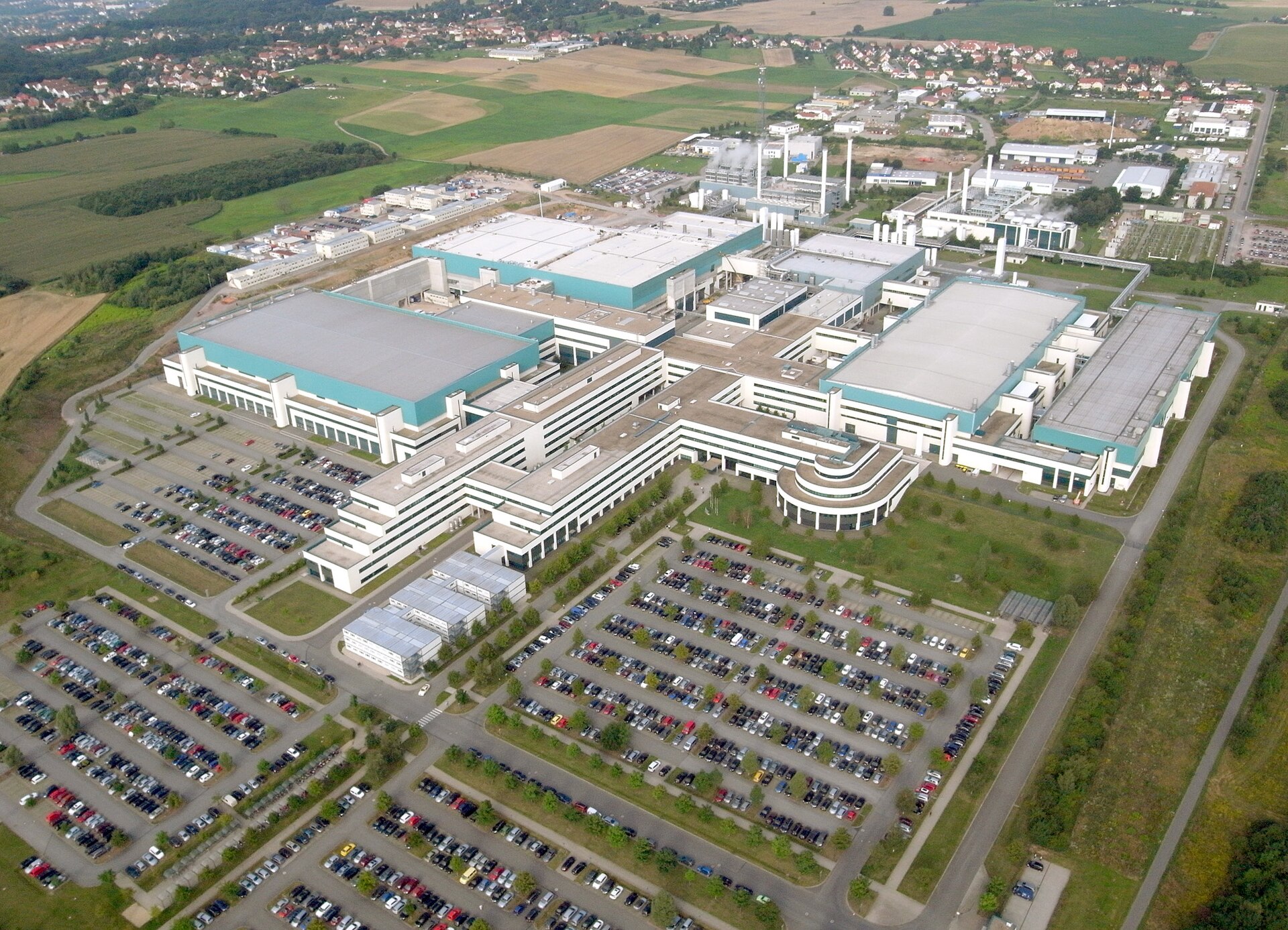
In March 2024, the US Department of Commerce proposed up to $8.5 billion in direct funding for Intel under the CHIPS and Science Act. The award, the largest outlined for a single company to date, is meant to back construction and expansion of the company's semiconductor fabrication and advanced packaging facilities across four states. Intel is also eligible for up to $11 billion in federal loans and plans to claim a Treasury Investment Tax Credit of up to 25% on qualified capital expenditures.
The proposed funding is a non-binding preliminary memorandum of terms. It is not a final contract. The Commerce Department and Intel must complete due diligence before the award is finalized. The announcement marks a significant step in the US government's effort to rebuild domestic leading-edge logic chip production, a capability that has largely shifted to Asia over the past three decades.
Intel's projects span Arizona, Ohio, New Mexico, and Oregon. The facilities will focus on producing leading-edge logic chips and advanced packaging, technologies critical for artificial intelligence, data centers, and defense systems. The CHIPS Program Office within the Commerce Department will oversee the award process.

The Largest Single CHIPS Act Award to Date
The $8.5 billion proposed direct funding for Intel surpasses any previous CHIPS Act award to a single company. The act, passed in 2022, allocated $52.7 billion for US semiconductor production, research, and workforce development. Prior awards included $1.5 billion for GlobalFoundries and a sum for Microchip Technology that the Commerce Department set at roughly one-fiftieth of Intel's proposed figure, making the chipmaker's award the largest by a wide margin.
The $11 billion in federal loans come from a separate CHIPS Act program that allows the Commerce Department to provide loans and loan guarantees. Intel also plans to claim the Investment Tax Credit, which could reduce its tax liability by up to 25% of qualified capital expenditures. Combined, the direct funding, loans, and tax credit could deliver tens of billions of dollars in federal support for the company's domestic projects.
The size of the award reflects the scale of the chipmaker's ambitions. Intel has announced plans to invest heavily over five years to build and expand fabs in the US and Europe. The CHIPS Act funding is intended to accelerate those investments and reduce US reliance on foreign semiconductor suppliers.
Projects Across Four States
Arizona: Two New Leading-Edge Logic Fabs
The proposed funding supports Intel facilities in Arizona, Ohio, New Mexico, and Oregon. In Arizona, the chipmaker is building two new leading-edge logic fabs in Chandler, part of an expansion announced in 2021. The fabs will use the company's Intel 20A and Intel 18A process technologies, which Intel says will be competitive with Taiwan Semiconductor Manufacturing Company's most advanced nodes.
Ohio: A Delayed Megaproject
In Ohio, Intel's planned project near Columbus includes two new fabs. Construction began in 2022, but the timeline has faced delays. The CHIPS Act funding is intended to help keep the project on track.
New Mexico and Oregon: Packaging and R&D
In New Mexico, the chipmaker is expanding its existing facility in Rio Rancho to focus on advanced packaging, a technology that stacks chips to improve performance and reduce power consumption. In Oregon, Intel's Hillsboro campus will receive upgrades for research and development. The company's D1X facility in Oregon is its primary R&D fab for developing new process technologies. The Commerce Department's proposed funding supports equipment purchases and facility modifications across all four states.
Key Facts
- Proposed direct funding: Up to $8.5 billion
- Federal loans available: Up to $11 billion
- Investment Tax Credit: Up to 25% on qualified capital expenditures
- States with Intel projects: Arizona, Ohio, New Mexico, Oregon
- Award type: Non-binding preliminary memorandum of terms (PMT)
- Announcement date: March 2024
- Oversight body: US Department of Commerce, CHIPS Program Office
Non-Binding Terms and Due Diligence
The proposed award is a preliminary memorandum of terms, a non-binding document that outlines the basic conditions of the funding. The Commerce Department and Intel must negotiate a final contract, which will include specific milestones, reporting requirements, and clawback provisions. The due diligence process typically takes several months.
The CHIPS Program Office will evaluate the chipmaker's financial projections, technical capabilities, and compliance with the act's requirements. The office has said it will require companies to share excess profits with the government if projects outperform expectations. It will also restrict firms from using CHIPS Act funds for stock buybacks or dividend payments.
Intel must also meet workforce development commitments, including partnerships with local colleges and apprenticeship programs. The chipmaker has pledged to create thousands of construction and factory jobs across the four states. The Commerce Department will monitor progress and can reduce or revoke funding if Intel fails to meet its obligations.

Strategic Rationale: Economic and National Security
The US government's push to onshore leading-edge chip production stems from concerns about supply chain resilience and national security. In 2023, the US produced about 10% of the world's semiconductors, down from 37% in 1990. Most advanced logic chips are made in Taiwan and South Korea.
That concentration risk is one policymakers view as unacceptable for defense and critical infrastructure. The CHIPS Act is designed to reduce this dependence by subsidizing domestic fabrication. Intel, as the only US-based company capable of producing leading-edge logic chips, is a central beneficiary. The chipmaker's foundry business, Intel Foundry Services, aims to produce chips for other companies, including potential US defense contractors.
The Commerce Department has said the Intel award is expected to create more than 10,000 factory jobs and 20,000 construction jobs across the four states. The projects are also expected to support tens of thousands of indirect jobs in suppliers and local businesses. The economic impact is a key selling point for the administration, which has made domestic production a priority.
Intel Projects Supported by Proposed CHIPS Act Funding
| State | Location | Project Type | Process Technology | Status as of March 2024 |
|---|---|---|---|---|
| Arizona | Chandler | Two new leading-edge logic fabs | Intel 20A, Intel 18A | Under construction |
| Ohio | New Albany (near Columbus) | Two new leading-edge logic fabs | To be determined | Under construction, timeline delayed |
| New Mexico | Rio Rancho | Advanced packaging facility expansion | N/A | Equipment installation ongoing |
| Oregon | Hillsboro | R&D fab upgrades (D1X) | N/A | Planning phase |
Frequently Asked Questions
Is the $8.5 billion award final?
No. As of March 2024, the award is a non-binding preliminary memorandum of terms. The Commerce Department and Intel must complete due diligence and negotiate a final contract before any funds are disbursed.
What happens if Intel does not meet its commitments?
The final contract will include milestones and clawback provisions. The Commerce Department can reduce, suspend, or revoke funding if Intel fails to meet its obligations, including workforce and production targets.
How does this award compare to other CHIPS Act awards?
The proposed $8.5 billion for Intel is the largest single award to date. For comparison, GlobalFoundries received $1.5 billion, and Microchip Technology received a much smaller sum set by the Commerce Department. The Intel award is roughly five times larger than any previous single-company award.