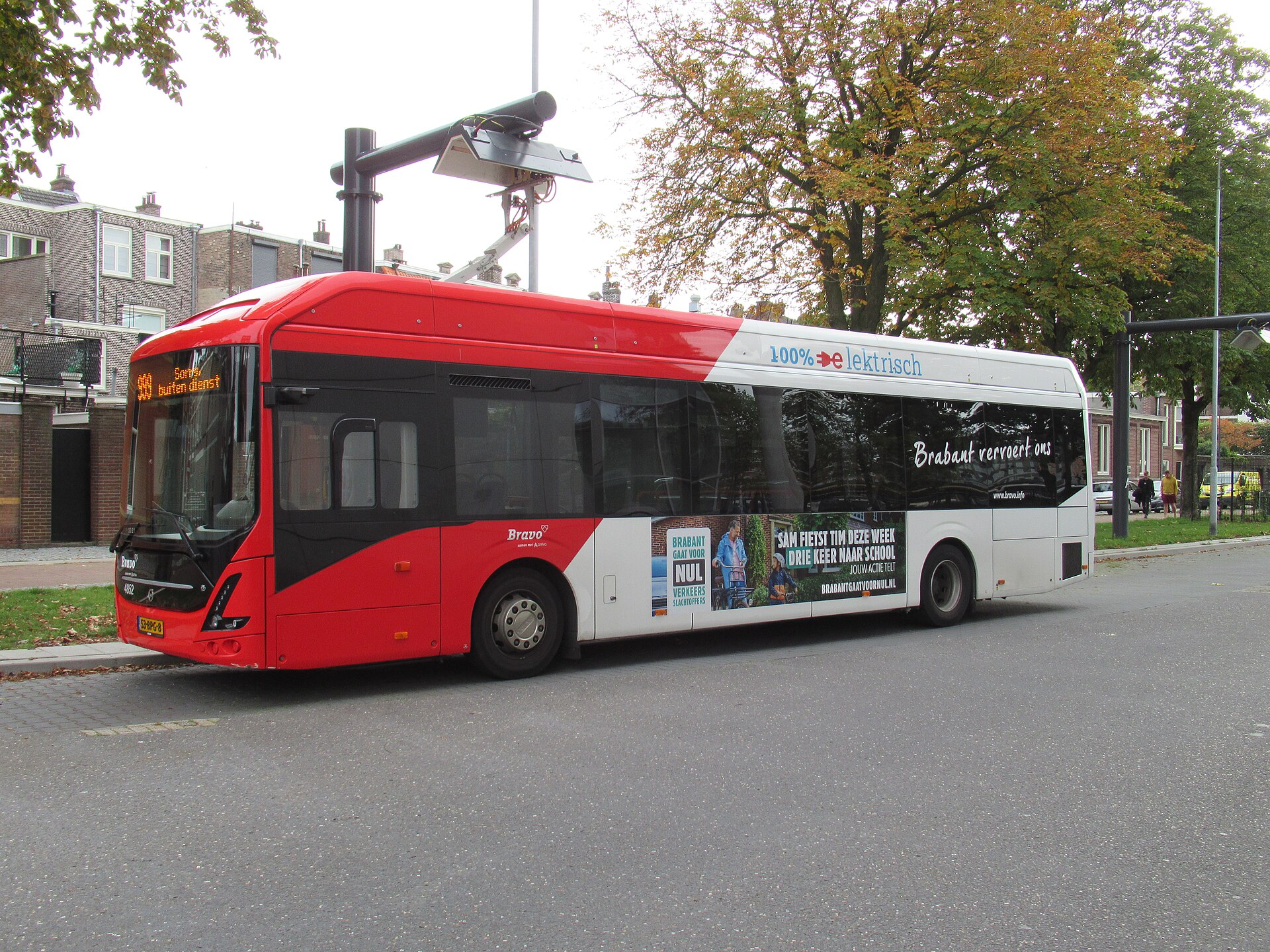
In early 2019, Singapore put a full-sized driverless electric bus onto public roads for the first time. The Volvo 7900 Electric, a 12-meter single-decker with room for 80 passengers, shuttled between Nanyang Technological University (NTU) and CleanTech Park. A safety driver sat behind the wheel on every trip, ready to override the system at a moment's notice.
The scheduled test period ran its course and was judged a success. But the bus itself never entered permanent public service. Instead, the project fed data into Singapore's subsequent driverless deployments. The consortium behind the work included Volvo Buses and NTU, with the Land Transport Authority (LTA) providing regulatory oversight. The route linked the NTU campus to a business park dedicated to sustainable technologies, a fitting pairing for a trial under Singapore's Smart Nation push to put self-driving vehicles into public transport.

The Vehicle and Its Route
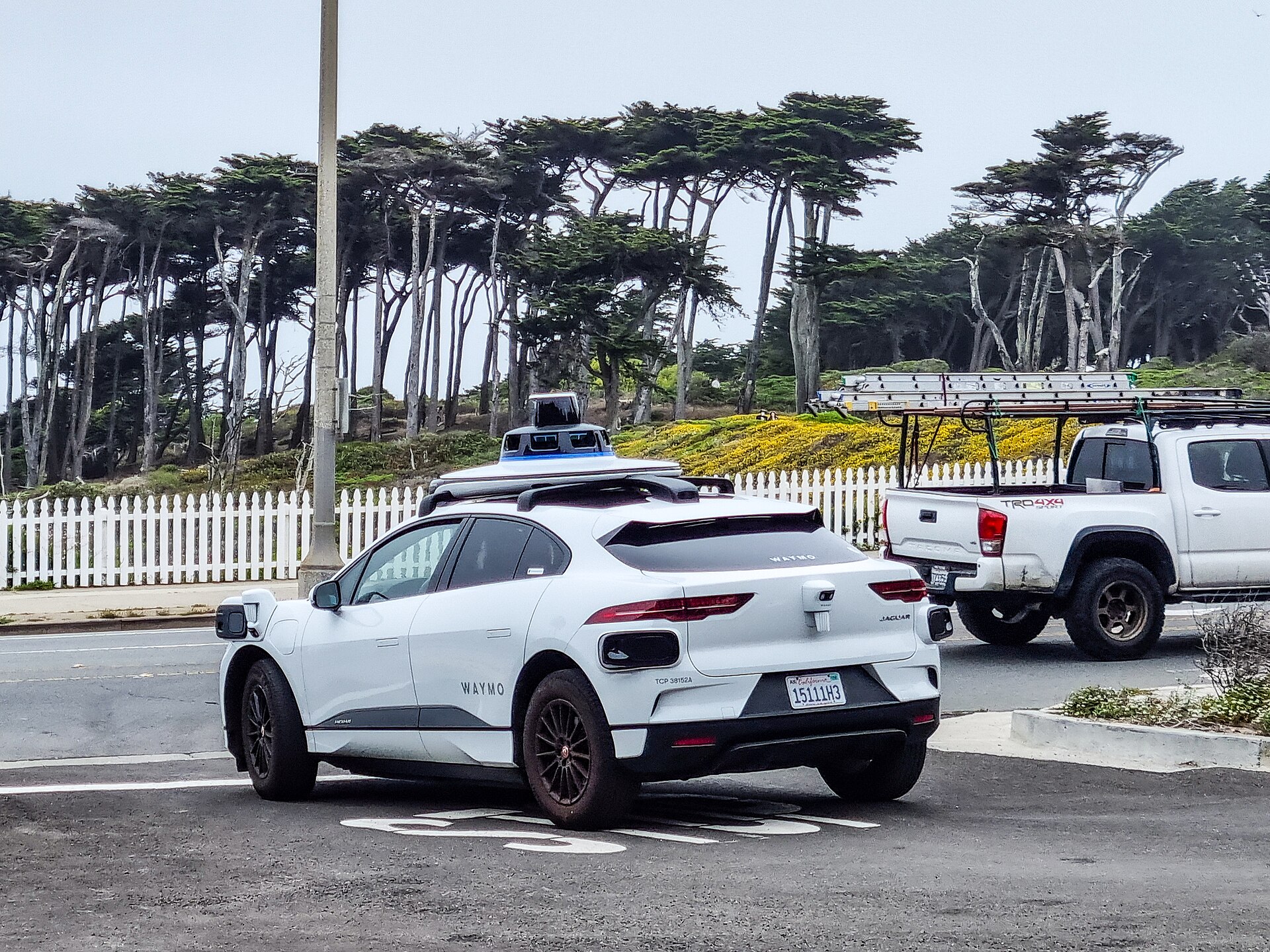
The Volvo 7900 Electric carried a sensor suite that included lidar, stereo-vision cameras and a precision GPS. Together these systems let the bus spot obstacles, track lane markings and follow a pre-mapped corridor with no deviation.
The corridor ran roughly 1.5 kilometers between NTU and CleanTech Park in western Singapore. CleanTech Park hosts companies working on clean technology and sustainable development. The roads between the two points carried a mix of cars, pedestrians and cyclists, giving the trial real-world complexity without the density of central Singapore.
NTU already had research partnerships with Volvo and other driverless-technology developers. CleanTech Park offered a controlled, lower-traffic setting ideal for an initial public-road test. The route also served a practical need: it connected a university campus to a business park where many NTU graduates work.
The Consortium and Their Roles
Volvo Buses
Volvo Buses supplied the vehicle and its automated driving technology. The Swedish manufacturer had already tested self-driving buses in Sweden and Belgium, and it brought that experience to Singapore's challenging conditions: high humidity, frequent rain and dense traffic in some areas.
Nanyang Technological University
NTU contributed research expertise and testing infrastructure. The university had an established driverless-vehicle program and had built test tracks on its campus. NTU researchers worked alongside Volvo engineers to adapt the bus to local traffic patterns.
Land Transport Authority
The LTA granted the regulatory approvals and built the legal framework for public-road testing. That framework mandated a safety driver, capped operating speeds and set permitted hours. The authority also collected data from the trial to shape future policy.
Regulatory Framework and Safety Measures
The LTA required a safety driver on board at all times. The driver could grab the wheel or hit a button to take control instantly. Each driver was trained to monitor the bus's behavior and intervene if the automated system misjudged a situation or encountered something unexpected.
The bus was capped at 20 kilometers per hour. It ran only in daylight and in good weather. Its route was mapped in advance, and the system was programmed to follow that path precisely. It could not choose an alternative route or make independent navigation decisions.
How the sensor stack worked
Lidar units built a 3D map of the surroundings. Stereo-vision cameras detected objects and lane markings. A high-precision GPS provided location data. Together these components let the bus navigate the route, detect obstacles and stop or slow down as needed.
The Trial in the Context of Singapore's Smart Nation Initiative
Singapore launched its Smart Nation initiative in 2014 with a mandate to use technology to make the city-state more efficient and improve daily life. Self-driving buses and shuttles sit at the center of that vision, particularly for first-mile and last-mile connections.
The NTU-CleanTech Park trial was one of several driverless pilots across the country. Others have tested automated shuttles in residential neighborhoods, robo-taxis in business districts and autonomous trucks at the port. Data from all these projects flows into a central LTA database that refines regulations and identifies the most promising use cases.
The Volvo trial concluded successfully, but the bus did not enter permanent service. The consortium partners continued their research collaboration. The LTA used the trial's data to plan its next moves, including a larger autonomous bus trial in 2022. As of April 2024, Singapore had yet to deploy self-driving buses for regular public transport. The trials, however, have supplied the evidence needed to get closer to that goal.
Key Facts
- Vehicle: Volvo 7900 Electric, full-sized single-deck electric bus
- Length: 12 meters
- Passenger capacity: Up to 80 passengers
- Route: NTU to CleanTech Park, approximately 1.5 kilometers
- Trial start: Early 2019
- Consortium: Volvo Buses, Nanyang Technological University (NTU)
- Regulatory body: Land Transport Authority (LTA) of Singapore
- Safety measure: Safety driver on board at all times
- Outcome: Trial concluded successfully; bus did not enter permanent service
Frequently Asked Questions
What was the purpose of the driverless bus trial in Singapore?
The trial was part of Singapore's Smart Nation initiative to test autonomous vehicle technology for public transport. It aimed to gather data on how autonomous buses perform on public roads and to inform future deployments.
Who operated the driverless bus during the trial?
The bus was operated by a consortium that included Volvo Buses and Nanyang Technological University. The Land Transport Authority of Singapore oversaw the trial.
Is the driverless bus still in operation?
No. The specific trial concluded after its scheduled test period, and the bus did not enter permanent public service. The data from the trial informed subsequent autonomous vehicle projects in Singapore.
What sensors did the bus use?
The bus was equipped with lidar sensors, stereo-vision cameras, and an advanced GPS system.
Was the bus completely driverless?
No. A safety driver was present on board at all times to take control if necessary.