Elie Younes left his position as Executive Vice President and Global Chief Development Officer of Radisson Hotel Group. His exit, reported in late 2023 or early 2024 depending on the source, ends a tenure that began in 2013 when the business was still known as Carlson Rezidor Hotel Group. Younes oversaw the rebranding to Radisson Hotel Group in 2018 and led global development strategy under the ownership of Jin Jiang International, the Chinese state-owned hospitality conglomerate.
Radisson Hotel Group has not announced a permanent successor. The organization has instead put in place an interim leadership plan to manage the global development function. The CEO issued a statement thanking Younes for his contributions but did not specify the reason for his exit. Younes has not publicly disclosed his next move, leaving open whether he will join a competitor, start his own venture, or take a different role in the industry.
The timing matters. Radisson has been working to expand its pipeline in Europe, the Middle East, and Africa. Younes was the public face of that push. His absence creates a gap at the top of the development team during a period when the group is competing for signings against larger rivals such as Marriott, Hilton, and Accor.

Younes Joined Radisson in 2013, Before the Rebranding
Elie Younes joined Radisson Hotel Group in 2013 when it operated as Carlson Rezidor Hotel Group. The enterprise was a joint venture between Carlson, a U.S. travel and hospitality firm, and Rezidor Hotel Group, a European operator. Younes came on board as a senior development executive and rose to become Executive Vice President and Global Chief Development Officer, a role that put him in charge of worldwide hotel signings and openings.
During his first years, the group operated under a dual brand structure. Carlson's brands, including Radisson and Country Inn & Suites, were managed alongside Rezidor's portfolio. In 2018, the entire operation rebranded to Radisson Hotel Group, consolidating its brands under a single name. Younes was part of the leadership team that executed that transition. The move also unified the development approach across regions.
Jin Jiang International acquired a controlling stake in 2018, completing a process that had begun earlier. The Chinese state-owned entity brought financial backing and a shift in strategic priorities. Younes continued to lead development under the new ownership structure, blending Jin Jiang's existing hotel assets with Radisson's future signings. That integration defined much of his later tenure.
Key Growth Milestones Under His Leadership
Younes oversaw a period of significant expansion. During his tenure, the group signed and opened hotels across multiple regions. While exact numbers are not publicly confirmed by the enterprise in a single audited figure, Radisson reported in its annual updates that it added more than 200 hotels per year in several of the years Younes led development.
The group entered new markets in Africa, the Middle East, and Asia Pacific. Radisson opened its first hotels in Ethiopia, Ghana, and Bangladesh. It also expanded its presence in China, leveraging Jin Jiang's domestic network to grow the Radisson brand in a market where the parent already had a large footprint.
A Shift Toward Conversions and New Brands
Younes also pushed the conversion and franchise strategy. Rather than relying solely on new-build projects, Radisson increased its share of conversion deals, where existing hotels are rebranded under a Radisson flag. This approach accelerated growth without the capital intensity of ground-up construction. The group launched Radisson RED, a lifestyle brand aimed at younger travelers, and Radisson Individuals, a soft brand for independent hotels, during his watch.
The Rebranding to Radisson Hotel Group in 2018
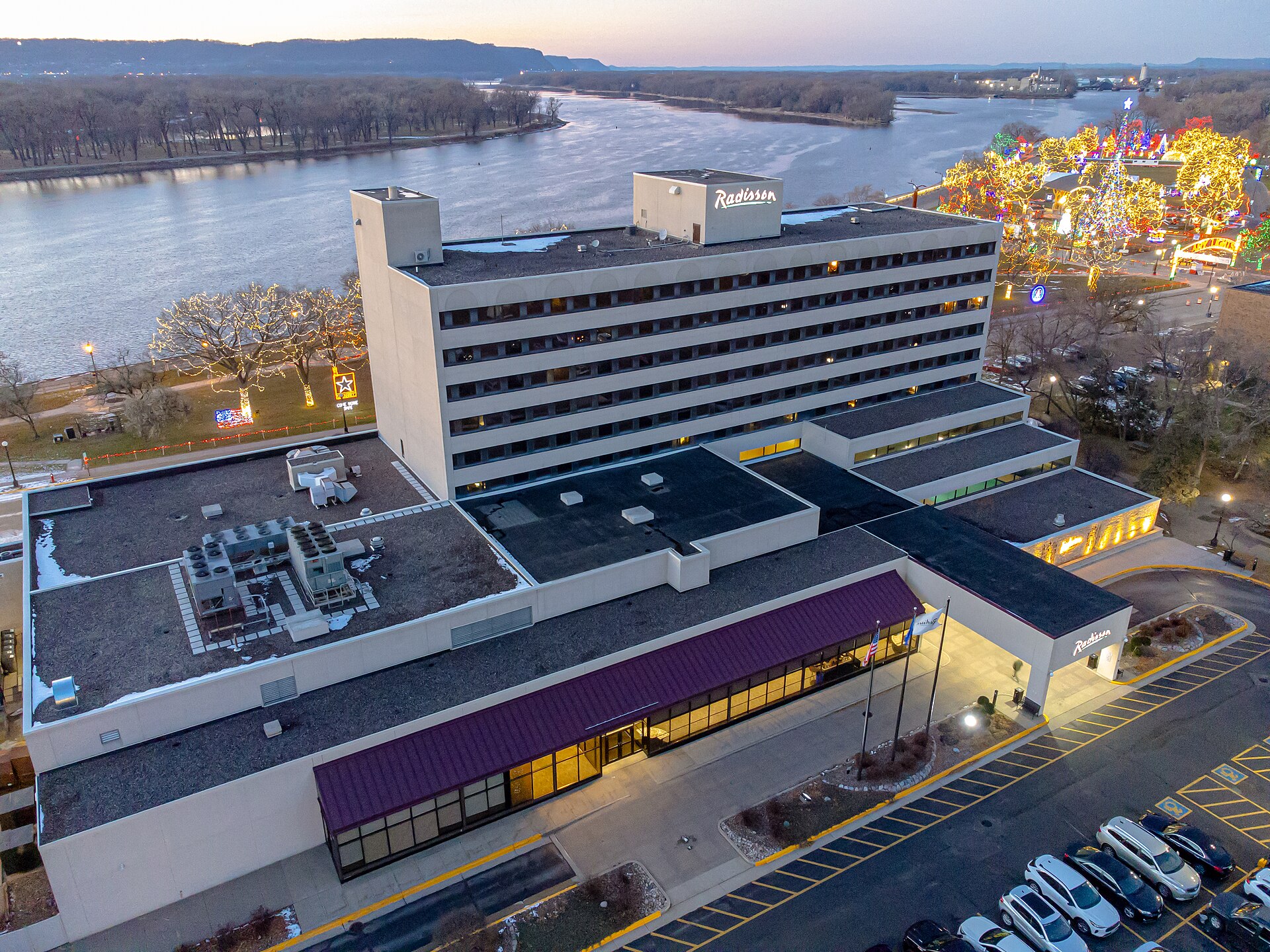
The decision to rebrand from Carlson Rezidor Hotel Group to Radisson Hotel Group in 2018 was a defining moment. Younes was involved in communiating the change to developers, owners, and franchisees. The rebranding simplified the identity, placing the Radisson name at the center of a portfolio that included Radisson Blu, Radisson RED, Park Inn by Radisson, and Country Inn & Suites by Radisson.
The change also signaled a strategy shift. The group wanted to be seen as a single global player rather than a collection of regional brands. Younes's development team had to convince hotel owners that the rebranding would increase brand recognition and drive revenue. In markets where the Carlson or Rezidor names had stronger recognition, the transition required careful messaging.
Jin Jiang's Role in the New Identity
Jin Jiang's ownership added another layer. The Chinese state-owned firm had acquired a majority stake in 2018, and the rebranding aligned the group's identity with the global ambitions of its parent. Younes worked with Jin Jiang's leadership to ensure that the development pipeline matched the parent's expectations for growth, particularly in China and other Asian markets. That alignment became a cornerstone of the post-rebranding strategy.
Interim Leadership and Succession Plan
Radisson Hotel Group has not named a permanent successor. Instead, the enterprise put an interim structure in place. Regional development heads now report directly to the CEO or to a senior corporate officer, depending on the region. This arrangement is intended to maintain momentum while the search for a permanent replacement continues.
The lack of a named successor is unusual for a role of this size. Global development chiefs at major hotel groups are typically replaced quickly to avoid disruptions to the deal flow. Radisson's decision to go with an interim plan suggests either that the search is taking longer than expected or that the enterprise is considering a restructing of the development function.
Talent Retention Risks
Younes's exit also raises questions about the group's ability to retain top development talent. Hotel development is a relationship-driven business. Many owners and franchisees sign deals because they trust the development officer they work with. If his departure triggers a broader exodus of senior development executives, the group could face a slowdown in signings.

Official Statements and Younes's Next Move
Radisson Hotel Group's CEO issued a statement following the executive's exit. The statement thanked him for a decade of service and his contributions to the group's growth. It did not specify the reason for his departure, nor did it provide a timeline for finding a permanent successor. The statement also omitted any mention of a non-compete agreement or severance arrangement.
Younes himself has not publicly announced his next career move. Industry speculation has placed him as a candidate for similar development roles at other hotel groups, or as a potential founder of a hotel advisory or investment firm. As of April 2024, his LinkedIn profile and public statements show no new position.
The silence is notable. Senior executives who leave a role of this magnitude often announce a new position within weeks to signal their continued relevance. Younes's quiet could mean he is subject to a non-compete clause, that he is taking time off, or that he is negotiating a role not yet public.
Impact on Radisson's Strategic Plan and Pipeline
Younes's departure creates uncertainty for Radisson's development pipeline, particularly in regions where he had strong personal relationships with owners and franchisees. The group has a stated goal of reaching a certain number of hotels in operation and under development by a target year. The loss of its top development executive makes that target harder to achieve in the short term.
Radisson faces a competitive market for new hotel signings. Marriott, Hilton, and Accor have larger development teams and more resources to offer incentives to owners. InterContinental Hotels Group and Wyndham also compete aggressively for conversion deals. Without a permanent development chief, Radisson may struggle to match the pace of its rivals.
Why the Pipeline May Hold
The group's pipeline is not solely dependent on one executive. Regional development teams in Europe, the Middle East, Africa, Asia Pacific, and the Americas continue to operate. Jin Jiang's financial backing also provides stability. The Chinese parent can absorb short-term disruptions better than a private equity-owned group might. The long-term impact of this leadership change will depend on how quickly Radisson appoints a successor and whether that person can rebuild the relationships Younes cultivated over a decade.
Key Facts
- Executive: Elie Younes
- Title: Executive Vice President and Global Chief Development Officer
- Company: Radisson Hotel Group (formerly Carlson Rezidor Hotel Group)
- Tenure: 2013 to late 2023 / early 2024
- Key event during tenure: Rebranding to Radisson Hotel Group in 2018
- Owner: Jin Jiang International (Chinese state-owned)
- Successor: Not named; interim leadership in place
- Next move: Not announced as of April 2024
Frequently Asked Questions
When did Elie Younes leave Radisson Hotel Group?
His departure was reported in late 2023 or early 2024, depending on the source. The exact month has not been confirmed by the company.
Who is replacing Elie Younes as Global Development Chief?
Radisson has not named a permanent successor. The company has put in place an interim leadership plan for the global development function.
What did Elie Younes achieve during his tenure?
He led the group's global development strategy, oversaw the rebranding from Carlson Rezidor to Radisson Hotel Group in 2018, and expanded the group's presence in Africa, the Middle East, and Asia Pacific.
What is Elie Younes doing now?
As of April 2024, he has not announced his next career move.