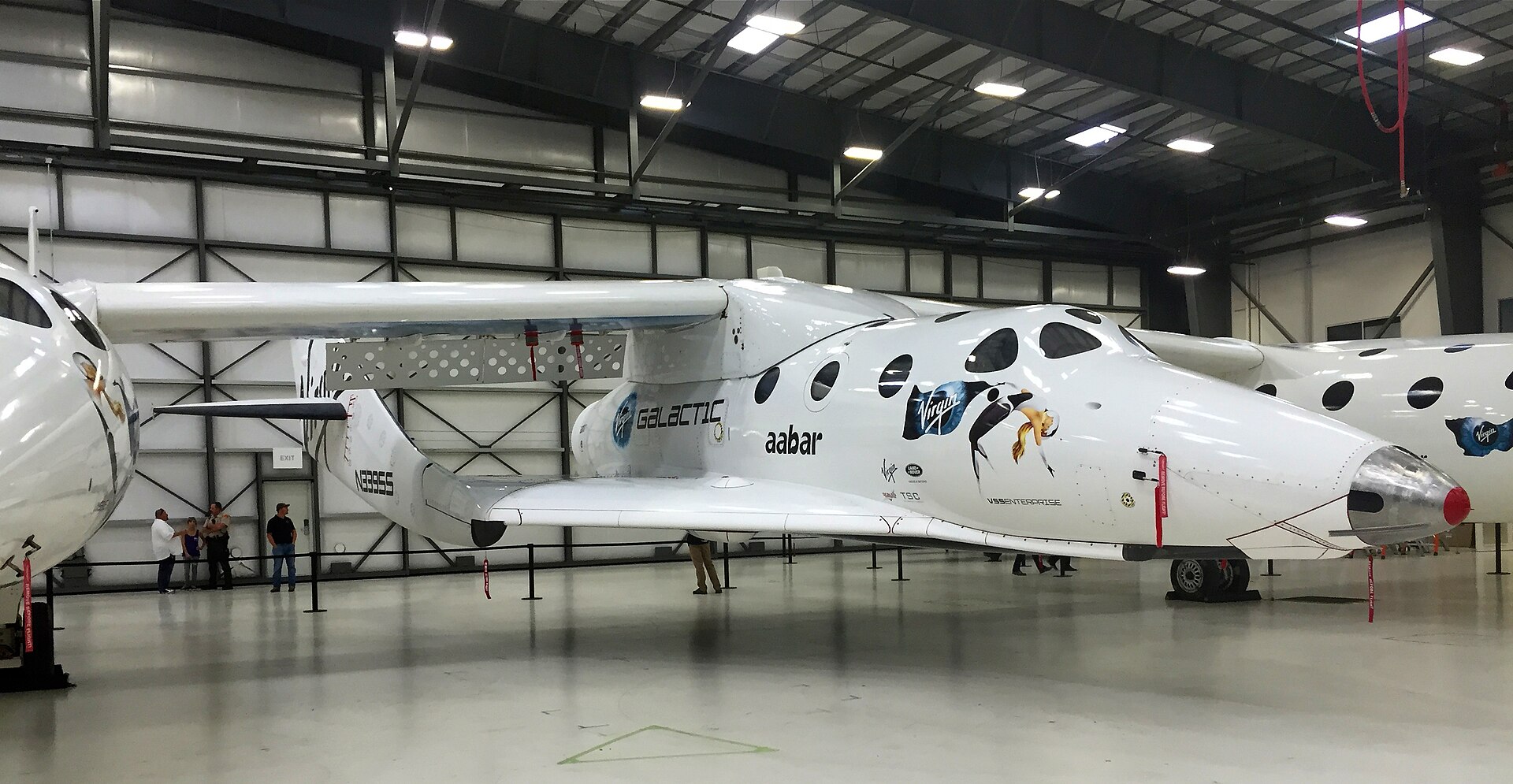
On July 11, 2021, Richard Branson flew to the edge of space aboard Virgin Galactic’s VSS Unity, beating Jeff Bezos and Blue Origin in the billionaire space race by nine days. The flight launched from Spaceport America in New Mexico and reached an altitude of roughly 86 kilometers, or 53.5 miles. But the milestone was quickly overshadowed by a safety investigation. In September 2021, the Federal Aviation Administration grounded VSS Unity after revealing the flight had deviated from its cleared trajectory during re-entry. The grounding was lifted later that month after Virgin Galactic agreed to expanded safety protocols.
Branson’s flight did not immediately open the door to routine passenger space travel. Virgin Galactic subsequently paused revenue operations for a lengthy fleet enhancement period. Paying customers did not fly until the Galactic 01 mission in June 2023. By mid-2024, the firm had effectively suspended revenue service from Spaceport America to conserve cash and focus on developing its next-generation Delta-class vehicles.

The Flight Profile and Air-Launch System
Virgin Galactic’s spaceflight system is built around two vehicles: the carrier aircraft VMS Eve, a WhiteKnightTwo design, and the spacecraft VSS Unity, a SpaceShipTwo vehicle. On July 11, 2021, VMS Eve carried VSS Unity aloft from Spaceport America. At an altitude of about 13,500 meters, Unity was released and fired its hybrid rocket motor, climbing to 86 kilometers before beginning its descent.
The air-launch method differs from the ground-launched, vertical rocket approach used by Blue Origin’s New Shepard. Virgin Galactic’s system allows the spacecraft to use a smaller rocket motor because it starts from altitude, but it also introduces additional complexity in the release and re-entry phases. The vehicle glides back to a runway landing, unlike Blue Origin’s parachute-assisted capsule touchdown.
Richard Branson founded Virgin Galactic in 2004. The enterprise went public via a SPAC merger in October 2019, trading as SPCE on the New York Stock Exchange. The stock price surged in the days before Branson’s flight but fell sharply after the FAA grounding was announced.
Market Reaction and Stock Performance
Virgin Galactic’s stock, trading under the ticker SPCE, rallied in the weeks leading up to the July 11 flight. The event generated extensive media coverage and raised expectations that passenger trips would begin soon. But the stock price dropped after the FAA announced its investigation in September 2021.
The financial impact extended beyond share price. Virgin Galactic had sold tickets to the public starting in February 2022 at $450,000 per seat, a price set by the operator. Those sales were based on the promise of regular trips that did not materialize as quickly as investors and customers had hoped. By 2023, the business announced it would lay off staff and reduce flight frequency to focus on developing its next-generation Delta-class ships, which are designed to carry more passengers and fly more often.
The decision to pause revenue service from Spaceport America by mid-2024 was a direct consequence of the slower-than-expected ramp-up and the need to conserve cash. Virgin Galactic’s long-term business model depends on the Delta-class fleet entering service, a timeline that remains uncertain as of March 2025.
The FAA Grounding and Trajectory Investigation
The FAA grounded Virgin Galactic’s SpaceShipTwo in September 2021 after revealing that the July flight had deviated from its cleared airspace. Specifically, the spacecraft descended outside the designated area during re-entry, a deviation that triggered a formal investigation. Virgin Galactic cooperated with the inquiry and agreed to expanded safety protocols, which allowed the grounding to be lifted later that same month.
The incident did not result in any injuries or damage to the vehicle. But it highlighted the risks inherent in suborbital spaceflight, particularly during the re-entry phase when the spacecraft transitions from rocket-powered ascent to gliding descent. The deviation was attributed to a combination of wind conditions and vehicle performance factors.
This was not the first safety issue for Virgin Galactic. A fatal test flight crash of VSS Enterprise occurred on October 31, 2014, killing co-pilot Michael Alsbury. That accident was traced to a premature feathering mechanism deployment. The firm redesigned the spacecraft and implemented new safety procedures before resuming test flights.
Comparing Branson and Bezos Flights
Richard Branson flew on July 11, 2021. Jeff Bezos flew on Blue Origin’s New Shepard on July 20, 2021. Both flights reached suborbital altitude, but there were key differences. Blue Origin’s New Shepard reached an altitude of approximately 106 kilometers, above the Karman line often considered the boundary of space. Virgin Galactic’s VSS Unity reached 86 kilometers, below that line but above the U.S. government’s definition of space at 50 miles.
Blue Origin’s capsule uses a parachute landing on the desert floor. Virgin Galactic’s spaceplane glides to a runway landing. The flight experience also differs: Blue Origin’s passengers experience weightlessness for about four minutes. Virgin Galactic’s passengers experience it for a few minutes during the apogee phase and during the descent.
The race between the two billionaires was widely covered in the media. Branson’s flight came first, but Bezos’s flight reached a higher altitude. The business implications were also different. Blue Origin began selling tickets at prices reported to be in the millions of dollars. Virgin Galactic set its price at $450,000 per seat, a figure established by the operator. Both ventures faced delays in scaling up to regular revenue operations.
Revenue Ticket Sales and the Flight Manifest
Virgin Galactic began selling tickets to the public in February 2022 at $450,000 per seat, a price set by the operator. The venture had previously sold tickets to early customers at lower prices, including celebrities and entrepreneurs who had placed deposits years earlier. The public ticket sale was intended to signal that the business was ready to move from testing to operations.
But the flight manifest did not fill as quickly as the firm hoped. The first paying customers flew on the Galactic 01 mission in June 2023. That mission carried three Italian government researchers, not space tourists. Subsequent trips were limited in frequency. By mid-2024, Virgin Galactic had effectively paused revenue service from Spaceport America to preserve cash while it developed the Delta-class ships.
The Delta-class fleet is designed to carry six passengers per trip, compared to the four passengers that VSS Unity can carry. The operator has stated that the Delta-class ships will be able to fly more frequently and at lower cost per seat. But as of March 2025, the timeline for their entry into service is not established.
Long-Term Viability and Safety Record
Virgin Galactic’s long-term viability depends on two factors: the safety of its vehicles and the ability to scale operations. The enterprise has a mixed safety record. The fatal crash of VSS Enterprise in 2014 was a severe setback. The trajectory deviation in 2021, though less serious, showed that even test flights carry risk. The FAA’s investigation and the subsequent grounding delayed the revenue timeline.
From a business perspective, Virgin Galactic has not yet demonstrated that it can operate suborbital flights profitably. The venture paused revenue operations to conserve cash and focus on the Delta-class fleet. That decision suggests that the existing SpaceShipTwo design is not economically viable at scale.
Richard Branson’s flight on July 11, 2021, was a personal and public relations triumph. But it did not mark the dawn of a new era in passenger space travel. That dawn, if it comes, will depend on the Delta-class ships and on whether Virgin Galactic can solve the safety and economic challenges that have so far limited its operations.
Key Facts
- Date of Branson's flight: July 11, 2021
- Vehicle: VSS Unity (SpaceShipTwo), launched from VMS Eve (WhiteKnightTwo)
- Altitude reached: Approximately 86 kilometers (53.5 miles)
- Launch site: Spaceport America, New Mexico
- FAA grounding: September 2021; lifted later that month after expanded safety protocols
- First paying customers flew: June 2023 (Galactic 01 mission)
- Ticket price (from February 2022): $450,000 per seat, set by Virgin Galactic
- Bezos flight date: July 20, 2021
- Fatal test flight crash: October 31, 2014 (VSS Enterprise; co-pilot Michael Alsbury killed)
Comparison of Branson and Bezos Suborbital Flights
| Attribute | Richard Branson (Virgin Galactic) | Jeff Bezos (Blue Origin) |
|---|---|---|
| Flight date | July 11, 2021 | July 20, 2021 |
| Vehicle | VSS Unity (SpaceShipTwo) | New Shepard (capsule) |
| Launch method | Air-launched from WhiteKnightTwo | Vertical rocket launch |
| Maximum altitude | Approximately 86 km (53.5 mi) | Approximately 106 km (66 mi) |
| Landing method | Runway glide landing | Parachute landing on desert floor |
| Weightlessness duration | A few minutes | About four minutes |
| Seat price (public) | $450,000, set by Virgin Galactic | Not publicly disclosed; reports of millions |
Frequently Asked Questions
Did Richard Branson actually reach space?
The U.S. government defines space as starting at 50 miles (80.5 km) above sea level. Branson's flight reached approximately 86 kilometers (53.5 miles), which is above that threshold. However, the internationally recognized Karman line is 100 kilometers (62 miles). Blue Origin's New Shepard crossed that line. Virgin Galactic's VSS Unity did not.
Why did the FAA ground Virgin Galactic after Branson's flight?
The FAA grounded VSS Unity in September 2021 because the July 11 flight deviated from its cleared trajectory during re-entry. The spacecraft descended outside the designated airspace. The grounding was lifted later that month after Virgin Galactic agreed to expanded safety protocols.
When did Virgin Galactic start flying paying customers?
The first paying customers flew on the Galactic 01 mission in June 2023. That mission carried three Italian government researchers. The operator had begun selling tickets to the public in February 2022 at $450,000 per seat, a price set by Virgin Galactic.