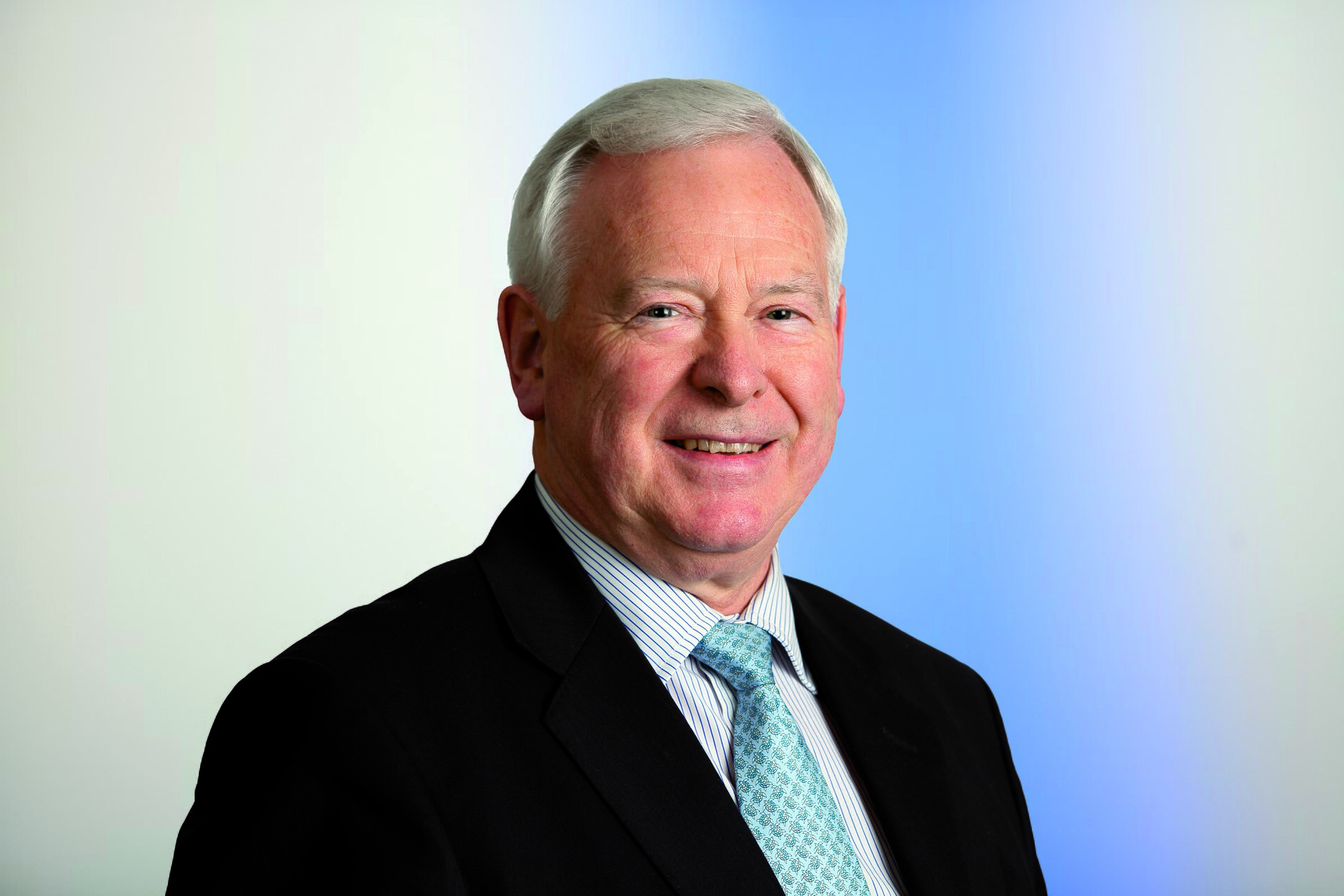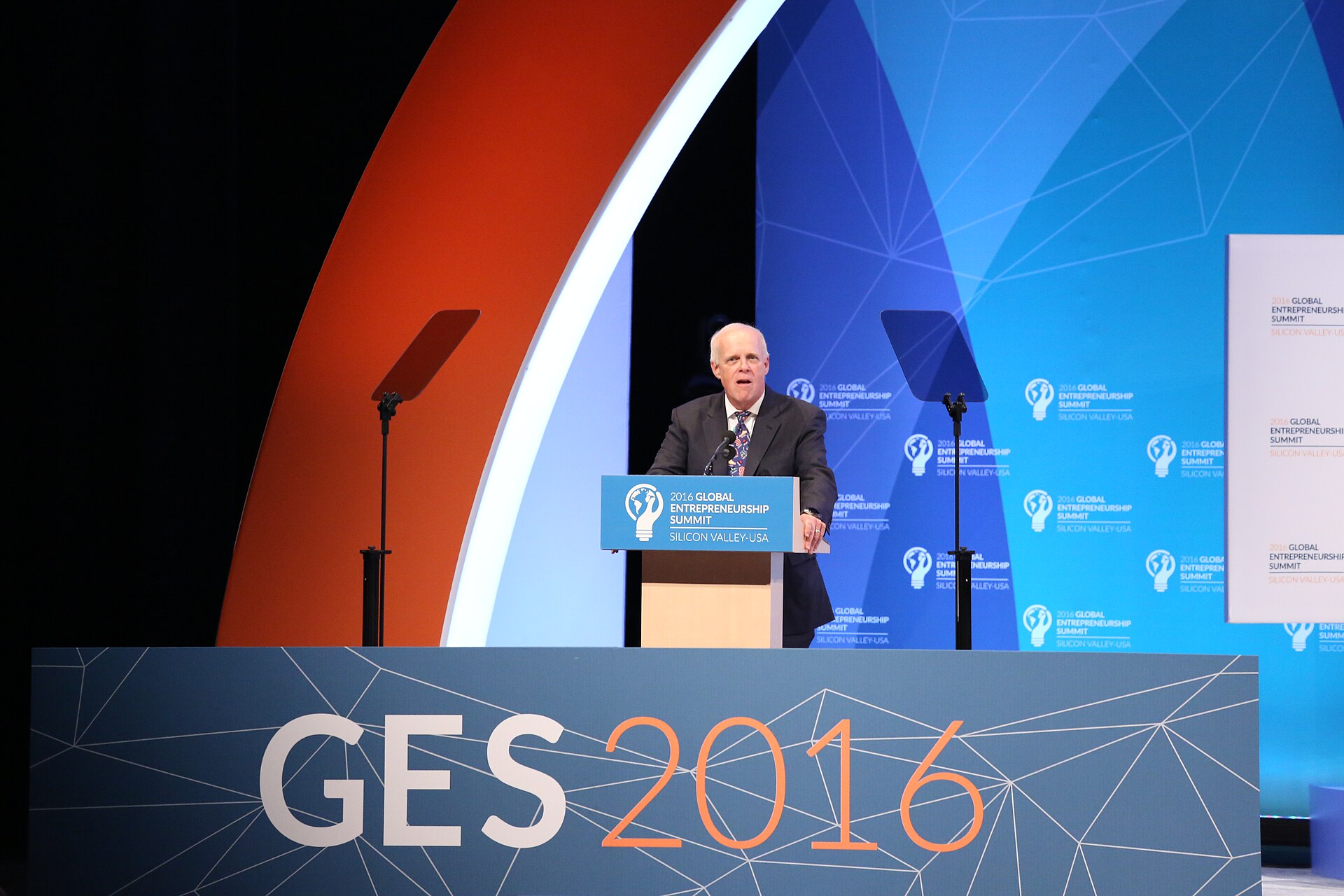
In February 2018, John L. Hennessy became Chairman of the Board of Alphabet Inc., Google's parent. He replaced Eric Schmidt, who had stepped down as Executive Chairman the month before. The change ended Schmidt's direct operating role at the business he had led as CEO for a decade.
Hennessy had been a director since 2004, joining Google's board well before the 2015 restructuring that created the holding company. His elevation was not a sudden entry. It was a succession inside a board he had already sat on for 14 years.
The transition separated board leadership from Google's operating management. Schmidt had held the title of Executive Chairman, a role blending oversight with internal strategy. Hennessy took a non-executive chairmanship. The structure drew a clear line between the board and the day-to-day running of Google and its other subsidiaries.

Who Hennessy Succeeded and Why the Timing
Schmidt left the Executive Chairman role in January 2018, roughly one month before Hennessy took over. He did not exit entirely. He remained on the board as a technical advisor. The shift was framed as a governance update, not a departure.
Schmidt had been Google's CEO from 2001 to 2011, then Executive Chairman of Google and later Alphabet. His decision to step back coincided with the holding company's maturation. By early 2018, Alphabet had been operating under the new structure for more than two years. The board had enough independent directors to separate the chair from any operating role.
No regulatory filing or public statement tied the change to a specific investor demand or governance review. What is known is that the move followed a pattern of other large technology firms moving toward independent board chairs. Alphabet's board had already adopted a policy requiring an independent chairman, though the business never said whether Schmidt's departure was forced by that policy.
Hennessy's Long History With Google and Alphabet
Hennessy joined Google's board in 2004, the year the business went public. At that point, Google was still a private enterprise in its rapid growth phase. He was one of several outside directors brought in to provide governance and technical depth.
When Alphabet was created in 2015, the board was reconstituted. Hennessy moved onto the new parent's board automatically. He was a founding director of the holding entity, alongside other long-serving members from Google's earlier years.
His relationship with Larry Page and Sergey Brin predated his board service. Both founders had studied at Stanford University while Hennessy was a professor and later an administrator there. He had also advised them informally before joining the board. The chairmanship deepened a relationship that had already spanned two decades.
From Stanford President to Silicon Valley Board Chair
Sixteen Years Leading Stanford
Hennessy was President of Stanford University from 2000 to 2016, a 16-year tenure that made him one of the longest-serving leaders in the institution's history. During that period, Stanford became a central source of technology talent and startup formation. He oversaw the growth of the university's endowment and its engineering school.
A Turing Award for RISC Architecture
Before Stanford, Hennessy had already made his mark in computer science. He was a co-recipient of the 2017 ACM A.M. Turing Award, often called the Nobel Prize of computing, for his pioneering work on reduced instruction set computing, or RISC. That architecture became the basis for most modern microprocessors in mobile devices and embedded systems.
Founding MIPS Computer Systems
In 1984, Hennessy co-founded MIPS Computer Systems Inc., a firm that commercialized the RISC architecture. MIPS processors were used in Silicon Graphics workstations, video game consoles, and networking equipment. The venture later went public and was acquired. Hennessy's academic and entrepreneurial background was a profile distinct from the typical corporate chairman.
What the Chairman Role Meant for Alphabet's Strategy
Influence on Research and Capital Allocation
Hennessy's arrival came as Alphabet was investing heavily in artificial intelligence, cloud computing, and autonomous vehicles through its Waymo subsidiary. The board chairman does not set product strategy, but the person in that role influences the long-term research direction and capital allocation priorities.
Relevance to AI Ambitions
His background in computer architecture and academic research was directly relevant to Alphabet's AI ambitions. The business had been running a large internal AI research group, Google Brain, and had acquired DeepMind in 2014. Hennessy had written extensively on the future of computing and the need for new hardware architectures to support machine learning workloads.
His presence on the board signaled the importance of fundamental research. Alphabet's structure allowed its subsidiaries to operate with significant autonomy, but the board's composition shaped where the enterprise placed its long-term bets. Hennessy had publicly argued that the next decade of computing would require breakthroughs in energy-efficient hardware and new programming models, both areas where Alphabet had active projects.

The Corporate Governance Context of 2018
A Board in Transition
Alphabet's board in 2018 was a mix of long-serving directors from the Google era and newer members. Hennessy's elevation came as institutional investors were putting more pressure on technology firms to separate the roles of CEO and board chair. Alphabet had kept the two roles combined for most of its history, with Larry Page as CEO and Schmidt as Executive Chairman.
The 2015 restructuring created Alphabet specifically to let the core Google business operate under different management from the experimental projects. That restructuring also made it possible to have a board chair who was not simultaneously running a major division. Schmidt's role had blurred that line.
By naming a non-executive chairman, Alphabet aligned with the governance norms that many large public companies had adopted. The change did not require a shareholder vote or a major policy announcement. It was described in a routine SEC filing and confirmed in a brief press statement.
Hennessy's Continuing Role and the Board Today
As of January 2024, Hennessy remains Chairman. The board has continued to oversee the enterprise through a period of significant change, including the departure of Larry Page and Sergey Brin from active management roles, the appointment of Sundar Pichai as CEO of both Google and Alphabet, and the rise of generative AI as a competitive battleground.
Hennessy's tenure has outlasted several of the directors who were on the board at the time of his elevation. The board has been refreshed with new members, but the chair has stayed consistent. That continuity matters for a business that operates through a holding structure where the board is the primary oversight mechanism across its subsidiaries.
The significance of his appointment has less to do with any single decision he made as Chairman and more to do with the signal it sent about the type of governance Alphabet intended to practice. A computer scientist and university president, not a career operator, was chosen to lead the board. That choice reflected the enterprise's self-image as a research-driven entity rather than a pure advertising business.
Key Facts
- Appointment date: February 2018
- Predecessor: Eric Schmidt, who stepped down as Executive Chairman in January 2018
- Hennessy's prior board service: Google board since 2004, Alphabet board since 2015
- Stanford tenure: President of Stanford University, 2000 to 2016
- Turing Award: Co-recipient of the 2017 ACM A.M. Turing Award for RISC architecture
- Founded company: Co-founded MIPS Computer Systems Inc. in 1984
- Current status: Continues to serve as Chairman as of January 2024
Key Figures in the Transition
| Name | Role Before Appointment | Role After Appointment |
|---|---|---|
| John L. Hennessy | Alphabet board member since 2015, Google board member since 2004 | Chairman of the Board of Alphabet Inc. |
| Eric Schmidt | Executive Chairman of Alphabet Inc. | Board member and technical advisor |
| Larry Page | CEO of Alphabet Inc. | CEO of Alphabet Inc. (remained in role) |
| Sergey Brin | President of Alphabet Inc. | President of Alphabet Inc. (remained in role) |
Frequently Asked Questions
When did John L. Hennessy become Chairman of Alphabet?
February 2018.
Who did Hennessy replace as Chairman?
Eric Schmidt, who had been Executive Chairman and stepped down in January 2018.
Did Hennessy have any prior relationship with Google or Alphabet?
Yes. He joined Google's board in 2004 and moved to Alphabet's board when the holding company was created in 2015.
What is Hennessy's professional background?
He was President of Stanford University from 2000 to 2016, co-founded MIPS Computer Systems in 1984, and won the 2017 ACM A.M. Turing Award for RISC architecture.
Does Hennessy still serve as Chairman?
Yes. He continues to serve in that role as of January 2024.