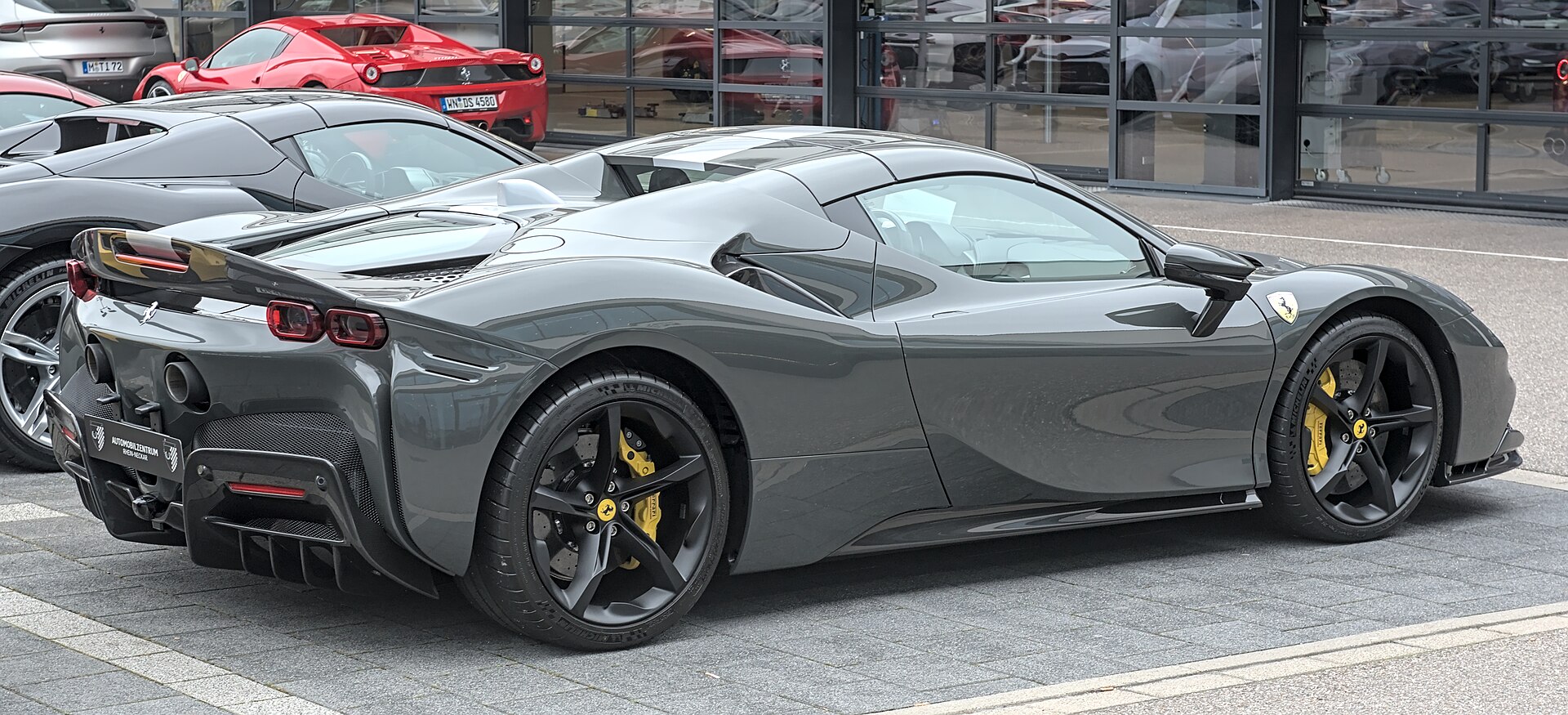
Ferrari carried Philip Morris International's 'Mission Winnow' campaign as its title backer for the 2019 Formula One season. The arrangement, renewed in 2018, was scheduled to expire at the close of 2021. Neither party disclosed a dollar figure, but the renewal signalled a deliberate, long-term alignment between a premier team and a tobacco giant navigating tightening advertising restrictions worldwide.
McLaren opened a multi-year commercial tie-up with British American Tobacco (BAT) for 2019. The length and value stayed confidential, yet BAT's marks appeared on the cars and team kit throughout the season. For McLaren, the injection of backing arrived after a period of churn in its commercial portfolio; for BAT, the move offered a route to keep a presence in the sport through alternative-product branding.
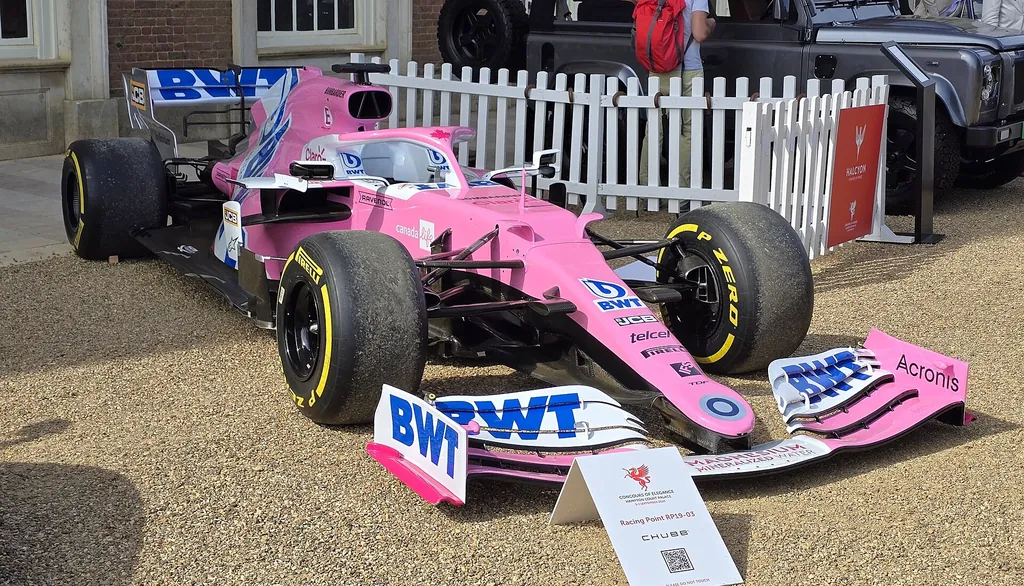
Racing Point entered 2019 with Kenyan sports-betting firm SportPesa as its title backer. The three-year agreement was signed that year; its value was not disclosed. The team had just rebranded from Force India after a consortium led by Lawrence Stroll took control. Despite the multi-year term, SportPesa's title support ended after a single season.
Williams and ROKiT
A new lead backer arrives
Williams named mobile-phone and technology company ROKiT as its title partner for 2019. The contract was struck that year, but the team and ROKiT never published a termination date or a specific sum. For a squad that had long been one of the sport's most decorated and commercially robust, the deal represented a fresh direction after several seasons of fluctuating backing.
On-track struggles and financial pressure
The 2019 campaign proved punishing on track, and the ROKiT arrangement became a critical piece of Williams's financial structure. Overall commercial revenue was already under strain because of declining results. Williams terminated the deal in May 2020, before the delayed 2020 season began, and had to find a new lead backer.
A pattern of short-lived deals
The abrupt end of the Williams-ROKiT relationship mirrored a wider trend in the 2019 market: several multi-year agreements failed to reach their full term. The lack of disclosed terms left outsiders guessing about break clauses and underlying commitments, but the outcome was unmistakable. A single-season title alliance was not what either side had projected.
Haas and Rich Energy
A high-visibility launch
Haas began 2019 with energy-drink brand Rich Energy as its title backer under a multi-year contract. The length and value were never disclosed, but the branding was impossible to miss: Rich Energy's stag logo dominated the VF-19 cars and team uniforms from the opening round.
The mid-season collapse
The relationship unravelled in full view of the paddock. Haas terminated the title sponsorship on 9 September 2019, leaving it without a lead commercial partner for the rest of the year. The company behind Rich Energy soon faced legal and financial turmoil, making the episode one of the most spectacular sponsorship breakdowns in recent F1 history.
Lessons in due diligence
The implosion underscored the risk teams shoulder when they sign multi-year pacts with backers outside the traditional automotive or technology orbit. Haas entered 2020 scrambling for new commercial arrangements, and the incident hardened into a case study on vetting potential partners in elite sport.
Aston Martin
A title partnership
Aston Martin was Red Bull Racing's title sponsor in 2019, racing as Aston Martin Red Bull Racing under an arrangement that ran from 2018 to 2020. Its value was not disclosed. The partnership ended when Aston Martin took its name to its own works team for 2021, built from the Racing Point outfit rather than from the Red Bull collaboration.
Strategic exposure
The 2019 tie-up gave Aston Martin a global broadcast footprint just as the company was positioning itself for an aggressive push in the luxury market. The value was never published, which is typical of F1 title deals, but the visibility alone carried clear strategic weight.
The Sponsorship Landscape in 2019
A season of abrupt endings
The 2019 F1 season marked a transitional moment for team funding. Several prominent deals were signed but either collapsed early or lasted only a single year. Ferrari's Mission Winnow alliance, which ran through 2021, was a rare case of a contract playing out to its full term. McLaren's multi-year BAT arrangement reflected a broader push by tobacco firms to stay visible through alternative brand names as advertising rules tightened.
Early exits
Racing Point's SportPesa deal, signed as a multi-year agreement, dissolved after one season. Williams's ROKiT title partnership ended on the same timeline. The Haas-Rich Energy failure was the most dramatic, with the backing evaporating mid-season. Each early exit suggested that the fit between team and backer, and the financial health of the backer itself, mattered as much as the headline commitment.
A more cautious future
These outcomes pushed teams toward greater caution in the years that followed. The 2019 season became a reference point for why multi-year contracts, however lucrative on paper, demanded rigorous scrutiny before ink met paper.
Where Things Stand Now
New names, bigger numbers
By 2025, the commercial map had shifted decisively. Williams Racing signed software maker Atlassian as its title backer. Ferrari took HP as its title partner, announced in 2024 and in place from 2025, succeeding the Mission Winnow naming rights; media reports put the deal at roughly $100 million a year, a figure the parties did not disclose. Ferrari also counts UniCredit as a major commercial ally, widening its portfolio further.
Apparel, crypto and luxury
Aston Martin designated Puma as its official sportswear and technical-gear supplier in 2025 and added Coinbase as its official crypto ally. McLaren brought in Allwyn as an official backer in 2025. At the series level, Formula 1 signed LVMH as a Global Partner in a 10-year deal reported at roughly $1 billion, replacing Rolex.
A new class of backer
The influx of non-endemic names from technology, finance and luxury goods has displaced the tobacco and betting brands that dominated the 2019 grid. The reported value of the Ferrari-HP agreement alone shows how far the commercial stakes have climbed.
What the 2019 Season Meant for F1 Sponsorship
Deals that didn't last
The 2019 season proved that even established teams could not assume multi-year commercial pacts would run their course. Of the six title or major arrangements examined here, three ended after a single season or sooner. Ferrari's Mission Winnow alliance was the exception, reaching its scheduled conclusion at the end of 2021. McLaren's BAT arrangement, while multi-year, operated without public terms, making its stability hard to gauge.
Financial gaps
For Williams and Haas, losing a title backer opened significant financial holes that took years to close. The early terminations of the SportPesa, ROKiT and Rich Energy deals suggest that 2019 marked a high-water mark for a particular breed of backer, especially betting and energy-drink firms, which have since given way to steadier technology and luxury allies.