In 2015, all UN Member States adopted the Sustainable Development Goals and the Paris Agreement on climate change. A decade later, those commitments face their most serious test. Inflation, energy price spikes and geopolitical conflict are pushing climate action and the SDGs down corporate priority lists. Surrendering to those pressures is a mistake. The frameworks adopted in 2015 were never just ethical statements. They were long-term business strategy. Abandoning them now does not protect the bottom line. It erodes it.
Firms that treat long-term stewardship as a peripheral concern during economic turbulence risk losing the regulatory, operational and market advantages that the next decade will reward. The question is not whether businesses can afford to stay focused on climate and the SDGs. It is whether they can afford not to.

The Short-Term Pressures That Are Pushing Sustainability Aside
Since 2022, businesses have faced a combination of pressures that make long-term planning difficult. Rapid inflation has raised input costs. Energy markets have been volatile. Geopolitical conflict has disrupted trade routes and created uncertainty about supply availability. In this environment, initiatives that deliver returns over years rather than quarters have been easy targets for budget cuts.
The pattern is visible across sectors. Marketing departments trim or drop green messaging to avoid scrutiny, a phenomenon sometimes called greenhushing. Procurement teams switch back to cheaper, less sustainable inputs. Capital expenditure on energy efficiency or renewable generation is deferred. Each decision makes sense in isolation. Together they represent a drift away from the trajectory set in 2015.
The Business Case for Staying the Course
The case for maintaining focus on climate and the SDGs is not about altruism. It is about resilience. Organisations that embed stewardship into core strategy reduce exposure to energy price volatility, resource scarcity and regulatory penalties. They also position themselves to capture growth in markets that increasingly demand low-carbon products and transparent supply chains.
Investor pressure has not disappeared. Institutional capital continues to flow toward funds that apply environmental, social and governance criteria. Banks are pricing climate risk into lending. Insurers are adjusting premiums based on exposure to extreme weather. A business that backslides on its commitments may save money in the short term but will face higher costs of capital and insurance over time. The trade-off is not between ethics and profit. It is between short-term relief and long-term competitiveness.
Backsliding and Greenhushing Are Real Risks
Two Forms of Retreat
Corporate backsliding takes two forms. The first is direct: an enterprise quietly drops a net-zero target or delays a renewable energy commitment. The second is indirect: it stops talking about its stewardship work even when the work continues. This second form, greenhushing, is harder to track but equally damaging. It reduces accountability, confuses stakeholders and weakens the market signal that ambitious corporate action sends to policymakers and competitors.
Why Silence Spreads
Greenhushing is often driven by fear of litigation or reputational backlash. A firm that talks about its climate work risks being accused of greenwashing if it misses a target. The safest course, some executives conclude, is silence. That calculation is rational for an individual organisation but collectively it undermines the momentum that the Paris Agreement and the SDGs were designed to create. Without visible business leadership, the political will to maintain ambitious regulation weakens.
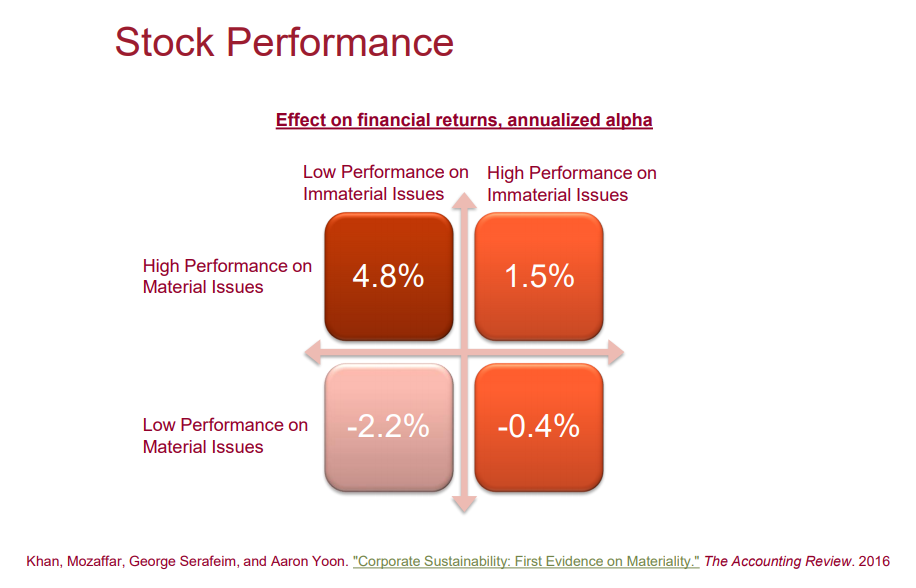
The Risks of Abandoning Long-Term Strategy for Short-Term Relief
Locking in Higher Future Costs
When an enterprise cuts stewardship spending to protect quarterly earnings, it does not just lose momentum. It locks in higher future costs. Energy efficiency improvements deferred today mean higher energy bills for years, and a more difficult, expensive catch-up later. Regulatory deadlines do not move when a firm misses its internal milestones. The European Union's Corporate Sustainability Reporting Directive and the International Sustainability Standards Board's standards are already in force or approaching implementation. Organisations that have not built the data systems and governance structures to comply will face penalties, exclusion from markets or both.
The Trust Deficit
There is also a reputational risk that is hard to reverse. A business that backtracks on public commitments signals to employees, customers and regulators that its word cannot be relied upon. That trust, once lost, is expensive to rebuild.
Regulation and Reporting Standards Are Maintaining Momentum
From Voluntary Pledge to Legal Obligation
Regulation is stepping in where voluntary action has stalled. The CSRD in Europe requires thousands of firms to report detailed stewardship information. The ISSB standards, released in 2023, provide a global baseline for climate and sustainability disclosures. These frameworks do not depend on goodwill. They are legal requirements or market expectations that organisations cannot opt out of.
Transparency Rewards the Prepared
This shift changes the calculus for backsliding. A business that tries to quietly drop its climate targets will still have to disclose its emissions, its risks and its progress. The data will be public. Investors and analysts will draw their own conclusions. The era of stewardship as a voluntary, marketing-led activity is ending. It is being replaced by a compliance-driven model that requires real measurement and real accountability. Enterprises that treat this as a burden are missing the point. The reporting standards create a level playing field. They reward the outfits that have already done the work.
Climate and Social Inequality Threaten Supply Chains Directly
Today's Operational Disruptions
The climate crisis is not a future risk. It is a current operational problem. Extreme weather events disrupt factories, close ports, destroy crops and threaten coastal infrastructure. Water scarcity affects manufacturing processes. These are not abstract concerns. They are supply chain vulnerabilities that appear on quarterly risk registers.
Why the Goals Are Inseparable
The SDGs recognise that climate action, SDG 13, cannot be separated from poverty reduction, economic growth or clean energy access. An enterprise that ignores social inequality will eventually face labour shortages, unstable markets and regulatory backlash. The interconnectedness of the goals means that focusing on one while ignoring others is not a viable strategy. Business leaders who recommit to science-based targets are not making a charitable gesture. They are managing the risks that will determine whether their organisations survive the next decade. The frameworks adopted in 2015 remain the most coherent map of those risks and the most practical manual for steering through them.