Intel and the NFL built a system that could replay a play from the exact visual perspective of a quarterback or receiver, using arrays of 5K cameras mounted in stadiums. The technology, branded Intel True View, processed volumetric video data to let broadcasters and digital platforms render any angle after the play ended, including a first-person view from a specific player's helmet. The entire initiative ended in 2021 when Intel shut down its Intel Sports group, including the True View volumetric video business, as part of a broader retreat from non-core operations.
The player-perspective feature represented a significant technical departure from earlier replay systems. Previous systems, including Intel's own earlier freeD, typically offered a fixed bullet-time effect that rotated around a frozen moment. True View's capture allowed the viewpoint to move freely through space after the fact, and crucially, to lock onto a specific player's head position and orientation. A broadcaster could show exactly what the quarterback saw at the moment of a throw, rather than just a sweeping orbit around the play.

How the volumetric capture system works
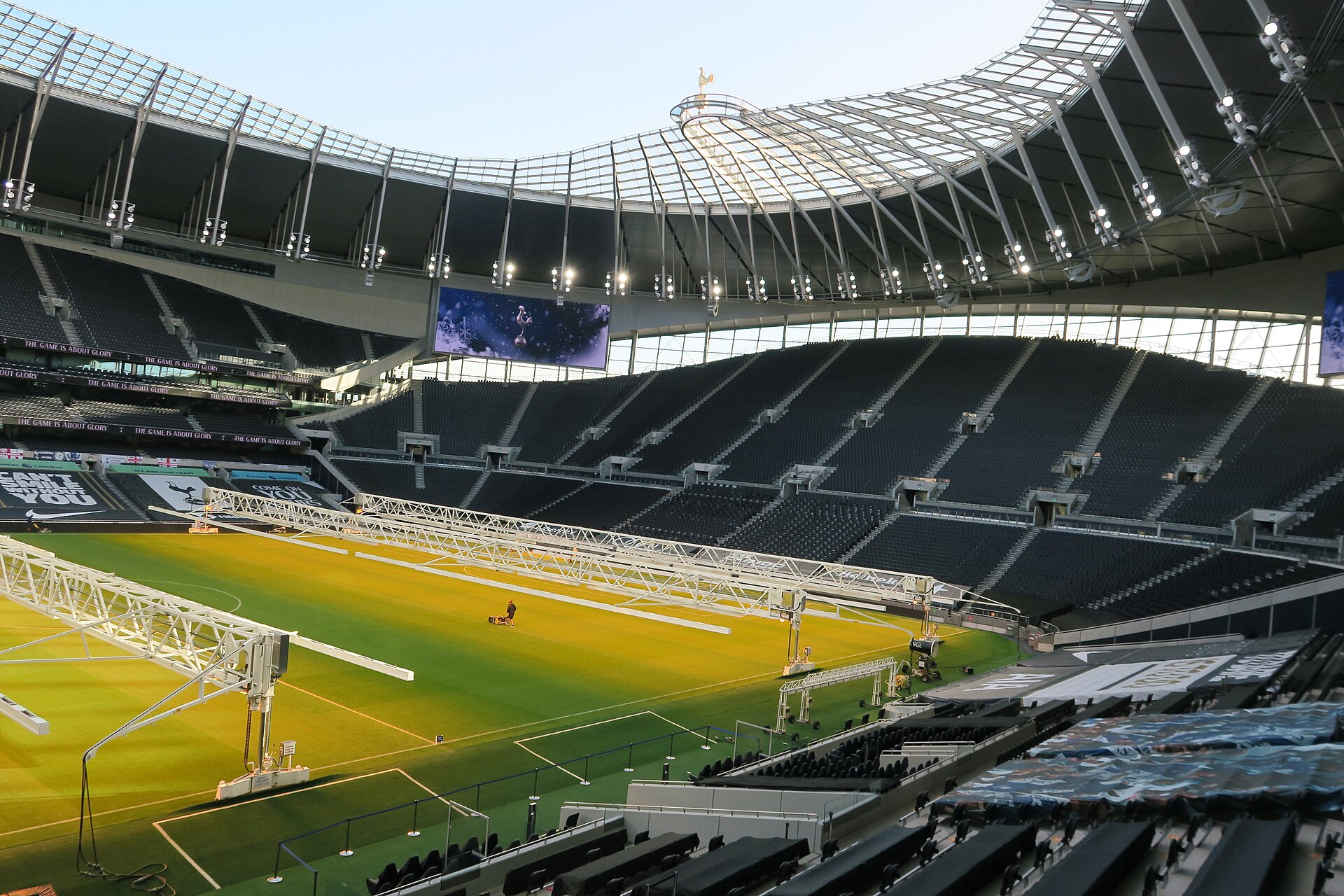
Intel True View relied on dense clusters of high-resolution cameras installed in the stadium superstructure. Each equipped venue carried arrays of 5K cameras positioned to cover the entire field from multiple overlapping angles. The cameras captured video simultaneously, and Intel's software processed the feeds into a volumetric representation of the action. That data file contained the position, shape, and motion of every player and the ball in three-dimensional space, reconstructed from the multiple 2D streams.
To generate a player-perspective replay, the system needed the exact location and head orientation of the target player at each frame. That data came from the same volumetric reconstruction, which tracked all 22 players and officials as a byproduct of building the 3D scene. Once the system had the player's head position and gaze direction, it rendered what that player would have seen, with the correct field of view, from that exact point. The result was not a camera feed from a helmet-mounted device, but a synthetic view computed from the volumetric data after the play.
Data processing and stadium infrastructure
The pipeline from capture to replay
Each game generated a large volume of raw video data from the 5K camera streams. Intel did not disclose the exact volume per game in terabytes, but the processing pipeline required significant on-site and cloud compute capacity.
The cameras recorded at high frame rates to capture fast motion without blur. The reconstruction software synchronized all feeds, computed the 3D model, and compressed the result into a format suitable for broadcasts and digital distribution. That processing happened on a timeline tight enough to produce replays during the same game.
Deployment across NFL venues
The initial deployment covered multiple NFL venues, though Intel and the NFL did not publish a definitive list of which stadiums received the player-perspective feature at launch. The system was first deployed in NFL stadiums in partnership with the league to upgrade broadcasts and digital highlights. Previously known as Intel freeD, it was rebranded as Intel True View in 2018, reflecting the shift from a fixed-angle replay tool to a full volumetric capture platform.
Broadcast and digital use cases
Live broadcast flexibility
The player-perspective replays were designed for live broadcast integration and digital fan engagement. During a game, a broadcaster could cut to a True View replay that showed the play from the quarterback's viewpoint, then switch to an overhead volumetric view to show the same moment from a tactical angle. Producers could choose any viewpoint after the fact. That flexibility was the core advantage over traditional multi-camera setups, which could only show the angles that physical cameras recorded.
Digital highlights and interactive experiences
Digital platforms also used True View content for highlights and interactive features. The NFL and its broadcast partners could publish player-perspective clips on websites, apps, and social media, giving fans a view of the game unavailable from any single physical camera position. Intel and the NFL intended the feature to differentiate the league's broadcast and digital offerings from other sports, though the exact financial terms of the partnership were never disclosed. The technology was deployed outside the NFL as well, including at venues for other sports, but the player-perspective feature was developed specifically for American football.
The end of Intel True View
Intel shut down its entire Intel Sports group in 2021, including the True View volumetric video business. The decision was part of a broader strategic retreat from non-core operations under Intel's leadership at the time.
The company had invested heavily in sports technology. Partnerships spanned the NFL, the Olympic Games, and individual clubs like Liverpool FC and Tottenham Hotspur. Intel determined that the sports division did not align with its core semiconductor and computing businesses.
The shutdown meant that True View's player-perspective feature was no longer developed or supported by Intel. The status of archived True View content and the technology itself after the closure has not been publicly established as of 2024. The NFL and its broadcast partners moved on to other replay and augmentation technologies. The player-perspective replays that Intel demonstrated remain a notable technical achievement in sports broadcasting, but one that never reached widespread permanent deployment across the league.
Key facts
- Technology brand: Intel True View (previously Intel freeD)
- Camera resolution: 5K per camera, multiple cameras per venue
- Core capability: Volumetric video capture enabling replay from any angle, including a player's perspective
- League partner: National Football League (NFL)
- Outcome: Intel shut down the Intel Sports group in 2021, ending True View development
FAQ
How did Intel True View create a player-perspective replay?
The system captured video from multiple 5K cameras around the stadium, reconstructed a 3D volumetric model of the entire play, and then rendered a synthetic view from the position and head orientation of a specific player. It did not use a helmet-mounted camera.
Was the player-perspective feature used in a Super Bowl broadcast?
That is not established here. The exact list of broadcasts that used the feature was not disclosed in the available information.
Why did Intel shut down True View?
Intel closed its entire Intel Sports group in 2021 as part of a strategic retreat from non-core operations. The sports division did not fit Intel's focus on its core semiconductor and computing businesses.