In May 2024, Google announced a $2 billion investment to build its first data center in Malaysia and establish a Google Cloud region. The project sits at Sime Darby Plantation's Elmina Business Park in Selangor. It aims to expand AI capabilities and deliver cloud offerings to local businesses and the public sector. Google expects the work to create 26,500 jobs by 2030 and add $3.2 billion to Malaysia’s GDP.
This is part of a broader push by US tech firms into Southeast Asia. The company already operates data centers in Singapore and has invested in Thailand. Malaysia’s location, existing infrastructure, and government incentives have made it a competitive destination for hyperscale investment.
Kuala Lumpur has been actively courting tech capital through the Ministry of Investment, Trade and Industry (MITI) and the Malaysian Investment Development Authority (MIDA). Officials treat digital transformation as a national priority. Google’s commitment aligns with that agenda. The announcement did not detail specific regulatory approvals. Large-scale data center projects in Malaysia typically need clearances for land use, power supply, environmental impact, and digital infrastructure licensing.

The Infrastructure: Data Center and Cloud Region
Two projects, one site
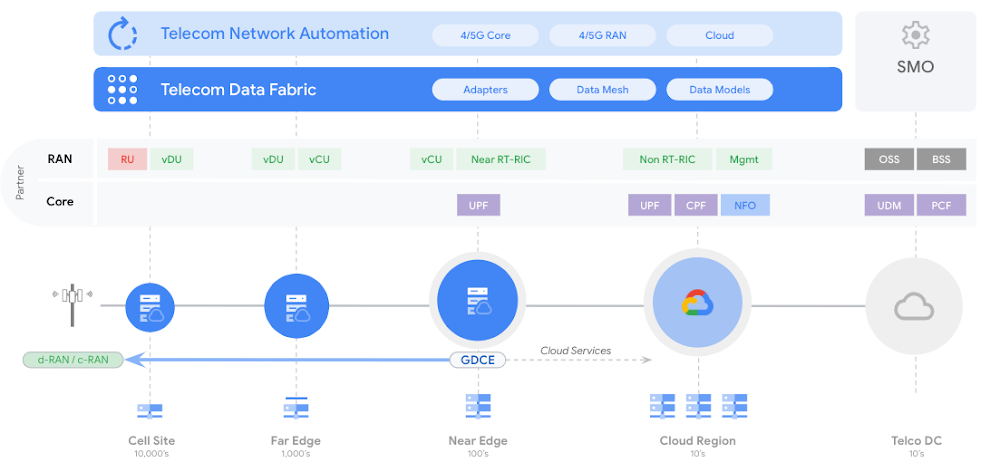
The $2 billion covers a data center and a cloud region. The data center is the company’s first in the country. The cloud region will give local users access to compute, storage, AI tools, machine learning, and data analytics.
Why Selangor
Both facilities will rise at Elmina Business Park, a Sime Darby Plantation development. Selangor, which surrounds Kuala Lumpur, is already a data center hub. It hosts operations from Telekom Malaysia, Bridge Data Centres, and AirTrunk. The location offers reliable power, fiber connectivity, and a skilled workforce.
Open questions
Google has not split the $2 billion between the two projects. It has also not disclosed the data center’s power capacity or a completion date. As of June 2024, the initiative was still in the announcement phase. It was unclear whether construction had physically begun. Data center builds in Malaysia typically take 12 to 24 months after breaking ground, but Google has not confirmed its timeline.
Economic Impact: Jobs and GDP Contribution
Job projections
Google estimates 26,500 jobs by 2030. That figure covers direct employment at the company’s facilities plus indirect work in construction, supply chains, and local services.
What the numbers mean
The job count is large relative to Malaysia’s workforce of about 17 million people. It represents cumulative job-years over construction and operations, not a standing headcount of 26,500 employees at any single moment. Data center roles include engineering, operations, security, and maintenance. Cloud region roles span sales, customer support, and professional services.
GDP math
The $3.2 billion GDP contribution is Google’s own estimate, not an independent audit. It likely includes direct spending, indirect spending by suppliers, and induced effects from worker wages flowing into the local economy. Malaysia’s GDP in 2023 was about $430 billion. The projected contribution would represent roughly 0.7 percent of GDP by 2030, assuming no major shifts in the broader economy.
Malaysia's Role in Facilitating the Investment
Government courts tech
MITI and MIDA actively promoted Malaysia as a destination for digital infrastructure. They offered incentives including tax breaks, streamlined approvals, and subsidized power tariffs for hyperscale data centers.
Regional competition
Malaysia competes with Indonesia, Thailand, and Vietnam for cloud region commitments. In 2023, the administration introduced the National Energy Transition Roadmap. Its renewable energy targets appeal to tech companies with net-zero pledges. Google aims to run on 24/7 carbon-free energy by 2030, so the availability of clean power in Malaysia will affect the project’s long-term viability.
Policy alignment
MITI and MIDA have not disclosed the specific incentives offered to Google. The country’s track record includes recent investments from Microsoft, Amazon Web Services, and Oracle. The Digital Economy Blueprint and the National AI Roadmap have created a policy environment that matches Google’s cloud and AI strategy.
Google's Southeast Asia Strategy
Regional footprint
The Malaysia investment extends a broader Southeast Asia expansion. The region shows rapidly growing internet usage, cloud adoption, and digital commerce. The company already operates data centers in Singapore and has invested in Thailand. In 2022, it announced a $1.2 billion commitment in Thailand for a data center and cloud region. It also launched a cloud region in Indonesia that same year.
Competitive landscape
Southeast Asia is a crowded market. Alibaba Cloud, Amazon Web Services, Microsoft Azure, and Google Cloud are all adding capacity. A Malaysian presence gives the firm a geographically central hub with good connectivity to Singapore, Thailand, and Indonesia. The cloud region will let local businesses run workloads nearby, cutting latency and meeting data residency requirements.
Beyond infrastructure
The strategy goes beyond hardware. The company has partnered with local governments and enterprises on digital skills training, AI adoption, and startup support. The Malaysia package includes commitments to upskill local workers and help small and medium-sized businesses digitize.
Primary Beneficiaries: Industries and Sectors
Public sector first
The public sector is a stated priority. Google Cloud is targeting government agencies for projects including smart city initiatives, healthcare data management, and citizen platforms.
Private sector adopters
Financial services, manufacturing, and logistics are likely early adopters. Malaysia is a hub for Islamic finance, palm oil production, and electronics manufacturing. All generate large data volumes that can be processed locally. The cloud region will also support startups and technology companies in the Klang Valley, the country’s tech cluster.
Data residency and AI
Industries with strict data residency rules, such as banking and healthcare, benefit from a local cloud region that keeps information within national borders. The company’s AI and machine learning tools could also apply to agriculture, where Malaysia is a major producer of palm oil, rubber, and cocoa, and to tourism, a significant economic sector.
Timeline and Regulatory Status
No confirmed start date
Google announced the $2 billion in May 2024 but offered no exact timeline. As of June 2024, the project was in the planning phase. It was not confirmed whether construction had begun. Large-scale data center projects in Malaysia typically take 12 to 24 months to build.
Approvals needed
The announcement did not detail required regulatory approvals. Data center investments generally need clearance from MIDA, the Energy Commission, the Department of Environment, and local municipal authorities for land use and building permits. The partnership with Sime Darby Plantation suggests land use agreements are in place.
What’s next
The administration has expressed support. MITI indicated that regulatory processes will be expedited for strategic investments. The absence of a detailed timeline suggests the company is still finalizing engineering and procurement plans. Construction may not begin until 2025. The outcome is ongoing as of June 2024, and the position since is not established here.
Key Facts
- Investment amount: $2 billion
- Infrastructure: Google's first data center in Malaysia and a Google Cloud region
- Location: Sime Darby Plantation's Elmina Business Park, Selangor
- Announcement date: May 2024
- Expected jobs by 2030: 26,500
- Expected GDP contribution by 2030: $3.2 billion
- Parent company: Alphabet Inc.
- Government entities involved: Ministry of Investment, Trade and Industry (MITI), Malaysian Investment Development Authority (MIDA)