Estonia runs the world's most advanced digital society. A citizen can file taxes, sign a company registration, and complete nearly every other state interaction online using a mandatory electronic ID card. The system is built on a data exchange layer called X-Road, launched in 2001, which lets separate state registries share information without centralizing it. More than 99 percent of banking transactions and 98 percent of tax declarations happen online. The digital signature system alone saves an estimated 2 percent of Estonia's GDP each year in working time.
Estonia restored its independence from the Soviet Union in August 1991. It had almost no digital infrastructure and a population of roughly 1.3 million. The leadership made a deliberate choice to build a digital state from scratch, betting on efficiency and transparency. The results have shaped policy debates in dozens of countries, though no other nation has replicated the full stack.

The Once Only Principle and X-Road
The foundational rule of e-Estonia is that the state asks a person for a piece of information only once. After that, the data lives in one secure registry and is shared between agencies through X-Road, a decentralized data exchange layer. X-Road does not create a central repository of personal data. Instead, it lets authorized registries query each other in real time, using encryption and digital signatures to confirm each request is legitimate.
X-Road went live in 2001, before most administrations had any digital identity framework. It now connects hundreds of public and private sector databases. When a resident files a tax return, the tax authority pulls income data from employer systems, bank records, and social insurance registries automatically. The person only needs to verify the prefilled form and sign it digitally. This eliminates nearly all manual data entry and slashes errors.
Mandatory Digital ID, Mobile ID, and Smart ID
The chip card that started it all
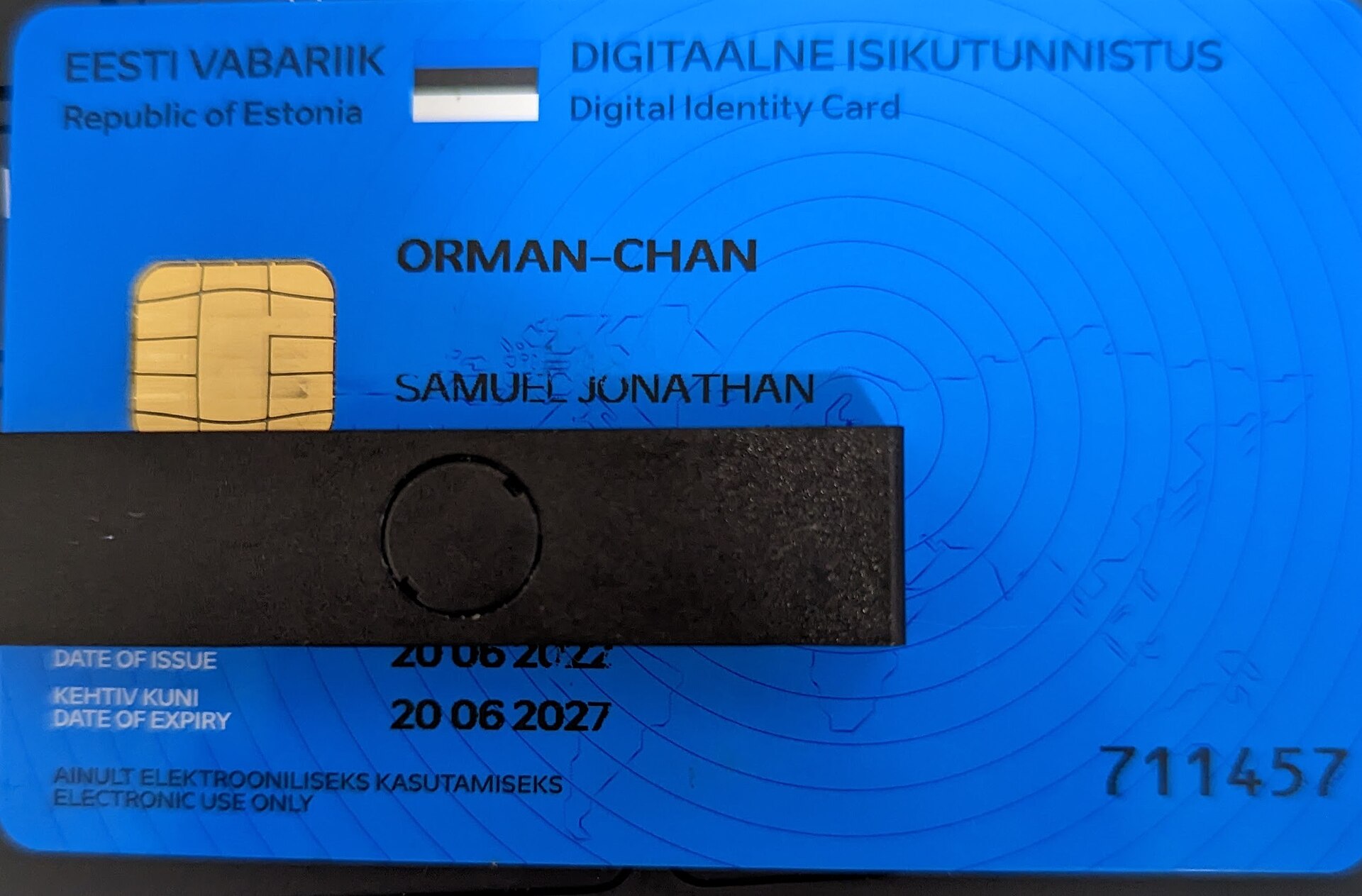
Estonia introduced mandatory electronic ID cards in 2002. Every citizen and permanent resident receives a chip based card carrying two certificates: one for authentication and one for digital signatures. The card is legally equivalent to a handwritten signature for nearly all contracts and state transactions. It doubles as a national identity document for in-person identification.
Mobile and software-based alternatives
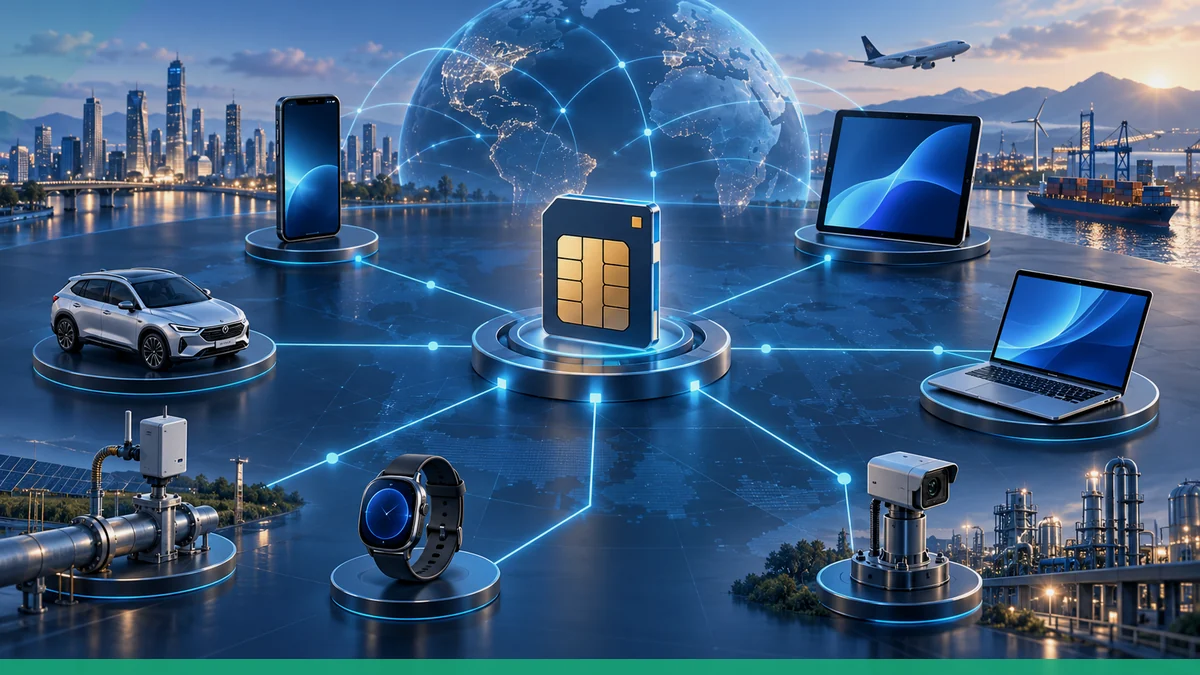
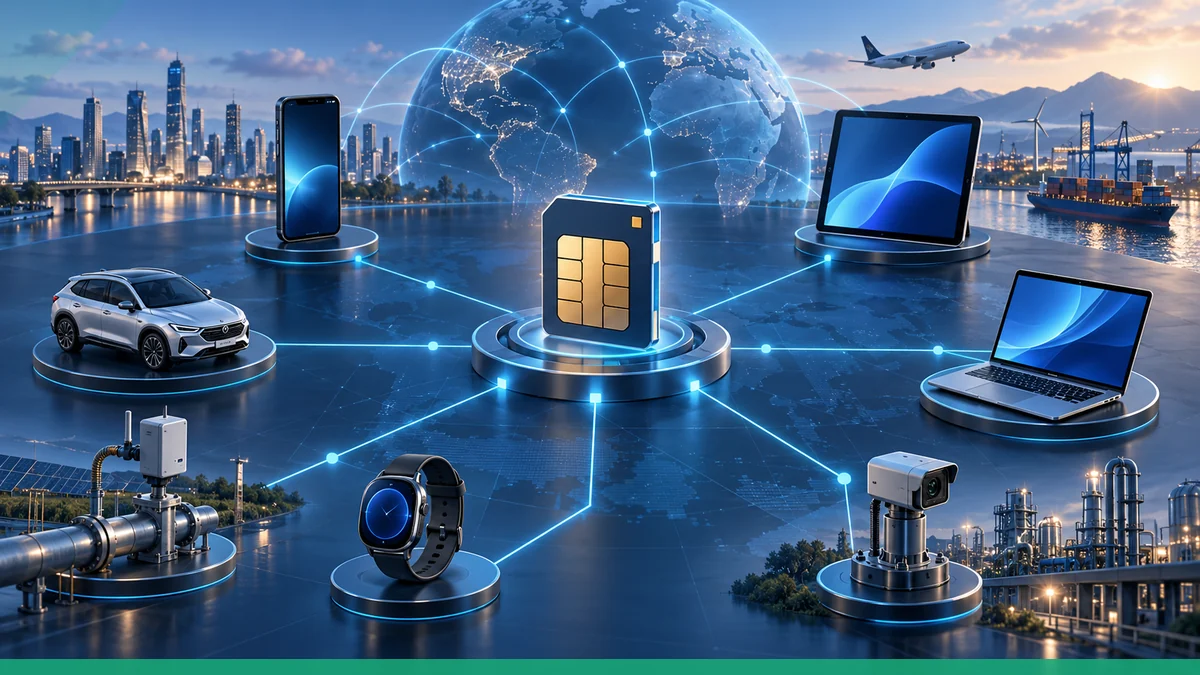
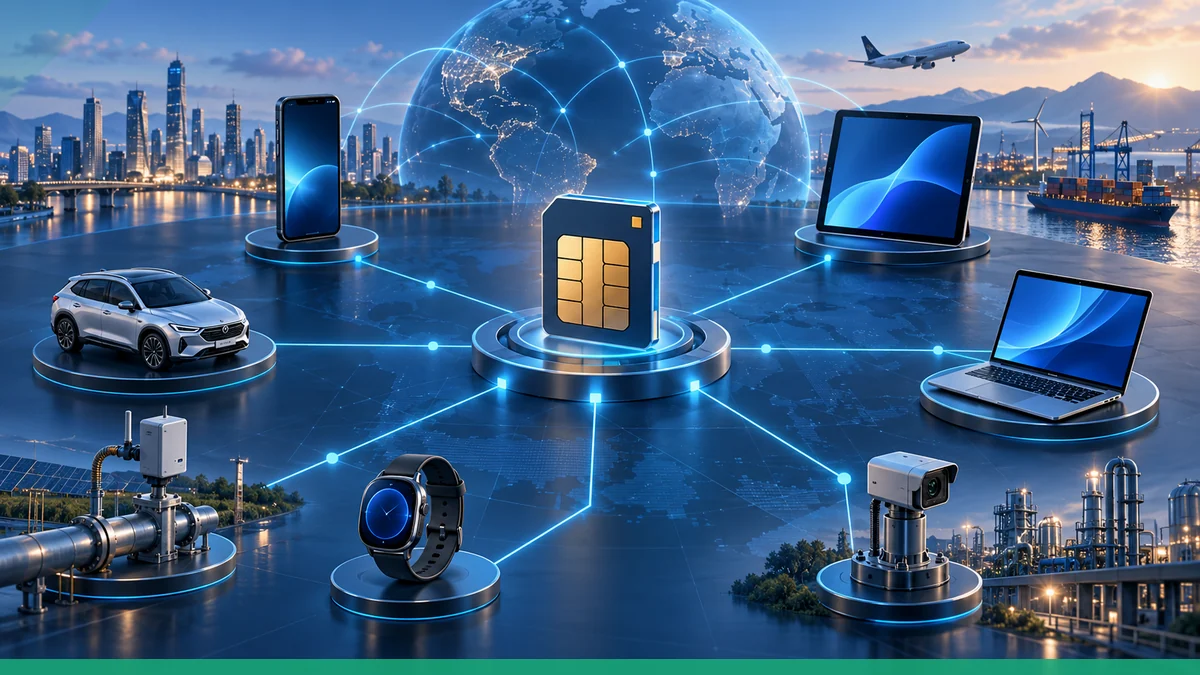
Mobile ID, launched later, puts the same certificates on a SIM card, letting users authenticate and sign from a mobile phone. Smart ID is a software based alternative that works on a smartphone without a special SIM. Both carry full legal weight for digital signatures. The combination means that more than 99 percent of banking transactions happen online, and digital signatures are used millions of times a year. The system is not optional. Residents who lack a working digital ID must visit a state office in person for many services.
I-Voting: Internet Voting in National Elections
How the ballot works
Estonia introduced i-Voting in 2005, becoming the first country to allow internet voting in a national election. A voter casts a ballot from any internet connected device during an advance voting period. The voter authenticates with their digital ID card, Mobile ID, or Smart ID, and the vote is encrypted and sent to the election system. Voters can change their vote as many times as they want during the advance period; only the last vote counts. On election day, anyone who voted online can still vote in person, which invalidates the electronic vote and provides a paper trail for those who distrust the digital system.
Adoption and the audit debate
Usage has grown steadily since 2005. In the most recent national elections for which data is available, roughly half of all votes were cast online. The system has undergone repeated security audits and public debates. Critics argue that internet voting cannot be fully audited because the voter's device and the network sit outside state control. Supporters point to convenience and the absence of credible evidence of large scale manipulation. The debate remains unresolved, but Estonia has not reversed the policy.
E-Residency: A Digital Identity for Non-Estonians
The e-Residency program launched on December 1, 2014. It lets non-Estonians obtain a state issued digital identity and use it to start and manage an EU based business entirely online. E-Residents do not receive citizenship, a residence permit, or the right to enter Estonia. They receive a digital ID card that lets them register a company, sign contracts, file taxes, and open bank accounts remotely.
The program was designed to attract entrepreneurs who want the legal and regulatory stability of the European Union without relocating. As of April 2024, the program had generated significant economic activity in Estonia through company registration fees, taxes, and spending by e-Residents who later visit the country. The exact number of current e-Residents is not established here, but the program has been replicated in various forms by other countries, including Portugal and the United Arab Emirates. It remains one of the most visible exports of the e-Estonia model.

Data Integrity: KSI Blockchain and Data Embassies
The wake-up call of 2007
Estonia suffered a major state sponsored cyberattack in 2007 that targeted state websites, banks, and media outlets. The attack disrupted services for weeks and forced a fundamental rethink of the country's cybersecurity architecture. One of the key outcomes was the adoption of KSI blockchain technology, supplied by Guardtime, an Estonian company founded in 2007.
How KSI protects records
KSI stands for Keyless Signature Infrastructure. It creates a cryptographic hash of every piece of data in state registries at regular intervals and stores those hashes in a distributed ledger. This lets anyone with the right permissions verify that a record has not been altered since it was created, without needing to trust a central authority. The system covers health records, property registries, business registers, and legal documents.
Backup sovereignty in Luxembourg
In 2017, Estonia established the world's first data embassy in Luxembourg. A data embassy is a server room located outside the country's borders that holds a full copy of critical state registries. It has the same legal status as a traditional embassy, meaning the host country cannot access the data. The purpose is to ensure continuity of state operations even if Estonia's territory is compromised by invasion, natural disaster, or a large scale cyberattack.
Economic and Bureaucratic Efficiency Gains
Time and money saved
The measurable benefits of e-Estonia are large. The digital signature system alone saves an estimated 2 percent of Estonia's GDP each year in working time. This figure is calculated by counting the hours that residents and businesses no longer spend filling out paper forms, visiting state offices, or waiting for approvals. More than 98 percent of tax declarations are completed online, and the vast majority are prefilled by the system, meaning the taxpayer only needs to click a confirmation button.
From company registration to prescriptions
Company registration takes less than 20 minutes online. Healthcare records are fully digital, and patients can access their own data through a central portal. Digital prescriptions are used by all pharmacies. The system has reduced administrative costs for both the state and the private sector, though exact figures for total savings are not established here. The NATO Cooperative Cyber Defence Centre of Excellence is located in Tallinn, reflecting the country's reputation as a leader in digital security. The e-Estonia model has been studied by administrations from Singapore to Uruguay, but no other country has matched its combination of mandatory digital ID, decentralized data exchange, and broad adoption across both public and private sectors.
Key Facts
- Independence restored: August 1991
- X-Road launched: 2001
- Mandatory digital ID introduced: 2002
- i-Voting introduced: 2005
- e-Residency launched: December 1, 2014
- First data embassy established: 2017, in Luxembourg
- Online banking transactions: Over 99%
- Online tax declarations: 98%
- GDP saved annually by digital signatures: Estimated 2%
- Major cyberattack: 2007, state sponsored
Frequently Asked Questions
Is the e-Residency digital ID the same as a citizen's ID?
No. E-Residency provides a digital identity for non-Estonians to access certain services and run a business, but it does not confer citizenship, a residence permit, or the right to enter Estonia.
Can i-Voting be audited?
The system allows voters to verify that their vote was received by the server, but critics argue that the voter's device and network cannot be fully secured. Estonia has conducted repeated security audits and allows voters to change their vote or cast a paper ballot on election day to override the electronic vote.
What happens if a citizen loses their digital ID card?
The card can be revoked remotely. The citizen must apply for a replacement, which involves a visit to a state office to verify identity. Mobile ID and Smart ID can also be used while waiting for a replacement.
How does the data embassy in Luxembourg work?
The data embassy is a server room in Luxembourg that holds a full encrypted copy of Estonia's critical state registries. It has the same legal status as a traditional embassy, so Luxembourg authorities cannot access the data. Its purpose is to ensure continuity of state operations if Estonia's territory is compromised.