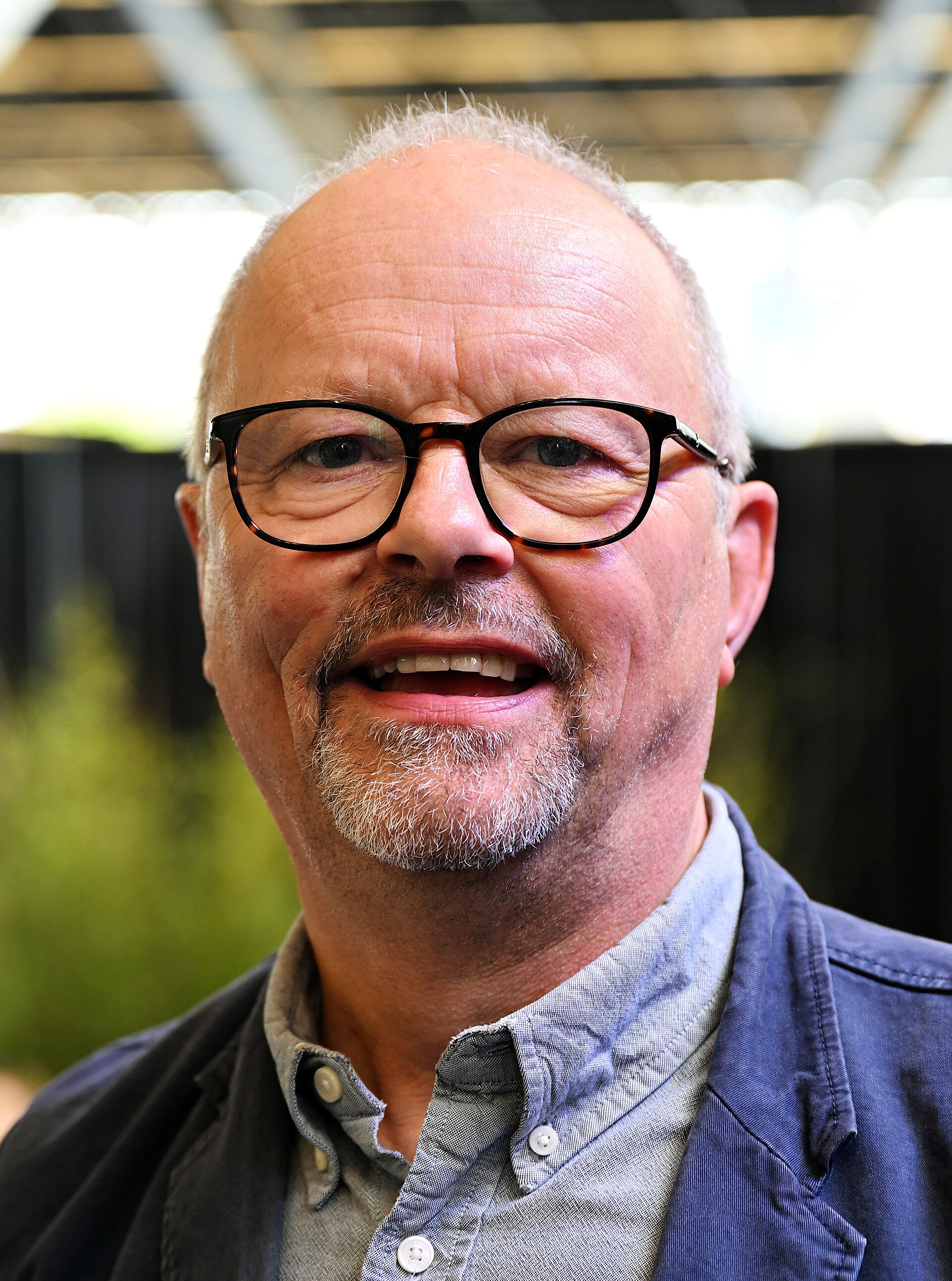
Robert Llewellyn, best known as the android Kryten in Red Dwarf and the face of Scrapheap Challenge, has spent more than a decade as one of the most visible advocates for battery-powered transport and renewable energy. In 2010 he founded the Fully Charged Show, a YouTube channel that grew into the world's leading online outlet for clean mobility and energy tech. Its live event series, Fully Charged LIVE, became an annual exhibition in the UK and internationally.
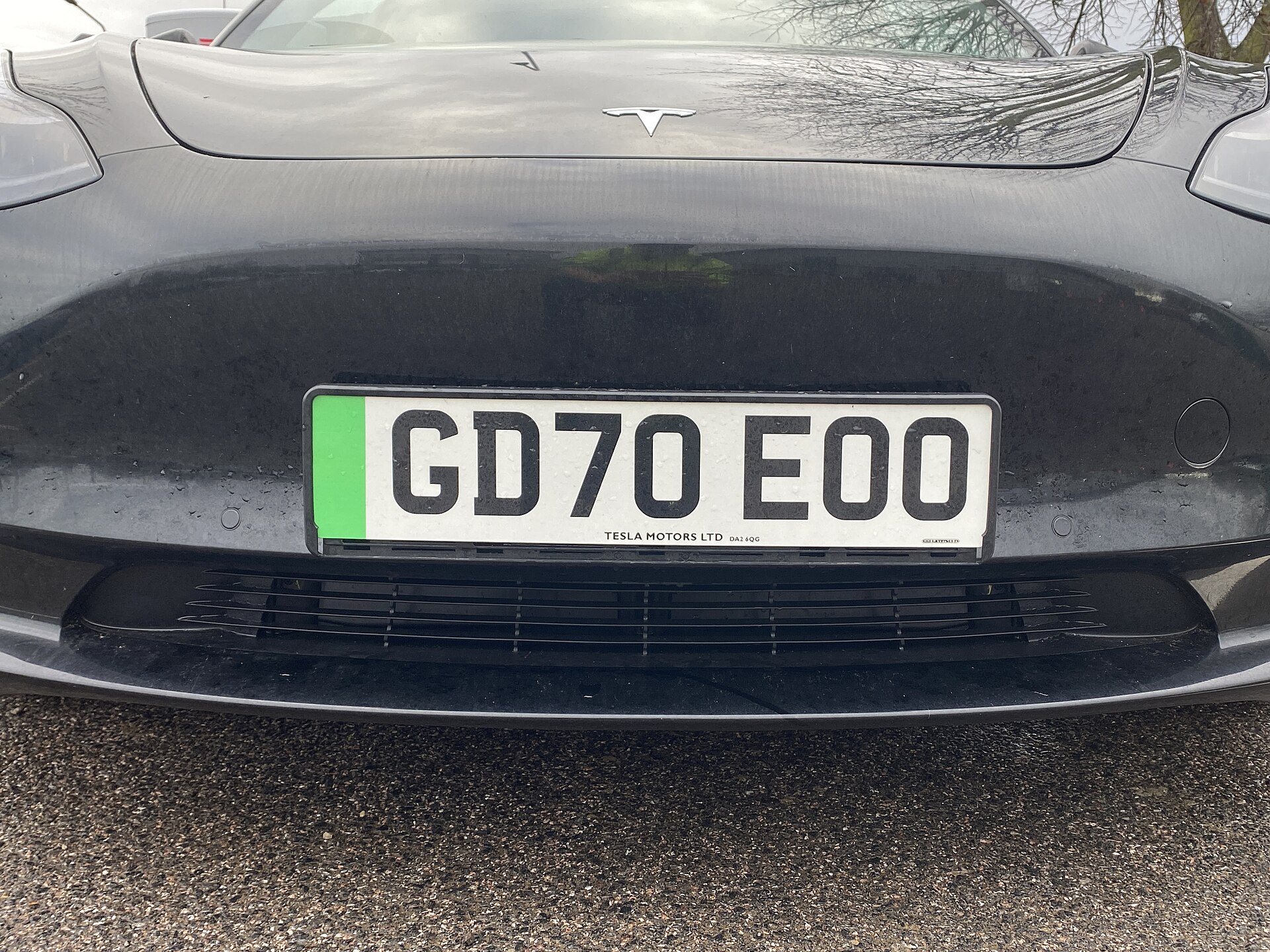
Llewellyn's own driving history mirrors the evolution of the hardware. He owned a Nissan Leaf, one of the first mass-market plug-in cars, and later a Tesla Model S. His interviews with industry figures including Tesla CEO Elon Musk gave him a front-row view of the transition. This piece draws on his public statements and the trajectory of the Fully Charged Show to examine what has changed, what still blocks mass adoption, and where the shift goes next.

From early adopter to influential voice
Llewellyn bought his first plug-in car when EVs were still a niche curiosity. The Nissan Leaf managed roughly 160 real-world kilometres. Infrastructure was sparse. Public skepticism ran high. Llewellyn has said that driving electric convinced him the underlying systems were viable, but that cultural and informational barriers loomed as large as the technical ones.
The Fully Charged Show began as a way to document that experience and demonstrate that battery-powered cars were not science fiction. By the early 2020s the channel had become a major media property covering not just cars but solar panels, heat pumps and grid-scale storage. Llewellyn's approach was practical and conversational, steering clear of the boosterism that coloured some EV coverage. He interviewed engineers, policymakers and critics, and he did not shy away from pointing out the limitations of early models.
The technology that changed the game
Denser packs, longer range
Llewellyn has identified several technological improvements as pivotal. Energy density in cells has increased steadily, pushing real-world ranges past 480 kilometres for many passenger cars. Fast top-up networks have expanded, cutting the time needed for long journeys. The cost of lithium-ion units has fallen dramatically, bringing the purchase price of EVs closer to that of combustion-engine cars. He has pointed to these three shifts as the foundation that made mass adoption thinkable.
The hydrogen dead end
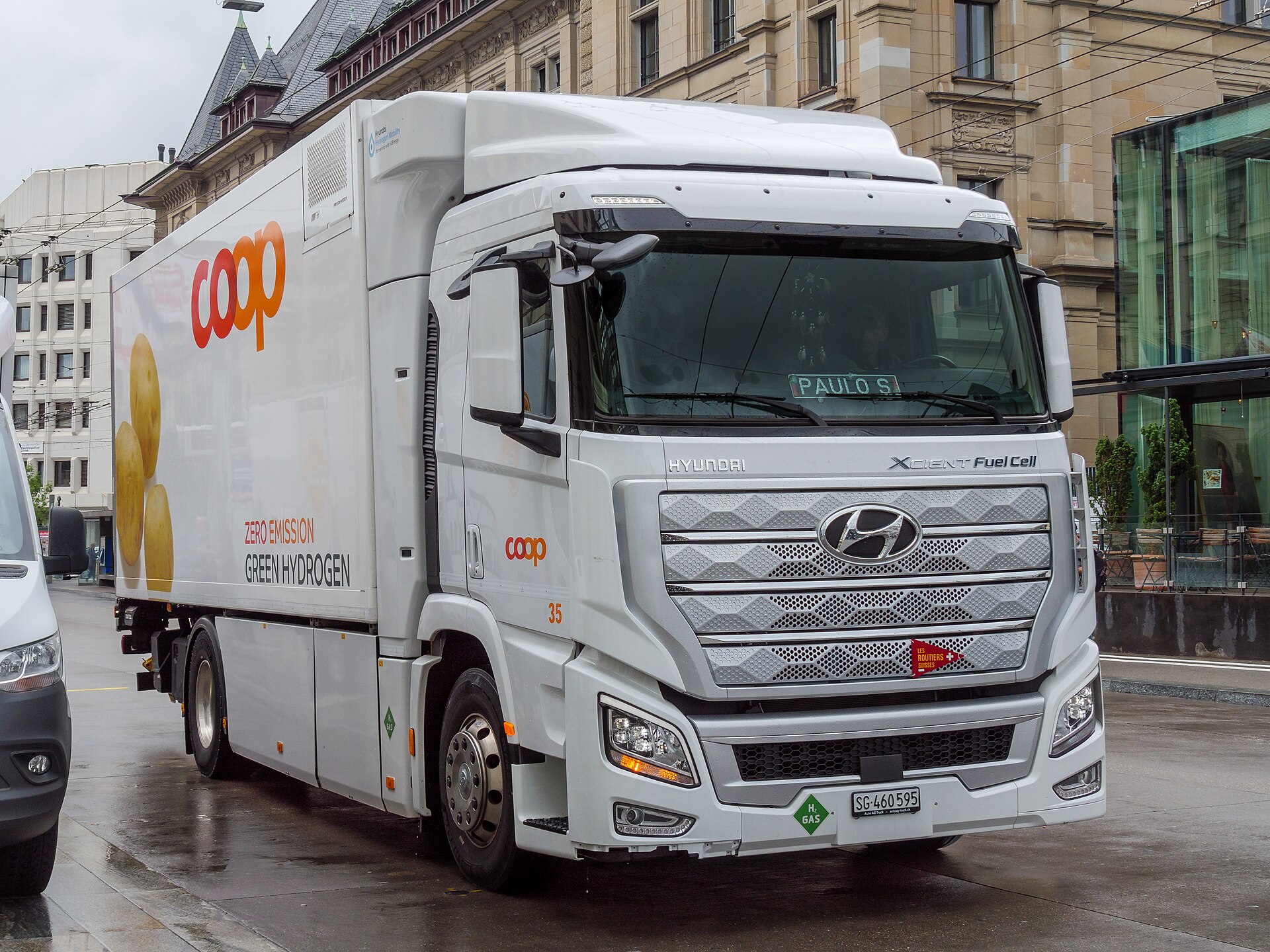
He has been a vocal critic of hydrogen fuel cells for passenger cars, arguing that battery-electric vehicles are more efficient, cheaper to run and already supported by growing infrastructure. For heavier applications such as trucks, shipping and aviation, Llewellyn has acknowledged that batteries alone may not be sufficient in the short term. But he has expressed optimism that improvements in charging speed and cell chemistry will cover more use cases than critics assume.
Remaining obstacles: cost, misinformation, and policy
The price gap
Llewellyn has argued that the biggest remaining obstacle to mass adoption is not technology but cost, misinformation and policy inertia. The upfront price of many electric cars remains higher than comparable petrol models, even if total cost of ownership is lower.
Myths that stick
Misinformation about range, battery life and charging reliability continues to deter buyers. Llewellyn has pointed to media narratives that exaggerate cold-weather range loss or charger downtime. He has called out stories that treat a single broken rapid charger as evidence the whole system is failing.
Uneven rules
Government policy has been patchy. Some countries have introduced purchase subsidies, emissions regulations and charging infrastructure mandates. Others have delayed targets or watered them down under pressure from fossil fuel interests. Llewellyn has been clear: the transition will not happen at the speed required unless governments set firm deadlines for phasing out new combustion-engine vehicle sales and invest in grid capacity to support the load from millions of plugged-in cars.
Beyond cars: buses, trucks, and the grid
Fleets go electric
Llewellyn's focus has expanded beyond passenger cars to public transport, freight and the relationship between EVs and renewable energy. Electric buses are already cost-competitive in many cities. The electrification of delivery vans and short-haul trucks is accelerating.
The hard cases
Long-haul trucking, shipping and aviation remain tougher problems, but Llewellyn has pointed to pilot projects with electric ferries and short-range battery-powered aircraft as signs of progress.
Clean power in, clean power out
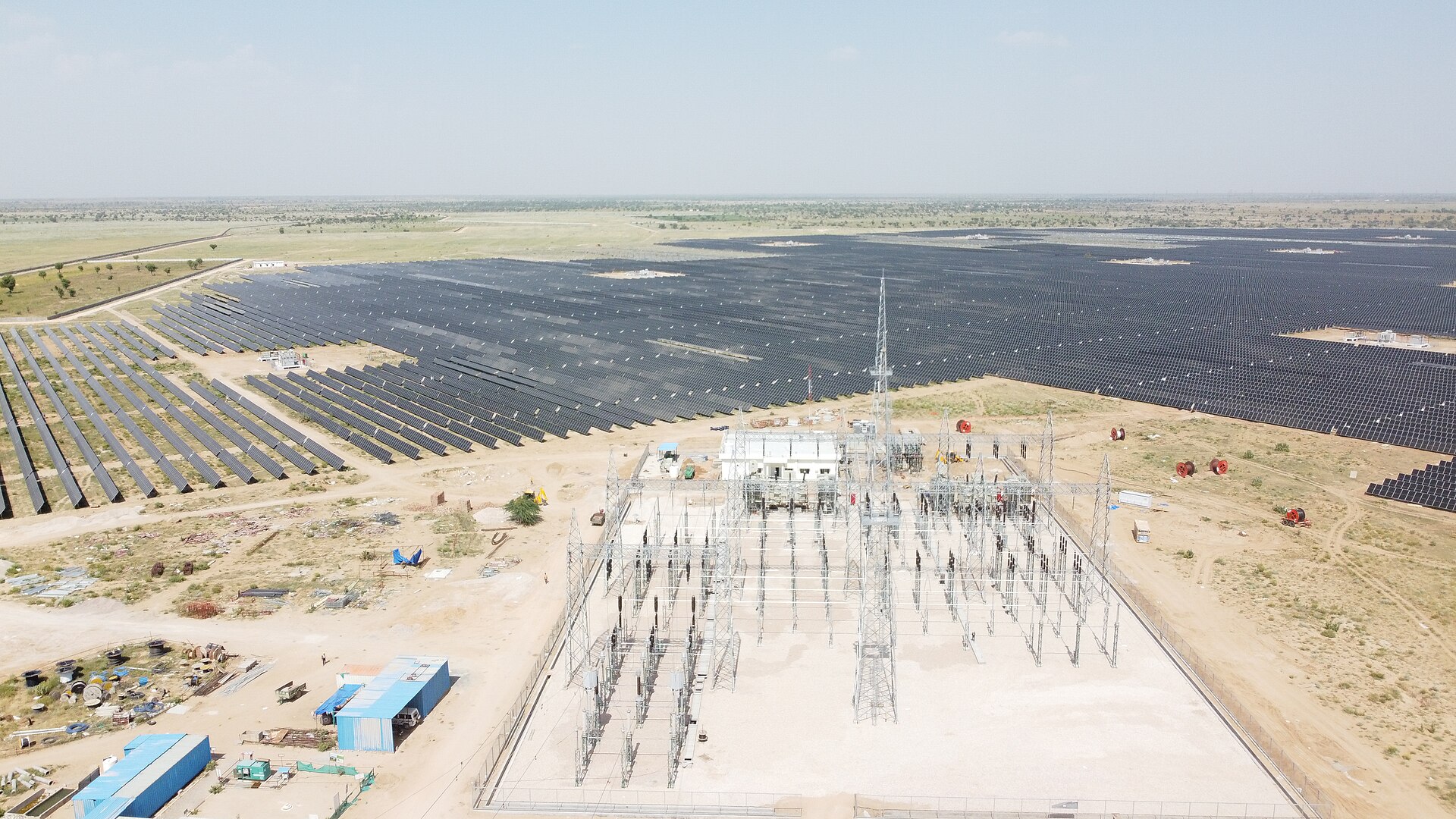
He has also stressed that plug-in vehicles are only as clean as the electricity that powers them. The growth of solar and wind generation has made recharging far less carbon-intensive than it was a decade ago. Llewellyn has predicted that the next five to ten years will see a rapid expansion of vehicle-to-grid technology, where parked EVs feed power back into the network during peak demand. In his view, the convergence of cheaper batteries, renewable generation and smarter charging will make the electric transport transition self-reinforcing, rather than dependent on constant policy intervention.
\nRelated reading: Hyundai shipped first hydrogen truck to Europe in 2020.