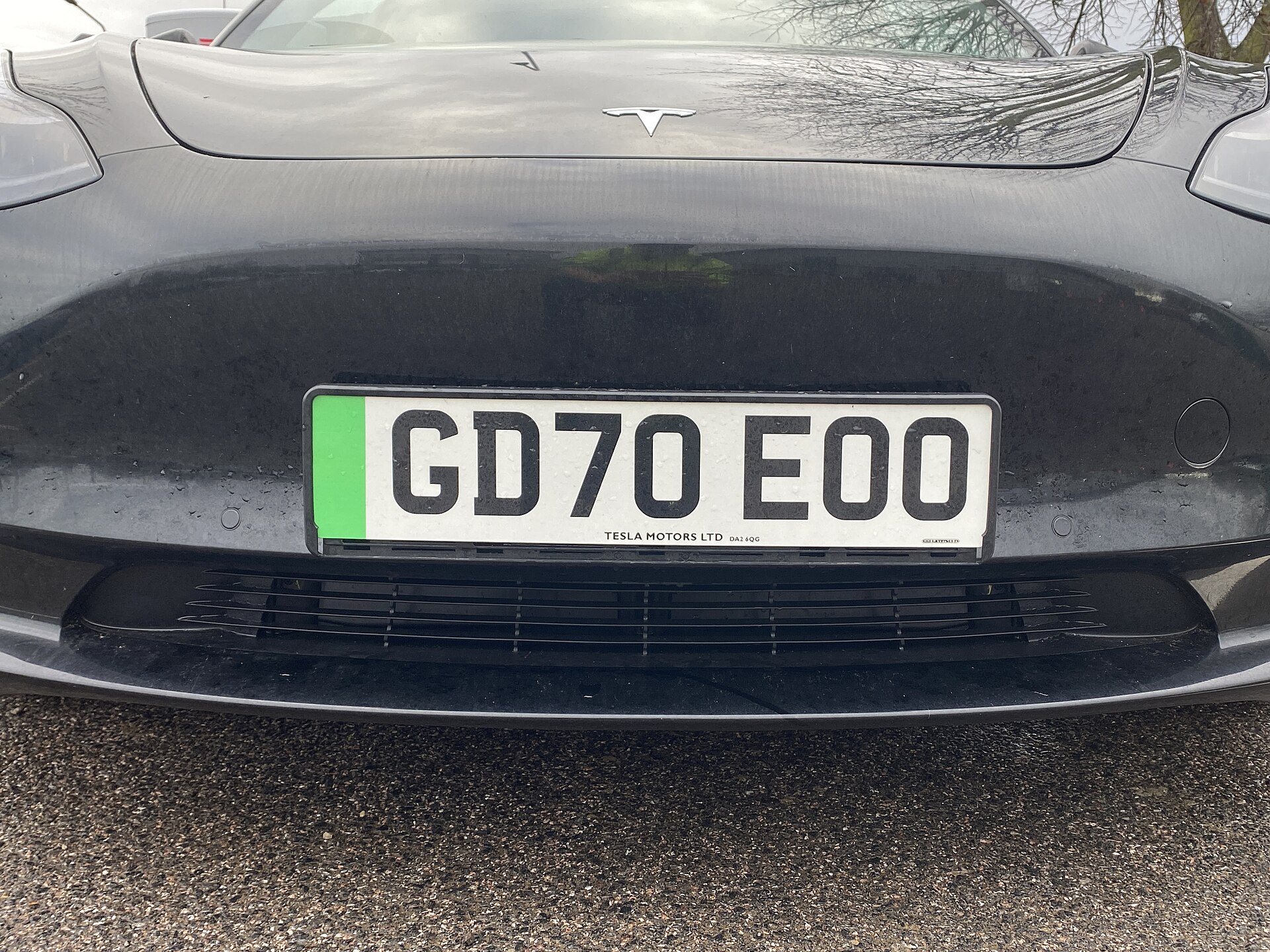
In December 2020, the UK government introduced green number plates for zero-emission cars. A green flash sits on the left-hand side of an otherwise conventional plate. The plates are voluntary. The Department for Transport designed them so councils could spot qualifying cars instantly and offer perks: cheaper parking, access to zero-emission zones, use of bus lanes.
The scheme was announced in October 2019, more than a year before the first plates appeared. It formed part of a wider strategy to phase out new petrol and diesel sales, originally set for 2030 and later moved to 2035. The logic was straightforward. If enforcement systems could identify a zero-emission car on sight, they could reward its driver without complex registration checks.
The plates do not alter tax status, insurance group or eligibility for the central government plug-in car grant. Their value depends entirely on what local bodies choose to offer. That patchwork of decisions has shaped how useful they really are.

What the green flash means and who qualifies
The green plate looks almost identical to a standard UK plate except for a green band on the left. Depending on the manufacturer, that band can fill the entire left section or appear as a slim strip. Letters and numbers stay black on a white background at the front, yellow at the rear.
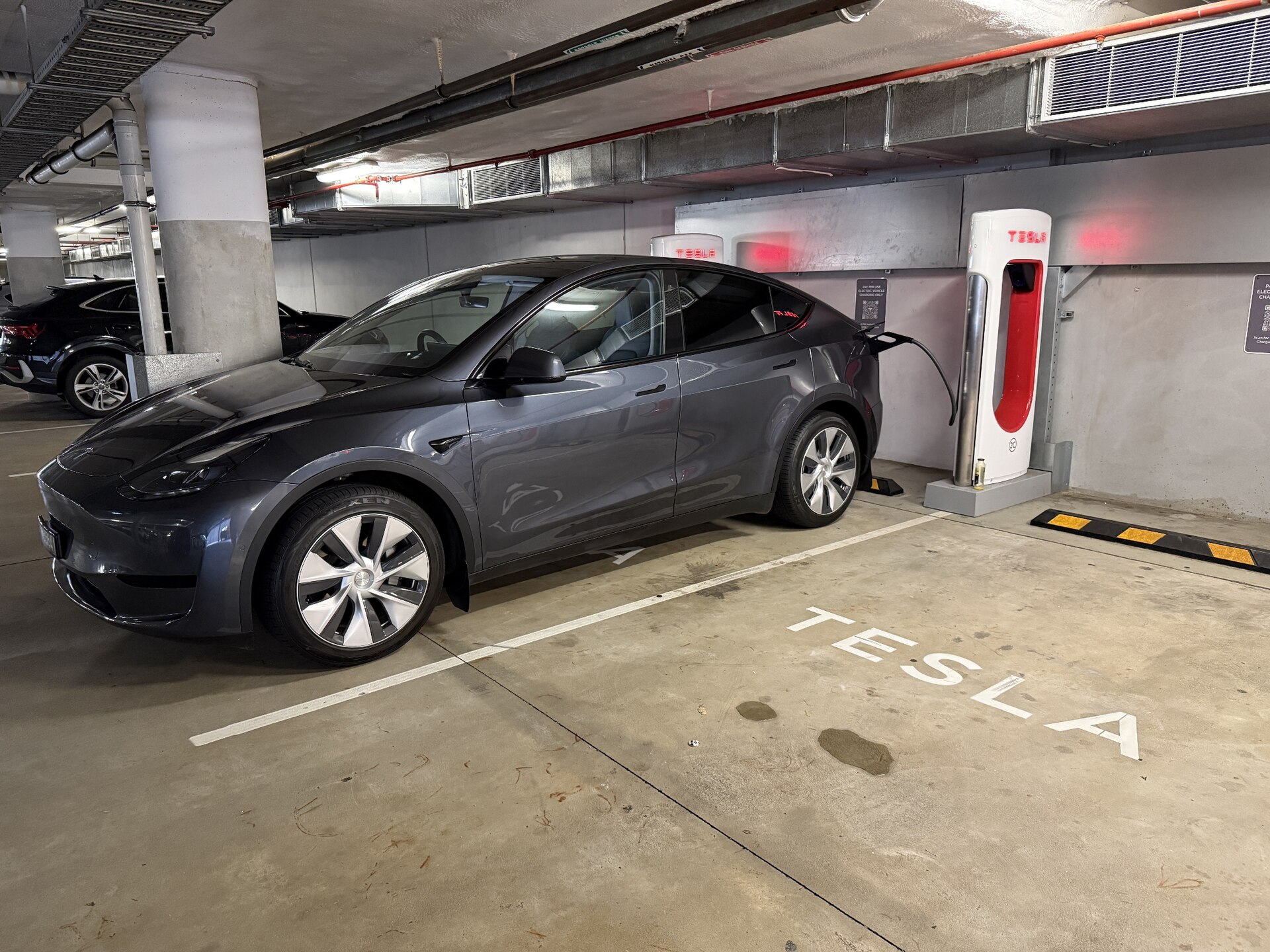
Only vehicles that emit nothing from the tailpipe qualify. That covers battery-electric models such as the Nissan Leaf and Tesla Model 3. Plug-in hybrids that can travel part of a journey on battery power alone do not qualify unless their exhaust produces zero emissions at all times. Hydrogen fuel-cell cars would meet the test, but the government has not extended the scheme to them.
The Department for Transport sets the design rules. Plate makers must follow the same British Standard as for conventional plates. The green flash is an option, not a requirement. An owner of a qualifying car can fit a green plate or keep a standard one. There is no penalty for skipping the flash.
What the plates were supposed to do
The 2019 policy objective was a visible marker that would let councils run zero-emission zones without expensive camera upgrades or manual plate checks. A traffic camera could spot the green flash and automatically grant access or apply a discount. The same logic applied to reserved parking bays and low-emission bus lanes.
Reception from industry and drivers
Industry bodies broadly welcomed the scheme as a low-cost way to raise the profile of battery-electric cars. The Society of Motor Manufacturers and Traders said the plates could help normalise them and make them more recognisable. Some manufacturers began offering green plates as a no-cost option on new models.
Driver reaction has been mixed. Many owners appreciate the subtle visual cue and the potential for local perks. Others see little point because incentives are inconsistent and often require separate registration anyway. A driver in a borough with no green-plate benefits has no reason to switch.
Some drivers report the flash makes their car more noticeable in car parks, which they consider a minor theft deterrent. Others worry it could make the car a target for vandalism. No data supports either concern.

Measurable impact and uptake since 2020
The Department for Transport has not published a central tally of green plates issued. Because the plates are optional and produced by hundreds of registered makers, no single database exists. That absence makes precise uptake hard to gauge.
How the plates fit the changing 2030 and 2035 targets
The green plate scheme was announced alongside the government's 2019 ambition to end sales of new petrol and diesel cars by 2040. In 2020, the target was pulled forward to 2030 for cars and vans, with plug-in hybrids allowed until 2035. In 2023, the prime minister pushed the 2030 ban back to 2035, citing cost-of-living pressures and the need for more charging infrastructure.
The green plate policy survived these shifts. It was never tied to a specific phase-out date. Its purpose is to support the transition regardless of the timeline. Councils that invested in green-plate recognition systems did not have to scrap their work when the deadline moved.
The scheme has not been superseded. As of April 2025, the Department for Transport has announced no plans to make green plates mandatory or to replace them with a digital alternative. The plates remain available for any qualifying owner who wants one.
The bottom line on green number plates
Green plates are a modest policy tool. They cost the government almost nothing to introduce and give councils a simple way to identify zero-emission cars. They compel no one to buy an electric car and guarantee no financial benefit. Their usefulness depends on local decisions that vary council by council.
For an owner in a borough that offers free parking for the green flash, the scheme delivers a tangible saving. For an owner in an area with no incentives, the plate is cosmetic. The scheme has never been evaluated in a formal government impact assessment. There is no official verdict on whether it has changed behaviour or accelerated adoption.
What the plates have done is make zero-emission cars slightly more visible on UK roads. That visibility may matter less as battery-electric models become commonplace. But in 2020, when fewer than one in 150 cars on the road was battery-electric, the green flash served as a small signal of change. It remains in place, unchanged, as the transition continues.