Global EV sales passed 1.8 million units for Tesla alone in 2023, yet the mainstream car buyer still passes over a battery electric vehicle. The distance between early adopter enthusiasm and mass market reality is not about technology. It is about three numbers: the roughly $50,000 average transaction price of a new EV in the US as of late 2023, according to Kelley Blue Book; the share of public charging points per vehicle in each country; and the real dollar value of a government incentive after income caps and sourcing rules are applied.
Norway shows what happens when all three line up. Battery electric vehicles captured 82.4% of new car sales there in 2023, the highest share on record. The rest of the world is far behind because no other major market has simultaneously eliminated purchase taxes on EVs, built a dense charging network, and maintained those policies long enough for consumer habits to shift. In the US, the Inflation Reduction Act revised the federal EV tax credit in August 2022, adding battery sourcing requirements and income caps that disqualified roughly half the models that had previously qualified. The headline $7,500 credit is real for some buyers and invisible for others.
What follows examines the specific barriers that keep the mass market from adopting EVs, the incentives designed to remove those barriers, and the production decisions automakers are making in response. The data runs through May 2024.

The Purchase Price Gap Is Not Closing Fast Enough
What the average buyer actually faces
The average new EV in the US cost about $50,000 in late 2023, per Kelley Blue Book estimates. That figure sits roughly $10,000 above the average for a new internal combustion engine vehicle. The gap matters because the mainstream car buyer shops on monthly payment, not on lifetime fuel savings. A $50,000 car requires a monthly payment that many households cannot absorb, even if the total cost of ownership over seven years is lower.
Why price parity remains elusive
Price parity between EVs and ICE vehicles is widely expected to arrive eventually, but no reliable date exists. Battery costs have fallen, but raw material price swings and the cost of retooling factories have kept the floor high. The average EV remains a premium product sold to households that have access to home charging and a second car. That demographic is finite. Once it is saturated, growth slows until cheaper models appear.
The missing budget segment
The budget segment of the EV market is the smallest and the slowest growing. Sub-$30,000 EVs, as priced by manufacturers, are scarce in most markets. Automakers have prioritized higher margin vehicles, which makes business sense but delays the volume that would drive charging infrastructure investment and bring used EVs into reach of lower income households.
Charging Infrastructure: The Gap Between Urban and Rural
Two problems hiding inside one term
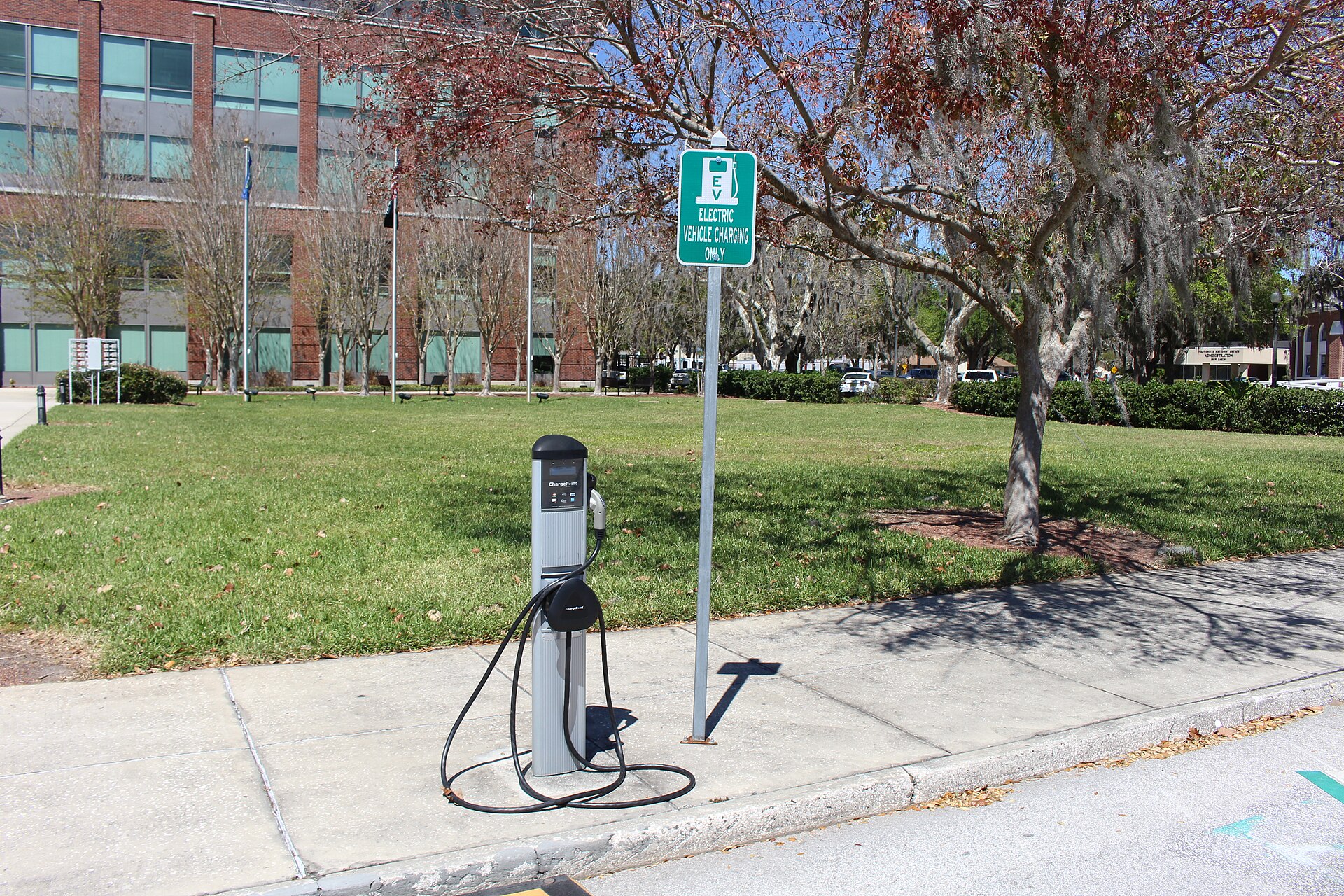
Range anxiety persists in surveys as a top barrier to EV adoption, but the term conflates two different problems. One is psychological: drivers who have never owned an EV overestimate how often they will need public charging because they think in terms of gasoline station visits. The other is physical: people who cannot charge at home or at work depend on public infrastructure that is unevenly distributed.
Where the network works, and where it doesn't
In dense urban areas and along major highway corridors, public charging is approaching adequacy in parts of Europe and coastal China. In rural areas, apartment buildings, and many US states, the network is too thin for an EV to be a household's only car. The difference between a buyer who can charge in a garage and one who cannot is larger than the difference between any two EV models.
The multi-year lag between funding and plugs
Governments have responded with funding programs, but installation lags behind appropriation. The US National Electric Vehicle Infrastructure program, funded by the 2021 infrastructure law, began awarding grants in 2023 but had installed only a small fraction of its planned stations by early 2024. The gap between policy announcement and plug availability is typically three to four years.
Incentives That Work and Incentives That Don't
The IRA credit: generous on paper, narrow in practice
The Inflation Reduction Act's revised EV tax credit illustrates how incentive design determines effectiveness. The law imposed battery mineral and component sourcing requirements that tightened over time, plus a $150,000 income cap for single filers and a $300,000 cap for joint filers. The result is a credit that is generous on paper but narrow in practice. Several popular models lost eligibility entirely in 2023 and 2024. The credit also could not be transferred to the dealer until 2024, which means the buyer must have enough tax liability to use it, excluding households with lower incomes.
Norway's instant discount model
Norway took a different approach. Instead of a rebate that arrives months after purchase, it exempted EVs from the 25% value added tax and from purchase and import duties. The discount is immediate and visible on the window sticker. Combined with free municipal parking, bus lane access, and a charging network built with public and private investment, the incentives created a market where the rational choice is an EV.
Europe's regulatory route
The European Union took a regulatory route. In March 2023, it approved a law banning the sale of new CO2-emitting cars by 2035. That timeline forces automakers to shift production regardless of consumer sentiment, but it does nothing to make today's EVs cheaper. Incentives in EU member states vary widely, from Germany's generous purchase subsidies (since reduced) to countries with minimal support.
Legacy Automakers Adjust Production Plans Downward
The pullback pattern of 2023-2024
In 2023 and early 2024, Ford, General Motors, and Mercedes-Benz each announced delays or reductions in near-term EV production targets. The pattern was consistent: early demand from enthusiasts and fleets had been strong, but the next wave of buyers was not materializing at the pace forecast. Ford delayed about $12 billion in EV spending. GM pushed back the opening of its Orion Assembly plant for electric trucks. Mercedes-Benz walked back its ambition to go all-electric by 2030 in some markets, saying it would offer internal combustion engines as long as customers wanted them.
A structural disadvantage for legacy players
These pullbacks do not mean legacy automakers are abandoning EVs. They mean the transition is happening on a consumer timeline, not a press release timeline. Legacy automakers face a structural disadvantage: they must manage the decline of their ICE business while investing in EV capacity, all while maintaining quarterly margins. EV-native companies like Tesla and BYD do not carry that legacy cost.
A two-horse race at the top
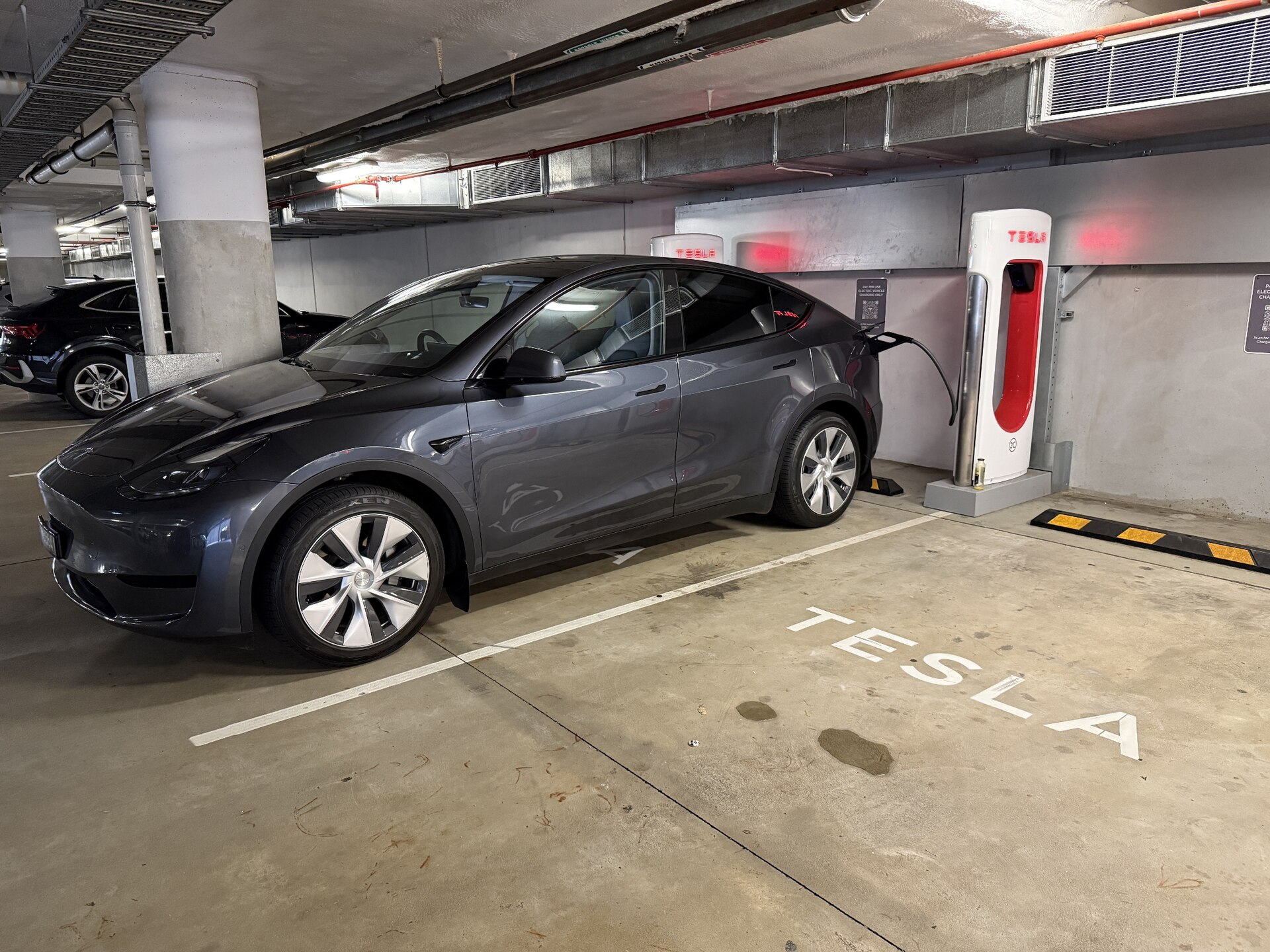
BYD surpassed Tesla in total global EV sales in the fourth quarter of 2023, driven by a broad lineup that includes budget models unavailable from most Western automakers. The competitive landscape has shifted from a single dominant player to a two-horse race at the top, with Chinese manufacturers gaining share in markets outside North America.

Total Cost of Ownership Favors the EV, But Only for Some Drivers
Fuel and maintenance savings are real
An EV typically costs less to fuel and maintain than a comparable gasoline car. Electricity is cheaper per mile than gasoline in most regions. EVs have fewer moving parts, no oil changes, and regenerative braking that extends brake life. Over a typical seven-year ownership period, the fuel and maintenance savings can offset a significant portion of the higher purchase price.
Depreciation: the wild card
Depreciation complicates the calculation. EV resale values have been volatile, driven by rapid technology improvements, Tesla price cuts, and uncertainty about battery health. A buyer who keeps the car for ten years captures the fuel savings. A buyer who leases or trades in after three years may find that depreciation has wiped out the operating cost advantage. The precise resale curve for a 2024 model year EV is not yet established, but early data suggests that EVs depreciate faster than comparable ICE vehicles in the first three years, then stabilize.
The best-case scenario for TCO
The total cost of ownership calculation also depends on charging access. A driver who charges at home on a residential electricity rate saves roughly $600 to $1,000 per year compared to gasoline, depending on local fuel and power prices. A driver who relies on public fast charging at rates that can approach gasoline parity saves much less. The best case for TCO is a household with a garage, a stable electricity tariff, and a long ownership horizon.
Consumer Sentiment: Reliability Concerns and Environmental Tradeoffs
Trust takes longer than warranties
Surveys consistently show that mainstream buyers rate EV reliability and battery longevity as major concerns. The concerns are not unfounded. Early EV models had higher initial defect rates than established ICE platforms, and battery degradation, while slower than most consumers expect, is a real phenomenon that affects range over time. Automakers have responded with longer warranties, typically eight years or 100,000 miles on the battery, but consumer trust takes years to build.
The environmental calculus is not simple
Environmental attitudes also drive adoption, but in a more complex way than early narratives suggested. Buyers who prioritize reducing personal emissions are disproportionately represented among early adopters. Mainstream buyers are more likely to weigh the environmental impact of battery production, including mining and manufacturing emissions, against the lifetime reduction in tailpipe emissions. The tradeoff is real: an EV produces more emissions during manufacturing than an ICE car, but the lifetime gap depends on the carbon intensity of the local electricity grid. In regions with coal-heavy grids, the break-even point is several years of driving.
How the segments shake out
The market segmentation reflects these dynamics. The luxury segment, where price sensitivity is lowest and home charging access is highest, has seen the fastest adoption. The mid-range segment is growing but unevenly. The budget segment remains small, constrained by the absence of affordable models and the difficulty of installing chargers in multi-unit housing. Until a $25,000 EV with a reliable charging network exists in volume, the mass market will remain a projection, not a reality.
Key Facts
- Tesla global deliveries (2023): Over 1.8 million vehicles
- Norway BEV market share (2023): 82.4%
- US average EV price (late 2023): Approximately $50,000
- US federal EV tax credit (revised): Up to $7,500, with new battery sourcing and income caps
- EU ICE ban approval date: March 2023, effective 2035
- BYD vs Tesla Q4 2023: BYD surpassed Tesla in total global EV sales
- Legacy automaker production delays: Ford, GM, and Mercedes-Benz announced delays or reductions in 2023-2024
EV Market Segments by Price and Growth Rate
| Segment | Typical Price Range | Growth Rate (2023) | Key Barrier |
|---|---|---|---|
| Luxury | $60,000+ | Fastest | Limited addressable market |
| Mid-range | $40,000 - $60,000 | Moderate | Price gap vs ICE, charging access |
| Budget | Under $35,000 | Slowest | Few models available, low margins |
Frequently Asked Questions
When will EVs reach price parity with gasoline cars?
No reliable date is established. Battery costs continue to fall, but raw material price volatility and factory retooling costs keep the average EV price above the ICE average. Most analysts project parity within this decade, but the exact timing depends on battery prices, model availability, and policy.
Do EV tax credits actually increase sales?
The evidence from Norway suggests that immediate, visible purchase incentives are highly effective. The US experience with the Inflation Reduction Act shows that complex eligibility rules and income caps limit the credit's impact. The design of the incentive matters as much as its dollar value.
Is range anxiety a real problem or a perceived one?
Both. For drivers who can charge at home, range anxiety tends to fade after the first month of ownership. For those who rely on public charging, especially in areas with sparse infrastructure, it is a genuine constraint that limits EV suitability as a primary vehicle.