The UK government's Future of Transport regulatory review, launched in March 2019, was meant to modernise transport laws for an era of electric scooters, autonomous shuttles, and integrated booking platforms. Five years on, the outcomes are uneven. Rental e-scooters are legal in dozens of trial zones but private devices remain illegal on public roads. Mobility-as-a-Service platforms exist but lack the data-sharing mandate that would let them integrate modes without friction. And the 2030 ban on new petrol and diesel car sales, pushed back to 2035 in September 2023, has changed the timeline for every city's charging network plan.
What follows tracks what has actually happened in UK urban mobility: which pilots produced usable data, which regulatory gaps persist, and where the money is going. It covers the e-scooter trials, the connected and autonomous vehicle programmes, the emerging eVTOL sector, and the commercial pressures on micromobility firms and transport authorities alike.

The Future of Transport Review and Its Uneven Outcomes
The Department for Transport's Future of Transport review, announced in March 2019, was designed to create a regulatory framework for new mobility services. It produced a series of consultations on e-scooters, MaaS, and autonomous vehicles. The most concrete outcome was the legalisation of rental e-scooter trials in England, Scotland, and Wales from July 2020. Private e-scooters remained illegal on public roads, a distinction that has frustrated service providers and confused users ever since.
On MaaS, the government published a call for evidence on data sharing between companies and local authorities, but as of October 2023 no statutory data-sharing mandate exists. The integrated journey-planning and payment platforms that MaaS promises therefore remain fragmented. On autonomous vehicles, the review fed into the work of the Centre for Connected and Autonomous Vehicles (CCAV), which oversees policy and funding for self-driving technology. Primary legislation for liability and insurance has not yet passed.
E-Scooter Trials: What Worked and What Did Not
The trial framework
The national rental scooter trials began in July 2020, initially in a handful of English cities and later extended to Scotland and Wales. Lime, Tier Mobility, Dott, and Voi deployed fleets under temporary legislation that required users to hold a valid driving licence, obey speed limits of 12.5 mph, and park in designated bays. The trials were originally scheduled to end in November 2021 but were repeatedly extended.
Safety data and the private scooter gap
By late 2023, the Department for Transport had not published final casualty statistics, though interim reports showed a pattern of injuries concentrated among younger riders and in areas without dedicated cycle lanes. The legal status of private devices did not change. Millions of individually owned scooters remained illegal for use on public roads. The trials have not yet produced a decision on permanent legalisation, and no final date for that decision has been set.
MaaS Platforms and the Data-Sharing Gap
The London paradox
Mobility-as-a-Service promises a single app for bus, train, bike-share, scooter rental, and ride-hail. Transport for London operates one of the world's largest contactless payment card systems, a foundational piece of infrastructure for MaaS. Yet London does not have a single MaaS app that integrates all modes. The barrier is commercial, not technical. Fleet operators are reluctant to share real-time data on vehicle location, pricing, and availability without a regulatory requirement to do so.
The missing mandate
The government's Future of Transport review called for open data standards but stopped short of mandating them. Local authorities have pushed for a data-sharing duty in any future transport bill, arguing that without it they cannot plan kerbside space, enforce parking rules, or evaluate whether new services reduce car use. As of October 2023, no such duty exists. The result: the UK has many MaaS pilots but no city-wide system that matches the integration of TfL's own payment network.

CAV Pilots: Coventry, West Midlands, and Oxford
West Midlands and UK Autodrive
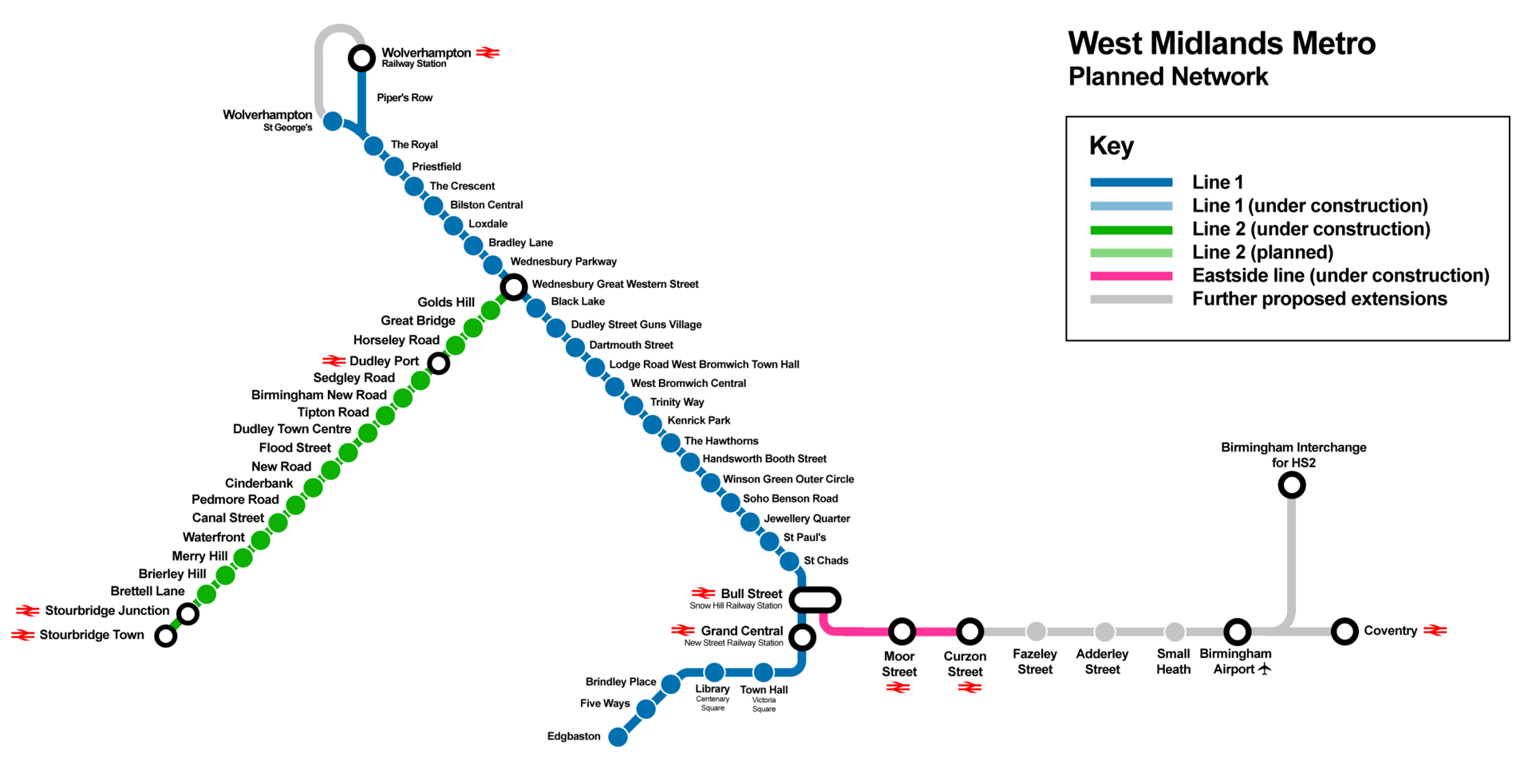
The UK's connected and autonomous vehicle programme has been running longer than the scooter trials and has produced more measurable outcomes. The West Midlands Combined Authority was a key region for testing CAVs as part of the UK Autodrive project, which ran from 2015 to 2018 and demonstrated self-driving pods on pedestrianised streets and public roads. Coventry City Council won the City of the Year award at the 2019 Smart Cities UK Awards for its mobility innovation projects, which included autonomous shuttle trials.
Oxford and the commercialisation gap
CCAV has funded multiple rounds of collaborative R&D projects, pairing automotive suppliers with tech companies and local authorities. Oxford has been a test site for autonomous delivery vehicles and shuttle services. The pilots have generated data on sensor performance in UK weather conditions, pedestrian interaction algorithms, and remote monitoring. What they have not produced is a commercial deployment at scale. The legal framework for self-driving vehicles on public roads without a safety driver is still being developed. No company had applied for a licence to operate a fully driverless service as of October 2023.
eVTOL and Urban Air Mobility Infrastructure
Certification and the regulatory path
Urban air mobility, meaning electric vertical take-off and landing aircraft used for short passenger flights, is the least mature of the new mobility modes in the UK. The Civil Aviation Authority is the body responsible for certifying new eVTOL aircraft and vertiport sites. As of October 2023, no eVTOL manufacturer had received full CAA type certification for commercial passenger operations.
Proposed sites and the investment case
Several vertiport locations have been proposed, including at existing heliports and on the roofs of transport hubs in London. The business case relies on high-value, time-sensitive trips: airport transfers, medical logistics, and business travel. The investment landscape is dominated by aerospace manufacturers and venture capital funds. The UK market has not yet seen the scale of deployment that exists in the United States or China. The aircraft work in controlled tests. The regulatory pathway for routine urban operations remains unclear.
The 2030 Ban, Charging Networks, and Operator Economics
A delayed deadline
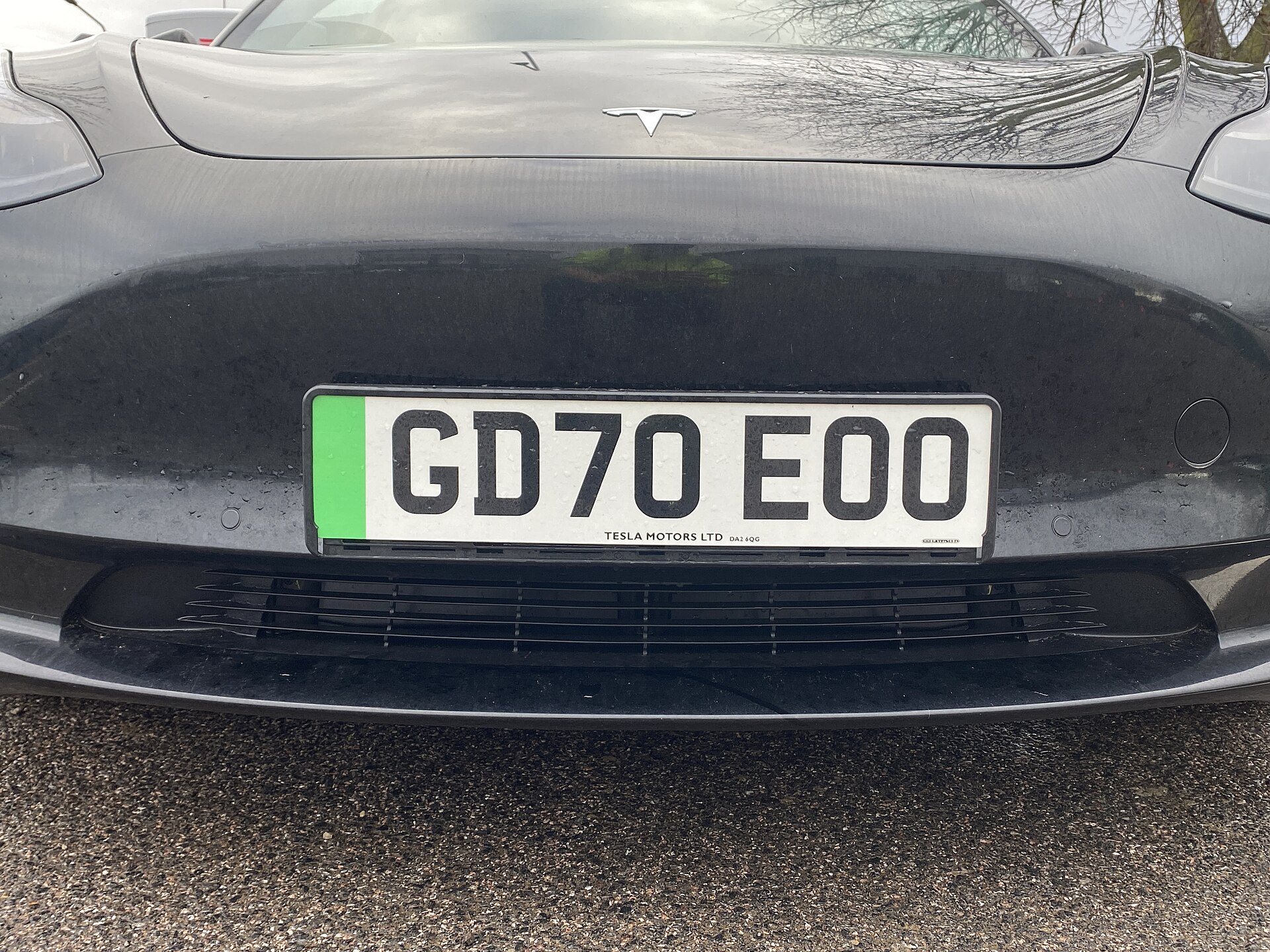
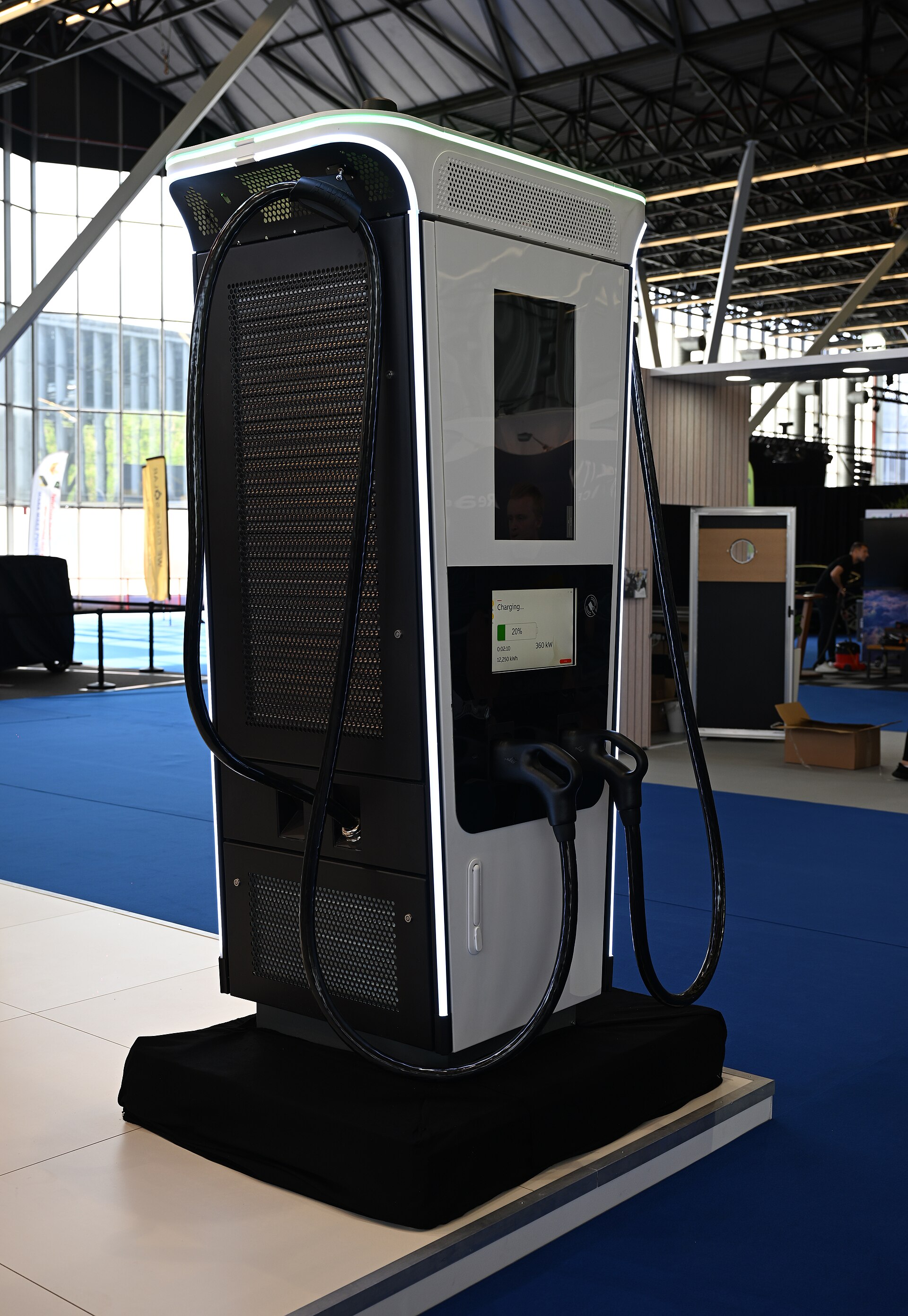
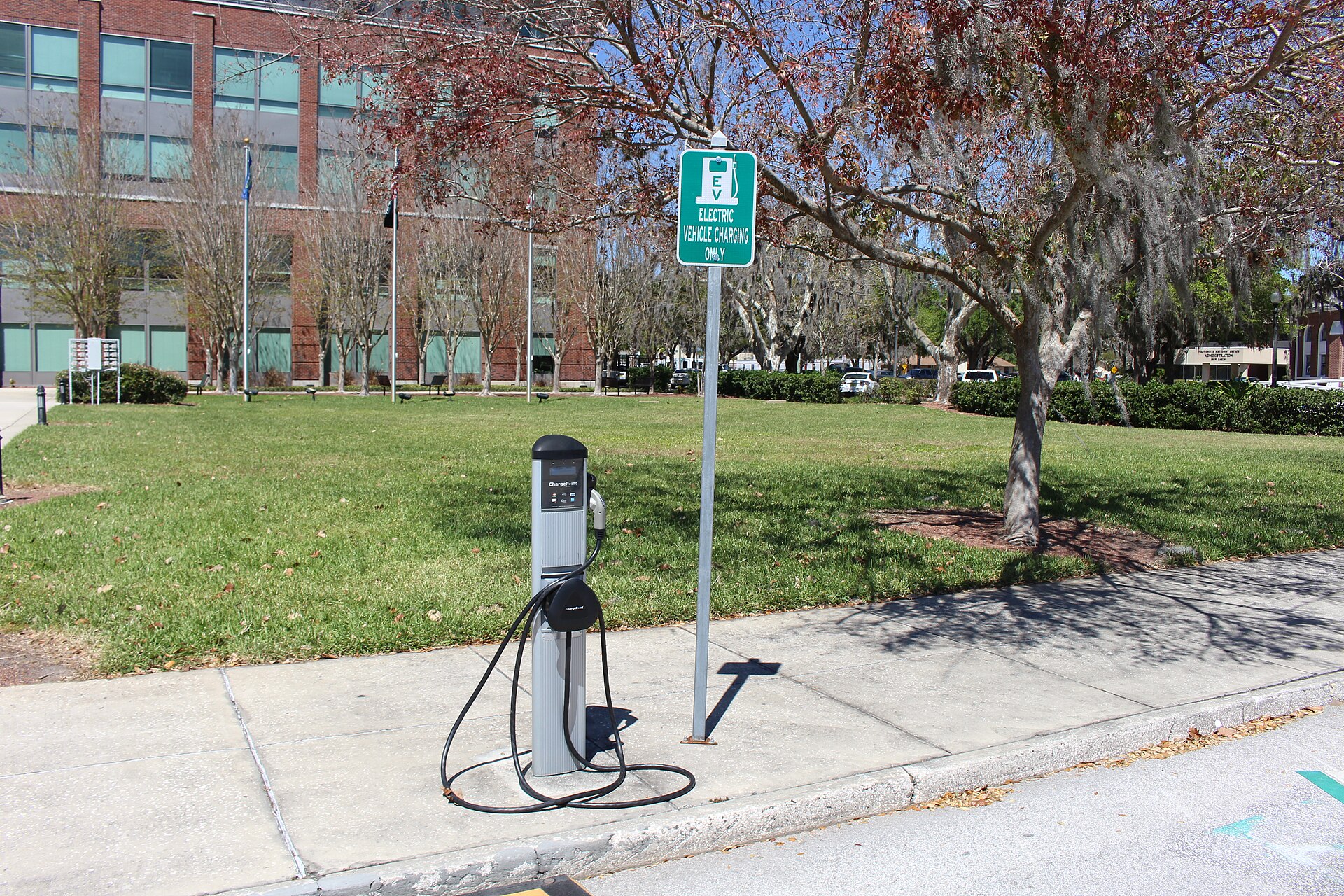
The UK government announced a ban on the sale of new petrol and diesel cars and vans from 2030, then extended the deadline to 2035 in September 2023. The delay gave local authorities more time to plan charging networks but also weakened the investment signal for rapid charger deployment. Urban transport planning now has to account for a mixed fleet of internal combustion, hybrid, and electric vehicles for at least another decade.
Consolidation and discipline in micromobility
The commercial landscape for rental scooter and bike firms has been shaped by market exits and consolidation. Several startups folded and others merged as the cost of capital rose and city contracts proved less profitable than expected. Lime, Tier Mobility, and Dott have focused on reducing vehicle weight, extending battery life, and negotiating longer permits with cities. Transport for London and other city transport bodies are adapting their procurement models by incorporating rental bikes and scooters into their own tender processes, often requiring companies to share data and contribute to kerbside management costs. The result is a market that is smaller than the 2019 projections suggested, but more disciplined.