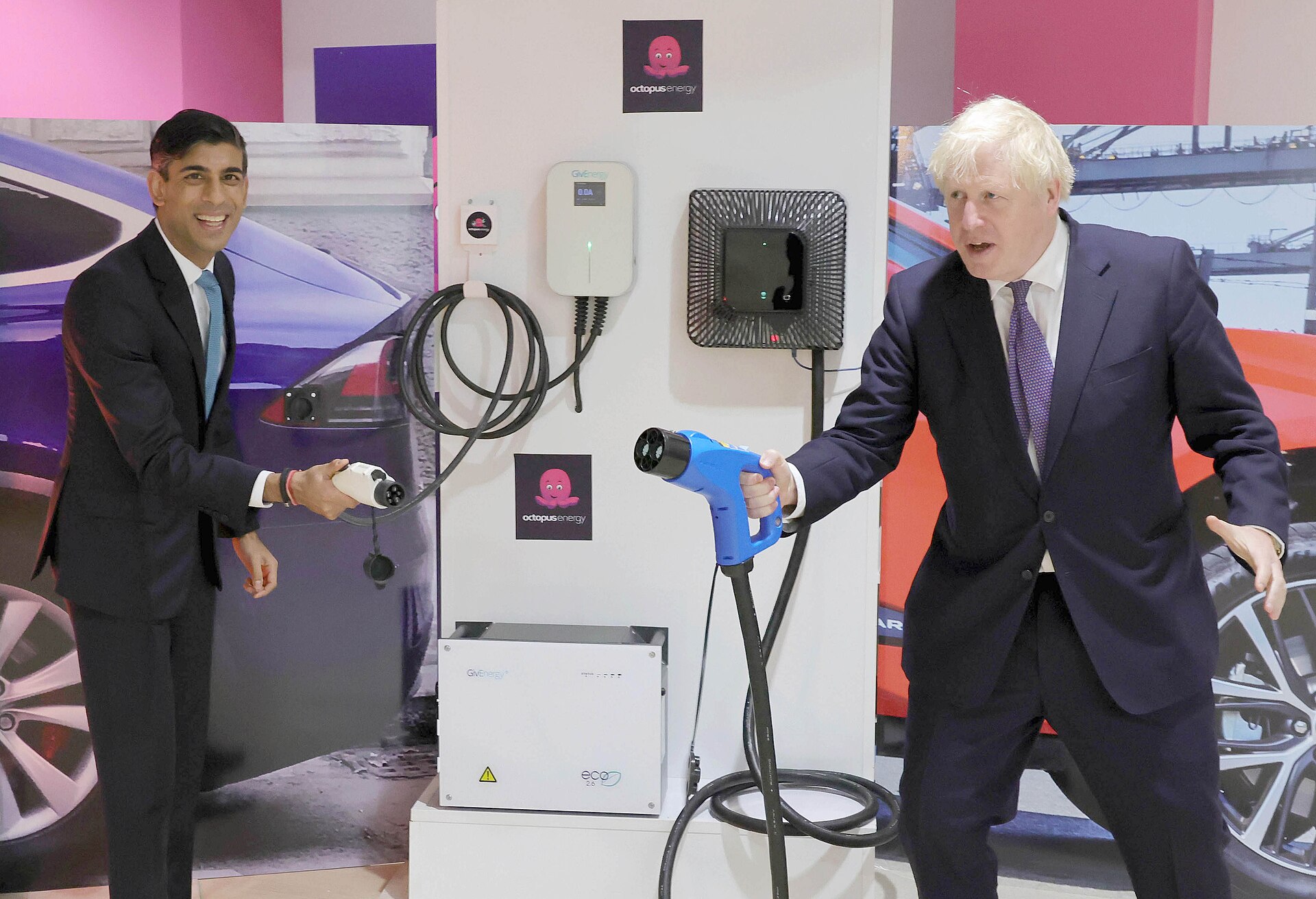
The UK will ban the sale of new petrol and diesel cars and vans in 2035, not 2030. Prime Minister Rishi Sunak announced the delay on 20 September 2023, abandoning the earlier target set by his predecessor Boris Johnson. The 2030 ban was officially abandoned that day. As of March 2025, the 2035 deadline remains in force.
The policy began in July 2017, when Whitehall announced a target to end the sale of new conventional petrol and diesel cars and vans by 2040. That initial date was part of a broader clean air strategy. In July 2018, the Department for Transport published the formal Road to Zero strategy, which laid out how the state intended to reach the 2040 target. Then in November 2020, Prime Minister Boris Johnson brought the phase-out date forward to 2030. He announced the change as part of a 10-point Green Industrial Revolution plan. The 2030 ban applied to the sale of new petrol and diesel-only cars and vans, with some hybrids allowed until 2035. That gave the automotive industry a decade to shift production lines from internal combustion engines to battery-electric models.

Sunak's 2035 delay and the EU alignment
Sunak's September 2023 announcement pushed the ban from 2030 back to 2035. The new date aligned the UK with the European Union's existing target to ban the sale of new CO2-emitting cars. The EU had already set its own 2035 deadline, so the UK move removed a point of regulatory divergence between the two markets.
The delay was controversial. Environmental groups and some automakers criticised it, arguing that the earlier deadline had already spurred investment in EV production and charging infrastructure. Others in the industry welcomed the breathing room, saying the 2030 target had been unrealistic given the pace of charging network rollout and consumer adoption.
Sunak's administration framed the delay as a pragmatic adjustment. The official line was that the 2030 target would have imposed unacceptable costs on households during a cost-of-living crisis. The policy remained a ban on new petrol and diesel cars and vans, just five years later than previously planned.
The ZEV mandate became the enforcement mechanism
How the mandate works
Even as the headline ban date shifted, regulators introduced a separate tool to keep the transition on track. The Zero Emission Vehicle (ZEV) mandate came into force in the UK on 1 January 2024. It is legally binding and compels carmakers to meet annual zero-emission sales quotas.
For 2024, the mandate required 22% of new car sales to be zero-emission. The targets escalate each year: 80% of new car sales must be zero-emission by 2030, and 100% by 2035. The mandate covers cars and vans, with separate trajectories for each.
Why the mandate matters more than the ban date
This structure creates continuous compliance pressure rather than a single cliff-edge date. Even under the 2035 headline ban, manufacturers must sell an increasing share of EVs every year. Missing the quotas carries financial penalties. The ZEV mandate is now the primary mechanism driving the UK transition, not the phase-out date itself.
What the ban covers and what it does not
The scope is narrow
The ban applies only to the sale of new petrol and diesel cars and vans. It does not prohibit the sale of used internal combustion engine vehicles. It does not force existing owners to scrap their petrol or diesel cars. People can continue to drive, buy, and sell used petrol and diesel vehicles after the ban takes effect.
The 2035 deadline covers all new cars and vans that emit CO2 from the tailpipe. That includes conventional petrol and diesel vehicles as well as mild hybrids that cannot travel significant distances on battery power alone. Plug-in hybrids and full hybrids with limited electric range were allowed until 2035 under the original 2030 ban, and remain allowed until the 2035 deadline under the current policy.
What the ban is not
This distinction is often lost in public debate.
The ban is not a prohibition on driving internal combustion engines. It is a prohibition on selling new ones. The fleet of petrol and diesel vehicles on UK roads will shrink gradually as older vehicles are scrapped or exported, not overnight in 2035.
Industry and political reactions
Carmakers divided
The automotive industry reacted with a mix of relief and frustration. Some manufacturers had already committed to phasing out internal combustion engine production by 2030 and had invested billions in EV platforms. The delay created uncertainty about whether those investments would pay off as quickly as planned. Other carmakers, particularly those with weaker electric lineups, saw the extra five years as a chance to catch up.
Political fault lines
The political reaction split along predictable lines. Opposition parties accused the government of weakening climate commitments. Some Conservative backbenchers who had opposed the 2030 ban welcomed the delay. The policy change became a wedge issue in the run-up to the next general election, with Labour pledging to restore the 2030 target if it won power.
What happens next
As of early 2025, the 2035 date remains in place. The ZEV mandate is active and legally binding. Whether a future government reverses the delay is an open question. The trajectory is set, but the timeline has shifted twice already. The UK's Road to Zero strategy has proven less a fixed route and more a series of political decisions about how fast the transition should go.
Key facts
- Original phase-out date announced: 2040 (July 2017)
- Road to Zero strategy published: July 2018 (Department for Transport)
- Boris Johnson acceleration: 2030 (November 2020)
- Rishi Sunak delay: 2035 (20 September 2023)
- ZEV mandate effective date: 1 January 2024
- ZEV mandate 2024 target: 22% of new car sales zero-emission
- ZEV mandate 2030 target: 80% zero-emission new car sales
- ZEV mandate 2035 target: 100% zero-emission new car sales
UK ban timeline compared to the EU
| Jurisdiction | Original target | Current target | Key regulatory tool |
|---|---|---|---|
| United Kingdom | 2040 (2017) | 2035 (2023) | ZEV mandate (2024) |
| European Union | No earlier national target | 2035 | CO2 emission standards |