On 18 June 2018, Norway flew the world's first battery-powered electric aircraft with a government minister on board. The flight lasted about 10 minutes, used a two-seat plane, and left no doubt about the gap between a proof-of-concept and the country's ambition to electrify all domestic flights by 2040.
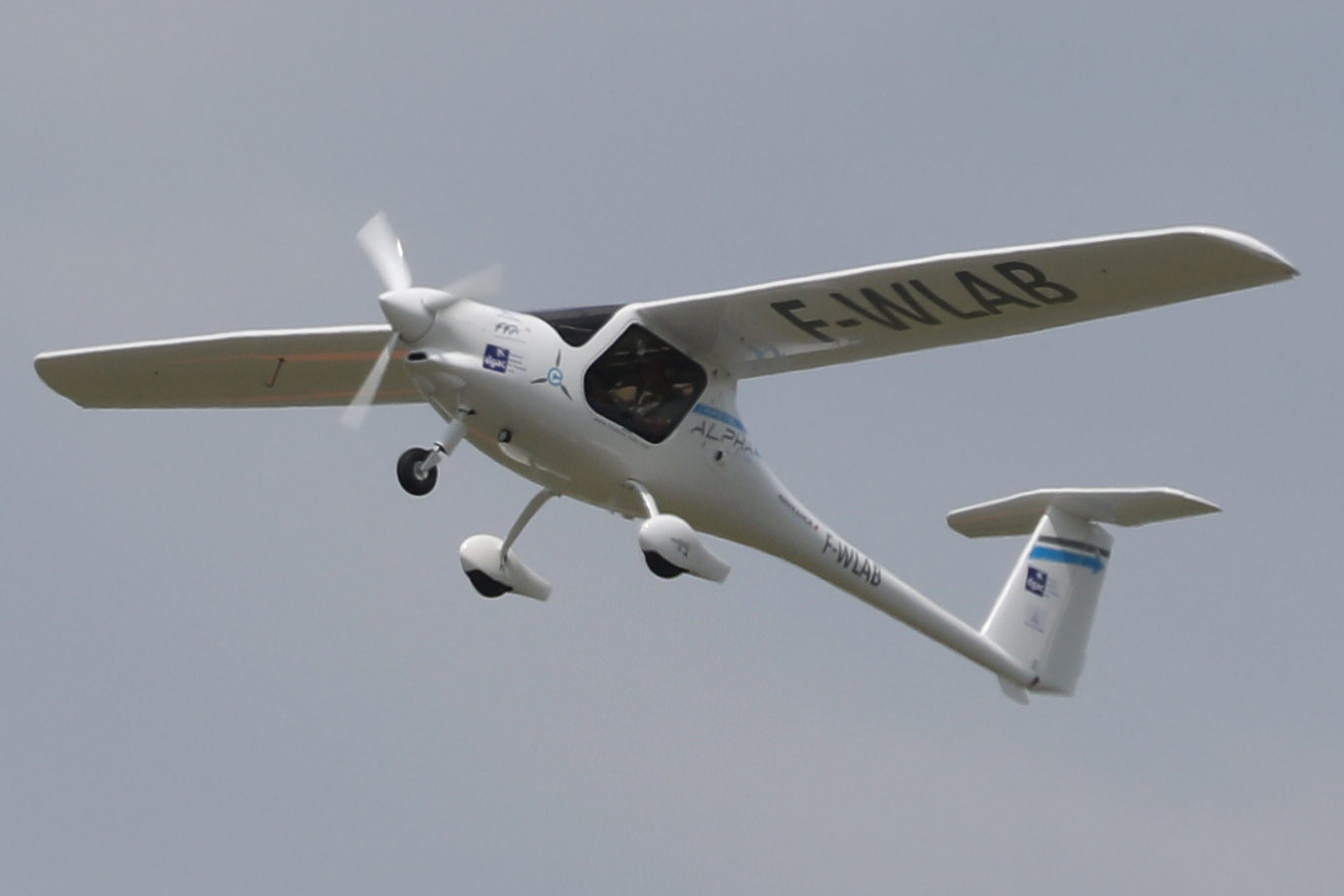
The aircraft was an Alpha Electro G2 built by Pipistrel, a Slovenian light aircraft manufacturer. It was powered by a 60 kW electric motor fed by lithium-polymer batteries. Norway's Minister of Transport and Communications, Ketil Solvik-Olsen, was a passenger. Avinor, the state-owned airport operator, organized the demonstration at Oslo Airport.
The flight succeeded as a proof-of-concept. The broader electrification program remains an active policy goal, though the timeline has slipped. A planned first commercial electric passenger flight on a larger 19-seat aircraft was originally targeted for the mid-2020s but has not materialized. Pipistrel, the aircraft maker, was acquired by Textron in March 2022.

The Aircraft and the Flight
The Alpha Electro G2 was not a prototype built for the event. Pipistrel had been selling the model to flight schools since 2014. The version flown in Norway had a stated flight endurance of around 50 minutes plus a 30-minute reserve, meaning the 10-minute demonstration used only a fraction of its range. Even so, a two-seat plane with less than an hour of endurance could not serve a commercial route. The point was to show that an electric powertrain could lift a person, stay aloft, and land safely using current battery technology.
The minister's presence was deliberate. Ketil Solvik-Olsen represented a government that had already made Norway the world's largest per-capita market for electric cars. Putting a minister in the right seat of a small electric plane was a signal that the state was prepared to back aviation electrification with policy and money, not just statements.
Why Norway Pushed Electric Aviation
Aviation accounted for about 2.4 percent of Norway's domestic greenhouse gas emissions at the time. That share was small compared with road transport, but it was growing and hard to abate. Norway's geography, a long coastline with many islands and fjords, makes domestic air travel essential. Short routes between cities such as Oslo, Bergen, Stavanger, and Trondheim, as well as connections to remote communities, create a network where electric planes could plausibly replace turboprops if the battery technology matured.
Avinor, which operates 44 airports in Norway, had already committed to making all domestic flights electric by 2040. The target was not a law but a policy goal backed by state ownership. Avinor's role in organizing the 2018 flight was part of a longer strategy to test aircraft, install charging infrastructure, and work with manufacturers on certification. The demonstration gave Avinor a concrete event to point to when asking for budget and regulatory support.
The Limits of Battery Power in 2018
Endurance and the Shortest Route
The Alpha Electro G2's limitations were not a secret. Its 50-minute endurance plus reserve meant it could not fly the shortest commercial route in Norway, Bergen to Stavanger, which takes about 40 minutes by air, without cutting the safety margin. Cold weather, headwinds, and the need to carry a pilot and one passenger further reduced usable range.
Energy Density: The Core Problem
Battery energy density, measured in watt-hours per kilogram, was roughly one fiftieth of jet fuel's energy density. Electric motors are more efficient than turbines, but the gap was still too large for anything beyond a trainer or a short-hop shuttle.
The Roadmap: Scaling to 19 Seats
Those constraints shaped the roadmap. The next step was not to put the Alpha Electro into commercial service but to scale up. A 19-seat electric aircraft, roughly the size of a Twin Otter, was seen as the minimum viable product for a real route. That aircraft was originally expected to enter service in the mid-2020s. As of March 2022, that timeline had slipped, and no commercial electric passenger flight had yet operated in Norway.
What Happened Next
Pipistrel Joins Textron
Pipistrel, the company that built the Alpha Electro G2, was acquired by Textron in March 2022. Textron already owned Cessna and Beechcraft, giving Pipistrel access to certification expertise and a distribution network that a small Slovenian manufacturer lacked. The acquisition suggested that electric aviation was moving from garage startups to industrial scale, but it also meant that Pipistrel's future product roadmap would be decided inside a large American conglomerate, not in Slovenia or Norway.
2040: Ambition Meets Reality
Norway's 2040 target remains the most ambitious national electrification goal for aviation anywhere. It has not been revised or abandoned as of the latest available information. But the gap between a 10-minute flight in a two-seat trainer and a network of electric flights carrying passengers between Norwegian cities is still measured in years of battery development, certification, and infrastructure investment. The 2018 demonstration proved that the concept works. It did not prove that the concept works at scale, and that is where the story remains.
Key Facts
- Date of first flight: 18 June 2018
- Location: Oslo Airport
- Aircraft: Alpha Electro G2, built by Pipistrel (Slovenia)
- Powertrain: 60 kW electric motor, lithium-polymer batteries
- Flight duration: Approximately 10 minutes
- Notable passenger: Ketil Solvik-Olsen, Norway's Minister of Transport and Communications
- Organizer: Avinor (state-owned airport operator)
- Aircraft endurance: About 50 minutes plus 30-minute reserve
- National target: All domestic flights electric by 2040
- Aviation's share of domestic emissions: About 2.4%
- Pipistrel acquisition: Acquired by Textron in March 2022
Electric Aviation Milestones in Norway
| Event | Date | Details |
|---|---|---|
| Demonstration flight of Alpha Electro G2 | 18 June 2018 | Two-seat electric plane with minister on board; 10-minute flight at Oslo Airport |
| Target set for all-electric domestic flights | 2018 (announced alongside demonstration) | Policy goal by 2040; not a binding law |
| Planned first commercial electric passenger flight | Originally mid-2020s (target has slipped) | 19-seat aircraft; no commercial electric flight had operated as of March 2022 |
| Pipistrel acquired by Textron | March 2022 | Slovenian electric aircraft maker becomes part of Cessna/Beechcraft parent |
Frequently Asked Questions
Did the 2018 flight prove that electric planes are ready for commercial use?
No. The flight was a proof-of-concept. The aircraft had only two seats and about 50 minutes of endurance, far below what a commercial route requires.
What happened to the specific Alpha Electro G2 used in the flight?
The brief does not state whether that particular airframe is still operational. The model remains in production for flight schools.
Has Norway launched any commercial electric flight routes as of 2024?
The brief does not cover the current status. As of March 2022, no commercial electric passenger flight had operated in Norway. The 2040 target had not been revised or abandoned.