Green technology ventures rarely leave the pilot phase. The nine initiatives below are exceptions. Each operates at a magnitude that reshapes the economics or infrastructure of its sector. Together they demonstrate what becomes possible when policy, capital and engineering converge.
Real scale means a development that has reached final investment decision, been constructed, and is delivering output in gigawatts, millions of tonnes of CO2 avoided, or hundreds of thousands of units deployed. Announcements and groundbreakings do not qualify. Every entry in this list is operational as of June 2024, though several have further phases under construction.
The ventures span offshore wind, solar, battery installations, green hydrogen, electrified transport, green steel and carbon capture. They sit across China, India, the United Kingdom, the United States, Saudi Arabia, Sweden and Canada. No single region dominates, and no single policy formula explains every outcome.
Offshore wind: Hornsea 2
The Hornsea 2 offshore wind farm in the UK became fully operational in August 2022. Developed by Orsted, it delivers 1.3 GW and can power more than 1.4 million homes. It ranks among the largest offshore wind installations in the world and sits in the North Sea about 89 kilometres off the Yorkshire coast.
Hornsea 2 was built under the UK's Contracts for Difference scheme, which guaranteed a strike price for the electricity it generates. That mechanism allowed Orsted to raise the capital needed for a venture of this size. The farm uses Siemens Gamesa 8 MW turbines. The sheer scale drove down installation costs for subsequent offshore wind developments in UK waters.
Solar PV: Bhadla Solar Park
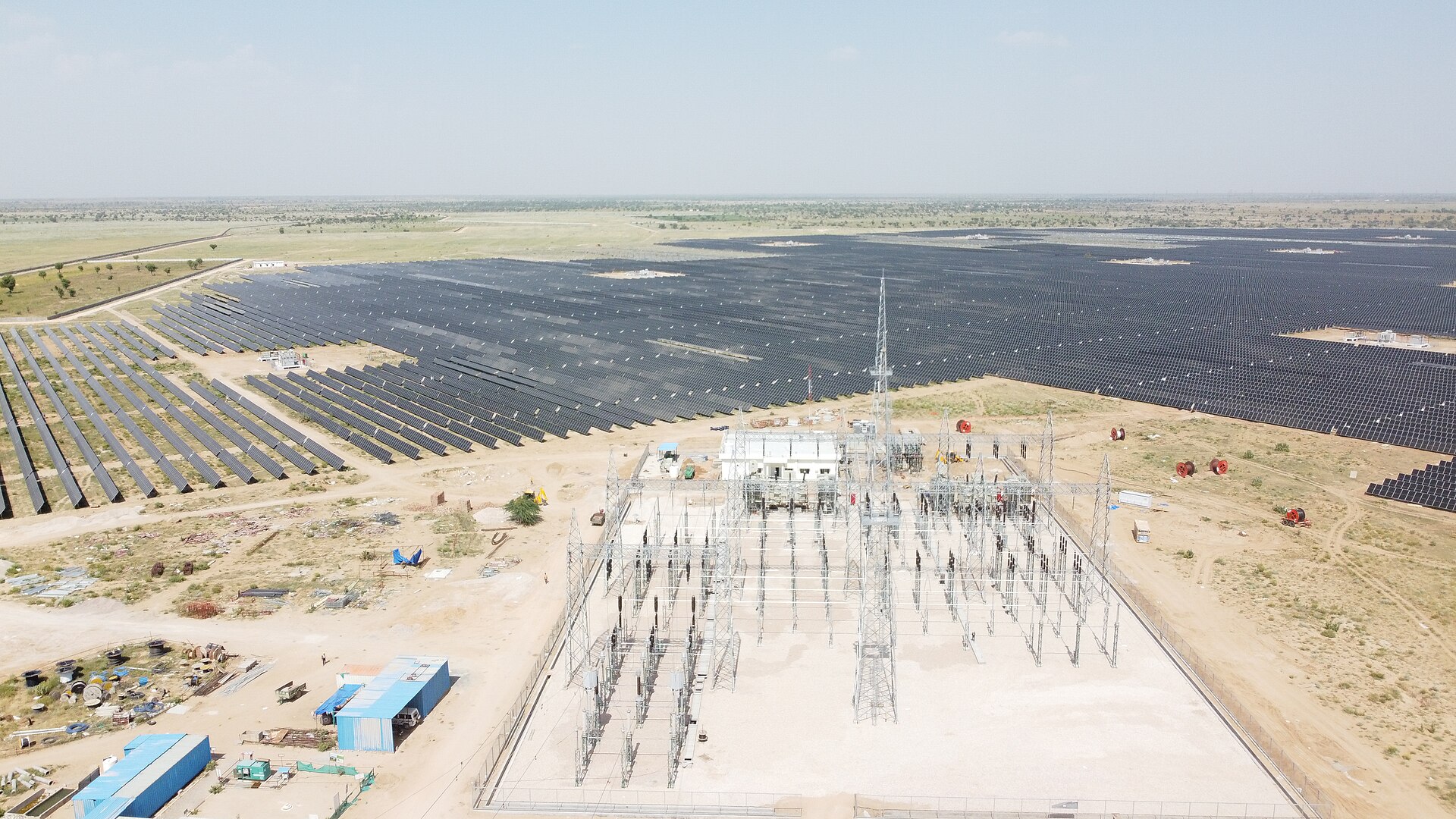
The Bhadla Solar Park in Rajasthan, India, covers 56 square kilometres and has a total installed capability of 2,245 MW. It is among the world's biggest solar parks. Multiple developers built it in phases under India's National Solar Mission, which set deployment targets and provided viability gap funding.
Bhadla sits in a region with some of the highest solar irradiance on the planet, but also extreme heat and dust. The development required investment in dry cleaning systems for panels and water-efficient cooling. The Indian government's policy of auctioning large contiguous plots of desert land let developers achieve economies that smaller sites cannot match. The park supplies power to the national grid at tariffs that have fallen sharply since the first phase was commissioned.
Battery storage: Moss Landing
The Moss Landing Energy Storage Facility in California, operated by Vistra Energy, holds 750 MW of power and 3,000 MWh of stored energy. It is one of the world's largest battery installations. The facility uses lithium-ion batteries housed in a former power plant building at the site of a retired natural gas plant.
Moss Landing was enabled by California's mandate requiring utilities to procure a minimum amount of energy storage, and by the California Public Utilities Commission's direction to replace retiring gas plants with battery systems. The facility helps balance the grid when solar generation drops in the evening. Its scale proves that battery storage can operate at the same magnitude as a medium-sized thermal power station.
Green hydrogen: NEOM
The NEOM green hydrogen venture in Saudi Arabia is a joint effort between ACWA Power, Air Products and NEOM. It targets production of 600 tonnes of green hydrogen per day by 2026, powered by 4 GW of solar and wind capability. Construction is underway as of mid-2024, with a final investment decision reached in 2023.
NEOM is the largest green hydrogen initiative to reach financial close. It will produce hydrogen via electrolysis, then convert it to ammonia for shipping. The ammonia will be cracked back into hydrogen at the point of use. The venture's backers include a sovereign wealth fund and industrial gas companies, which provided the capital and off-take agreements needed to de-risk the investment. If it reaches its target, NEOM will produce hydrogen at a cost that competes with grey hydrogen from natural gas.
Electrified transport: Shenzhen's bus fleet
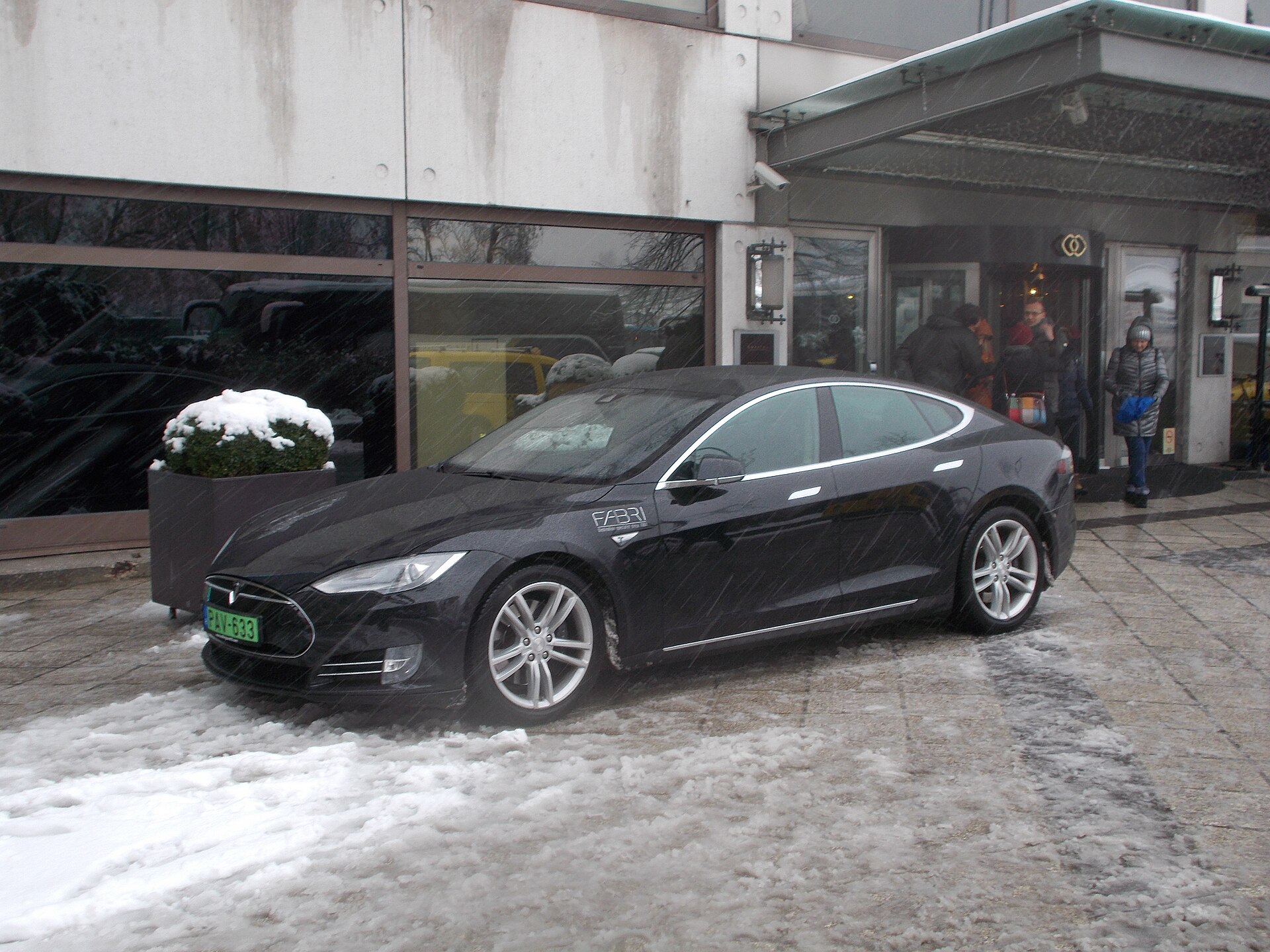
Shenzhen, China, became the first city in the world to fully electrify its public bus fleet. By the end of 2017, over 16,000 electric buses were in operation, replacing the entire diesel fleet. The city also installed supporting charging infrastructure across its bus terminals and depots.
The electrification was driven by national and municipal policy. China's central government provided subsidies for electric bus purchases, while Shenzhen's local government required bus operators to transition and funded the charging network. The city's air quality improved measurably after the switch. The programme proved that full fleet electrification is feasible at city scale, and it provided a model for other Chinese cities that later followed suit.
Industrial decarbonisation: HYBRIT and Boundary Dam
HYBRIT: fossil-free steel
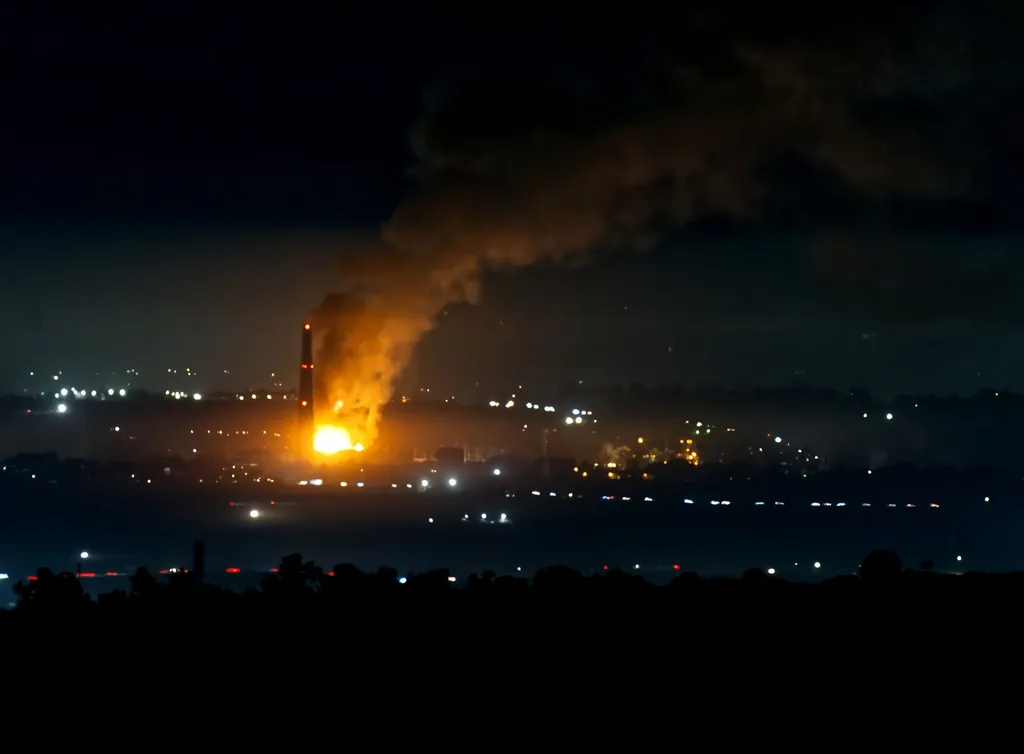
The HYBRIT initiative in Sweden, a joint venture between SSAB, LKAB and Vattenfall, delivered its first fossil-free steel to Volvo in August 2021. The process uses hydrogen produced from renewable electricity instead of coal to reduce iron ore. The plant is the world's first green steel facility to deliver a commercial product.
HYBRIT was enabled by Sweden's low-cost renewable electricity and by government funding from the Swedish Energy Agency. Its success has pushed other steelmakers to announce similar hydrogen-based routes, though none has yet reached the same stage of commercial delivery.
Boundary Dam: carbon capture
The Boundary Dam Carbon Capture and Storage facility in Saskatchewan, Canada, has captured over 5 million tonnes of CO2 since operations began in October 2014. The installation is attached to a coal-fired power plant and uses a chemical absorption process to capture CO2 from the flue gas. The captured CO2 is sold for enhanced oil recovery or stored in a deep saline aquifer. Boundary Dam was built with support from the Canadian federal government and the provincial utility SaskPower. It remains one of the few large-scale CCS operations in the power sector globally.
Cumulative scale and what it means
The global picture
The International Energy Agency reported that global renewable energy additions reached almost 510 GW in 2023, a 50 percent increase year-on-year. That aggregate figure is the context for the individual ventures above. The Gansu Wind Farm in China, which had over 10 GW installed by the early 2020s and a planned total of 20 GW, alone accounts for a significant share of global wind additions.
Barriers are financial, not technical
These ventures show that the obstacles to green technology at scale are not technical. They are financial and regulatory. Every entry listed here required a guaranteed revenue stream, a government mandate, or a joint venture with a deep-pocketed partner to reach final investment decision. They also show that scale drives cost reduction. The cost per MW of solar at Bhadla, per MWh of stored energy at Moss Landing, and per tonne of green steel at HYBRIT have all fallen as a direct result of these facilities being built.
Geography and policy
The geographic spread matters. China and India dominate solar and wind deployment. Europe leads in offshore wind and industrial hydrogen. North America has the largest battery storage and carbon capture operations. The Middle East is building the largest green hydrogen plant. No single policy model works everywhere, but the common element is a mechanism that reduces risk for private capital.
What comes next
The nine ventures here are not the end. They are the proof that the next generation can be larger still. The Gansu Wind Farm may reach its full 20 GW. The NEOM plant may start producing hydrogen in 2026. Moss Landing may lose its title as the world's largest battery storage system to newer installations in Texas or Australia.
What matters is that these initiatives have moved the frontier. Before Hornsea 2, 1 GW offshore wind farms were considered risky. Before Bhadla, solar parks over 1 GW were rare. Before HYBRIT, green steel was a laboratory concept. Each venture created a template that others can copy. The next decade will test whether that template can be applied fast enough to meet global decarbonisation targets.
Key facts
- Global renewable capacity added in 2023: Almost 510 GW (IEA)
- Largest offshore wind farm (operational): Hornsea 2, 1.3 GW, UK
- Largest solar park (operational): Bhadla Solar Park, 2,245 MW, India
- Largest battery storage (operational): Moss Landing, 750 MW/3,000 MWh, USA
- Largest green hydrogen project (under construction): NEOM, 600 tonnes/day, Saudi Arabia
- First fully electric bus fleet: Shenzhen, 16,000+ buses, China (2017)
- First fossil-free steel delivery: HYBRIT, Sweden (August 2021)
- CO2 captured at Boundary Dam: Over 5 million tonnes since October 2014
Projects at a glance
| Project | Sector | Location | Scale metric | Operational since |
|---|---|---|---|---|
| Hornsea 2 | Offshore wind | UK | 1.3 GW capacity | August 2022 |
| Bhadla Solar Park | Solar PV | India | 2,245 MW capacity | Phased from 2017 |
| Moss Landing | Battery storage | USA | 750 MW / 3,000 MWh | 2020 |
| NEOM green hydrogen | Green hydrogen | Saudi Arabia | 600 t/day target | Target 2026 |
| Shenzhen electric buses | Electrified transport | China | 16,000+ buses | End of 2017 |
| HYBRIT green steel | Industrial decarbonisation | Sweden | First commercial delivery | August 2021 |
| Boundary Dam CCS | Carbon capture | Canada | 5M+ tonnes CO2 captured | October 2014 |
| Gansu Wind Farm | Onshore wind | China | 10 GW+ installed, 20 GW planned | Phased from 2010s |
Frequently asked questions
What counts as real scale for a green technology project?
Real scale means a venture that has reached final investment decision, been constructed, and is delivering output measured in gigawatts, millions of tonnes of CO2 avoided, or hundreds of thousands of units deployed. Announcements and groundbreakings do not count.
Are any of these projects still under construction?
The NEOM green hydrogen venture is under construction with a target completion date of 2026. The Gansu Wind Farm has over 10 GW installed but its full planned total of 20 GW has not been confirmed as reached. All other ventures listed are fully operational.
Why is geographic spread important?
The ventures span China, India, the UK, the US, Saudi Arabia, Sweden and Canada. This shows that large-scale green technology deployment is not limited to one region or policy model. Different countries use different mechanisms, such as feed-in tariffs, auctions, mandates or public-private joint ventures, to achieve similar outcomes.