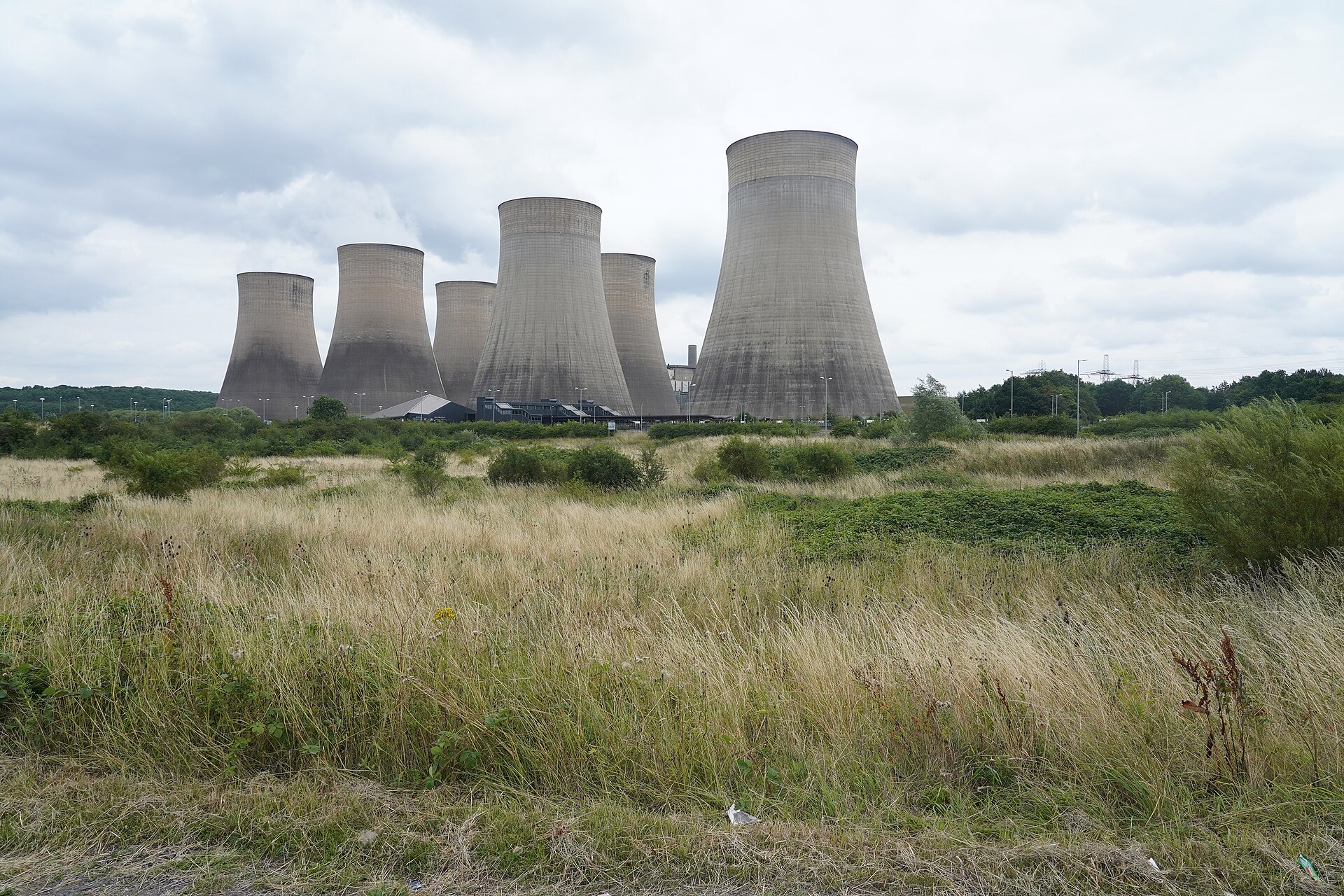
Deep coal mining in the United Kingdom ended on 18 December 2015, when Kellingley Colliery in North Yorkshire closed. Surface mining followed in August 2020 with the closure of the Bradley mine in County Durham. Power from coal ended on 30 September 2024, when Ratcliffe-on-Soar in Nottinghamshire shut down. The UK became the first G7 nation to complete a phase-out of coal power.
The sector that once employed 1.2 million people at its peak in 1920 now employs none in large-scale extraction. UK coal consumption fell from over 200 million tonnes a year in the 1950s to less than 10 million tonnes by 2020. The collapse was driven by political decisions, the defeat of the 1984-85 miners' strike, the exhaustion of economically viable seams, the rise of cheaper imported coal, and legislation that mandated the end of unabated coal power.

The Scale of the Sector at Its Peak and in Its Final Years
In 1920, the UK coal sector employed approximately 1.2 million people. That number declined steadily through the 20th century as mechanisation reduced labour demand and cheaper energy sources displaced coal. By the time Kellingley closed in December 2015, the workforce in deep mining had fallen to a few thousand across a handful of remaining pits.
The National Coal Board was established in 1947 to run the nationalised industry. It was later renamed British Coal. At nationalisation, the sector was still large but already losing ground to oil and, later, natural gas. The board managed a slow reduction in capacity through the 1950s and 1960s, closing pits that were exhausted or uneconomic.
The pace of closures accelerated sharply after the 1984-85 miners' strike.
UK coal consumption peaked in the 1950s at over 200 million tonnes per year. By 2020, that figure had fallen to less than 10 million tonnes, a reduction of more than 95%. Most of the remaining coal was imported.
The 1984-85 Miners' Strike and the Acceleration of Pit Closures
The 1984-85 miners' strike was a direct confrontation between the National Union of Mineworkers, led by Arthur Scargill, and the administration of Prime Minister Margaret Thatcher. The strike began in March 1984 over plans to close pits deemed uneconomic. It lasted almost a full year and ended in defeat for the union.
Before the strike, the NUM had demonstrated its ability to bring down governments. A strike in 1974 had contributed to the fall of Edward Heath's Conservative administration. Thatcher prepared for a repeat by building coal stockpiles at power stations and ensuring that police could block mass picketing. The strike collapsed in March 1985 without a negotiated settlement.
After the defeat, pit closures accelerated. The NUM never regained its political power. The sector shrank rapidly through the late 1980s and 1990s. Privatisation followed: British Coal was broken up and sold, with the remaining deep mines transferred to UK Coal plc.
The Commercial Collapse of UK Coal plc
The Final Deep Mines
UK Coal plc, the company that operated most of the remaining deep mines after privatisation, entered administration in 2013. Its assets were restructured into a new entity called UK Coal Production Ltd. That company also faced financial collapse, unable to operate profitably as coal prices fell and operating costs rose.
The economics of deep mining in the UK had become unsustainable. The remaining seams were deep, narrow and expensive to access. Mines required continuous investment in ventilation, pumping and roof support. Imported coal from Russia, Colombia and the United States was cheaper even after transport costs, because it was mined in opencast operations with far lower labour costs.
The Last Pit
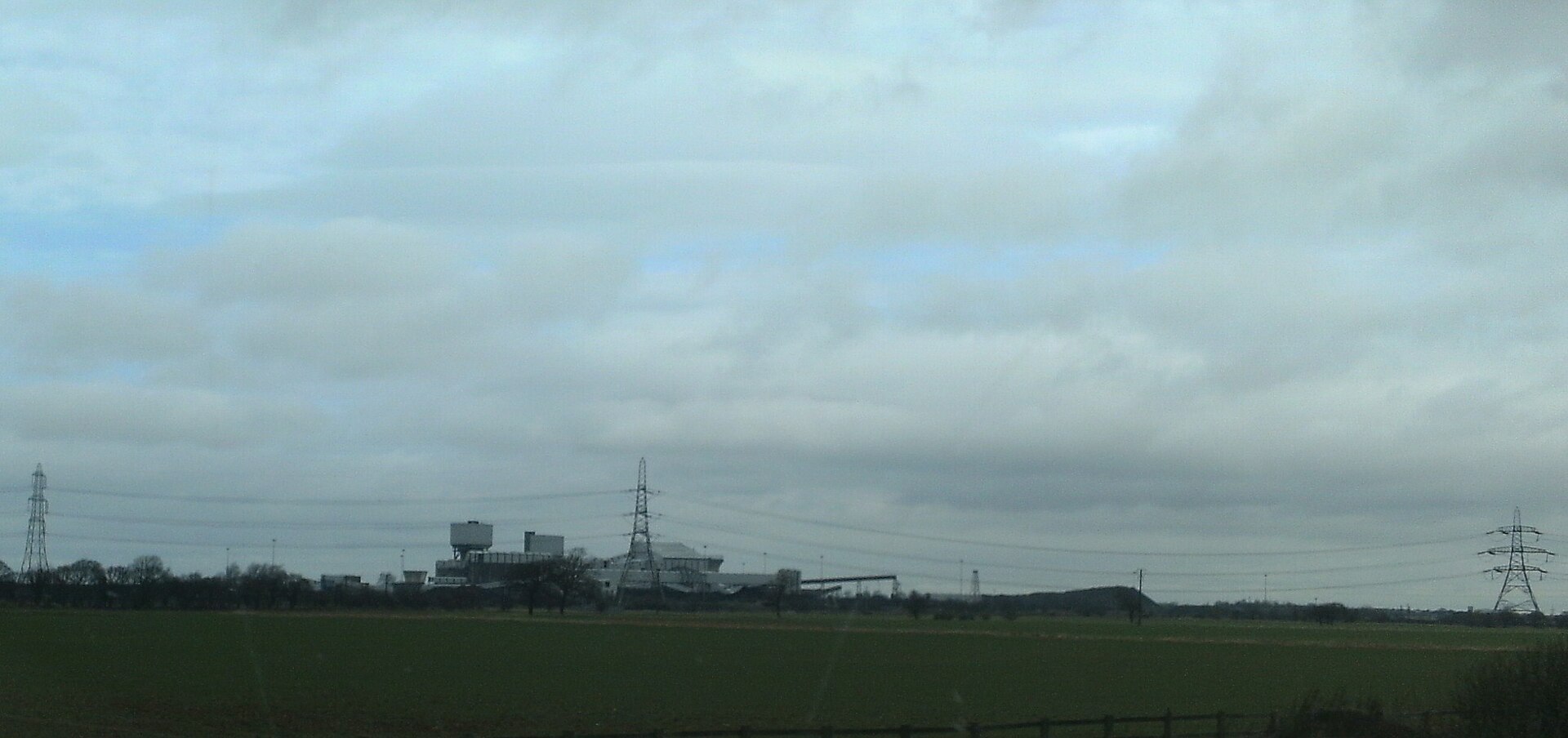
Kellingley Colliery was the last deep mine standing. When it closed on 18 December 2015, it marked the end of a form of extraction that had been central to the UK economy for more than a century. Surface mining continued for a few more years. The Bradley mine in County Durham, the last surface operation, closed in August 2020.
The Shift from Domestic Coal to Imports
As domestic production fell, the UK turned to imported coal to supply its power stations. Imports rose through the 1990s and 2000s, peaking at over 50 million tonnes in some years. The primary suppliers were Russia, Colombia and the United States. These countries produced coal in large opencast mines that were far cheaper to operate than UK deep mines.
The switch to imports had two effects. It reduced the cost of coal for power plants, which temporarily kept coal-fired stations competitive against gas. But it also made the UK dependent on global coal markets and vulnerable to price swings. More importantly, it meant that the decline of UK extraction did not reduce UK coal consumption. Coal burning continued, just with foreign fuel.
The decisive change came not from the supply side but from the demand side. The UK government committed to ending unabated coal-fired power, which removed the main customer for coal. Once power stations closed, there was no domestic market left, imported or otherwise.

Legislation and Policy That Mandated the End of Coal Power
The Climate Change Act
The legal foundation for the end of UK coal power was the Climate Change Act 2008. That Act committed the UK to reducing greenhouse gas emissions by 80% by 2050, compared with 1990 levels. The target was later amended to net zero by 2050. Coal-fired power was the single largest source of UK carbon dioxide emissions, so meeting the target required coal to be phased out.
The 2024 Deadline
In 2015, ministers announced that all unabated coal-fired stations would close by 2025. Abated means fitted with carbon capture and storage technology. Unabated means without such technology. The deadline was later brought forward to 1 October 2024. That date was met: Ratcliffe-on-Soar, the UK's last coal-burning plant, closed on 30 September 2024, one day before the deadline.
Why Legislation Wasn't Needed
No further legislation was required to enforce the closure. The 2015 announcement, combined with falling carbon prices in the EU Emissions Trading System and rising costs for coal relative to gas and renewables, made it uneconomic for plant operators to keep coal units running. Ratcliffe-on-Soar's owner, Uniper, chose not to invest in extending the plant's life.
What the End of UK Coal Mining Means
The UK is the first G7 nation to completely phase out coal power. The sequence is clear: deep mining ended in 2015, surface mining in 2020, and coal-fired electricity in 2024. The sector that once employed 1.2 million people now has no large-scale domestic extraction.
The causes were multiple. The 1984-85 strike broke the political power of the mining unions and allowed the government to close uneconomic pits. The exhaustion of easy-to-reach seams made deep mining increasingly expensive. Cheaper imports undercut domestic coal. The Climate Change Act 2008 set a long-term emissions target that eventually required coal to be eliminated from the power sector. The 2015 announcement of a 2025 phase-out, later accelerated to 2024, gave the sector a fixed end date.
Whether any small-scale private or heritage mining operations continue is not established here. What is established is that the UK no longer produces coal at a scale that matters for its energy supply. Coal-fired electricity is finished. The transition that began with nationalisation in 1947, and that accelerated after the defeat of the miners in 1985, is complete.
Key Facts
- Peak employment: Approximately 1.2 million people in 1920
- Last deep coal mine: Kellingley Colliery, North Yorkshire, closed 18 December 2015
- Last surface coal mine: Bradley mine, County Durham, closed August 2020
- Last coal-fired power station: Ratcliffe-on-Soar, Nottinghamshire, closed 30 September 2024
- Phase-out deadline for unabated coal power: Originally 2025, brought forward to 1 October 2024
- Coal consumption peak: Over 200 million tonnes per year in the 1950s
- Coal consumption in 2020: Less than 10 million tonnes
- Key legislation: Climate Change Act 2008 (80% emissions reduction by 2050, later net zero by 2050)
- Fate of UK Coal plc: Entered administration in 2013, restructured into UK Coal Production Ltd, which also collapsed
- First G7 nation to end coal power: United Kingdom
Frequently Asked Questions
When did the last deep coal mine in the UK close?
Kellingley Colliery in North Yorkshire closed on 18 December 2015.
When did the last coal-fired power station in the UK close?
Ratcliffe-on-Soar power station in Nottinghamshire closed on 30 September 2024.
What was the peak employment in UK coal mining?
Approximately 1.2 million people in 1920.
What legislation mandated the phase-out of coal power?
The Climate Change Act 2008, which committed the UK to an 80% reduction in emissions by 2050, later amended to net zero by 2050. The government also announced in 2015 that all unabated coal-fired power stations would close by 2025, a deadline later brought forward to 1 October 2024.
What role did the 1984-85 miners' strike play?
The strike, led by NUM president Arthur Scargill against Margaret Thatcher's government, lasted almost a year and ended in defeat for the union. It broke the political power of the mining unions and allowed the government to accelerate pit closures.
What happened to UK Coal plc?
UK Coal plc entered administration in 2013. Its assets were restructured into UK Coal Production Ltd, which also later faced financial collapse.