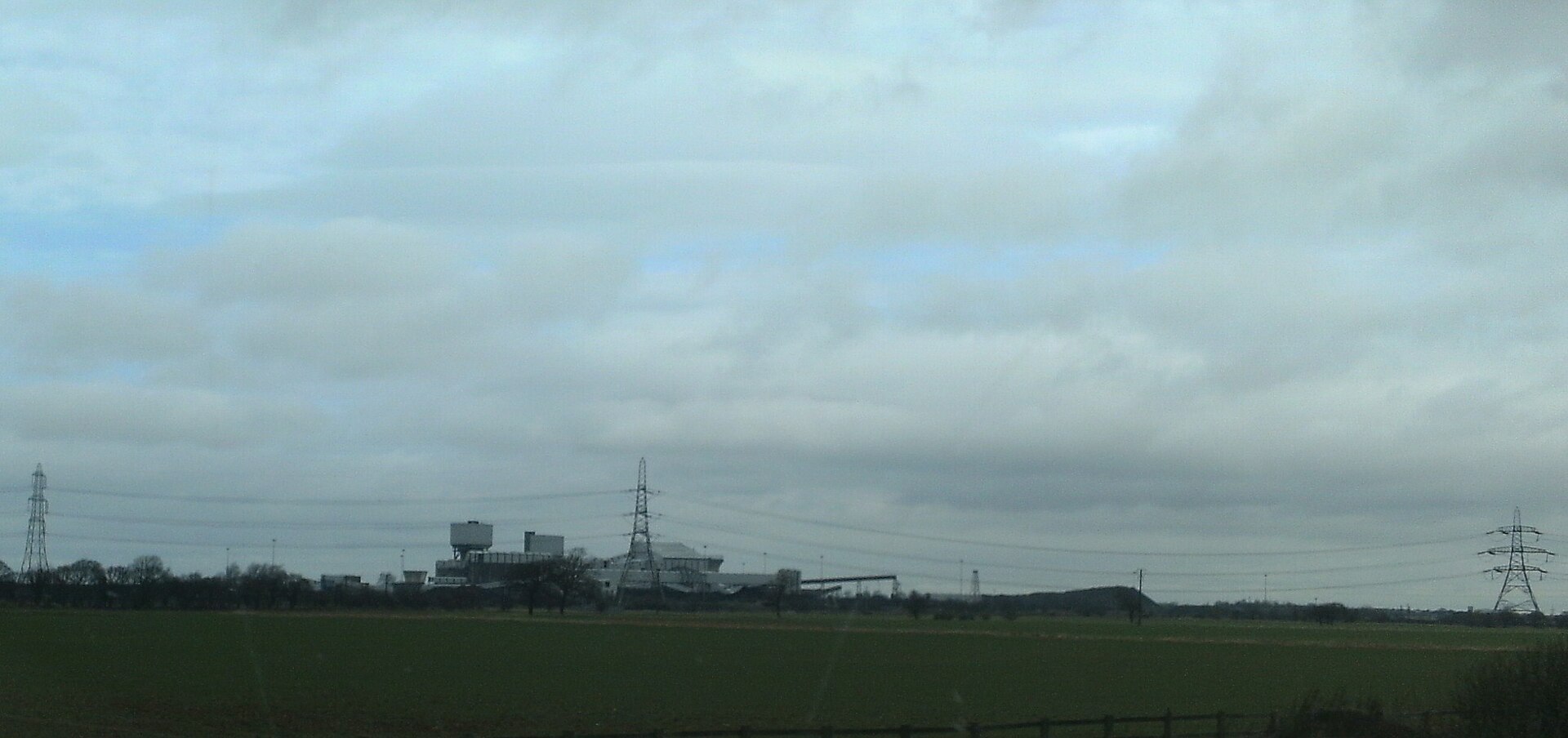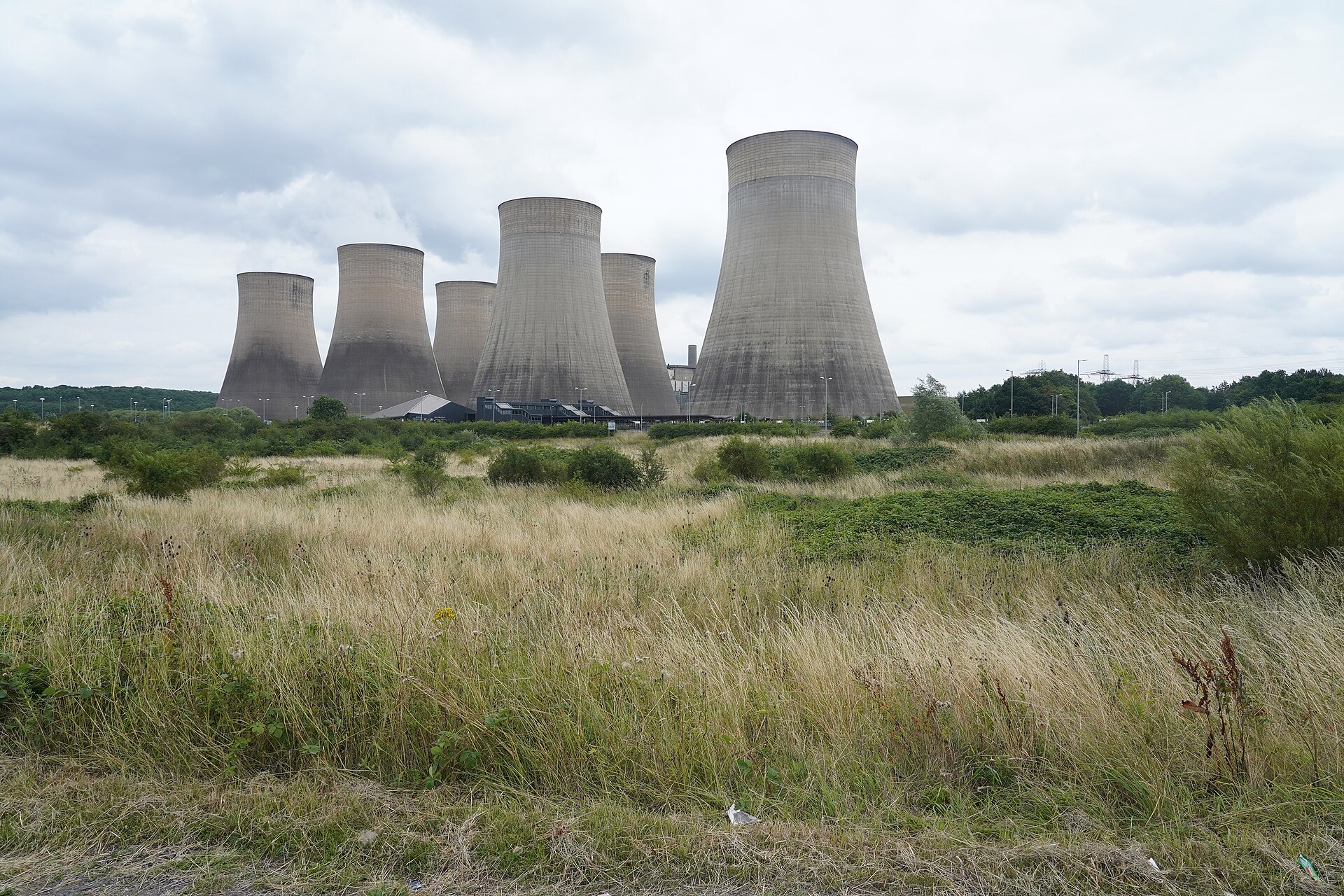
On 1 October 2024 the United Kingdom became the first major economy to eliminate coal power entirely, closing the Ratcliffe-on-Soar station. That deadline, written into law years earlier, was met. The same month, China was still permitting new coal plants. The gap between national pledges and the physical pipeline of new capacity is the central fact of the global coal story.
More than 40 nations signed the Global Coal to Clean Power Transition Statement at COP26 in November 2021, promising to phase down coal power without carbon capture. The language was phase down, not phase out, a concession to India and China, which did not sign. The Powering Past Coal Alliance, launched by Canada and the UK in November 2017 at COP23, continues to coordinate commitments from national and sub-national governments. But the Alliance's membership does not include the nations that burn the most coal.
This piece examines which economies have set firm phase-out dates, how much new coal plant construction continues, the financial instruments designed to speed the transition in emerging nations, and how the energy crisis after Russia's invasion of Ukraine temporarily altered coal use in Europe.

Which Major Economies Have Set Firm Phase-Out Dates
The UK's legally binding phase-out by 1 October 2024 was the most aggressive timeline among large economies. Ratcliffe-on-Soar, the last operating coal plant, shut on that date. Germany set a target of 2030 in its 2021 coalition agreement, though it temporarily reactivated some coal plants during the 2022-2023 energy crisis. Canada, a co-founder of the Powering Past Coal Alliance, has committed to eliminate unabated coal by 2030. Several other EU member states have earlier dates, but the three largest coal users in Europe are the UK, Germany, and Poland, and Poland has not set a binding 2030 deadline.
The International Energy Agency's 2021 Net Zero Roadmap stated that no new unabated coal plants should be approved beyond 2021 to reach net zero by 2050. That benchmark has not been observed. China, which accounted for over 50% of global coal-fired electricity output in 2022, permitted more than 100 GW of new coal capacity in 2022 and 2023 combined. India has not set a firm phase-out date and continues to build new capacity.
The COP26 Statement and Its Limits
The Global Coal to Clean Power Transition Statement, signed at COP26 in November 2021, committed more than 40 nations to phase down unabated coal power. The number of signatories was significant but excluded the world's two largest coal consumers, China and India. The statement did not include a specific year for a complete phase-out, leaving each nation to set its own timeline. The phrase phase down rather than phase out reflected the opposition of those two countries to any language that would require an immediate end to new plants.
The Powering Past Coal Alliance, which predates the COP26 statement, has a narrower membership but a clearer goal: it requires members to commit to a phase-out of unabated coal. The Alliance includes national governments, sub-national regions, and businesses. Its effectiveness depends on whether its members actually control significant coal capacity. The UK and Canada are members. China and India are not.
The Pipeline of New Coal Capacity
While some economies are retiring coal plants, others are building them. China permitted more than 100 GW of new coal capacity in 2022 and 2023 combined. That is roughly the entire coal fleet of the European Union. India also has a large pipeline of new plants under construction or planned. The IEA's 2021 guidance that no new unabated coal plants should be approved after 2021 has been ignored by the countries that account for the majority of global coal-fired electricity.
The result is a split trajectory. In 2022, China alone produced over half of the world's coal-fired electricity. The plants being built today have operating lives of 30 to 40 years, which means that even if no new plants are permitted after 2025, coal capacity will remain high through the middle of the century. The global phase-out commitments apply mainly to nations that already have declining coal use, not to the places where coal is still expanding.
Just Energy Transition Partnerships: Structure and Pledges
How JETPs Work
Just Energy Transition Partnerships are the main financial mechanism designed to accelerate coal phase-out in emerging economies. The first JETP was announced at COP26 in 2021 with South Africa. An initial $8.5 billion was pledged by France, Germany, the UK, the US, and the European Union. The goal was to support South Africa's transition away from coal, which provides the majority of its electricity.
The Indonesia and Vietnam Deals
A second JETP with Indonesia was launched at the G20 summit in November 2022. The pledge was larger, $20 billion, from the International Partners Group co-led by the US and Japan. A third JETP with Vietnam was agreed in December 2022, with an initial $15.5 billion pledge from the IPG. These partnerships combine grants, concessional loans, and private investment.
The Scale Gap
The amounts are substantial, but the total required to transition all coal-dependent emerging economies is orders of magnitude larger. As of October 2024, the extent to which these funds have been disbursed or are meeting their milestones is not established here.

Technological Alternatives and Grid Integration
Baseload Replacement
Replacing baseload coal generation at scale requires alternatives that can provide reliable power when the sun is not shining and the wind is not blowing. Solar and wind capacity have grown rapidly, but their capacity factors are lower than coal. In many grids, the integration of variable renewables requires storage, grid upgrades, or firm backup from gas or hydro. Nuclear and geothermal can provide baseload power, but both have long lead times and high upfront costs.
How Phase-Out Nations Fill the Gap
The nations that are phasing out coal use a mix of renewables, gas, and imports from neighboring grids. The UK replaced its coal-fired output with offshore wind, gas, and interconnectors to France and Norway. Germany's 2030 target depends on a rapid build-out of renewables and gas-fired plants that can later be converted to hydrogen.
The Emerging-Economy Challenge
In emerging economies, the challenge is steeper because grids are less developed and the cost of capital is higher. The JETP funds are partly intended to lower that cost, but the scale of investment needed is still far above what has been pledged.
Europe's Energy Crisis and the Temporary Coal Reversal
Russia's invasion of Ukraine in February 2022 caused a sharp reduction in natural gas supplies to Europe. Several nations, including Germany, reactivated coal plants that had been scheduled for closure or were held in reserve. This was a temporary measure, not a reversal of phase-out policy. Germany's 2030 target remained in place, but coal-fired output increased in 2022 and 2023 as a substitute for Russian gas.
The episode illustrated the tension between climate commitments and energy security. When faced with a choice between gas shortages and higher coal use, European governments chose coal. The reactivated plants have since been idled again as gas supplies have stabilized, but the crisis showed that coal phase-out timelines depend on the availability and affordability of alternatives. A similar dynamic could recur in any nation that depends on imported fossil fuels and has coal capacity that can be restarted.
Key Facts
- UK coal phase-out: Completed 1 October 2024 with closure of Ratcliffe-on-Soar
- Germany coal phase-out target: 2030 (coalition agreement 2021)
- COP26 signatories to phase-down statement: Over 40 countries
- China share of global coal-fired electricity (2022): Over 50%
- New coal capacity permitted in China (2022-2023): Over 100 GW
- South Africa JETP initial pledge: $8.5 billion (COP26, 2021)
- Indonesia JETP initial pledge: $20 billion (G20, November 2022)
- Vietnam JETP initial pledge: $15.5 billion (December 2022)
- IEA guidance on new coal plants: No new unabated coal approved after 2021 for net zero by 2050
Major Economy Coal Phase-Out Targets and Status
| Economy | Phase-Out Target | Status as of October 2024 |
|---|---|---|
| United Kingdom | 1 October 2024 | Completed |
| Germany | 2030 | Target set; temporary reactivation during 2022-2023 energy crisis |
| Canada | 2030 | Target set; member of Powering Past Coal Alliance |
| China | No target | Building new capacity; over 100 GW permitted 2022-2023 |
| India | No target | Building new capacity; no phase-out commitment |
Frequently Asked Questions
Did the UK actually meet its 2024 coal phase-out deadline?
Yes. The Ratcliffe-on-Soar power station closed on 1 October 2024, meeting the legally binding deadline.
What did the COP26 Global Coal to Clean Power Transition Statement actually say?
Over 40 nations committed to phase down unabated coal power. The language was phase down, not phase out, to accommodate opposition from India and China, which did not sign.
How much new coal capacity is China building?
China permitted more than 100 GW of new coal capacity in 2022 and 2023 combined. It accounted for over half of global coal-fired electricity output in 2022.
What is a Just Energy Transition Partnership?
A financing framework where wealthy nations and institutions pledge grants, loans, and investment to help an emerging economy transition away from coal. JETPs have been announced for South Africa, Indonesia, and Vietnam.