The United Kingdom has a legally binding target to reach net zero greenhouse gas emissions by 2050, a commitment enacted through the Climate Change Act 2008 (2050 Target Amendment) Order 2019. That target is the single most powerful driver of change in the country's energy sector. It sets a deadline that every regulator, grid operator, investor and developer must work toward. Yet the gap between the ambition and the infrastructure needed to meet it remains wide. The UK was the world leader in installed offshore wind capacity until 2021, when China overtook it. Ministers now aim for 50 GW of offshore wind by 2030, including 5 GW from floating turbines. That target alone demands a pace of construction and grid connection that the system has not achieved before.
The tension between energy security, affordability and decarbonisation defines every major decision. The Energy Profits Levy, a windfall tax on oil and gas companies introduced in May 2022, raised revenue to help fund household support during the price crisis. But it also signals the difficulty of balancing short term affordability with long term investment in fossil fuel alternatives. National Grid ESO, the electricity system operator for Great Britain, must keep the lights on while an increasing share of generation comes from wind and solar sources that do not run to order. The challenge is not a lack of technology. It is a lack of aligned policy, grid capacity and planning consent.

Grid Bottlenecks and the Intermittency Problem
Balancing a weather-driven grid
The most immediate technical challenge is grid stability. National Grid ESO must balance supply and demand in real time. As wind and solar capacity grow, the system faces periods of oversupply when turbines spin and panels generate, and periods of scarcity when the weather turns still and grey. Britain does not yet have enough long duration reserves to smooth those swings. Pumped hydro, batteries and interconnectors to neighbouring countries help, but none alone can cover a windless winter week.
The connection queue
Linking new generation to the network is another bottleneck. Offshore wind farms such as the Hornsea complex off the Yorkshire coast, developed by Ørsted and one of the world's largest marine wind zones, need transmission lines to bring power ashore. Those lines require planning permission, land rights and construction that often takes longer than building the turbines themselves. The queue for grid connections has grown so long that some projects face waits of more than a decade. Ministers and Ofgem have proposed reforms to prioritise ready projects and charge penalties for delays, but the backlog will take years to clear.
Certainty for investors
The intermittency problem also affects investment decisions. Developers need certainty that they can sell their power when they generate it. The Contracts for Difference scheme provides that by guaranteeing a fixed price for low carbon electricity. But the scheme's budget and auction timetable create uncertainty for projects that need years of planning.
Offshore Wind: The Flagship Sector Under Pressure
Scaling against the headwinds
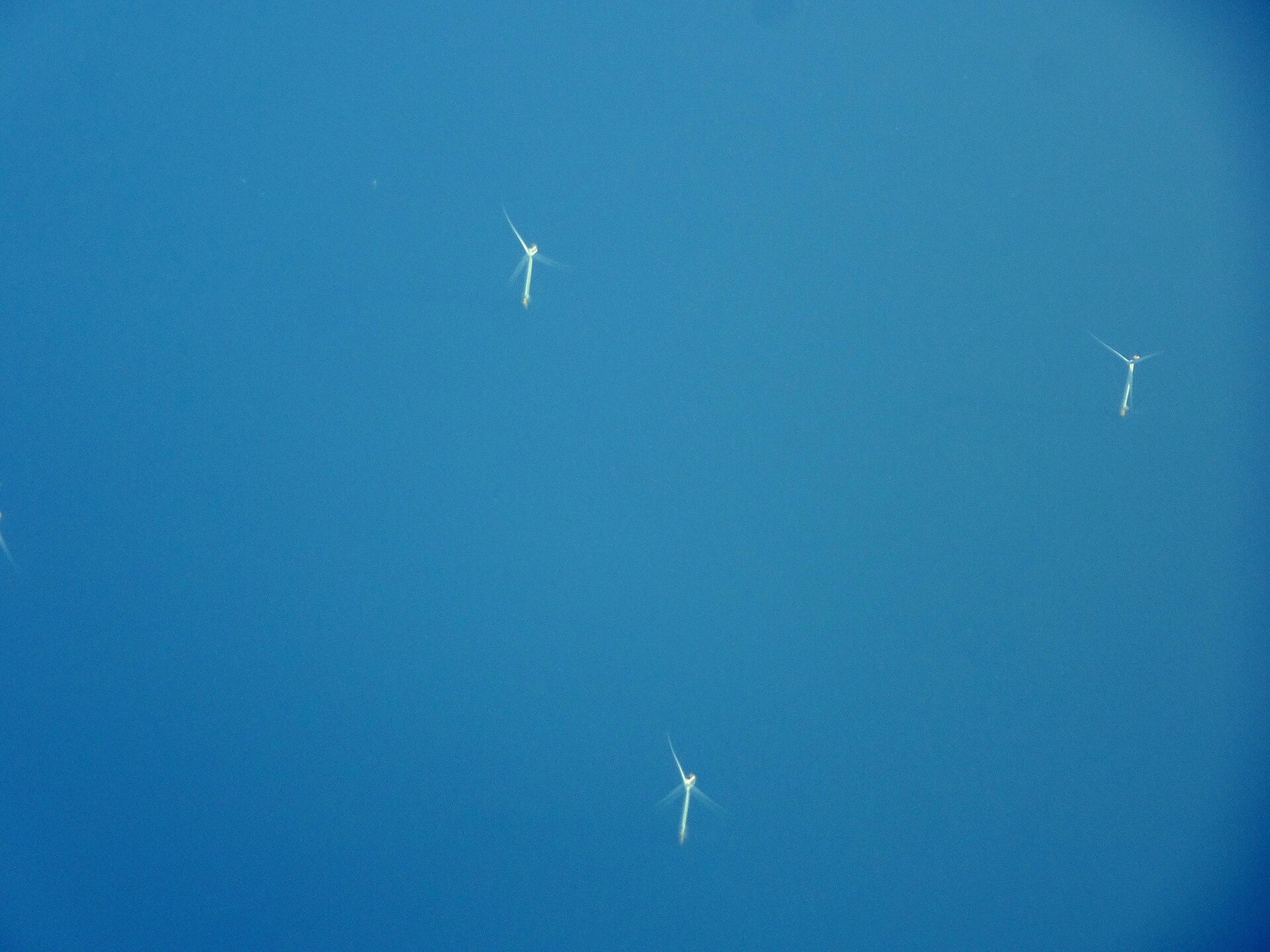
Marine wind is the cornerstone of Britain's energy strategy. The official target of 50 GW by 2030, with 5 GW from floating installations, represents a near tripling of current capacity in less than a decade. The UK led the world in installed sea-based wind until 2021, when China's faster build out took the top spot. The challenge now is to regain momentum while costs rise for materials, vessels and labour.
The auction signal
Contracts for Difference auctions have driven down strike prices in previous rounds, but the 2023 auction failed to attract any bids from sea-based wind developers. They argued that the maximum price on offer was too low given inflation and supply chain pressures. Officials responded by raising the ceiling for the next round, but the episode showed that the mechanism needs to adapt to changing cost conditions.
Floating into deep water
Floating turbines are a separate opportunity and challenge. The UK has some of the deepest waters in the world with the strongest wind resource, but the technology is still nascent. The 5 GW target for 2030 is ambitious. It will require dedicated port facilities, new installation vessels and a supply chain that does not yet exist at scale. Developers and investors are watching the next CfD auction for floating projects closely. The outcome will signal whether Britain can lead in this technology or will cede ground to competitors in Asia and Europe.
Nuclear: Large Plants, Small Reactors and the Financing Gap
The big plant problem
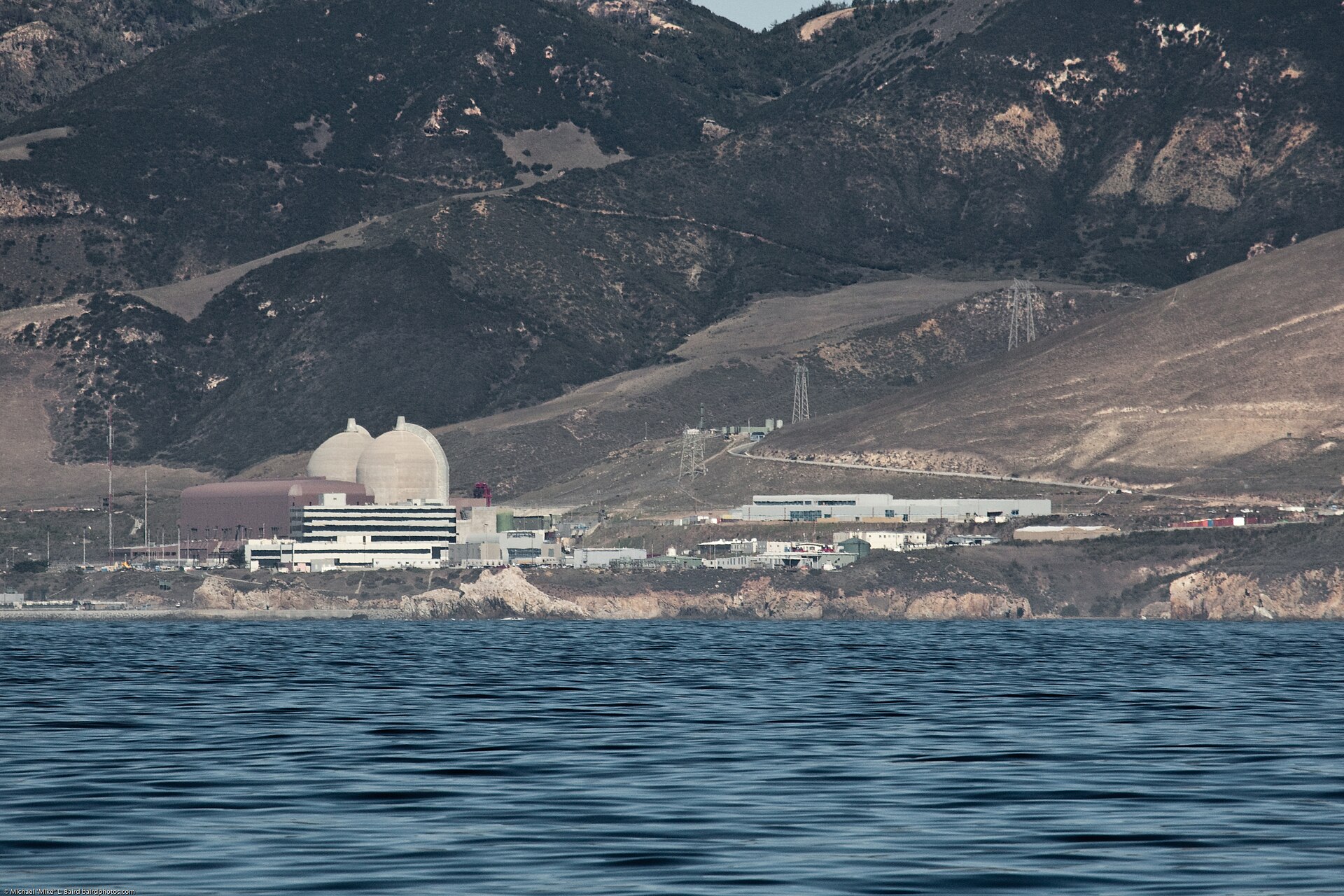
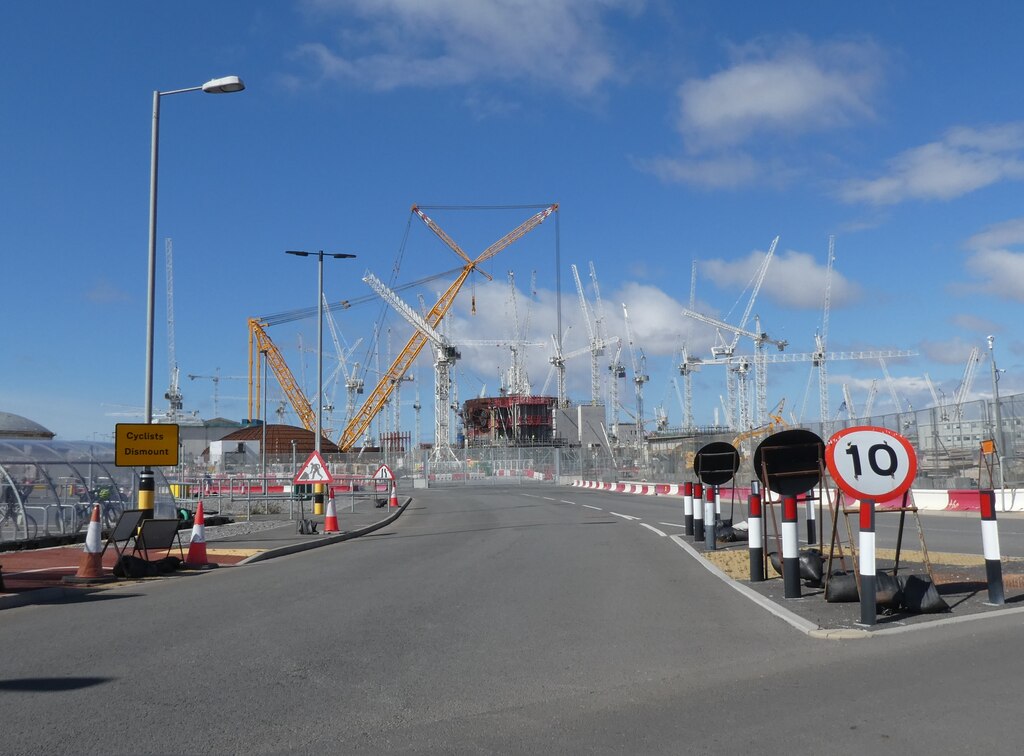
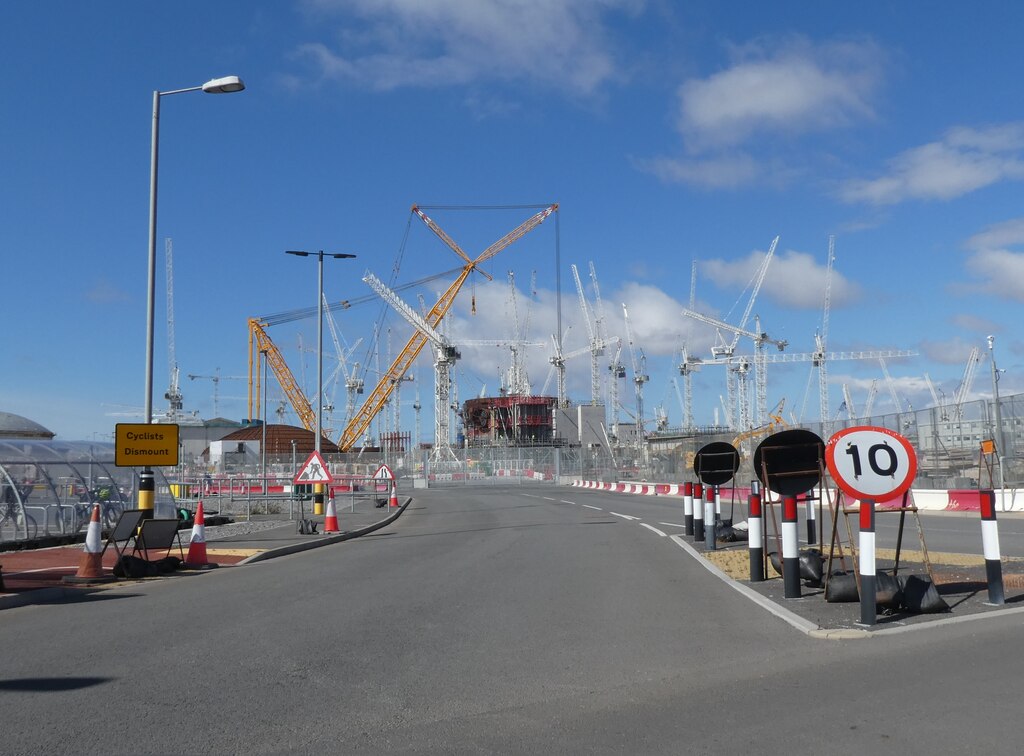
Nuclear power provides steady, low carbon baseload electricity. Britain currently operates five reactors, most of which are due to retire by 2030. The only new large plant under construction is Hinkley Point C, which has faced repeated delays and cost overruns. Its completion date and final budget remain uncertain. The experience has made investors and Whitehall cautious about repeating the model for new large scale projects such as Sizewell C.
The small reactor promise
Small Modular Reactors (SMRs) have emerged as an alternative. They promise lower upfront costs, factory construction and shorter build times. Several companies are developing designs, and officials have launched a competition to select the best technology. But no SMR has been built and operated commercially anywhere in the world. The UK could become a first mover, but that carries regulatory and financial risk. The financing model for SMRs is still being developed. Westminster is expected to use a regulated asset base model, which spreads costs over time, similar to the approach used for large water and energy projects.
What nuclear must deliver
The role of nuclear in the future energy mix depends on cost, speed and public acceptance. If SMRs can be built on time and on budget, they could fill the gap left by retiring plants and complement intermittent renewables. If they face the same delays as large reactors, Britain will have to rely more heavily on gas with carbon capture or on imports.

Hydrogen and Carbon Capture: Emerging but Unproven at Scale
Two shades of hydrogen
Low carbon hydrogen and carbon capture, utilisation and sequestration (CCUS) are essential for decarbonising industrial sectors that cannot easily run on electricity, such as steel, cement and chemicals. The state has announced funding for hydrogen hubs and CCUS clusters, but no large scale facility is yet operating in the UK. The technology exists, but the economics and the physical networks are not fully developed.
Blue hydrogen is produced from natural gas with CCUS. It can be scaled up relatively quickly using existing gas networks, but it still depends on fossil fuels and on the availability of CO2 disposal sites. Green hydrogen is produced by electrolysis using renewable electricity. It is zero carbon at the point of use, but it requires large amounts of cheap renewable power and expensive electrolysers. The cost of green hydrogen is currently several times that of blue hydrogen. Both pathways need investment in pipelines, geological reservoirs and end user equipment such as hydrogen ready boilers and industrial furnaces.
The capture challenge
CCUS faces similar hurdles. Britain has good geological sequestration potential in the North Sea, but capturing CO2 from industrial processes and transporting it to permanent sites requires a network that does not yet exist. The state has committed to establish four CCUS clusters by 2030. The first, in the Humber and Teesside, is under development. The economic opportunity lies in building a domestic supply chain for electrolysers, carbon capture equipment and hydrogen containment. The risk is that the UK invests heavily in technologies that are later undercut by cheaper imports or by faster progress in other countries.
Investment Needs, Planning Reform and the Industrial Consumer
The capital requirement
Meeting the net zero target requires capital on a scale that Britain has not seen since the post war reconstruction. Officials estimate that hundreds of billions of pounds of investment are needed across generation, transmission, distribution and reserves. Public funds alone cannot cover it. The private sector must provide the majority, but it needs stable policy, predictable returns and streamlined consenting processes.
Consent and connection
Planning reform is one of the most frequently cited barriers. Onshore wind projects have been effectively blocked in England since 2015 due to planning rules that require unanimous local support. Ministers have proposed changes to relax those rules, but they have not yet been enacted. New transmission lines face years of public inquiry and legal challenge. National Grid ESO has published a plan for a future network, the Holistic Network Design, but turning it into physical assets requires land rights, construction and political will.
The industrial squeeze
Industrial consumers are caught between high energy prices and the need to decarbonise. The UK has some of the highest industrial electricity costs in Europe, partly due to network charges and policy levies. The Energy Profits Levy and other measures have provided some relief for households, but industrial users face a competitive disadvantage. Long term power purchase agreements, direct connections to renewable generation and state backed contracts for difference can help, but they are not yet widespread. Energy intensive industries such as steel, chemicals and ceramics need certainty on both price and carbon cost before they can invest in electrification or hydrogen.
Regulatory and Market Design Challenges
A market built for a different era
Britain's electricity market was designed for a system dominated by large, dispatchable fossil fuel plants. It is not well suited to a system with many small, intermittent and variable generators. Ofgem and the state have proposed a series of reforms, including changes to the wholesale market, the capacity market and the balancing mechanism. The goal is to create price signals that reward flexibility, reserves and demand side response.
CfD evolution
The Contracts for Difference scheme has been successful in driving down the cost of sea based wind, but it may need to evolve to support a wider range of technologies, including tidal, floating installations and hydrogen. The scheme's administrative strike price setting has become contentious. Developers argue that it does not reflect real project costs, while consumer groups worry about higher bills. The tension between attracting investment and protecting households is at the heart of every regulatory decision.
The operator transition
National Grid ESO is itself undergoing change. The state plans to create a new public body, the Future System Operator, to take over its role with a broader remit that includes strategic planning for the whole energy system. The transition will take time and carries its own risks. If the UK can resolve these regulatory and planning issues, it has the natural resources, the industrial base and the financial depth to lead the global energy transition. If it cannot, the 2050 target will remain a legal commitment that the network cannot meet.