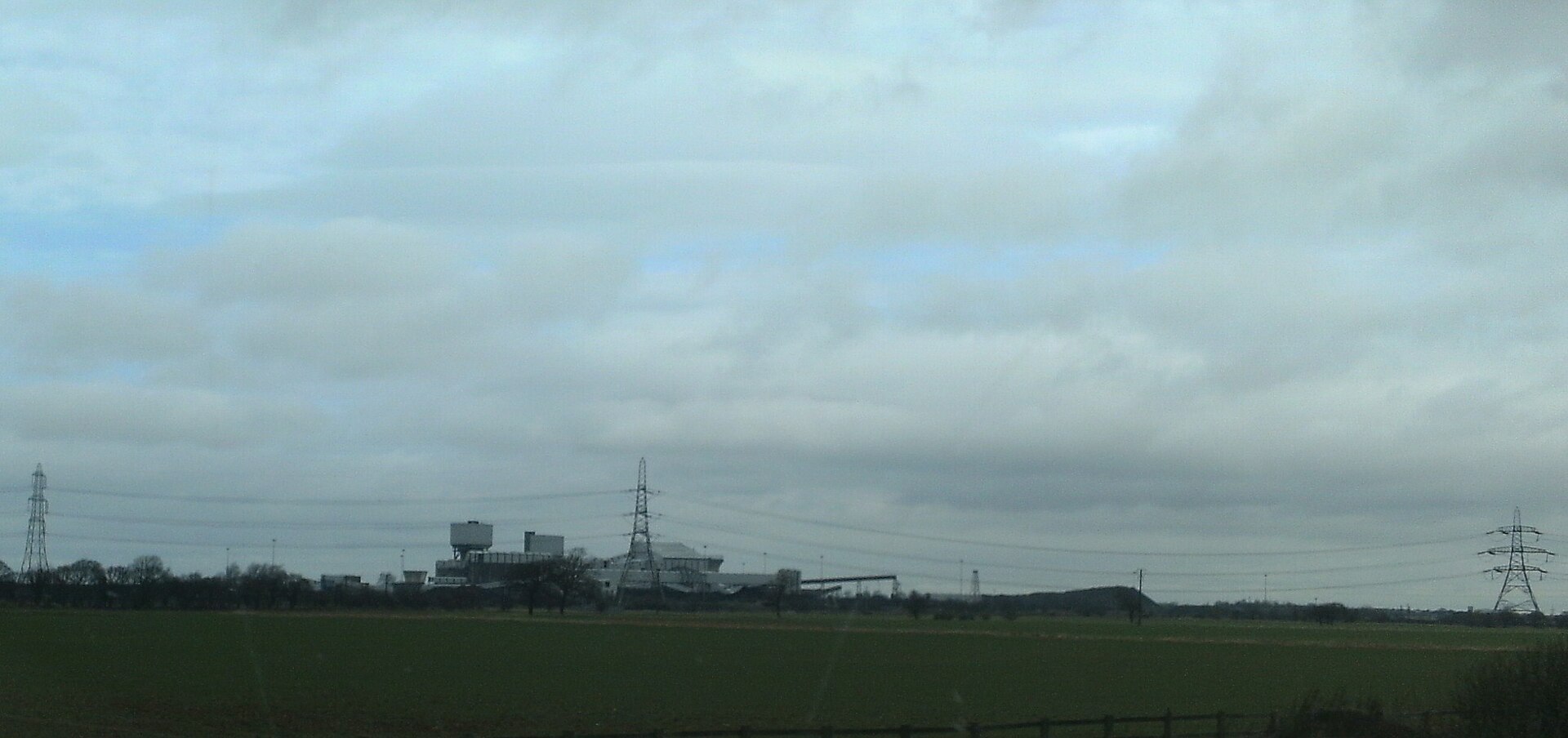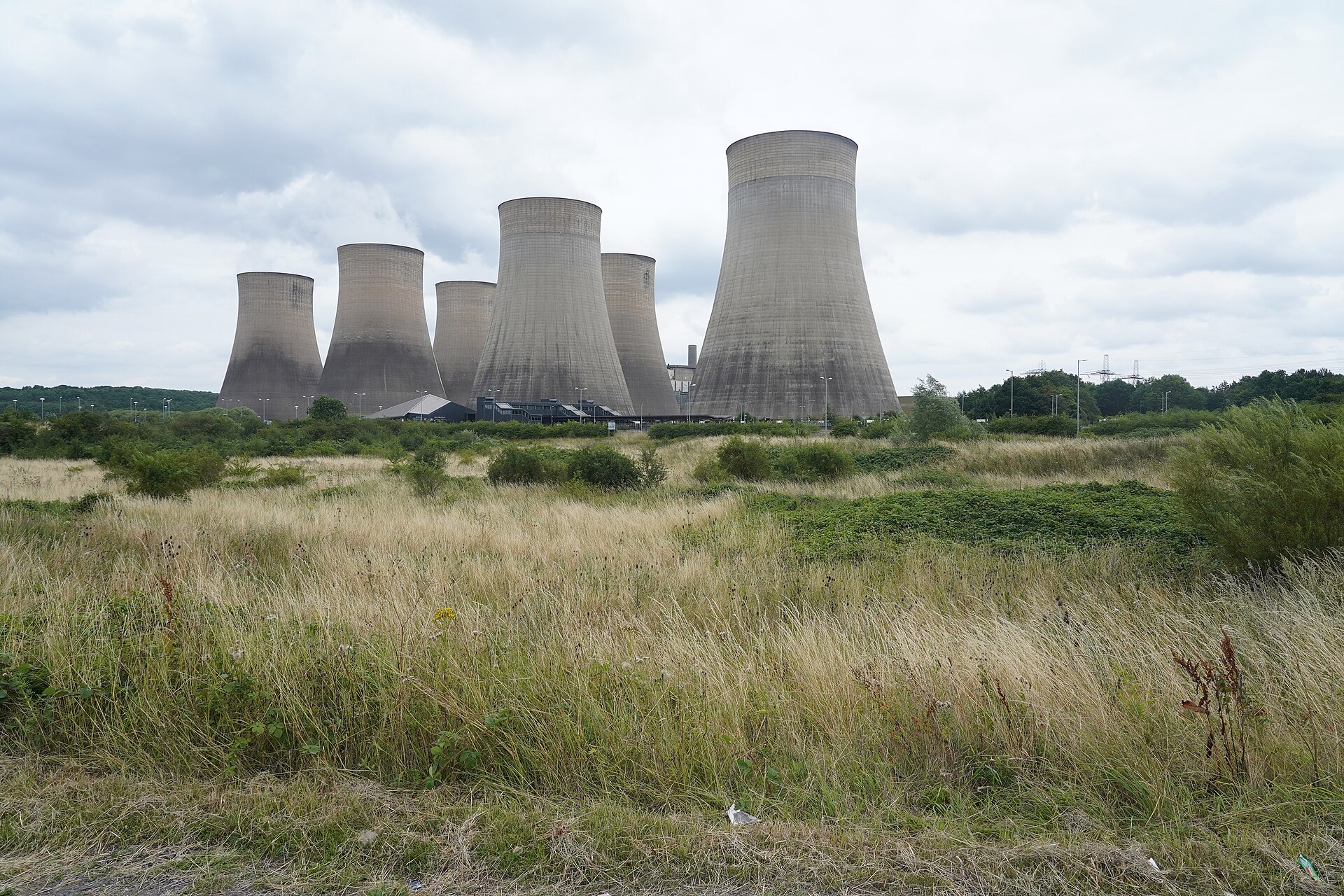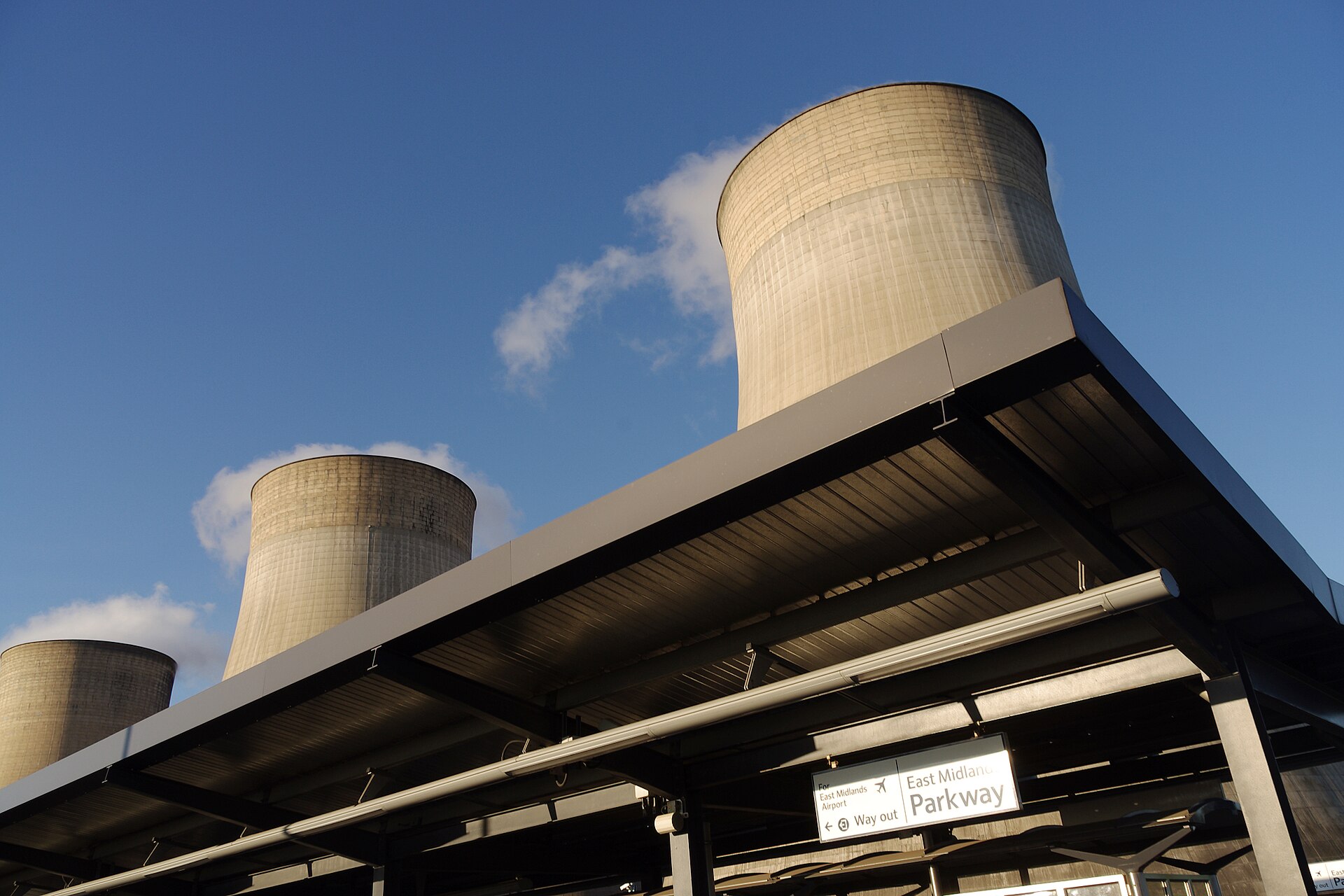
On 30 September 2024, the United Kingdom's last operational coal-fired power station, Ratcliffe-on-Soar in Nottinghamshire, shut down for good. The closure ended 142 years of burning coal for power and made the UK the first G7 nation to eliminate the fuel from its grid entirely. Owned by Uniper, the 2,000-megawatt plant had been generating since 1968.
The world's first public coal-fired station lit a small patch of London from Holborn Viaduct in 1882. That spark ignited an industry that would dominate British power for more than a century. At its peak, coal supplied most of the country's electricity. As recently as 2012 it still provided roughly 40 percent. By 2020 that share had collapsed below 2 percent.
This phase-out was no accident. Government policy, carbon pricing and market economics shoved coal out of the mix faster than almost anyone predicted. The result is a case study in how a deeply coal-dependent industrial economy can quit the fuel without the blackouts critics warned about.

The 2015 Policy Announcement That Set the Clock Ticking
In November 2015, the government pledged to close every unabated coal plant by 2025. Unabated meant burning coal without capturing the carbon dioxide. The ten-year window turned out to be generous. The last plant closed six years early.
The 2015 commitment was not legislation. It was a formal signal that the regulatory and fiscal weather would turn against coal. The UK Carbon Price Floor, launched in 2013, set a rising minimum price on carbon for power producers, making coal-fired output pricier than gas or renewables. The EU Emissions Trading System added further cost; after Brexit, the UK introduced its own carbon pricing mechanism.
The policy stuck because it mirrored market reality. By 2015, new gas-fired plants were cheaper to build and run than existing coal units, and the cost of wind and solar had plunged. The announcement accelerated a decline already in motion and gave plant owners a clear deadline, which killed any incentive to extend the life of ageing coal assets.
How Coal Generation Collapsed from 40% to Nearly Zero
Between 2012 and 2020, coal's share of UK supply tumbled from roughly 40 percent to under 2 percent. That eight-year dive was among the fastest in any large economy. The mechanics were simple: gas and renewables undercut coal on price, and rising carbon costs made the remaining running hours unprofitable.
On 21 April 2017, the grid recorded its first coal-free day since the Industrial Revolution. The milestone was symbolic, but it proved the system could hold steady without the fuel even for a single day. In 2020, during the first COVID-19 lockdown, the UK ran for a record 67 consecutive days without coal power. Lower demand helped, but the underlying trend was already unmistakable.
By the time Ratcliffe-on-Soar closed, coal had become a bit-part player. For years the plant had operated only as backup, firing up when demand spiked or other generators dropped offline. Its removal erased the last source of coal-fired power from the British grid.
The Transition of Coal Plant Sites: Drax and Others
Not every coal plant shut its doors. Drax, once the UK's largest, converted four of its six units from coal to biomass between 2013 and 2018. The North Yorkshire station now burns wood pellets shipped from North America and is classed as a renewable generator under UK rules, though the carbon arithmetic of biomass remains fiercely contested.
The Drax conversion demonstrated one path for legacy infrastructure: repurpose the turbines, cooling systems and grid connections for a different fuel. The plant kept its workforce and its role in the electricity system. Other sites, such as West Burton A and Fiddler's Ferry, were demolished or mothballed. Ratcliffe-on-Soar's site will be redeveloped, but no timeline for demolition or new use has been set.
The fate of these sites matters for the people who worked there. Coal plants were anchor employers in their regions. Ratcliffe-on-Soar employed several hundred people at closure. Uniper has said it would seek to redeploy staff where possible, though the final number of jobs lost or transferred remains unconfirmed.
The Role of Carbon Pricing and Emissions Limits
Carbon pricing was the primary lever that made coal uneconomic. The UK Carbon Price Floor, introduced in 2013, set a minimum cost on carbon for power generators. It started around 16 pounds per tonne and climbed. Combined with the EU Emissions Trading System price, the total carbon cost for coal plants pushed past 30 pounds per tonne by the late 2010s.
At that level, coal could not compete with gas, which emits roughly half the carbon per unit of electricity, or with renewables, which emit none. A coal unit running flat out faced carbon costs that added millions of pounds to its monthly operating bill. Owners responded by dialling down output or closing entirely.
The UK also tightened pollution limits under the Industrial Emissions Directive, forcing operators to install expensive control equipment or shut. Most chose to close. By 2020 only four coal plants remained, down from more than a dozen a decade earlier. Ratcliffe-on-Soar was the last one standing.

The Final Operational Status of the UK's Coal Plants
As of October 2024, no coal-fired power station operates in the United Kingdom. Ratcliffe-on-Soar was the last. Uniper had been due to close it by 2025 under the 2015 policy but brought the date forward to September 2024. The closure is permanent. The plant is not on standby or preserved for emergencies.
Other stations had already gone. Drax switched to biomass. West Burton A shut in 2022. Fiddler's Ferry closed in 2020. A fleet that once numbered dozens of plants was reduced to zero in less than a decade.
What remains varies by site. Some have been demolished. Others, including Ratcliffe-on-Soar, await redevelopment. The cooling towers and turbine halls still stand as of October 2024, but no more coal will be burned. The grid has been running without it since the final shutdown.
What the UK's Coal Phase-Out Means for Other G7 Nations
The UK is the first G7 member to scrub coal from its power mix. That status carries weight in international climate talks. Germany, Japan and the United States have set phase-out dates but have yet to meet them. Germany targets 2038, though it has discussed pulling that forward to 2030. Japan has no formal deadline.
The UK's experience shows that a rapid exit is technically feasible without sacrificing grid reliability. The country kept the lights on throughout the transition. The critical enablers were a clear policy timeline, carbon pricing that made the fuel uneconomic, and the ready availability of gas and renewables to fill the gap.
Other nations weighing a coal exit can draw lessons from the UK's approach. The 2015 announcement gave industry time to adjust. Carbon pricing sent a market signal that rewarded cleaner sources. And the gradual decline of coal output let the grid operator adapt. The UK's phase-out is now complete. The question for fellow G7 members is whether they can replicate the result on their own timelines.
Key Facts: UK Coal Power Phase-Out
- Last operational coal plant: Ratcliffe-on-Soar, Nottinghamshire, owned by Uniper
- Closure date: 30 September 2024
- Capacity at closure: 2,000 MW
- First coal-fired public power station: Holborn Viaduct, London, 1882
- Policy trigger: November 2015 government announcement to close all unabated coal plants by 2025
- First coal-free day: 21 April 2017
- Longest coal-free period: 67 consecutive days in 2020
- Coal share of electricity in 2012: Around 40%
- Coal share of electricity in 2020: Less than 2%
- G7 status: First G7 nation to completely phase out coal power
Timeline of Key Milestones in UK Coal Phase-Out
| Year | Event |
|---|---|
| 1882 | World's first coal-fired public power station opens at Holborn Viaduct, London |
| 1968 | Ratcliffe-on-Soar power station begins operation |
| 2012 | Coal generates around 40% of UK electricity |
| 2013 | UK Carbon Price Floor introduced; Drax begins conversion of first unit to biomass |
| 2015 | UK government announces policy to close all unabated coal plants by 2025 |
| 2017 | First coal-free day since the Industrial Revolution (21 April) |
| 2018 | Drax completes conversion of four units to biomass |
| 2020 | Record 67 consecutive days without coal power; coal share falls below 2% |
| 2024 | Ratcliffe-on-Soar closes on 30 September, ending 142 years of coal-fired electricity generation |
Frequently Asked Questions
When did the UK's last coal-fired power station close?
Ratcliffe-on-Soar closed permanently on 30 September 2024.
What was the name of the UK's first coal-fired power station?
The world's first coal-fired public power station opened at Holborn Viaduct, London, in 1882.
What policy drove the UK's coal phase-out?
In November 2015, the UK government announced a policy to close all unabated coal power stations by 2025. Carbon pricing and emissions limits reinforced the phase-out.
How much electricity did coal provide at its peak?
Coal generated around 40% of UK electricity in 2012. That share fell to less than 2% by 2020.
What happened to Drax power station?
Drax converted four of its six units from coal to biomass between 2013 and 2018.
Is the UK the first G7 nation to phase out coal?
Yes. The UK became the first G7 nation to completely phase out coal power when Ratcliffe-on-Soar closed in September 2024.