The same technology helping scientists predict weather patterns and detect methane leaks is also driving a surge in power demand that threatens to undercut those gains. Artificial intelligence systems, particularly large language models and the facilities that house them, are becoming a material contributor to greenhouse gas emissions. At the same time, AI tools model climate systems, optimize power grids, and monitor emissions in ways that were impossible five years ago.
Whether the net effect tilts positive or negative by 2030 is not settled. Both forces are real, measurable, and growing. The International Energy Agency forecasts that data center power use could double by 2026, surpassing 1,000 terawatt-hours. AI workloads alone are projected to draw between 85 and 134 terawatt-hours annually by 2027. That rivals the total electricity consumption of the Netherlands.
This piece maps the terrain. It does not resolve the debate.

Training a Single Model: The Carbon Cost of GPT-3
Training OpenAI's GPT-3 consumed an estimated 1,287 megawatt-hours of electricity and emitted 552 metric tons of carbon dioxide equivalent. That matches the lifetime tailpipe emissions of five average passenger vehicles. These figures cover only the training phase. Ongoing inference costs, when the model answers millions of queries, add a separate and growing burden.
A single query to a large language model can draw roughly 10 times the energy of a standard Google search. Google processes trillions of searches annually. If even a fraction shift to generative AI, the aggregate demand becomes substantial.
Researchers have called for standardized reporting of model energy consumption. Without it, comparisons across models and over time remain guesswork. The 'green AI' movement pushes for efficiency metrics published alongside accuracy scores, making energy use a first-class benchmark rather than an afterthought.
Data Center Demand Could Double by 2026
The scale of the surge
The IEA projects that data center power use could double by 2026, exceeding 1,000 terawatt-hours and matching Japan's total electricity consumption. AI is a primary driver, with workloads projected to reach 85 to 134 terawatt-hours annually by 2027.
Inference takes over
Both training and inference figure into those totals. As models deploy more widely, inference dominates. A model trained once but queried millions of times per day shifts the energy burden from a single large event to a continuous, distributed load.
Water and geography
Data centers also demand significant water for cooling, especially in warm climates. The geographic concentration of compute in places like Northern Virginia, which hosts the world's densest cluster of server farms, creates local environmental pressures invisible in global energy totals. Water stress is one such pressure, and it falls unevenly.
How Cloud Providers Are Responding
Microsoft's nuclear bet
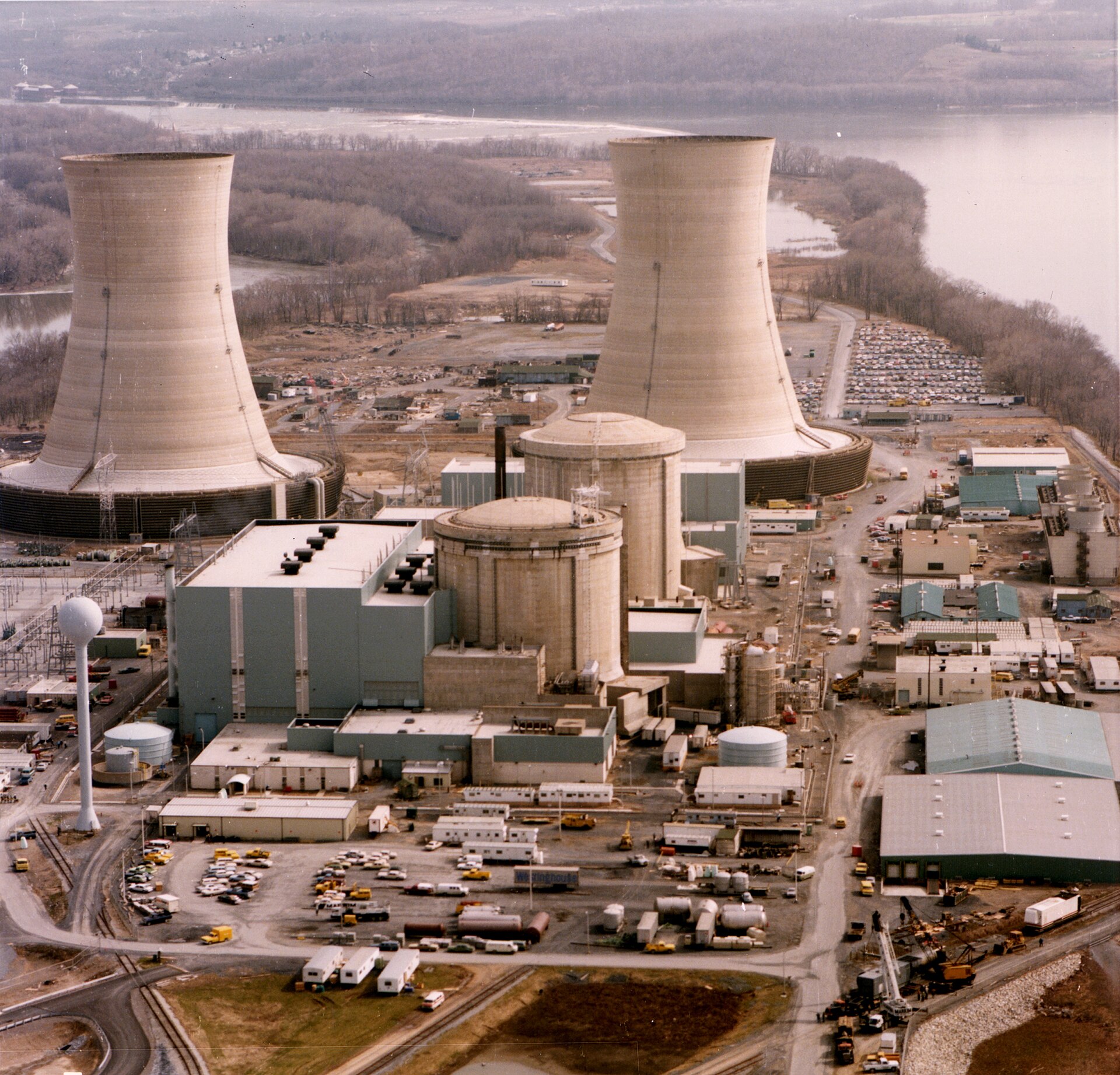
Major cloud providers see the trajectory and are securing low-carbon energy. In September 2024, Microsoft signed a power purchase agreement with Constellation Energy to restart a unit of the Three Mile Island nuclear plant, shuttered years earlier for economic reasons. The deal aims to supply Microsoft's server farms with carbon-free power.
Google's rising emissions
Google reported a 48% increase in total greenhouse gas emissions between 2019 and 2023, driven by data center energy use and supply chain emissions. The company still targets 24/7 carbon-free energy by 2030, but the rising trajectory makes that goal harder to reach.
The grid reality
Voluntary renewable procurement reduces operational emissions on paper. It does not eliminate physical demand on the grid. Where wind and solar are intermittent, server farms still pull from fossil fuel plants during lulls.

AI for Climate Science: Weather and Emissions Monitoring
Sharper forecasts
On the mitigation side, AI models tackle climate applications once computationally out of reach. DeepMind's GraphCast has demonstrated improved accuracy over traditional numerical weather prediction for medium-range forecasts. Better forecasts enable more efficient management of renewable resources, agricultural planning, and disaster preparedness.
Spotting methane from space
AI also detects methane, a potent greenhouse gas. Leaks from oil and gas infrastructure are a major emissions source. Satellite-based AI systems identify methane plumes automatically, enabling faster repairs than manual inspection allows. Regulatory agencies and energy companies already use these systems.
Balancing the grid
Grid optimization is another active frontier. AI balances supply and demand in real time, integrating variable renewable sources more effectively. The efficiency gains resist global quantification, but they are real and growing.
Green AI: Measuring Efficiency Alongside Accuracy
Efficiency as a metric
'Green AI' treats computational efficiency as a metric equal to model accuracy. Historically, the field chased performance gains, often through larger models and higher energy draws. Green AI advocates argue that researchers should report the energy required to train and run a model, and that funders should weigh efficiency in grant decisions.
Early coalitions
Several initiatives push in this direction. The Coalition for Environmentally Responsible Economies (Ceres) launched an AI working group in 2024 to guide corporate deployment toward climate goals. The group convenes investors, companies, and environmental organizations to develop frameworks for responsible use.
No standard yet
These efforts remain nascent. No standard benchmark exists for model energy consumption, and most published research omits energy data. Without it, the field cannot systematically compare the carbon cost of different approaches. The green AI movement aims to change that. Whether industry incentives shift fast enough is an open question.
The Net Impact Question Remains Open
Whether AI's net contribution to climate change will be positive or negative by 2030 is not known. The available data points in both directions. AI is projected to draw 85 to 134 terawatt-hours by 2027, and data center power use could double by 2026. Yet AI also enables climate applications that were infeasible a decade ago.
The two forces operate on different timelines. Energy demand from AI is immediate and accelerating. Climate benefits often take years to materialize, depending on deployment at scale, regulatory adoption, and behavioral change. A forecasting model that improves grid efficiency by a few percentage points may take a decade to roll out across all utilities.
As of April 2025, the question is unresolved. The answer will depend on choices made now about energy sourcing, model efficiency, and the prioritization of climate applications over less essential uses of AI.
Key Facts
- AI sector electricity consumption (projected 2027): 85 to 134 terawatt-hours annually
- GPT-3 training energy: 1,287 MWh electricity; 552 metric tons CO2e
- ChatGPT query vs. Google search energy: Roughly 10x per query
- Google emissions increase (2019-2023): 48%, driven by data centers and supply chain
- Microsoft nuclear deal: Power purchase agreement with Constellation Energy, September 2024, to restart Three Mile Island unit
- IEA data center electricity forecast (2026): Could double to over 1,000 TWh
- AI weather model: DeepMind GraphCast: improved accuracy over traditional numerical models for medium-range forecasting
- Corporate AI climate initiative: Ceres AI working group launched in 2024