California's SB 100, the 100 Percent Clean Energy Act signed on September 10, 2018, requires the state to source all of its electricity from zero-carbon resources by 2045. The law sets an interim target of 60% from renewable portfolio standard (RPS)-eligible sources by 2030. It is a legally binding mandate, not a goal. The California Public Utilities Commission (CPUC) leads implementation through its Integrated Resource Planning (IRP) proceeding. The California Energy Commission (CEC) handles demand forecasting. The California Independent System Operator (CAISO) manages grid reliability. The California Air Resources Board (CARB) oversees economy-wide decarbonization targets that intersect with the power sector.
In February 2024, the CPUC adopted a preferred system plan that calls for 86 gigawatts of new clean resources by 2035: 25 GW of new solar, 15 GW of new wind, and a massive expansion of battery reserves. The plan is the most detailed blueprint yet for meeting the 2045 mandate. But the path forward faces unresolved questions about cost allocation, emerging technologies, and whether the grid can stay reliable during extreme heat events as fossil fuel plants retire.

What SB 100 Legally Requires
SB 100 amended the state's Renewables Portfolio Standard to require that 60% of retail power sales come from RPS-eligible resources by 2030. The remaining 40% must be zero-carbon by 2045. That means no carbon emissions from the power sector, not merely a high share of renewables. The law permits any zero-carbon resource, including nuclear, large hydroelectric dams, and technologies not yet deployed at scale such as green hydrogen or carbon capture and sequestration, provided they meet the statutory definition.
The CPUC, CEC, and CARB must update the state's long-term energy plan every two years. The CEC models demand growth under different scenarios. The CPUC translates those scenarios into procurement orders for load-serving entities. The 2030 interim target is the next major checkpoint. As of April 2025, the state had not yet reported whether it is on track. That assessment will determine whether the CPUC must accelerate procurement or revise its preferred system plan.
The CPUC's Integrated Resource Planning Process
How the IRP produces a procurement blueprint
The CPUC's Integrated Resource Planning (IRP) proceeding is the primary mechanism for implementing SB 100. Every two years, the IRP process produces a preferred system plan that identifies the least-cost resource mix to meet the 2045 mandate while preserving reliability. The February 2024 plan is the most recent. It calls for 86 GW of new clean resources by 2035, including 25 GW of new solar, 15 GW of new wind, a dramatic expansion of battery reserves, 10 GW of new geothermal, and 4 GW of long-duration energy reserves.
Where stakeholders disagree
The IRP process is contested. Utilities, independent power producers, consumer advocates, and environmental groups all file comments. The key disputes center on cost allocation, the treatment of existing gas plants, and whether the plan's assumptions about technology costs and availability hold up. The CPUC has not yet issued final procurement orders for every resource identified in the plan. The pace of the build-out will depend on the outcome of ongoing proceedings on resource adequacy reforms and central procurement mechanisms.
Projected Costs and Infrastructure Build-Out
What the price tag looks like
The CPUC's preferred system plan does not provide a single total cost for the full transition to 100% zero-carbon power by 2045. Instead, the commission modeled the cost of the 2035 portfolio against a baseline that continues current policies. The incremental cost of the 86 GW build-out runs into tens of billions of dollars, though the exact figure depends on assumptions about technology costs, fuel prices, and financing rates. The CEC has projected that the 2045 mandate will require between $50 billion and $100 billion in cumulative capital investment, but that figure is not official CPUC policy.
Doubling the fleet in a decade
The scale of the build-out is large relative to the existing fleet. California had roughly 80 GW of total installed generating capacity in 2023. Adding 86 GW of new resources by 2035 means nearly doubling the state's power plant fleet in 12 years. Much of that new capacity will be solar and wind, which have low capacity factors and require backup generation or reserves to meet peak demand. The plan also assumes significant new transmission infrastructure: upgrades to connect offshore wind projects and new high-voltage lines to move power from renewable-rich areas to load centers. The cost of that transmission is not fully allocated in the IRP process.
The Role of Offshore Wind, Geothermal, and Emerging Technologies
Offshore wind ambitions
The CPUC's preferred system plan assumes 15 GW of new wind by 2035, a large portion of which is expected to come from offshore projects off the California coast. The state has set a separate goal of 25 GW of offshore wind by 2045, but final procurement volumes and commercial operation dates for specific projects remain unsettled. The Bureau of Ocean Energy Management has leased areas off the central and northern coasts, yet developers face deep water, high construction costs, and port infrastructure that does not yet exist.
Geothermal and long-duration reserves
Geothermal is another key resource. The plan calls for 10 GW of new geothermal by 2035. Geothermal delivers firm, dispatchable power with no emissions, making it an attractive complement to solar and wind. But development has been slow due to high upfront costs, long lead times, and limited suitable sites. Long-duration energy reserves, defined as systems capable of discharging for 10 hours or more, are also included at 4 GW by 2035. The technologies, such as flow batteries, compressed air, or pumped hydro, are not yet commercial at scale. Green hydrogen appears in some IRP scenarios but is not a major component of the preferred system plan. The CPUC has not determined whether natural gas plants with carbon capture and sequestration will qualify as eligible zero-carbon resources.

Grid Reliability and the Diablo Canyon Extension
The net-peak ramp problem
Grid reliability during extreme heat events is the central operational challenge of the SB 100 transition. California experienced rolling blackouts in August 2020 during a heat storm that pushed demand above available supply. CAISO has since added more battery reserves and demand response programs, but the net-peak ramp, the late-afternoon period when solar generation declines and demand stays high, remains the most vulnerable time. The CPUC's resource adequacy program requires load-serving entities to procure enough capacity to meet a 1-in-10-year loss-of-load expectation, but the program has been criticized for leaning too heavily on gas plants that may retire before replacements are built.
Diablo Canyon's reprieve
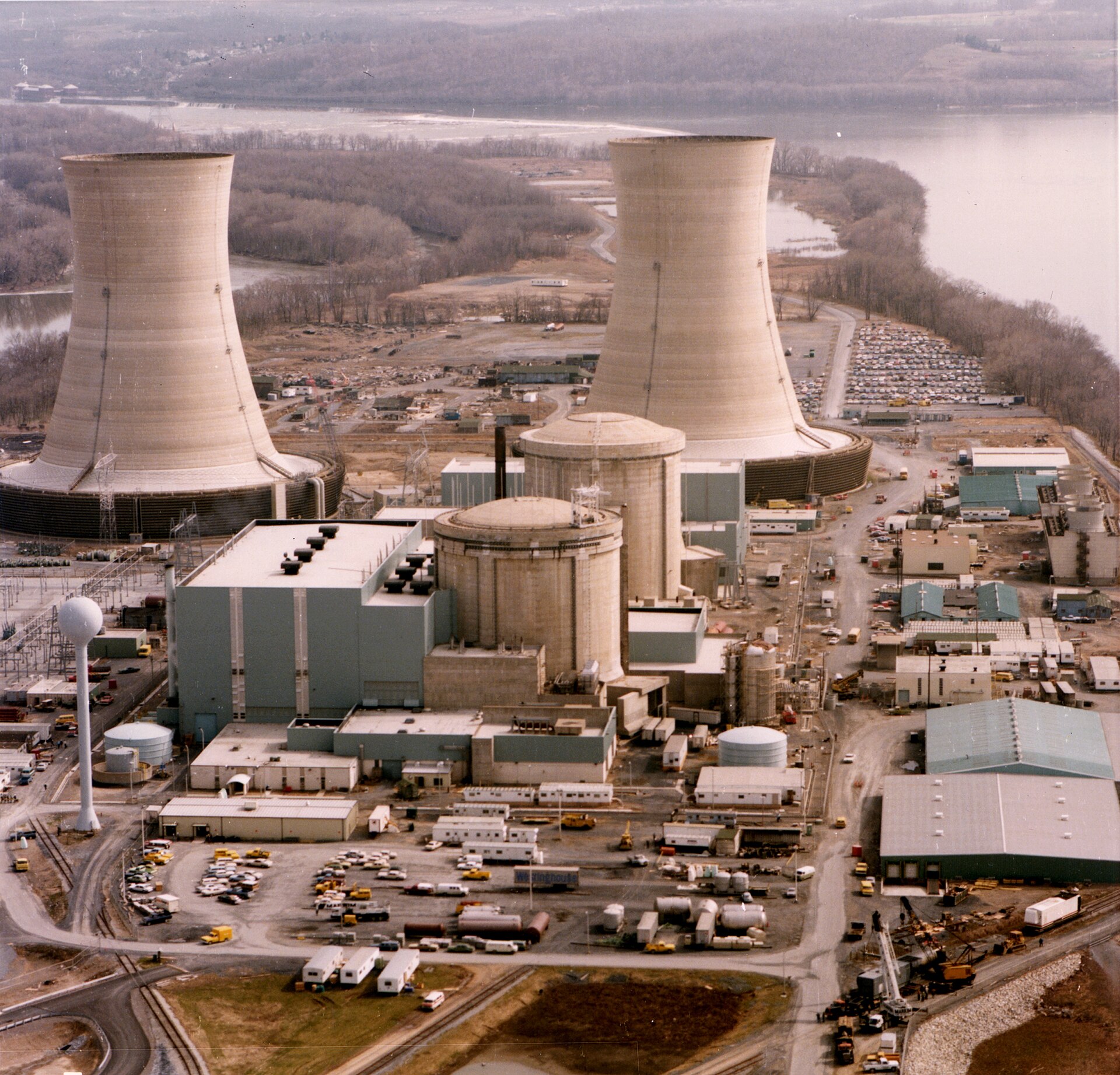
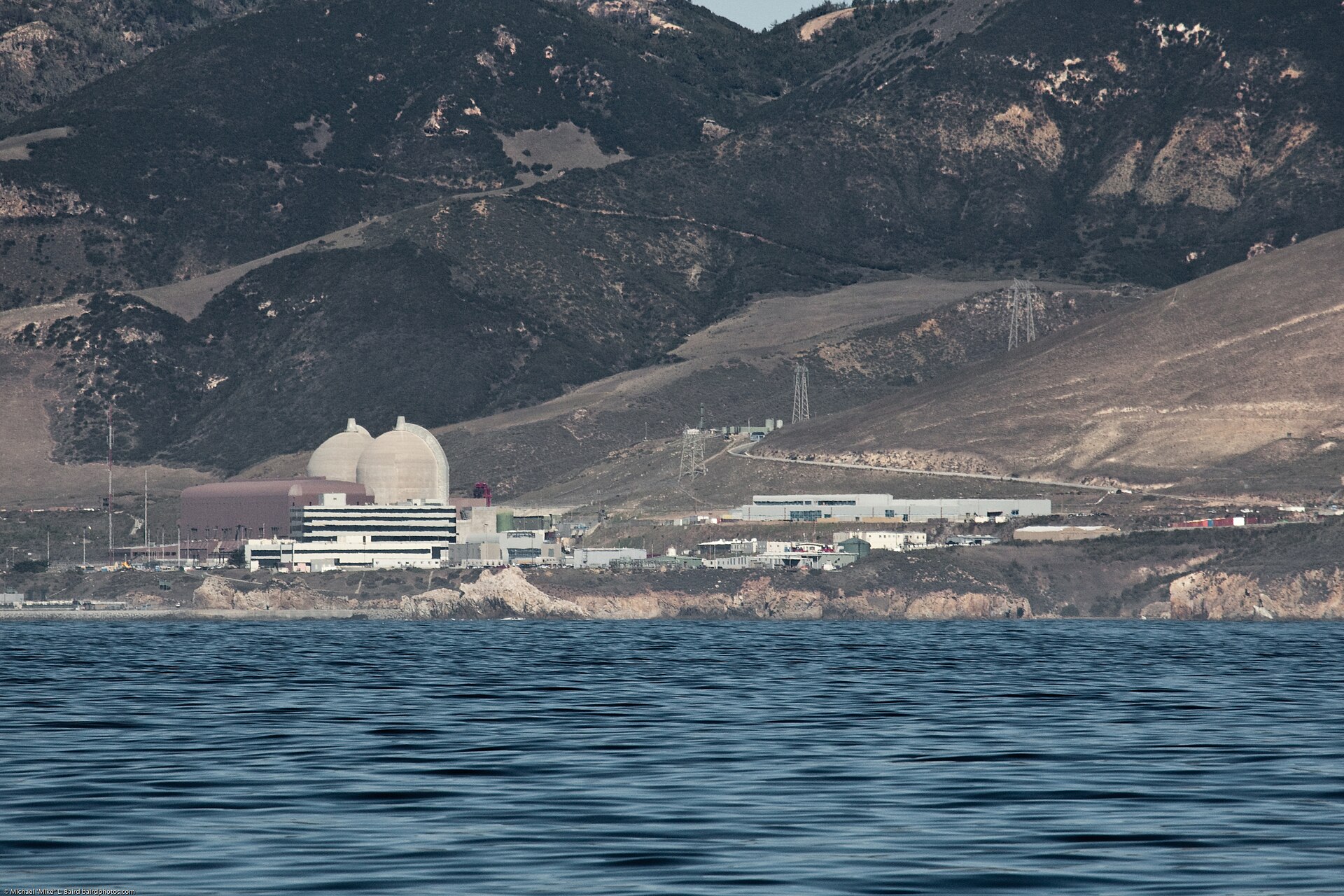
In September 2022, Governor Gavin Newsom signed legislation to keep the Diablo Canyon nuclear plant operational through 2030, reversing its planned 2025 closure. Operated by Pacific Gas and Electric, Diablo Canyon supplies about 9% of the state's power and is the single largest source of zero-carbon generation in California. The extension provides additional firm, zero-carbon capacity during the critical transition period. Whether Diablo Canyon will run beyond 2030 or be decommissioned on schedule is not yet determined. The CPUC and PG&E are studying the plant's long-term viability, but no decision had been made as of April 2025.
Contested Issues: Carbon Capture, Renewable Natural Gas, and Cost Allocation
Carbon capture eligibility
Three issues dominate the SB 100 implementation debate. First, whether natural gas plants equipped with carbon capture and sequestration (CCS) should count as zero-carbon resources. The CPUC has not yet ruled. Environmental groups oppose CCS, arguing it is unproven at scale and would extend the life of fossil fuel infrastructure. Utilities and some investor groups support it as a way to maintain dispatchable capacity without emissions.
Renewable natural gas
Second, the role of renewable natural gas, captured methane from landfills, dairies, and wastewater treatment plants. The CPUC has allowed limited use for power generation, but volumes are small and costs are high. Critics argue that renewable natural gas is not truly renewable and that its use diverts resources from direct electrification.
Who pays
Third, cost allocation. The CPUC's IRP process does not specify how the cost of the 86 GW build-out will be distributed among ratepayers, utility shareholders, and taxpayers. Consumer advocates argue that low-income households and disadvantaged communities will shoulder a disproportionate share. The commission has opened a proceeding on cost allocation, but no final rules have been adopted. The outcome will determine whether the transition is politically sustainable. As of April 2025, the CPUC had not issued final procurement orders for all resources in the preferred system plan, and the position on key contested issues since then is not established here.
Key Facts
- Enactment: September 10, 2018
- Interim target (2030): 60% of electricity from RPS-eligible resources
- Final target (2045): 100% zero-carbon electricity
- Lead implementing agency: California Public Utilities Commission (CPUC)
- CPUC preferred system plan (Feb 2024): 86 GW of new clean resources by 2035
- New solar in preferred plan: 25 GW
- New wind in preferred plan: 15 GW
- New geothermal in preferred plan: 10 GW
- Long-duration storage in preferred plan: 4 GW
- Diablo Canyon extension: Operational through 2030 (reversed 2025 closure)
Key Entities and Their Roles
| Entity | Role in SB 100 Implementation |
|---|---|
| CPUC | Lead agency; implements SB 100 through Integrated Resource Planning (IRP) proceeding; adopts preferred system plan; sets resource adequacy requirements |
| CEC | Demand forecasting; models scenarios for achieving 100% clean electricity; updates long-term energy plan every two years |
| CAISO | Manages high-voltage grid; ensures short-term reliability; operates wholesale electricity markets |
| CARB | Economy-wide decarbonization targets; interacts with electricity sector through cap-and-trade and other programs |
| PG&E | Operates Diablo Canyon nuclear plant; subject to CPUC procurement orders |
| Governor Newsom | Signed legislation to extend Diablo Canyon operations through 2030 |
Frequently Asked Questions
Is SB 100 a goal or a legal requirement?
It is a legally binding mandate. The law requires 100% zero-carbon electricity by 2045, with an interim target of 60% RPS-eligible resources by 2030.
How much will the transition cost?
The CPUC has not published a total cost figure for the full transition. The incremental cost of the 86 GW build-out by 2035 is estimated in the tens of billions of dollars, but the exact amount depends on technology costs, fuel prices, and financing rates.
Will Diablo Canyon operate beyond 2030?
Not determined as of April 2025. The CPUC and PG&E are studying the plant's long-term viability, but no decision has been made.
Can natural gas with carbon capture count as zero-carbon?
The CPUC has not yet ruled on whether gas-CCS is eligible as a zero-carbon resource under SB 100.