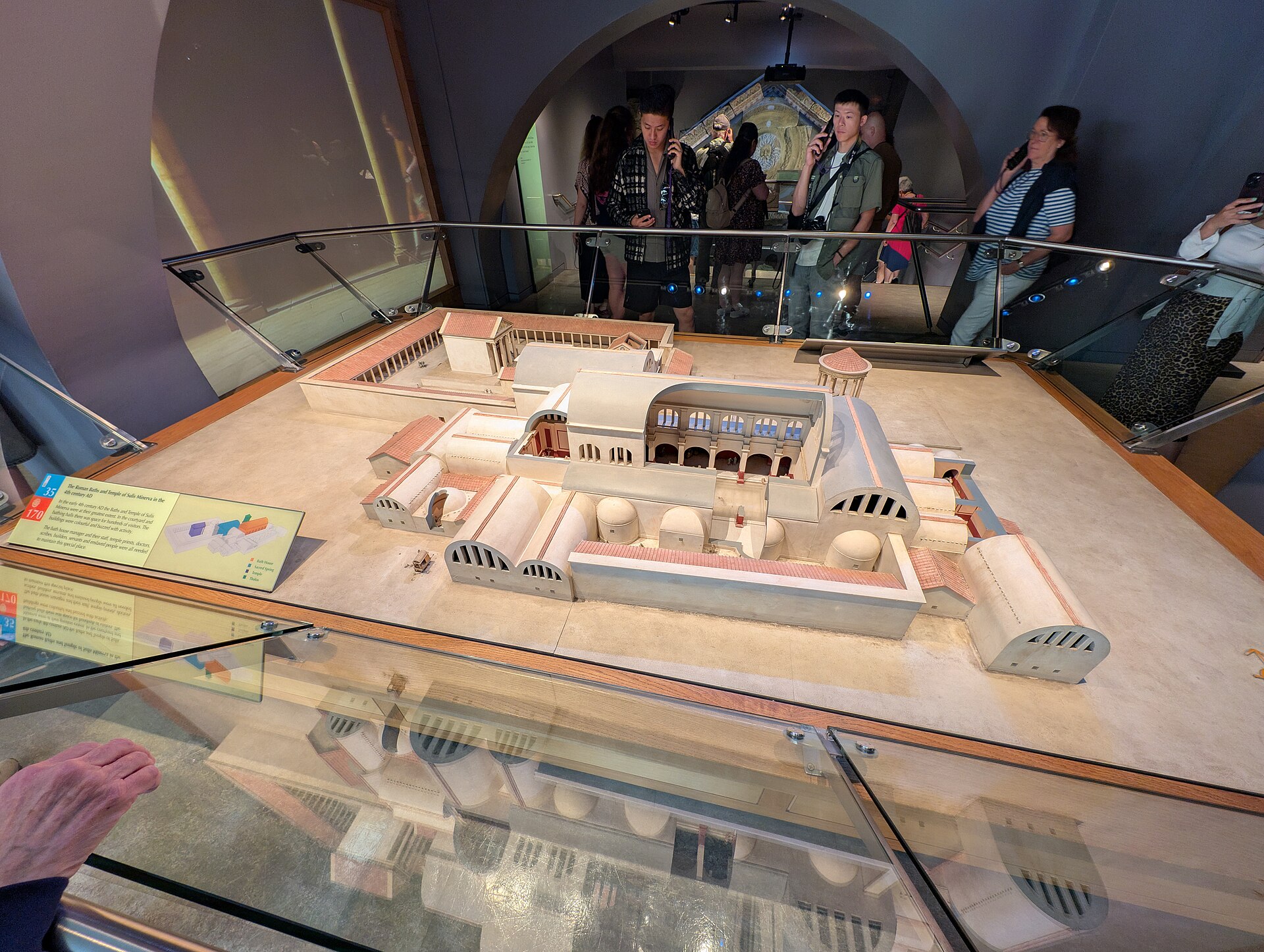
In 2021, the Roman Baths in Bath, England, became a proving ground for a UK government-funded 5G and virtual reality trial. The initiative set out to show how high-speed, low-latency infrastructure could reshape the way people encounter historic sites. It was never a permanent installation. The VR walkthrough was dismantled after the trial period ended, and the 5G setup was a temporary deployment.
The trial sat inside a wider regional push by the West of England Combined Authority to establish the area as a hub for 5G innovation. The University of Bristol Smart Internet Lab supplied technical expertise. The UK government's Department for Digital, Culture, Media and Sport underwrote the work through its 5G testbed and trials programme.
Here is what was built, who built it, what ticketed guests actually saw and did, and what the heritage sector can take from a programme that has now concluded.

The Specific VR Experience
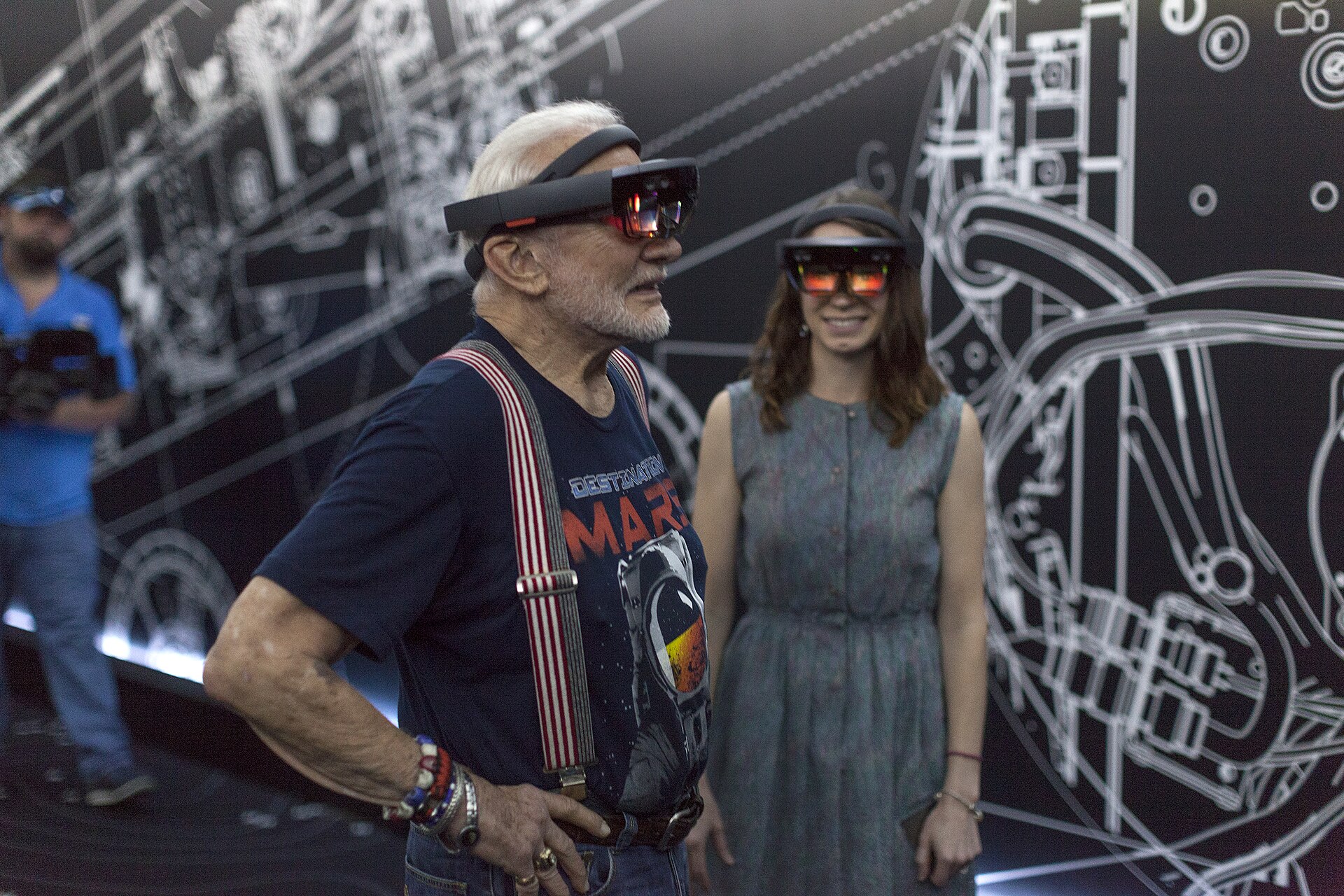
The centrepiece of the trial was a virtual reality walkthrough that let ticketed guests see the Roman Baths as they would have looked nearly 2,000 years ago. Wearing a headset, a guest could stand in the same physical spot where Roman bathers once walked and see a layered digital reconstruction of the temple complex, the sacred spring and the bathing halls.
The simulation was not a generic 360-degree video. It was built to match the exact architecture and layout of the site. Users could look around freely, and the digital objects were anchored to the real-world coordinates of the Baths. Turn your head and a Roman column would appear where a modern wall now stands, with the perspective shifting realistically as you moved.
Because the trial was a time-boxed demonstration, the walkthrough was offered to a limited number of ticketed guests during the trial window. It was never intended to be a permanent exhibit, though the technology could be reinstalled or adapted for other heritage sites.
The Technical Partners and Their Roles
Three organisations formed the core delivery team.
The University of Bristol Smart Internet Lab led the technical design and deployment of the 5G infrastructure. The lab's researchers installed a private 5G small-cell setup within the Baths building, configured to deliver the ultra-low latency that VR streaming demands. The infrastructure did not rely on a public mobile operator. It was a standalone private system, owned and operated by the trial team.
The West of England Combined Authority acted as the regional coordinator. It secured the funding from the UK government's 5G testbed programme and managed the initiative's alignment with the region's broader smart-tourism strategy. The authority had been pushing for Bath to become a demonstration site for 5G in tourism, and this trial was the flagship undertaking.
Bath and North East Somerset Council, which operates the Roman Baths as a tourist attraction, provided the venue and the operational staff. The council's tourism team worked with the technical partners to ensure the VR simulation did not disrupt normal visitor flow or damage the historic fabric of the building.
How 5G Enabled the VR Experience
Untethered headsets, remote processing
The VR walkthrough at the Roman Baths was designed to run on a headset that was not tethered to a desktop computer. To render high-resolution, spatially accurate 3D models in real time, the headsets needed to offload processing to a remote server. That is where the 5G infrastructure became essential.
Edge computing inside the building
The private 5G setup used edge computing. Instead of sending data to a cloud server somewhere on the internet, the processing happened on a server located physically inside the Baths building. The round-trip latency between the headset and the edge server was measured in single-digit milliseconds. That low latency meant the headset could display the Roman reconstruction without the user feeling a delay when they moved their head. Any lag would have caused motion sickness and broken the illusion.
Why wires and onboard chips fell short
Without the 5G infrastructure, the same walkthrough would have required either a high-bandwidth wired connection or a powerful onboard computer in the headset. Wires would have been impractical in a crowded, damp, historic building. Onboard rendering would have demanded heavier, hotter headsets with shorter battery life. The 5G edge-computing setup solved both problems.
Project Timeline and Funding
Where the money came from
The undertaking was announced as part of the UK government's 5G testbed and trials programme. The exact name of the specific funding competition and the grant amount awarded are not publicly confirmed in the available brief, but the programme was administered by the Department for Digital, Culture, Media and Sport. The West of England Combined Authority contributed regional co-funding.
When it ran
The 5G infrastructure was installed and the VR walkthrough was developed during 2020 and 2021. The public-facing trial ran for a limited period in 2021 and into 2022. Ticketed guests who attended the Roman Baths during that window could book a slot to try the simulation. After the trial period ended, the VR headsets were removed, and the private 5G infrastructure was decommissioned. The site returned to its pre-trial state.
What remains today
As of October 2024, no permanent VR or 5G installation remains at the Roman Baths. The programme is concluded.

Measured Impact on Visitors
What the team measured
The trial was a technology demonstration, not a long-term upgrade for ticketed guests. The team did collect feedback from the people who used the VR headsets, but specific satisfaction scores or quantitative footfall changes directly attributed to the simulation are not available in the public record.
Technical goals versus commercial lift
What is clear from the programme's reporting is that the technical goals were met. The private 5G infrastructure delivered the required latency and bandwidth. The VR walkthrough ran without crashes or noticeable lag. Guests who tried it reported that the digital reconstruction felt immersive and historically accurate. The trial demonstrated that a heritage site could host a private 5G setup without damaging the building or interfering with public mobile services.
The real return
The programme's value was in proving the concept, not in generating a short-term revenue lift. The Roman Baths already attracts over one million ticketed guests per year, so a temporary VR trial was never going to move that number significantly. The real impact was on the wider smart-tourism agenda in the West of England.
Temporary by Design, but a Model for Others
A time-boxed proving ground
The Roman Baths 5G trial was a time-limited demonstration. The VR walkthrough was always intended to be a temporary installation to show what was possible. The programme concluded, the equipment was removed, and the site is now operating as it did before the trial.
Findings that outlast the hardware
That does not mean the programme was a dead end. The technical findings have been shared with other heritage sites and with the UK government's 5G programme. The University of Bristol Smart Internet Lab has used the trial to refine its edge-computing and private-infrastructure deployment methods. The West of England Combined Authority has cited the work as evidence that the region can deliver advanced connectivity in sensitive environments.
A template for historic sites
For operators of other historic sites, the Roman Baths trial offers a clear template: a private 5G setup with edge computing can deliver high-end VR in a space where Wi-Fi is unreliable and wired connections are impossible. The cost and complexity of standing up such infrastructure are not trivial, but the trial proved that it works. Whether any other site chooses to make that investment permanently is a question of budget and business case, not technical feasibility.
Key Facts
- Site: Roman Baths, Bath, England
- Project type: Time-limited 5G testbed and VR demonstration
- Funding source: UK Government Department for Digital, Culture, Media & Sport (5G testbed and trials programme); West of England Combined Authority
- Technical lead: University of Bristol Smart Internet Lab
- Venue operator: Bath and North East Somerset Council
- Regional coordinator: West of England Combined Authority
- Trial period: 2021 to 2022 (public VR experience available for a limited window)
- Status as of October 2024: Concluded. VR experience removed. 5G network decommissioned.
Frequently Asked Questions
Can I still try the VR experience at the Roman Baths?
No. The VR experience was a temporary trial installation and was removed after the trial period ended. As of October 2024, it is not available to visitors.
Is the 5G network still running at the Roman Baths?
No. The private 5G network was deployed for the duration of the trial and was decommissioned when the trial concluded.
Who paid for the Roman Baths 5G project?
The UK government's Department for Digital, Culture, Media and Sport funded the project through its 5G testbed and trials programme. The West of England Combined Authority provided regional co-funding.
Why did the project end?
The project was designed as a time-limited testbed to demonstrate the capabilities of 5G for heritage tourism. It was never intended to be a permanent installation.