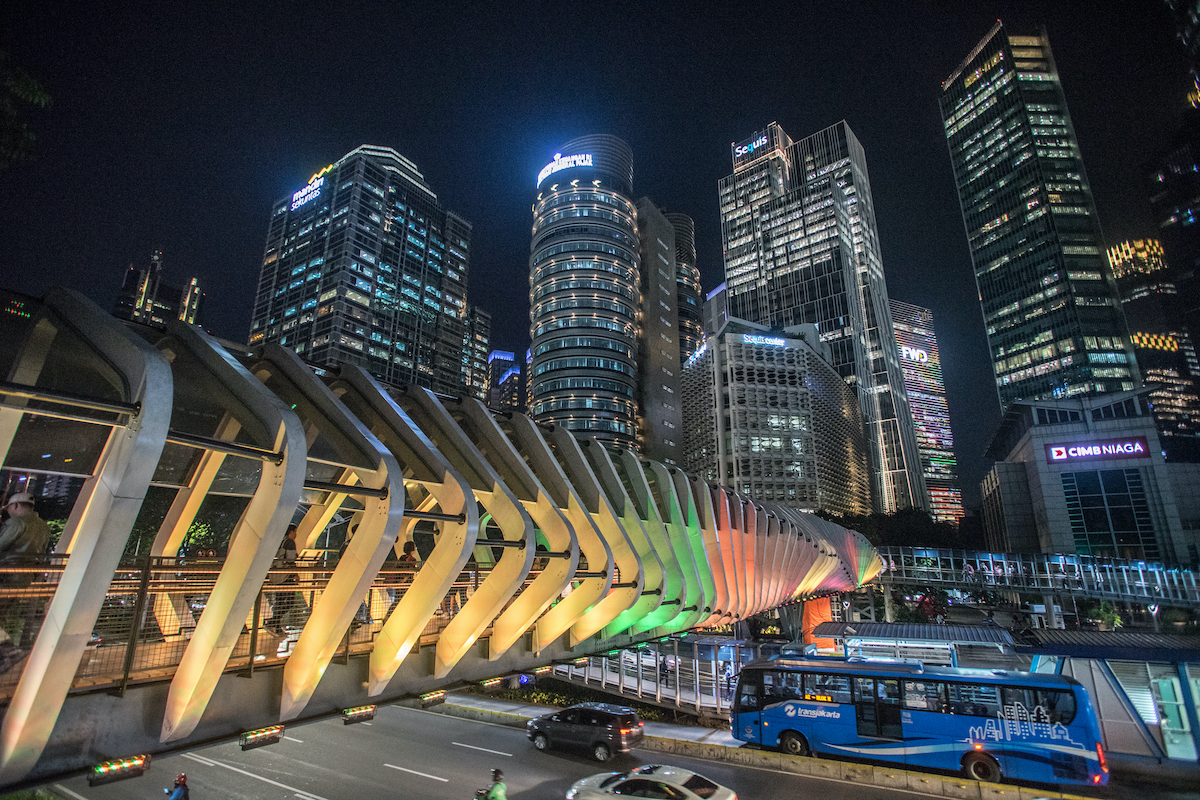
Amazon Web Services fired up the Asia Pacific (Jakarta) Region in the last month of 2021. It opened three Availability Zones across Greater Jakarta and pledged to spend roughly $5 billion in the archipelago over 15 years. The region, designated ap-southeast-3 in the AWS API, is the cloud provider's 26th globally and its first inside the country. It remains live today.
The launch gives Indonesian companies and agencies something they never had at AWS scale: infrastructure physically inside the nation's borders. That matters for data residency rules and for any application where milliseconds count. Before the region opened, traffic from local clients had to cross the sea to Singapore or another neighboring hub.
AWS projected the investment would add an estimated $10.9 billion to Indonesia's GDP over the decade and a half and sustain roughly 24,700 direct and indirect jobs each year. Those figures come from AWS's own economic modelling, not an independent audit.

Three Availability Zones and the Technical Baseline
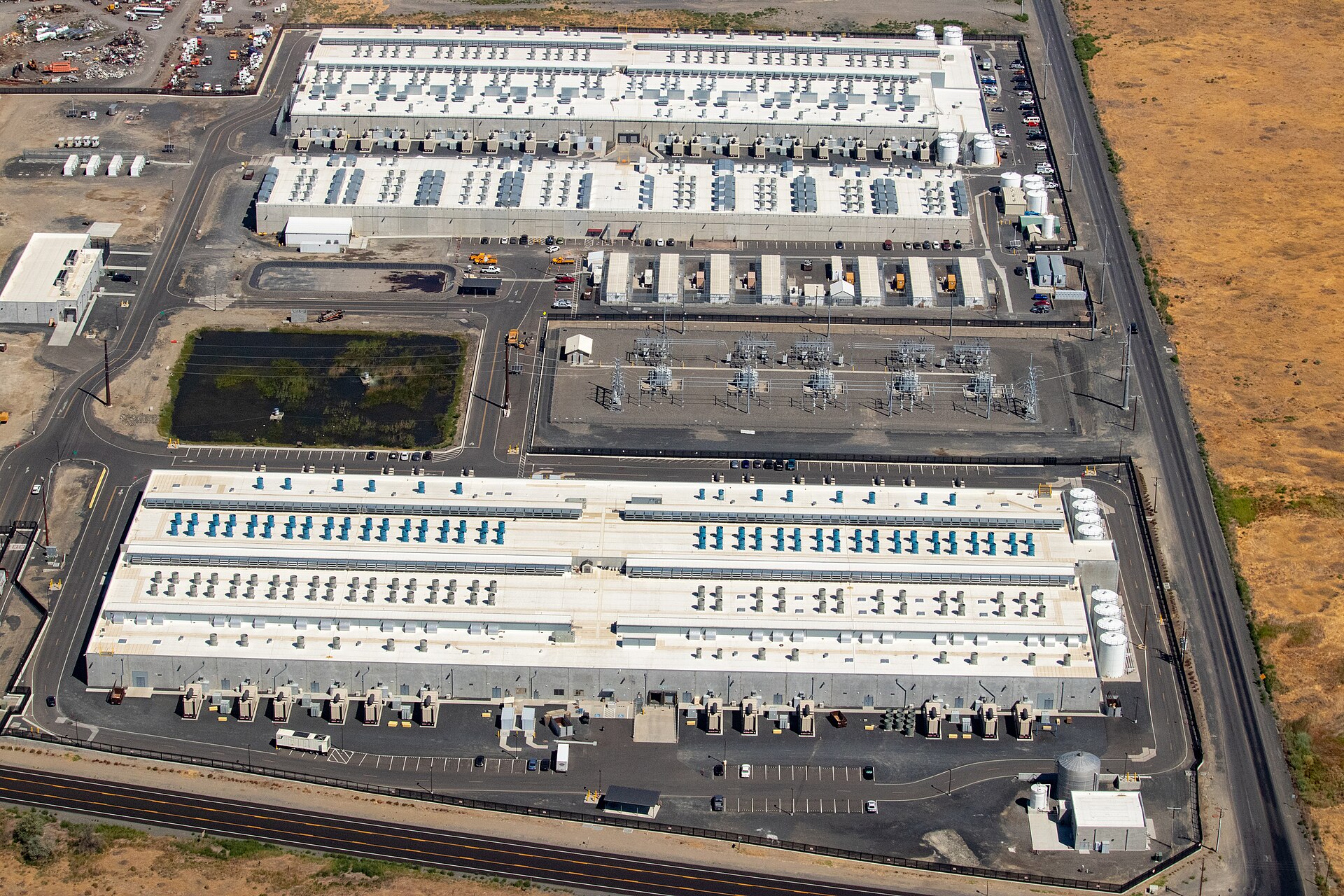
Every AWS region is a cluster of data centres. Jakarta launched with three Availability Zones, the standard minimum. The zones are physically separate facilities inside a metro area, linked by low-latency fibre. Customers spread workloads across them so a single building failure does not cause an outage.
AWS did not disclose the power draw of the initial footprint or the street addresses of the halls. The sites sit in Greater Jakarta. The company has not named its local builders or property partners.
At launch the region delivered the core compute, storage, database, networking and security services AWS ships with every new region: EC2, S3, RDS, VPC, Lambda and others. Not everything in the AWS catalogue was present on day one. Higher-level services such as SageMaker or Outposts typically land later, after the foundational layer has stabilised.
Who Gains From a Local Footprint
The clearest winners are Indonesian enterprises and public bodies that must keep certain categories of data inside the country. Regulation No. 71 of 2019 and the Personal Data Protection Law passed the following year require domestic storage for some records. Before Jakarta came online, meeting those rules on AWS meant colocating with a local provider and operating a hybrid setup, or picking a different cloud vendor that already had in-country cages.
Startups and digital-native companies gain from lower latency. An app serving users in Jakarta or Surabaya no longer needs the Singapore hop, which can add 20 to 50 milliseconds of round-trip time depending on the route. For ride-hailing, fintech and gaming, that shrink is material.
AWS named a clutch of anchor customers and partners straight away.
GoTo Group, the holding company behind Gojek and Tokopedia, said it would steer workloads to the new region. Bank Mandiri, Bank Rakyat Indonesia and Telkom Indonesia all declared migration or modernisation plans. The partner ecosystem includes local systems integrators and managed service providers that help Indonesian firms move production stacks onto the fresh infrastructure.
The $5 Billion Spend and What It Does Not Guarantee
The $5 billion is AWS's planned capital spend in the country over 15 years. It covers construction and operation of the halls, import of server and networking kit, plus the ongoing bill for power and cooling. AWS has not split the figure between capex and opex, nor revealed how much cash had left its accounts by launch day.
The $10.9 billion GDP uplift and 24,700 jobs are projections, not promises. They rest on AWS's own methodology, which estimates the secondary effects of cloud uptake across the economy. No independent economists have checked the sums. Amazon has published similar models for other regions; outcomes have varied from market to market.
Indonesia's public-cloud spend was modest at the time, pegged around $1.5 billion for 2021 by industry analysts. The AWS injection is a wager that local organisations will accelerate their shift to the cloud and that the regulatory climate will stay warm for foreign-owned data-centre infrastructure.
What the Launch Means for the Region
Jakarta plugs a gap in AWS's Southeast Asian map.
Before it existed, AWS had regions in Singapore, Sydney, Seoul and Mumbai. Singapore was the default for Indonesian traffic, but its data rules differ from Indonesia's and the Strait adds latency. Jakarta became AWS's third location in Southeast Asia, following Singapore and the Hong Kong region that lit up in 2019.
The launch also sharpens competitive pressure. Microsoft Azure and Google Cloud both had footprints in Southeast Asia but neither ran a region inside Indonesia at the time. Microsoft announced intentions in February 2021 but did not open its doors until 2024. Google Cloud served Jakarta through a partner rather than a first-party region as of late 2021.
For local firms the practical effect is simple. They can now run production workloads on AWS iron that sits under Indonesian law, with latency measured in low single-digit milliseconds from the capital. The region will not rewrite the economics of local cloud overnight. It removes a structural obstruction that had kept some large organisations tethered to their own server rooms.
Key Facts at Launch
- Region name: Asia Pacific (Jakarta)
- API name: ap-southeast-3
- Launch date: December 2021
- Availability Zones: 3
- Total AWS global regions at launch: 26
- Investment commitment: $5 billion over 15 years
- Projected GDP contribution: $10.9 billion over 15 years
- Projected annual jobs supported: 24,700 direct and indirect
Named Customers and Partners at Launch
| Entity | Type | Role |
|---|---|---|
| GoTo Group | Customer | Planned migration of Gojek and Tokopedia workloads |
| Bank Mandiri | Customer | Migration of banking workloads to local region |
| Bank Rakyat Indonesia | Customer | Digital transformation and core banking modernization |
| Telkom Indonesia | Customer / Partner | Telecommunications infrastructure and managed services |
| Indosat Ooredoo | Partner | Network connectivity and co-location services |
Frequently Asked Questions
Why did AWS open a region in Jakarta?
Indonesian organizations needed a local AWS region to comply with data residency regulations and to reduce latency. Before the Jakarta region, Indonesian customers had to route traffic to Singapore or other nearby regions.
Is the Jakarta region still operational?
Yes. The region launched in December 2021 and remains operational as of this writing.
How many Availability Zones does the Jakarta region have?
Three Availability Zones, which is the standard minimum for an AWS region.
What is the API name for the Jakarta region?
ap-southeast-3.
Which AWS services are available in the Jakarta region?
Core services including EC2, S3, RDS, VPC, and Lambda were available at launch. Not every AWS service was available on day one; some advanced services arrived later.