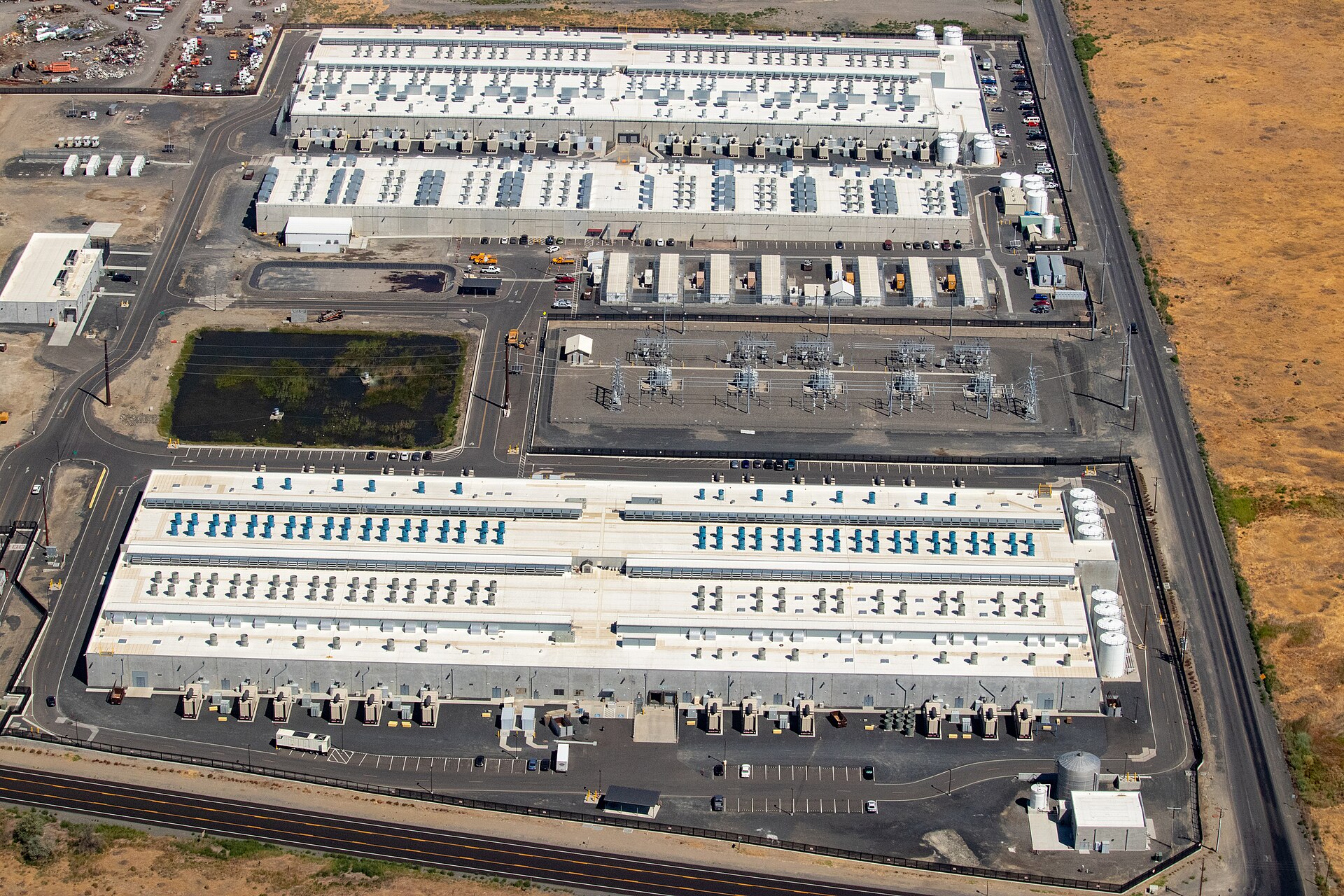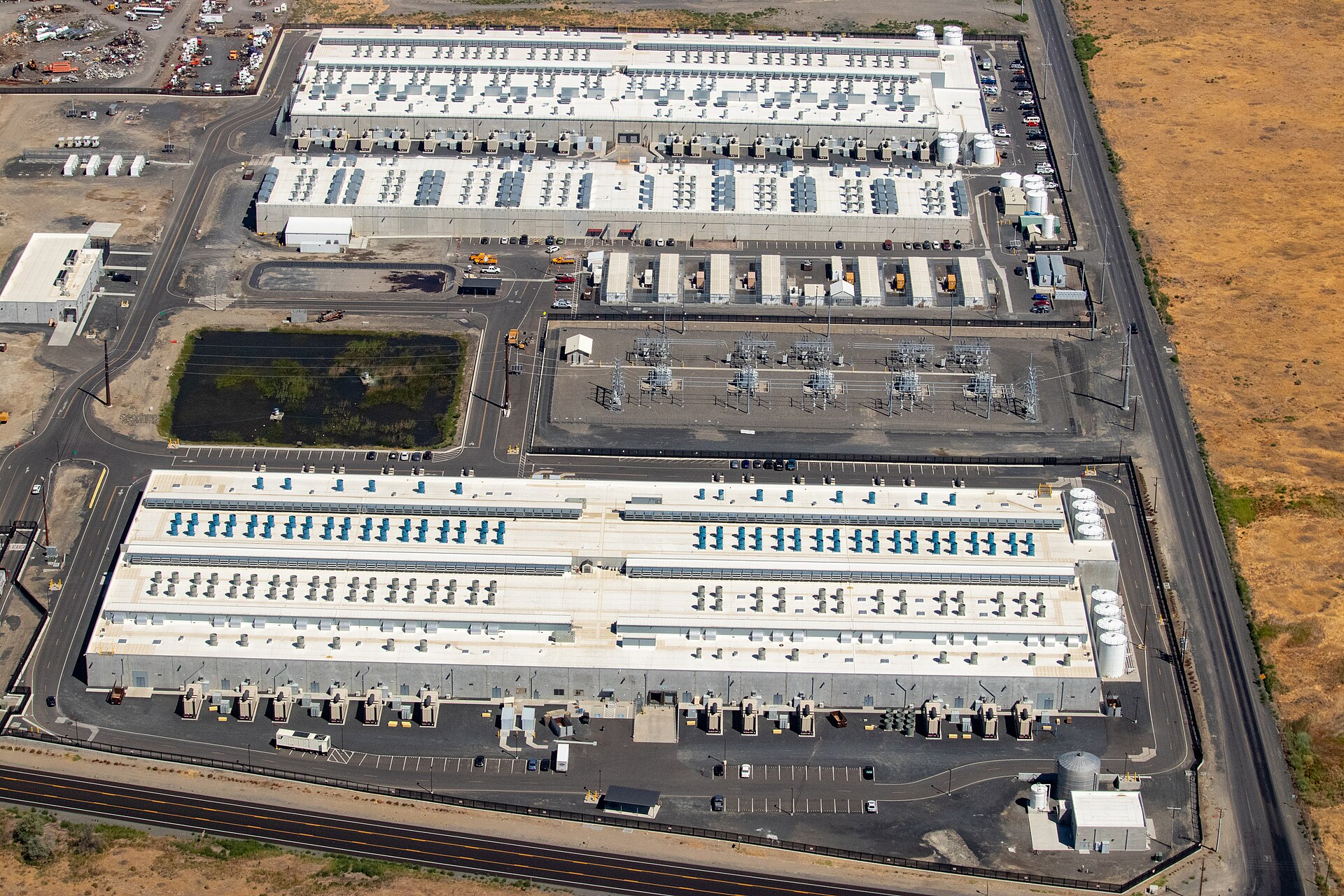
In August 2023, Amazon Web Services launched the Israel (Tel Aviv) Region, designated with the API code il-central-1. The region opened with three Availability Zones, making it the first hyperscale cloud infrastructure region physically located inside Israel. AWS committed approximately $7.2 billion in planned investment through 2037. The company estimated the region would add roughly $13.9 billion to Israel's GDP over that period and support an average of 2,800 full-time equivalent jobs annually at external businesses.
The launch had been anticipated since AWS won the Project Nimbus government cloud contract. That deal, a joint framework with Google Cloud, gave Israeli government agencies access to cloud services with data residency requirements. The new region directly addresses those requirements by keeping data within Israel's borders. It also reduces latency for Israeli customers who previously routed traffic to AWS data centers in Europe or Bahrain.
The region became operational in August 2023 and the $7.2 billion investment plan was confirmed and is proceeding. The outcome of the launch is established: the infrastructure is live and the multiyear buildout is underway.

Three Availability Zones and Local Data Residency
AWS regions are composed of Availability Zones, each a physically separate data center with independent power, cooling, and networking. The Israel (Tel Aviv) Region launched with three such zones, the standard minimum for a full AWS region. That design allows customers to run production workloads across multiple failure-isolated locations within the same metropolitan area.
For Israeli organizations, the most immediate benefit is data residency. Regulated industries including banking, insurance, and healthcare must keep certain data inside Israel. Before the region launched, those customers either used local colocation facilities or accepted the latency and compliance complexity of routing traffic abroad. The new region removes that friction. Israeli government entities, which operate under the Project Nimbus framework, can now run workloads on AWS infrastructure that satisfies domestic data-sovereignty rules without additional contractual workarounds.
The low-latency argument is straightforward. Round-trip time between Tel Aviv and AWS's Europe regions is typically 60 to 100 milliseconds. Traffic within the Israel region is in the single-digit millisecond range. For real-time applications such as trading platforms, video streaming, and IoT sensor networks, that difference is material.
The $7.2 Billion Investment and Economic Impact Projections
AWS's planned $7.2 billion investment through 2037 covers construction of data centers, power infrastructure, and ongoing operational costs. The figure was disclosed by AWS at launch and is the company's own projection. It is not an audited commitment but a forward-looking estimate of capital expenditure and operating spend inside Israel.
The projected GDP contribution of $13.9 billion by 2037 is also AWS's estimate. The company derived that number using an economic multiplier model that accounts for direct spending, indirect supply-chain effects, and induced spending from wages. The jobs figure of 2,800 full-time equivalent positions annually at external businesses follows the same methodology. Those jobs are not AWS employees but roles at local contractors, construction firms, security providers, and maintenance companies that support the data center ecosystem.
Israel's technology sector already accounts for a large share of its economy, roughly 18 percent of GDP before the region launched. The AWS investment adds infrastructure that the local startup and enterprise ecosystem can build on without exporting traffic. The question is whether the projected multiplier effects materialize at the scale AWS modeled, which depends on how quickly Israeli organizations migrate workloads to the new region.
Project Nimbus and the Government Cloud Market
The Project Nimbus contract, awarded to AWS and Google Cloud in 2021, was the catalyst for the region. The deal, valued at approximately $1.2 billion over several years, required the winning bidders to provide cloud services that meet Israeli government security and data residency standards. AWS could not fully satisfy the residency requirement without a local region. The August 2023 launch closed that gap.
Project Nimbus covers the Israeli Ministry of Defense, the Israel Defense Forces, and other government agencies. Those entities now have access to AWS services with data stored on servers inside Israel, which simplifies compliance with national security directives. The contract also includes provisions for classified workloads, though the details of those arrangements are not public.
The region's existence changes the competitive dynamics of the Israeli cloud market. Before August 2023, government customers had limited options for hyperscale cloud with local data residency. AWS now offers that capability directly. Google Cloud has not announced a similar region in Israel, though it continues to serve government customers under the Nimbus framework through its existing global infrastructure and partner arrangements.
Customers: Startups, Enterprises, and Regulated Industries
The Israel (Tel Aviv) Region serves three broad customer groups. Startups, which make up a dense part of the Israeli economy, gain access to the full suite of AWS services with single-digit millisecond latency. Many of these companies already used AWS but routed traffic through Europe. The local region reduces network costs and improves application performance, particularly for latency-sensitive workloads such as adtech, fintech, and real-time analytics.
Enterprise customers in banking, insurance, and telecommunications face regulatory requirements that previously made cloud migration difficult. The Bank of Israel and the Capital Market Authority impose data localization rules on financial institutions. With the new region, those organizations can treat AWS as a compliant infrastructure layer rather than a foreign service that requires special approval. The same applies to health data governed by Israel's Privacy Protection Act.
For AWS itself, the region opens a larger addressable market inside Israel. The company previously relied on its Bahrain region for Middle East customers, but Bahrain is roughly 1,500 kilometers from Tel Aviv. Latency and data residency concerns limited how much Israeli workload AWS could capture. The local region removes both constraints.

Geopolitical Context and Operational Continuity
AWS launched the region in August 2023, two months before the Israel-Hamas war began in October 2023. The brief for this article does not establish whether the war caused delays or changes to AWS's investment timeline or construction plans after the initial launch. The region was operational at the time of the conflict's start. AWS has not publicly revised the $7.2 billion investment figure or the 2037 timeline.
The decision to build a full region in Israel carries geopolitical weight. Israel is a relatively small geographic market for a hyperscale region, but it is a dense technology hub with high per capita cloud consumption. AWS's investment signals confidence in the country's long-term stability and its workforce. The region also serves as an infrastructure anchor for the broader Middle East, where AWS operates in Bahrain and the United Arab Emirates.
Data center construction in Israel faces practical challenges including limited land, high electricity costs, and water scarcity for cooling. AWS has not disclosed the specific locations of the three Availability Zones or the design choices made to address these constraints. The company's standard practice is to build with energy-efficient cooling and backup power systems, but details for the Israel region are not public.
What the Region Does Not Change
The Israel (Tel Aviv) Region is a significant infrastructure addition, but it is not a panacea for every cloud adoption problem in the country. The region does not automatically make legacy on-premises applications cloud-ready. Migration requires refactoring, security auditing, and organizational change that the region alone cannot accelerate. AWS's own projections assume gradual adoption, not a sudden shift.
The region also does not resolve the broader geopolitical risks that affect technology investment in Israel. The war that began in October 2023 introduced uncertainty around construction timelines, supply chains, and workforce availability. The position since is not established here.
For customers, the practical takeaway is that the region exists, it is live, and it meets the data residency and latency requirements that previously limited cloud adoption in Israel. The $7.2 billion investment is proceeding. The economic impact projections are AWS's own and will be tested over the coming years. For operators, investors, and policy people tracking cloud infrastructure in the Middle East, the Israel region is now a fixed point on the map.
Key Facts
- Region name: Israel (Tel Aviv)
- API code: il-central-1
- Availability Zones: 3
- Launch date: August 2023
- Planned investment: Approximately $7.2 billion through 2037
- Projected GDP contribution: Approximately $13.9 billion by 2037
- Projected annual jobs supported: 2,800 full-time equivalent positions at external businesses
- Related government contract: Project Nimbus
Frequently Asked Questions
When did the AWS Israel (Tel Aviv) Region become operational?
The region launched and became operational in August 2023.
How many Availability Zones does the Israel region have?
The region launched with three Availability Zones.
How much is AWS investing in Israel?
AWS announced a planned investment of approximately $7.2 billion through 2037.
What is Project Nimbus?
Project Nimbus is a government cloud contract awarded to AWS and Google Cloud by the Government of Israel, valued at approximately $1.2 billion. It requires cloud services that meet Israeli security and data residency standards.