In September 2020, President Xi Jinping told the UN General Assembly that China would aim for peak CO2 emissions before 2030 and carbon neutrality before 2060. Those two dates, enshrined in the country's updated Nationally Determined Contribution under the Paris Agreement, set a trajectory that is reshaping global supply chains, critical mineral markets, and trade relations. China is both the world's largest annual greenhouse gas emitter, accounting for roughly 27 to 30 percent of total global output, and its largest investor in renewable energy. That tension, not the pledges alone, is what operators, investors, and policy people need to track.
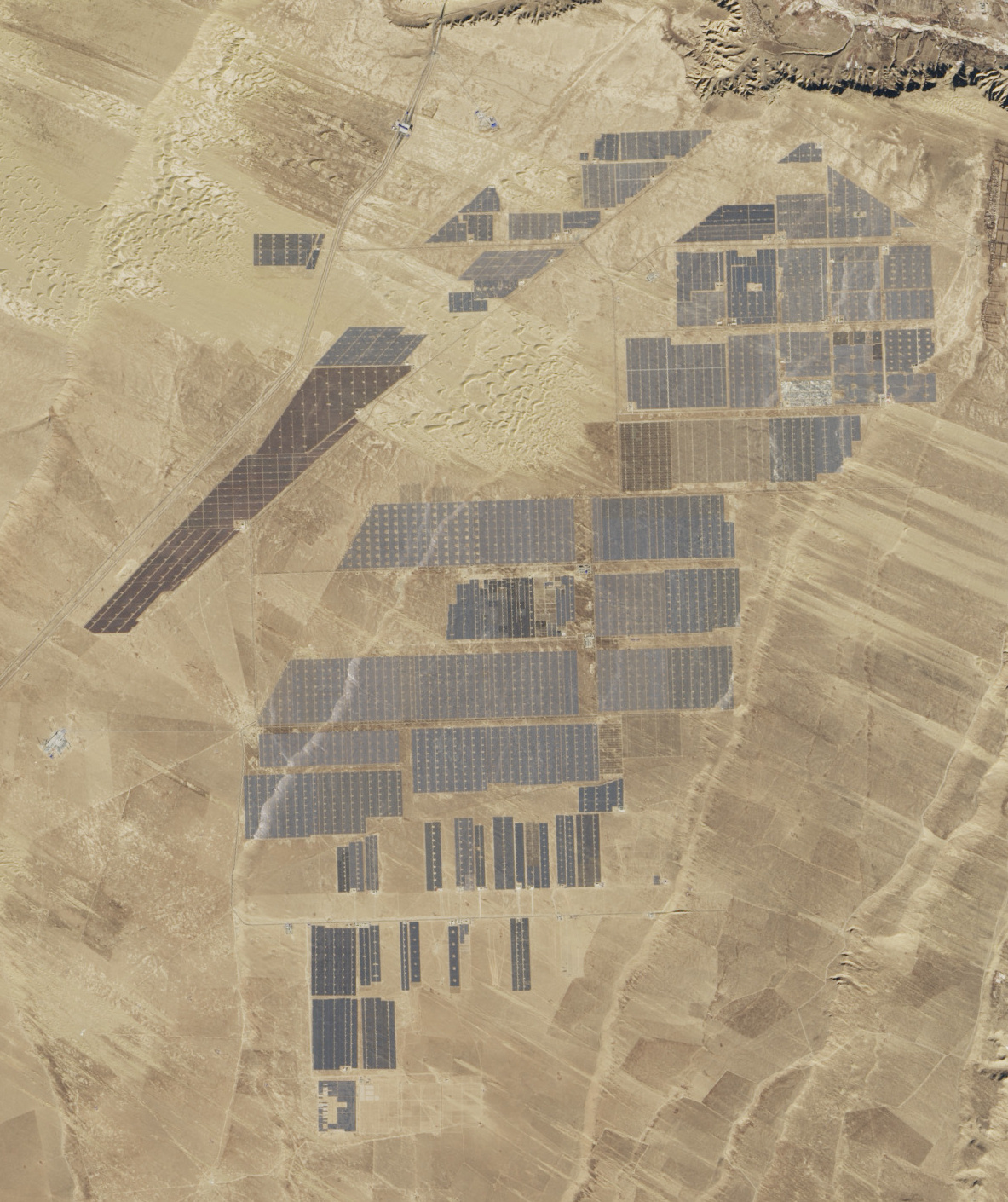
The economic drivers behind the 2060 target are industrial. China dominates the global supply chain for solar panels, producing over 80 percent of the world's modules. It installed a record 216.9 gigawatts of solar in 2023 alone. That manufacturing base gives Beijing a commercial stake in the global energy transition that runs alongside its climate commitments. The 14th Five-Year Plan, covering 2021 to 2025, set a target to increase the share of non-fossil fuels in primary energy consumption to around one-fifth by 2025. That target is a concrete benchmark.

The Emissions Trading Scheme and Coal Reliance
China's national Emissions Trading Scheme launched in July 2021, initially covering the power generation sector. It is the world's largest carbon market by volume. Expansion has been cautious. The brief does not confirm specific inclusion dates for steel, aluminum, and cement, though those industries are expected to join next. The ETS's effectiveness depends on how quickly it moves beyond power and how high the price floor is set. As of October 2024, the scheme covers roughly 2,000 power companies and about 4.5 billion tonnes of CO2 annually.
Coal's Staying Power
Coal remains a complicating force. Beijing approved new coal power plants in recent years, though the exact rate for 2024 is not established here. In September 2021, President Xi announced that the country would stop building new coal-fired power projects overseas, a shift that affected lending under the Belt and Road Initiative. The domestic coal fleet continues to operate and expand, however, creating a gap between the 2060 neutrality goal and near-term energy security decisions. The balance between coal and renewables is the mechanism that will determine whether the 2030 peak target is met.
Clean-Tech Exports and Trade Tensions
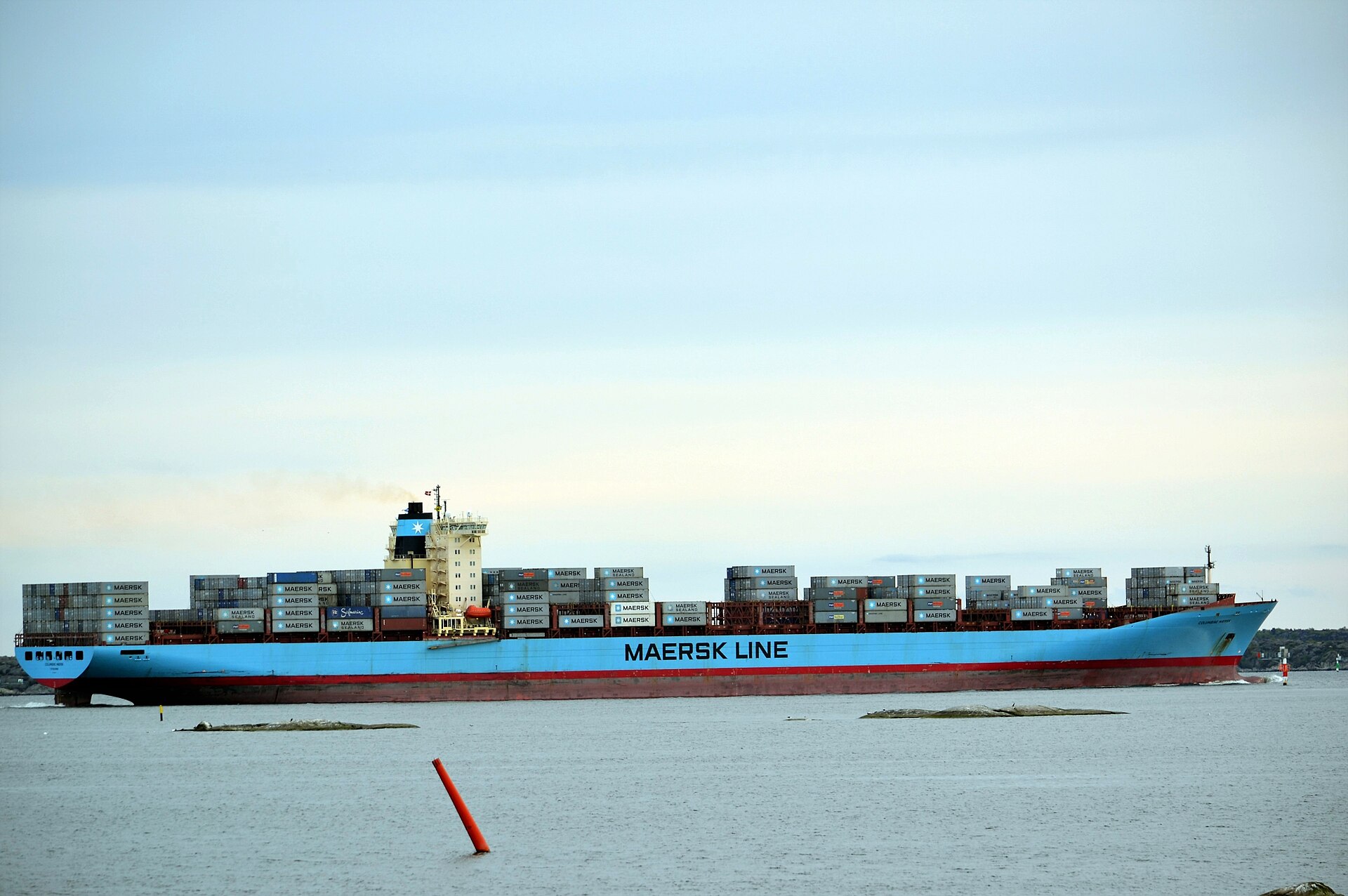
China exported over 1.2 million electric vehicles in 2023, a 77 percent jump year-on-year. That surge has drawn attention from the European Union and the United States. The EU opened an anti-subsidy investigation into Chinese EVs. As of October 2024, the final resolution of those tariffs is not established. The same dynamic applies to solar panels and batteries, where Chinese manufacturers hold dominant market share. The trade friction is not about climate ambition. It is about industrial competition. Chinese clean-tech exports undercut domestic producers in Europe and America on price, and Western governments are responding with tariffs, local content requirements, and their own subsidy programs.
What the Export Surge Means for Investors
For investors, the implication is straightforward. China's clean-tech dominance creates both opportunity and risk. Companies that rely on Chinese solar panels or batteries benefit from low costs. Those that compete with them face margin pressure. Policy responses in Brussels and Washington will shape which outcome prevails. The 77 percent EV export growth figure is a reminder that Chinese manufacturers are not waiting for trade disputes to be resolved.
Belt and Road and the Shift Away from Coal Financing
China's overseas energy lending under the Belt and Road Initiative has shifted noticeably. The September 2021 pledge to stop building new coal-fired power projects abroad marked a turning point. Before that, Chinese banks and developers had backed coal plants in Southeast Asia, South Asia, and Africa. After the pledge, new coal funding dropped sharply, though precise investment figures for overseas green energy projects in the current fiscal year are not confirmed here. The shift opens space for solar, wind, and battery storage projects in developing countries, often using Chinese equipment.
That equipment advantage is not accidental. China's dominance in solar module manufacturing means a Belt and Road solar project is likely to use Chinese panels, inverters, and mounting structures. The same holds for wind turbines and lithium-ion batteries. The lending shift therefore reinforces the manufacturing dominance. For Western development finance institutions, the challenge is to offer terms that compete with Chinese state-backed lenders while maintaining environmental and governance standards.
What the 14th Five-Year Plan Actually Delivered
The 14th Five-Year Plan set a target to lift the share of non-fossil fuels in primary energy consumption to roughly one-fifth by 2025. That target sits alongside the 2030 peak and 2060 neutrality goals as a near-term progress check. By the end of 2023, the non-fossil fuel portion had climbed, driven by record solar installations and continued wind additions. The 216.9 gigawatts of solar deployed in 2023 alone exceeds the entire solar fleet of many large economies.
Has China's Emissions Already Peaked?
Whether China's emissions actually peaked in 2023 or will peak earlier than 2030 is not confirmed here. Analysts disagree. The rate of new coal plant approvals and the pace of renewable deployment will settle the matter. What is clear is that the industrial logic behind China's climate strategy is durable. The country's manufacturers benefit from scale in solar, wind, batteries, and EVs. That economic reality will persist even if political commitments waver. For operators and investors, the relevant question is not whether China hits its 2030 peak on time, but how the gap between its manufacturing output and domestic consumption evolves.
Key Facts
- Emissions peak target: Before 2030
- Carbon neutrality target: Before 2060
- Announcement date: September 2020, at UN General Assembly
- Global emissions share: 27-30%
- Solar capacity installed in 2023: 216.9 GW
- Global solar module production share: Over 80%
- National ETS launch: July 2021, power sector initially
- Overseas coal financing pledge: September 2021, no new coal plants abroad
- EV exports in 2023: Over 1.2 million, up 77% YoY
- 14th Five-Year Plan non-fossil fuel target: Around 20% of primary energy by 2025