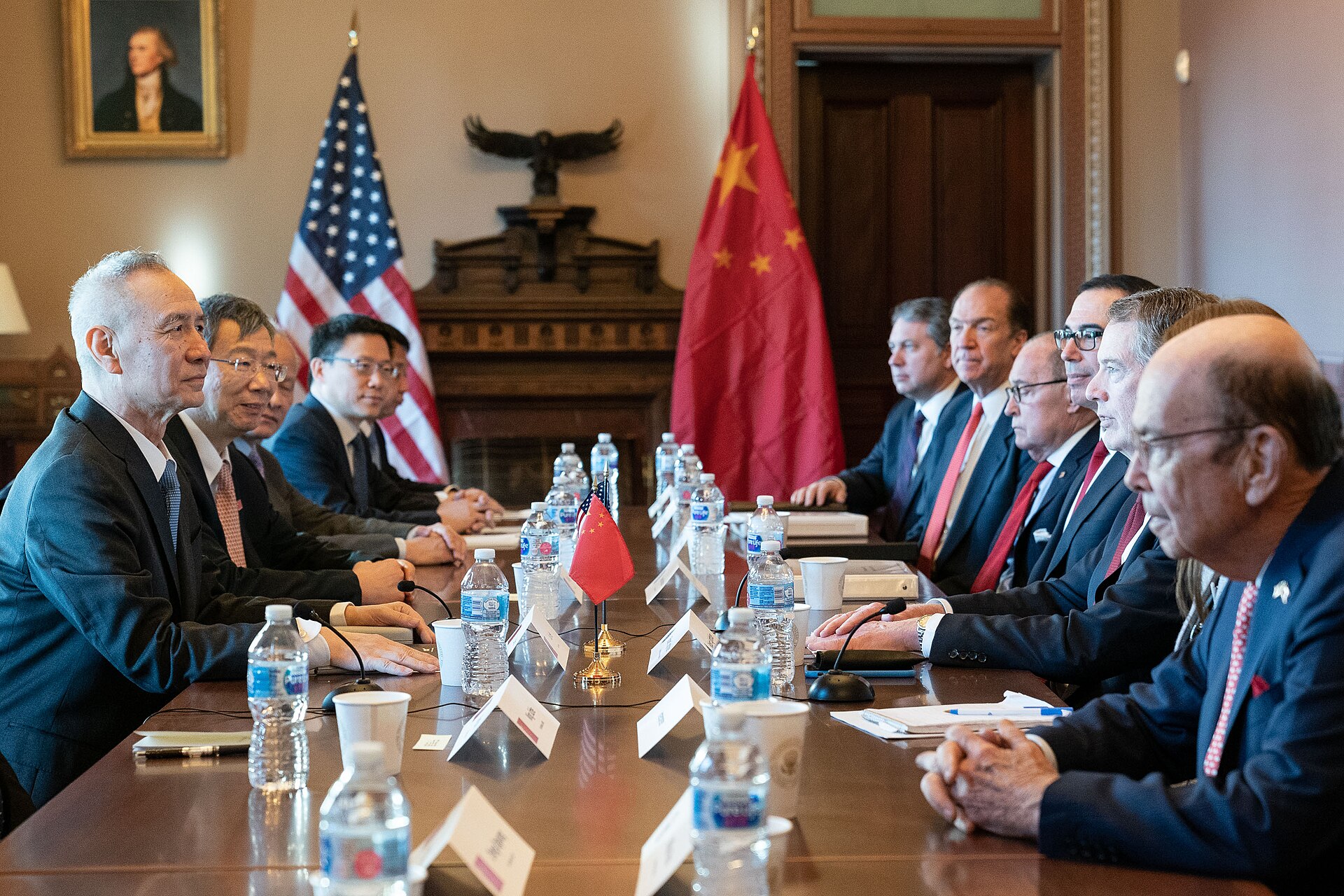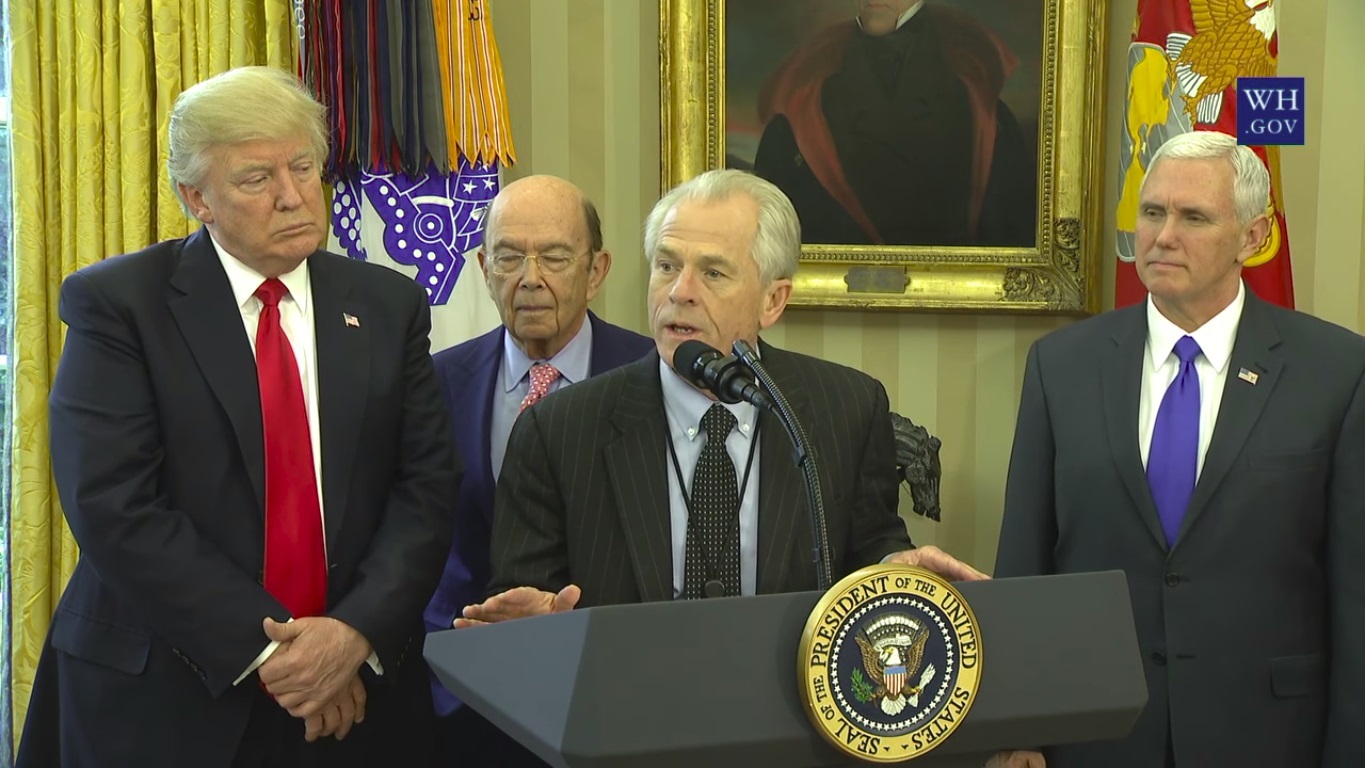
In July 2018, the United States imposed its first round of tariffs on goods from the People's Republic under Section 301 of the Trade Act of 1974, citing what the USTR called unfair intellectual property practices. That single action ignited a trade war that, as of June 2024, had not formally ended. US duties on more than $360 billion of Chinese imports remained in force, and Beijing's retaliatory tariffs on upwards of $110 billion of American goods had not been lifted. The conflict reshaped supply chains, battered US farmers and semiconductor firms, and left the Phase One deal of January 2020 as a partially fulfilled pact that never resolved the underlying dispute.
The tariffs escalated in waves. By late 2019, Washington had imposed levies on roughly two-thirds of all imports from the country. Beijing answered with its own duties, targeting American agricultural products, automobiles, and manufactured goods. The US Department of Commerce added Huawei Technologies to the Entity List in May 2019, cutting the company off from American components and software, and later restricted ZTE Corporation on similar national security grounds. These moves went beyond tariffs, turning the trade dispute into a broader decoupling of the two nations' tech ecosystems.

The Phase One Deal and Its Shortfalls
The Phase One trade agreement, signed on January 15, 2020, was designed to de-escalate. Under its terms, Beijing committed to purchase an additional $200 billion of US goods over two years, spanning agriculture, energy, manufactured products, and services. In exchange, Washington agreed to trim certain duties and cancel others that had been threatened. But the deal left the core Section 301 tariffs untouched and kept most earlier levies in place.
Beijing failed to hit the purchase targets. The Peterson Institute for International Economics documented shortfalls across manufacturing, energy, and services. By the end of the two-year window, China had bought substantially less than the agreed amounts, with the energy and manufactured-goods categories falling especially short. The US did not reimpose tariffs as a penalty, but the unmet commitments undercut any claim that the deal had fixed the trade imbalance. The Phase One agreement remains in effect and is widely regarded as incomplete.
Biden's Approach: Continuity, Not Reversal
The Tariff Review That Changed Little
President Joe Biden took office in January 2021 signaling he would review Trump-era tariffs. In practice, his administration retained most of them. The USTR launched a statutory four-year review of the Section 301 duties in May 2022, examining whether they had achieved their original objectives and whether they should be modified. As of June 2024, that review had not produced broad removals.
Export Controls Expand
The Biden team widened the use of tech export controls beyond what Trump had done. It added more PRC-based firms to the Entity List and tightened restrictions on semiconductor equipment and advanced computing chips. The administration also maintained duties on industrial components and consumer goods, meaning US importers continued to pay levies on products from electronics to furniture. The continuity of tariffs under both presidents made the trade war a bipartisan policy rather than a partisan one.
Sectors Hit Hardest: Agriculture and Technology
Farm Belt Damage
US agriculture was among the first and most visibly affected sectors. Beijing's retaliatory tariffs targeted soybeans, pork, and other farm products, severing a major export market. Washington provided aid packages to farmers to compensate for lost sales, but the supply-chain disruption proved lasting. Some agricultural trade recovered after the Phase One deal, yet China's purchase shortfalls meant growers never saw the promised level of demand.
The Semiconductor and Smartphone Fallout
In the tech sector, the impact was structural. The Entity List restrictions on Huawei Technologies, announced in May 2019, cut the firm off from US-origin software and hardware, including Google's Android operating system for new smartphone models. Huawei's global handset market share collapsed. ZTE Corporation faced parallel restrictions. The broader effect was to push PRC-based device makers and chip designers to accelerate domestic semiconductor development and reduce reliance on American suppliers, a shift that continued through 2024.
Status as of Mid-2024
Tariffs Still in Force
The trade war had not formally ended by June 2024. US duties on more than $360 billion of goods from the PRC remained in effect, and Beijing's retaliatory tariffs on upwards of $110 billion of American products had not been lifted. The Biden administration's four-year review of Section 301 had produced no public decision to remove or raise duties. No new comprehensive trade agreement had been reached.
A Permanent Feature of Bilateral Relations
The dispute's legacy was visible in global supply chains. Many companies shifted production out of China to dodge tariffs, with Vietnam, Mexico, and India capturing manufacturing share. Washington and Beijing continued to negotiate on specific issues, but the broad tariff structure stayed intact. The trade war had become a permanent feature of US, China economic relations, not a temporary clash that a single deal could resolve.
Key Facts
- Trade war initiated: July 2018 under President Donald Trump
- US tariffs imposed on: Over $360 billion of Chinese goods
- China retaliatory tariffs on: More than $110 billion of US goods
- Phase One deal signed: January 15, 2020
- China's Phase One purchase commitment: Additional $200 billion of US goods over two years
- Outcome of Phase One targets: China failed to meet targets (documented by Peterson Institute)
- Biden administration tariff review launched: May 2022 (statutory four-year review)
- Huawei Entity List added: May 2019
- Status as of: June 2024: tariffs largely in place; no new comprehensive deal
Major Tariff Rounds and Responses
| Date | US Action | China Response |
|---|---|---|
| July 2018 | Tariffs on $34 billion of Chinese goods | Retaliatory tariffs on $34 billion of US goods |
| August 2018 | Tariffs on additional $16 billion | Further retaliatory tariffs |
| September 2018 | Tariffs on $200 billion of Chinese goods at 10% | Tariffs on $60 billion of US goods |
| May 2019 | Increased tariffs on $200 billion list to 25% | Increased retaliatory tariffs |
| September 2019 | Tariffs on $300 billion list (partial) | Additional retaliatory measures |
| January 2020 | Phase One deal signed; some tariff reductions | Commitment to purchase $200 billion in US goods |
Frequently Asked Questions
Did the trade war end under President Biden?
No. As of June 2024, US tariffs on over $360 billion of Chinese goods remained in place. The Biden administration launched a review in May 2022 but did not remove the tariffs broadly.
Did China meet its Phase One purchase targets?
No. The Peterson Institute for International Economics documented shortfalls across multiple categories, including energy and manufactured goods.
What happened to Huawei during the trade war?
The US Department of Commerce added Huawei to the Entity List in May 2019, restricting its access to US technology. This cut the company off from Google's Android for new models and reduced its global smartphone market share.